Why Slovak Paradise National Park stands out
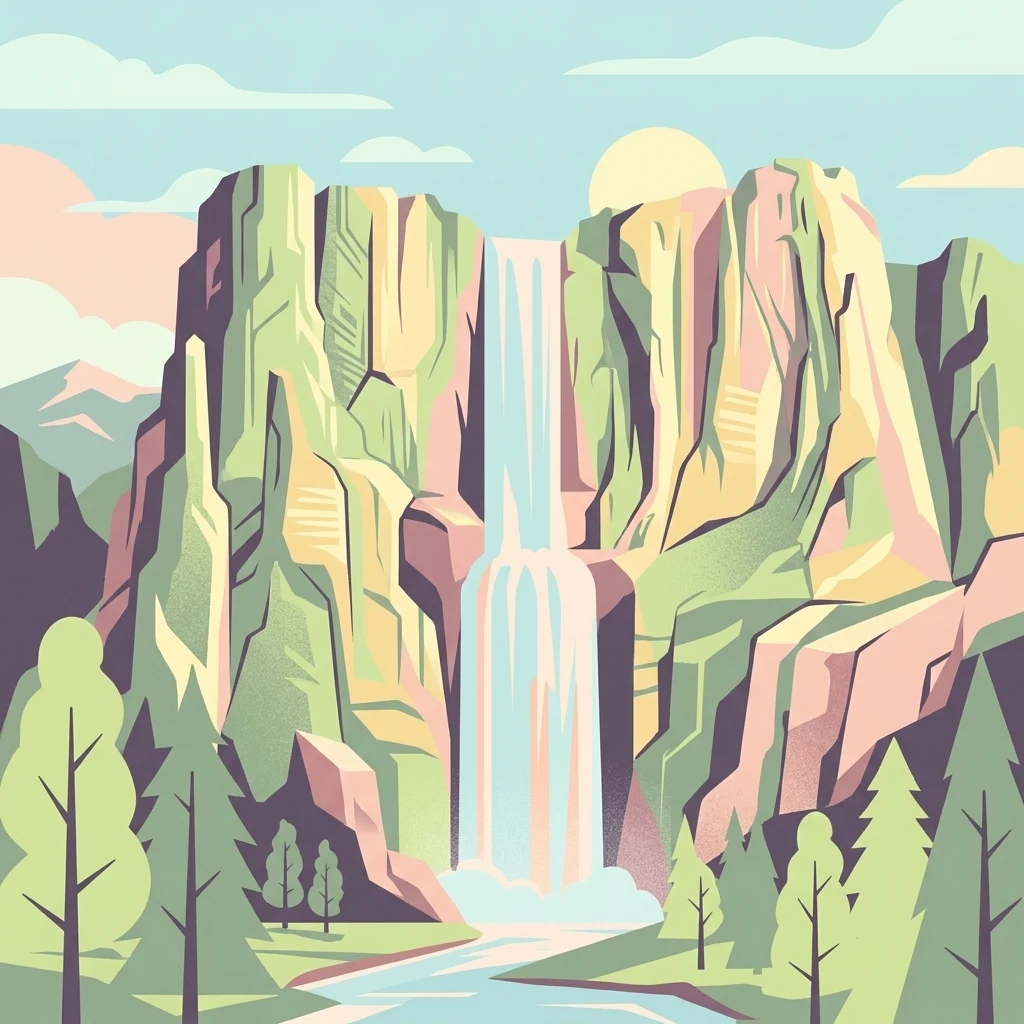
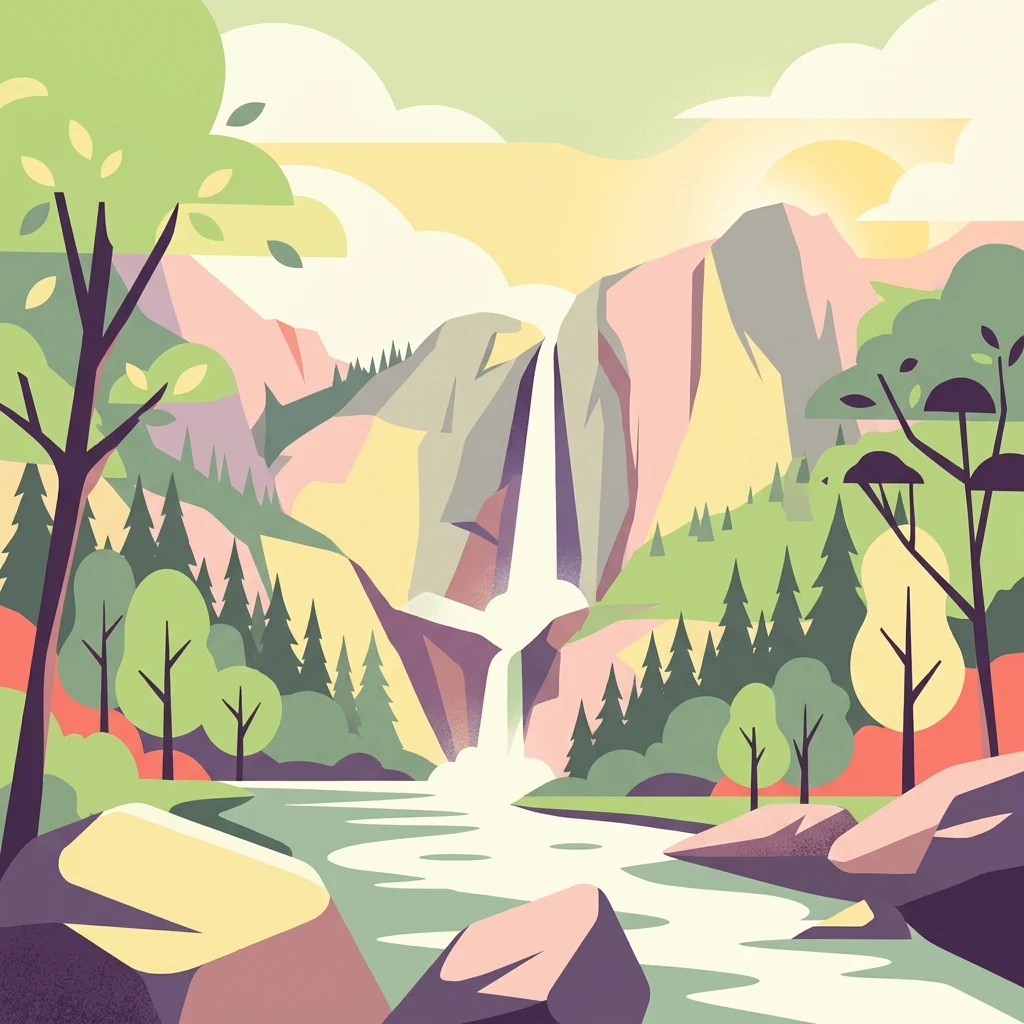
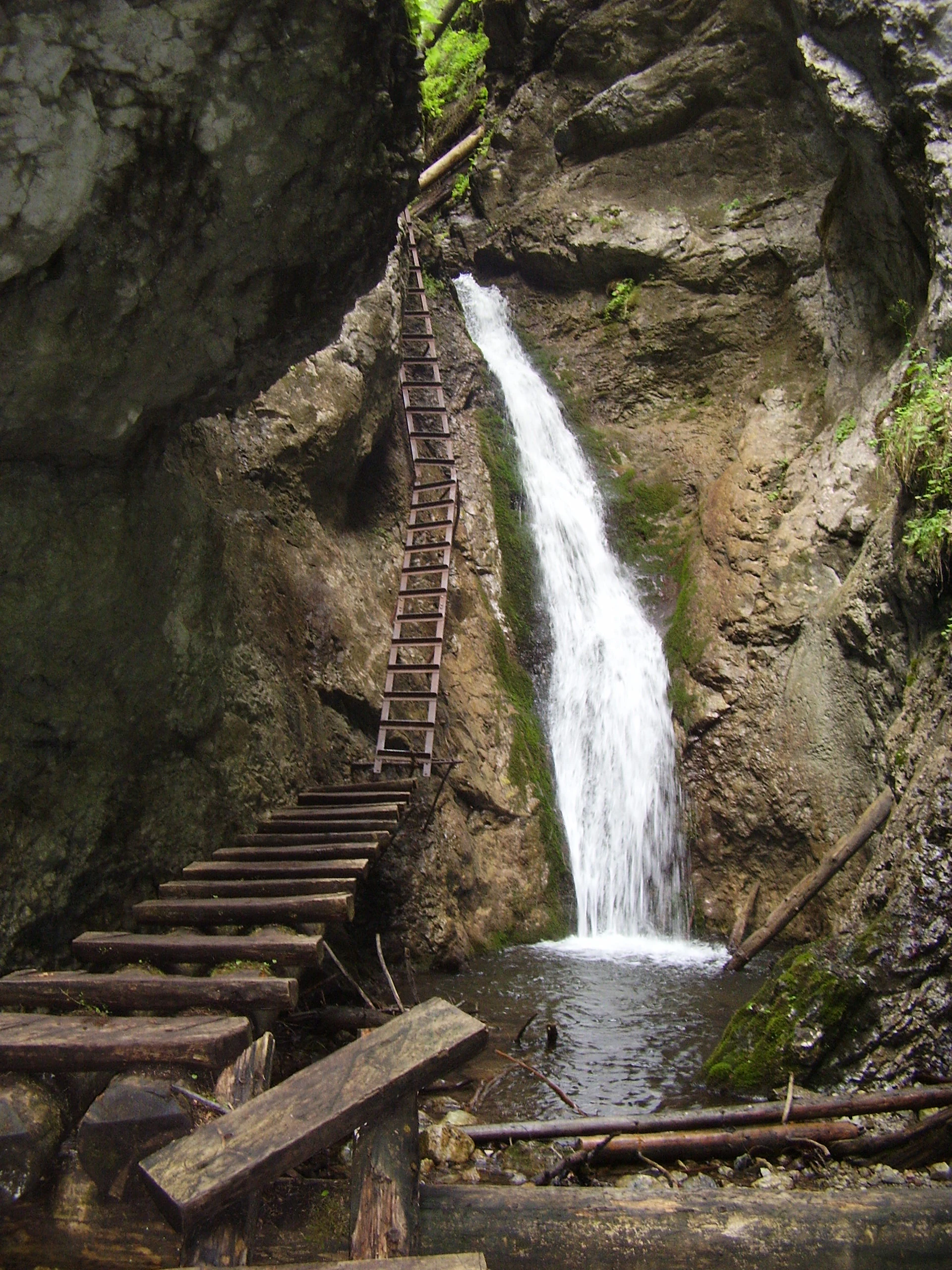
Slovak Paradise is renowned for its dramatic karst gorges and waterfalls that punctuate a relatively compact but exceptionally rugged landscape. The Suchá Belá, Veľký Sokol, Piecky, and Kyseľ gorges each contain multiple waterfalls accessible along maintained trails equipped with ladders and chains. The park's geology, characterized by soluble carbonate rocks, has produced an extensive cave system with about 350 documented cavities. The Dobšiná Ice Cave, featuring permanent ice formations, represents the only show cave in the park and holds UNESCO World Heritage status as part of the Aggtelek and Slovak Karst transboundary cave network. The Prielom Hornádu canyon, stretching 11.7 kilometers, offers the longest continuous gorge experience with remarkable biodiversity.
Slovak Paradise National Park history and protected-area timeline
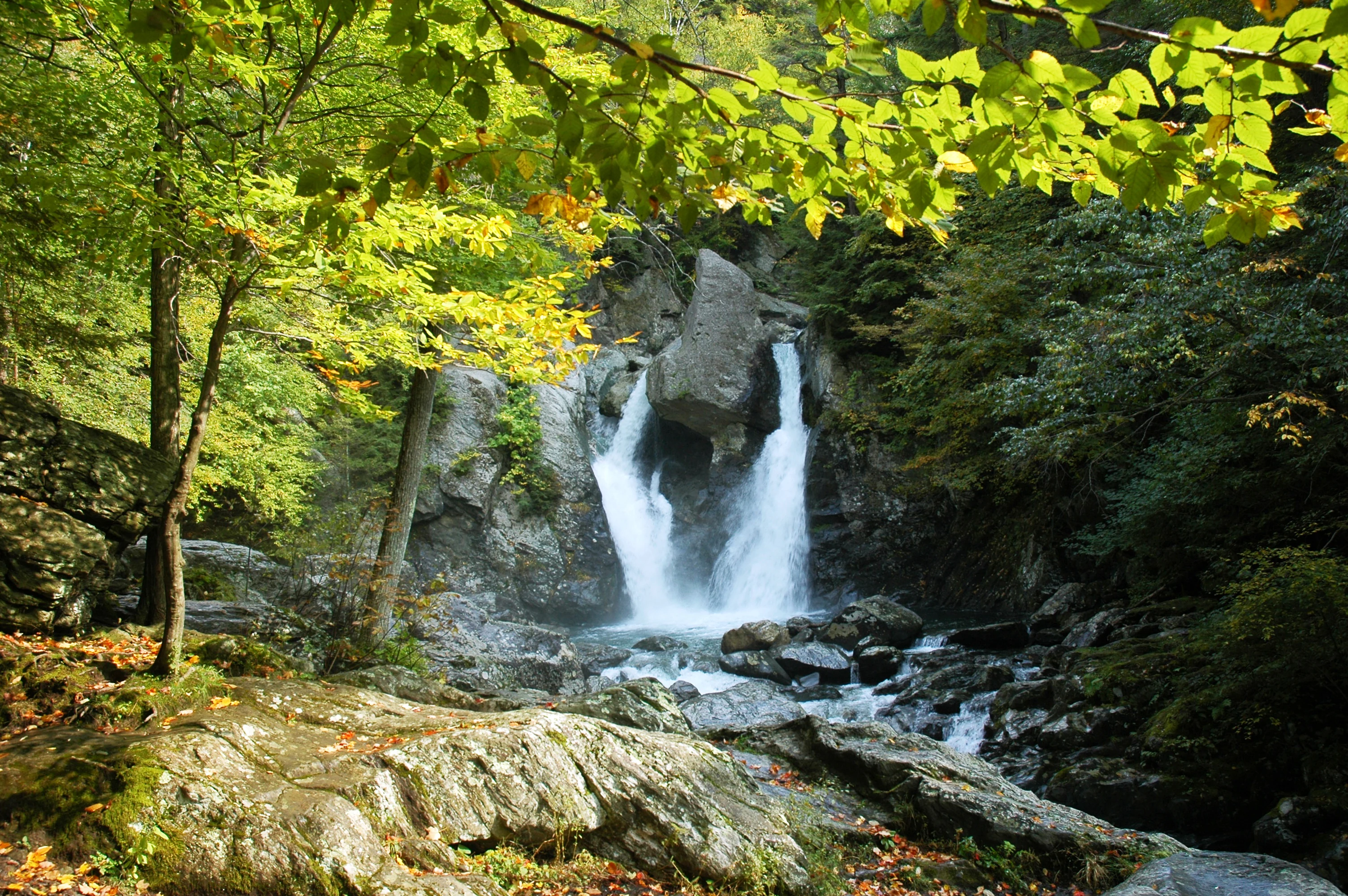
The protection of Slovak Paradise territory began in 1890 with the establishment of the first reserved area, marking early recognition of the region's natural value. The iconic edelweiss became the first formally protected plant species in 1936, reflecting the alpine character of certain park habitats. The name Slovenský raj, meaning Slovak Paradise, first appeared in print in 1921 through the Krásy Slovenska magazine, replacing the various local names previously applied to the area. On 21 August 1964, the Slovak Paradise became the first protected landscape area in Slovakia, representing a pioneering step in the nation's conservation history. The designation was upgraded to national park status on 18 January 1988, providing stronger legal protection for the territory. In 2000, the Dobšiná Ice Cave achieved international recognition through inclusion on the UNESCO World Heritage List as part of the Aggtelek and Slovak Karst cave systems. The park joined the European Natura 2000 network in 2004, integrating its conservation framework with broader European habitat protection initiatives.
Slovak Paradise National Park landscape and geographic character
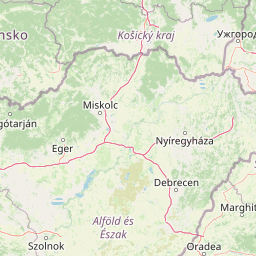
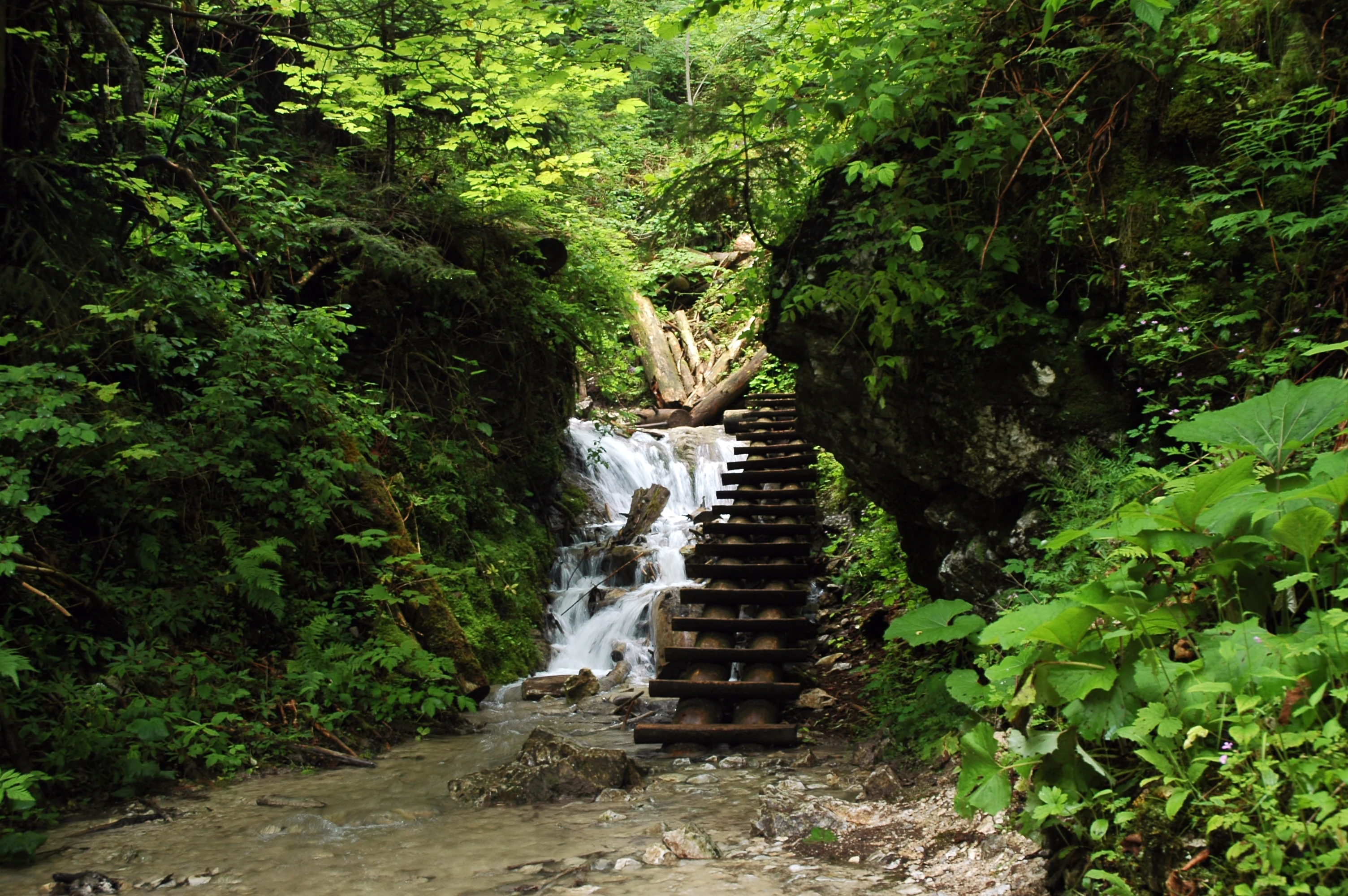
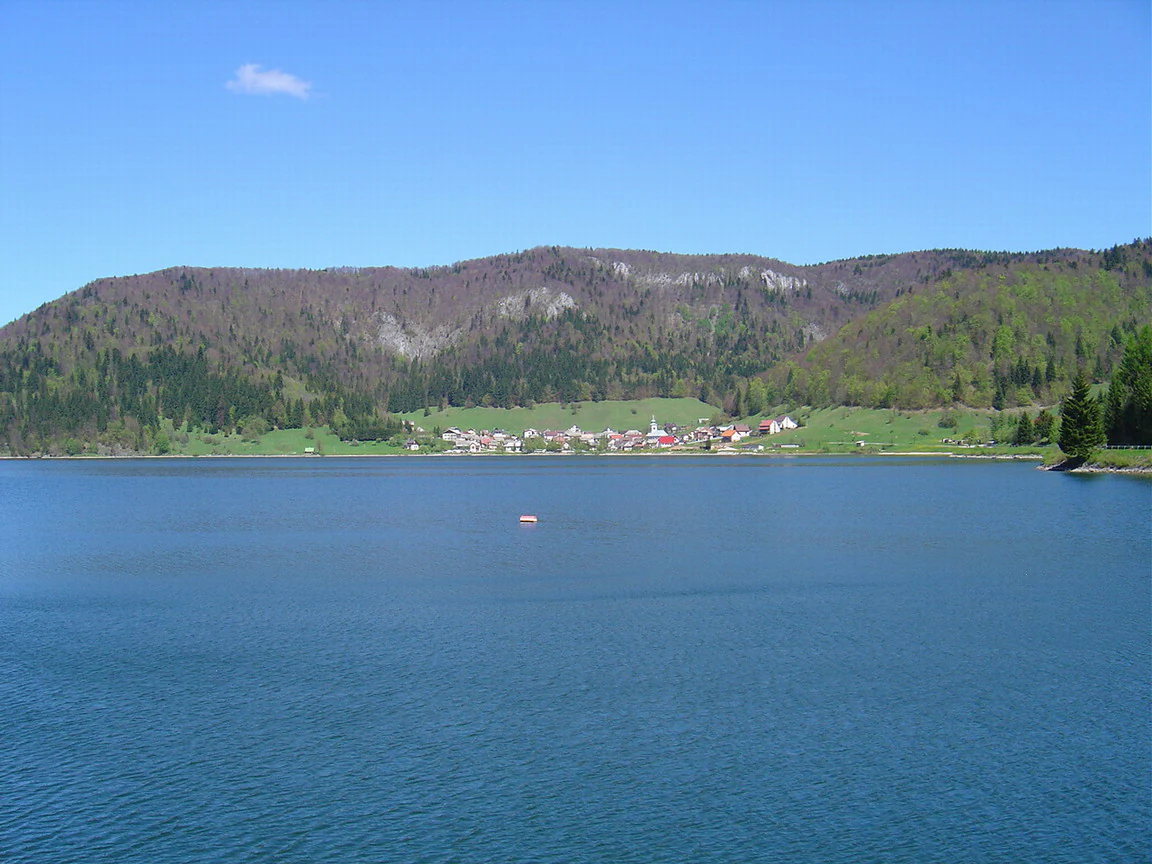
The physical landscape of Slovak Paradise centers on a karst plateau composed primarily of limestone and dolomite that has been extensively fractured and dissolved over geological time. The plateau surface appears relatively level from a distance but conceals the dramatic vertical relief created where rivers have cut through the rock mass. Deep gorges, locally called tiesňavy, form the most spectacular terrain features, with Veľký Sokol extending 4.5 kilometers as the longest while Suchá Belá, Piecky, and Kyseą represent other significant gorges containing numerous waterfalls. The Prielom Hornádu canyon stretches 11.7 kilometers and represents the park's most extensive continuous gorge system. Waterfalls are abundant throughout the gorge systems, with Závojový vodopád reaching 70 meters as the tallest. The Palcmanská Maša reservoir, completed in 1956 and covering 0.85 square kilometers, provides the largest standing water body within the park boundaries. The highest elevation point is Predná hoľa at 1,545 meters above sea level, while Havrania skala offers a panoramic viewpoint at 1,153 meters. The Tomášovský výhľad rock shelf at 680 meters is popular among both climbers and hikers for its exceptional views. Elevation ranges from 1,545 meters down to the Hornád river surface at 470 meters.
Slovak Paradise National Park ecosystems, habitats, and plant life
The ecological character of Slovak Paradise reflects its position within the Carpathian mountain system and its complex karst geology. Forests dominate approximately 90 percent of the park's area, with beech, spruce, fir, and pine forming the primary tree communities. The park supports 930 documented plant species, of which 35 receive legal protection. Six plant species are endemic to the Slovak Paradise alone, existing nowhere else on Earth, while an additional 19 species are endemic to the broader West Carpathian region. The invertebrate fauna is exceptionally rich, with roughly 4,000 species recorded including more than 2,100 butterfly species representing the highest butterfly density in Slovakia at 6.06 individuals per square kilometer. Kopanecké meadows within the park exhibit remarkable vascular plant diversity with over 75 species per square meter. Vertebrates are represented by approximately 200 species, with 130 receiving protected status. The park provides habitat for 40 mammal species including brown bear, grey wolf, Eurasian lynx, and European wildcat, representing a significant population of large carnivores within Slovakia.
Slovak Paradise National Park wildlife and species highlights
The wildlife community in Slovak Paradise includes notable large mammals that roam the forest environments and alpine zones. Brown bears, grey wolves, Eurasian lynx, and European wildcats represent the apex predators present in meaningful populations. Red deer, roe deer, and European fallow deer populate the forested areas, while Alpine chamois inhabit higher rocky terrain. European wild boar and marmots are also present among the park's mammalian fauna. The park supports 65 endangered species including the saker falcon, European otter, and European ground squirrel, reflecting the conservation significance of the territory. Birdlife includes raptors and forest-dwelling species that utilize the diverse habitats from canyon floors to ridge tops. Reptiles include the European adder, one of few snake species in Europe represented in the park, though this venomous species generally avoids human contact.
Slovak Paradise National Park conservation status and protection priorities
Slovak Paradise holds significant conservation value as Slovakia's first protected landscape area and as a national park providing the highest level of national protection. The inclusion of Dobšiná Ice Cave on the UNESCO World Heritage List in 2000 recognized the outstanding universal value of the region's karst cave systems. Integration into the Natura 2000 network in 2004 connected the park to Europe's broader conservation framework for habitats and species. The park contains eleven national nature reserves and eight additional nature reserves, creating layered protection for the most sensitive areas. High biodiversity metrics, including the highest butterfly density in Slovakia and significant populations of large carnivores, underscore the ecological importance of maintaining this protected landscape. The presence of endemic plant species restricted to the Slovak Paradise and the West Carpathians adds irreplaceable conservation value to the territory.
Slovak Paradise National Park cultural meaning and human context
The park contains cultural heritage elements that reflect human presence in this rugged landscape over centuries. The Kláštorisko tourist center, the only such facility located directly within the national park, occupies the site of a former Carthusian monastery whose ruins still stand. This monastic presence historically influenced the landscape and its use patterns. The name Slovenský raj, adopted in the early twentieth century, reflects the perception of the area as a place of natural beauty and wonder. Tourism has deep roots in the region, with the distinctive trail infrastructure featuring ladders, chains, and bridges reflecting decades of visitor access development. The communities surrounding the park, including Spišská Nová Ves which hosts the park administration, maintain connections to this landscape through recreation, traditional land use, and regional identity centered on the mountainous territory.
Top sights and standout views in Slovak Paradise National Park
The dramatic gorges of Slovak Paradise, particularly Suchá Belá and Veľký Sokol with their chain and ladder trail systems, represent the park's most distinctive recreational features. The Dobšiná Ice Cave provides the only accessible show cave experience and holds UNESCO World Heritage status for its exceptional ice formations. The Prielom Hornádu canyon offers an 11.7-kilometer through hike along the river with remarkable species diversity. The Závojový vodopád waterfall at 70 meters ranks among the tallest in the Slovak mountains. The network of approximately 300 kilometers of hiking trails provides extensive exploration opportunities through one of Slovakia's most scenic landscapes. The high density of butterfly species makes the park particularly significant for invertebrate conservation within the Carpathian region.
Best time to visit Slovak Paradise National Park
The summer months of June through September offer the most favorable conditions for hiking and exploring the gorges, though these periods also coincide with higher visitor numbers. Spring and early summer bring heightened waterfall flows as snowmelt and rain augment stream volumes, though trail conditions may be wetter and some routes potentially affected by seasonal closures. Autumn provides colorful forest displays and typically stable weather with fewer visitors, though daylight hours decrease. Winter access is limited primarily to lower elevation areas, with the gorge trails often closed or hazardous due to ice and snow. The shoulder seasons of May and September generally balance reasonable weather conditions with more manageable crowds for those seeking a quieter experience.