Mori Atlas logo
National parkStelvio National Park

Discover the mapped boundaries and natural terrain of this national park in Trentino-Alto Adige/Südtirol.

Stelvio National Park: Explore Its Protected Landscape and Regional Geography

(Parco Nazionale dello Stelvio)

Stelvio National Park stands as a significant national park entity within Italy, located in the Trentino-Alto Adige/Südtirol region. This page serves as a gateway to understanding its protected landscape, mapped terrain, and role within the broader geographic context of the Alps. Explore how its boundaries define a unique area for atlas-based discovery and regional landscape appreciation.

Alpine Protected AreasMountain ParksIUCN Category IITransboundary ConservationItalian National ParksCentral Alps

Stelvio National Park

National park

Park overview

Structured park overview, official facts, and landscape profile for Stelvio National Park

Stelvio National Park park facts, protected area profile, and essential visitor context
Review the core facts for Stelvio National Park, including designation, size, terrain, visitor scale, habitats, and operating context in one park-focused overview.

About Stelvio National Park

Stelvio National Park represents a cornerstone of Alpine conservation in Italy, protecting a vast and varied mountain environment that spans the transition between two of the country's northeastern regions. The park's territory encompasses dramatic Alpine scenery, from the lush valley floors that support forested slopes and meadows to the stark, rocky terrain of high-mountain zones. This altitudinal diversity creates conditions for remarkable ecological variation, with different vegetation zones arranged according to elevation and aspect. The park's establishment in 1935 reflected growing recognition of the Alpine region's ecological significance and the need to preserve its natural landscapes for future generations. Today, the park serves not only as a conservation area but also as a living landscape where traditional Alpine land use practices continue alongside ecological protection. The park's administrative structure involves coordination across 24 municipalities, reflecting the complex governance required for a protected area that spans regional boundaries and encompasses multiple local communities.

Quick facts and research context for Stelvio National Park

Stelvio National Park occupies a strategic position in the Central Alps, bordering Switzerland and connecting to adjacent Italian protected areas including Adamello Brenta Natural Park and Adamello Regional Park. The park protects an extensive territory of interconnected valleys and high peaks, with elevations ranging from valley floors at roughly 650 meters to the summit zones approaching 3,900 meters. Established in 1935 under the Italian Ministry of Environment, the park is classified as an IUCN Category II protected area. The multilingual naming reflects its location at the intersection of Italian and Austrian cultural heritage, with the Italian name Parco nazionale dello Stelvio and the German designation Nationalpark Stilfserjoch both in official use.

Park context

Deeper park guide and search-rich context for Stelvio National Park

Stelvio National Park history, landscape, wildlife, and travel context
Explore Stelvio National Park through its history, landscape character, ecosystems, wildlife, conservation priorities, cultural context, and seasonal travel timing in a structured park guide built for atlas discovery and search intent.

Why Stelvio National Park stands out

Stelvio National Park is particularly known for its exceptional Alpine diversity and the dramatic contrast between its deep valley systems and towering peaks. The park protects one of the most extensive contiguous mountain landscapes in Italy, with a network of valleys that have shaped both natural and human history in this border region. A remarkable recent discovery within the park near the Swiss border revealed approximately 20,000 dinosaur footprints dating back roughly 210 million years to the Triassic period, representing one of the largest and most significant Mesozoic trace fossil sites in the Alps. These fossil trackways preserved on high Alpine cliffs document the movement of long-necked bipedal herbivores and constitute a paleontological find of international importance.
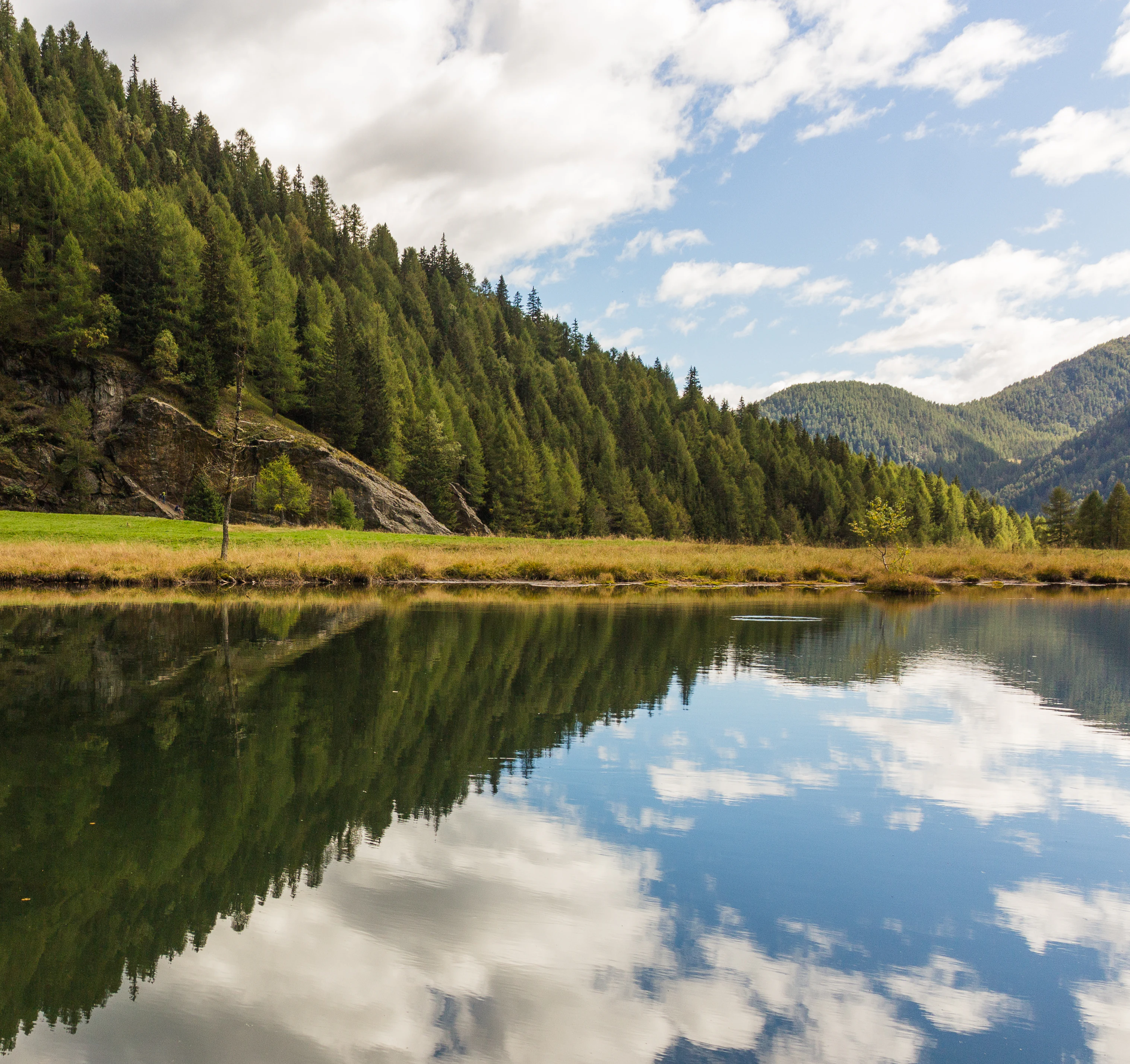
Stelvio National Park history and protected-area timeline

Stelvio National Park was established in 1935, making it one of Italy's earlier national park designations and reflecting a period when the country began systematically creating protected areas to preserve its most significant natural landscapes. The park's creation recognized the exceptional Alpine environment of this border region, where Italy meets Switzerland in the central Alps. Over the decades, the park's management framework has evolved, with current governance resting with the Italian Ministry of Environment. The park's boundaries encompass areas with deep historical ties to both Italian and Austrian cultural traditions, a legacy of the region's complex political history before and after World War I when this portion of the Alps shifted from Austro-Hungarian administration to Italian control. The park's development has included recognition of its importance within a broader transboundary conservation context, particularly through its connection to the Swiss National Park and adjacent Italian regional parks, creating one of the largest protected-area complexes in the Alps.

Stelvio National Park landscape and geographic character

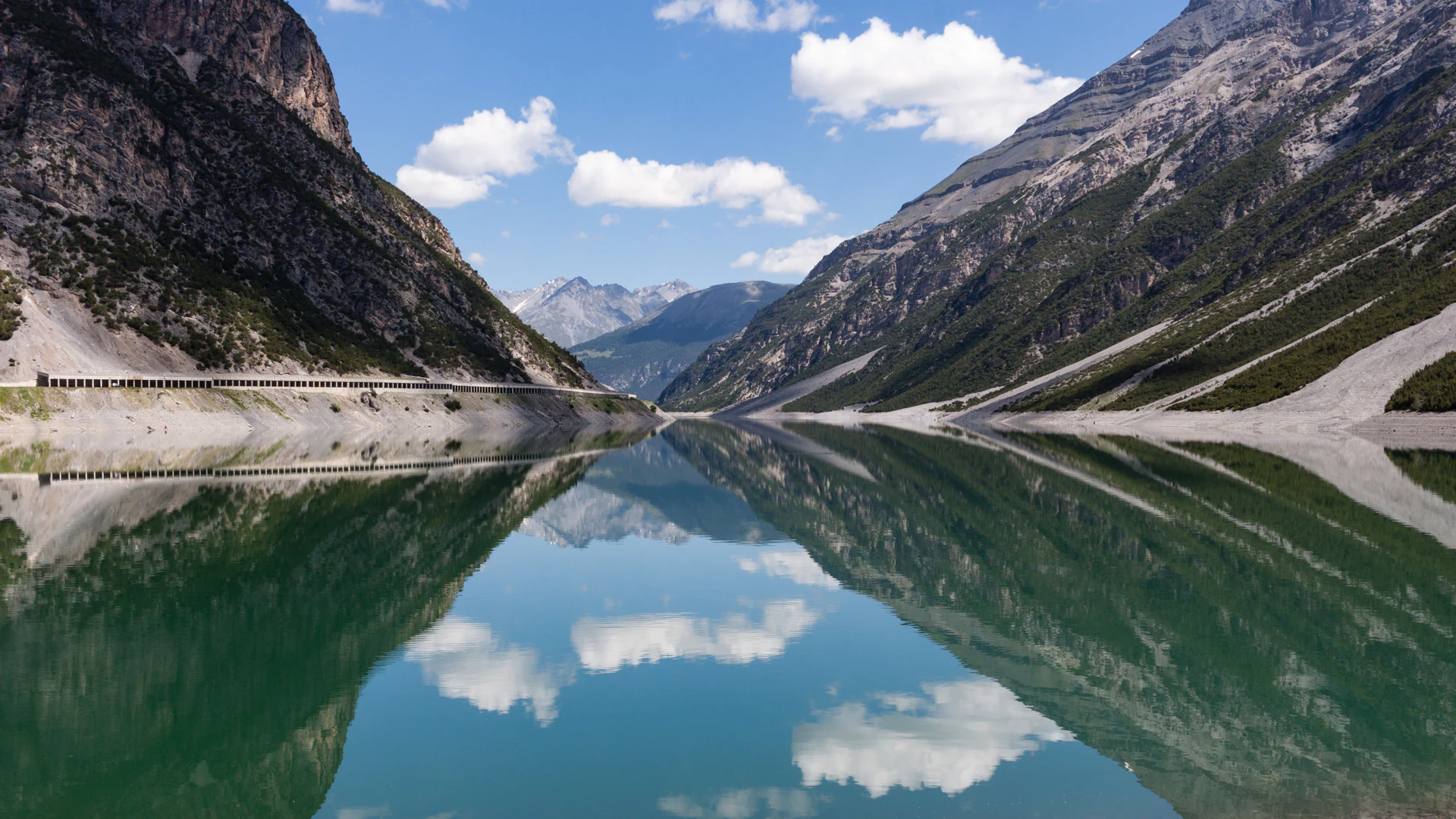
The landscape of Stelvio National Park is defined by its dramatic Alpine character, featuring a complex topography of valleys, ridges, peaks, and high-altitude terrain. The park protects an extensive territory where valley systems penetrate deep into the mountains, creating diverse microclimates and ecological conditions across relatively short distances. The elevation range from approximately 650 meters to 3,905 meters encompasses multiple distinct landscape zones, from forested valley bottoms through Alpine meadows to rocky summit regions. The terrain includes dramatic cliffs and rock faces that have preserved the recent dinosaur trackway discoveries, testament to the ancient geological history embedded in the park's岩石 formations. The landscape's visual character varies with season, from spring and summer Alpine meadows to winter snow coverage that transforms the high terrain into an extensive winter sports and wilderness zone.
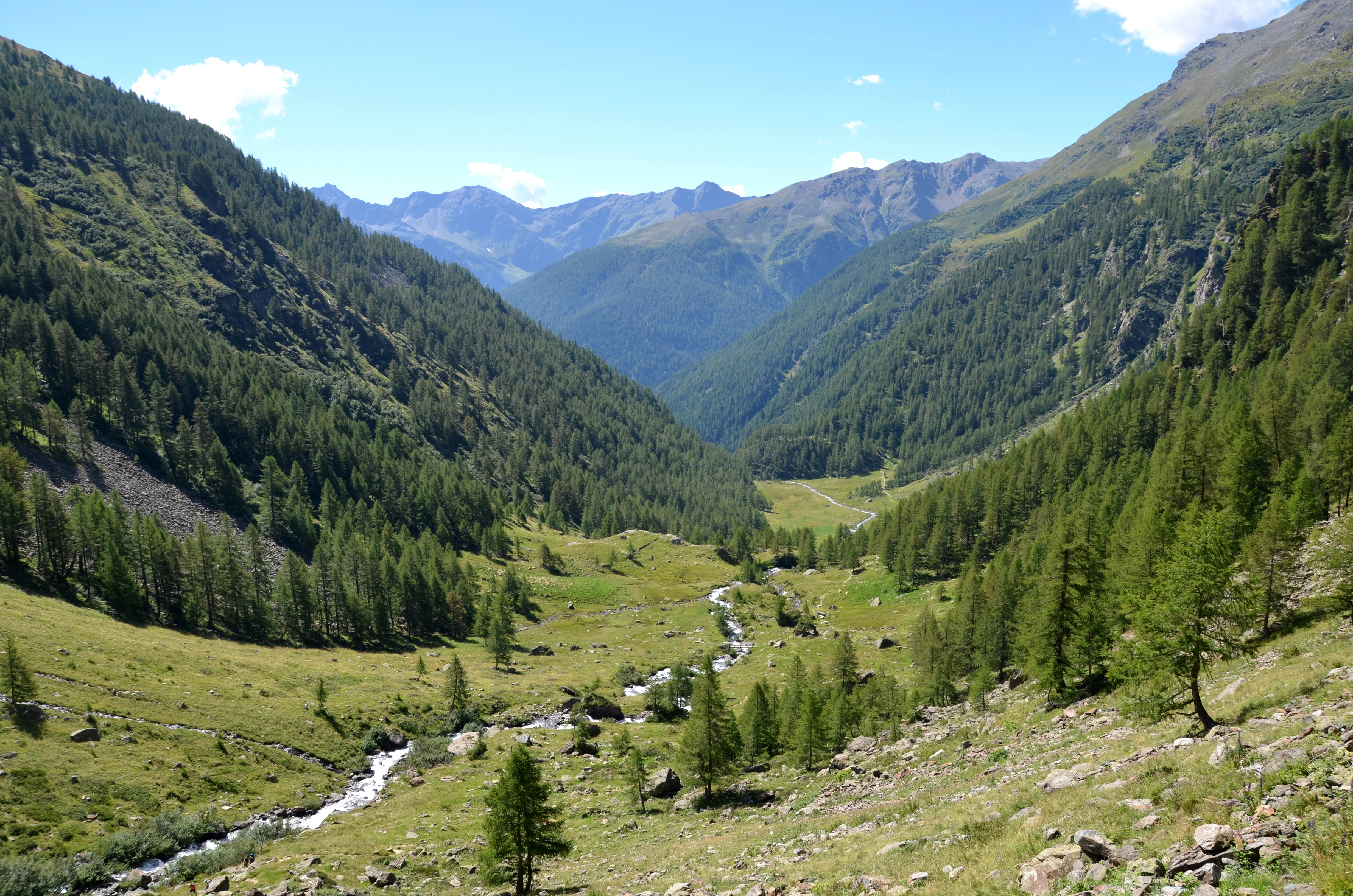
Stelvio National Park ecosystems, habitats, and plant life

The ecological character of Stelvio National Park reflects its remarkable altitudinal range and position within the Central Alps. The park protects a gradient of habitats that transitions from montane forest communities in the lower valleys through subalpine zones to Alpine meadows and ultimately to high-altitude rock and ice environments. This vertical zonation creates conditions for significant biodiversity, with different species assemblages adapted to each elevation band. The park's position within a larger complex of protected areas, including the Swiss National Park and Italian regional parks, contributes to landscape-scale conservation that enables wildlife movements across broader territories. The protection of this extensive Alpine landscape helps preserve ecological processes and species that depend on high-elevation habitats, making the park significant for conservation at both national and European scales.
Stelvio National Park wildlife and species highlights

Stelvio National Park provides habitat for Alpine wildlife adapted to the mountain environment's seasonal extremes and varied terrain. The park's diverse elevation range supports different species communities, from forest-dwelling species in the lower valleys to high-altitude specialists that thrive in the Alpine zone. The protected status of this extensive mountain landscape helps maintain corridors for wildlife movement, particularly important for species that require large territories or seasonal migration routes. The transboundary conservation context, with connections to the Swiss National Park and adjacent Italian parks, supports broader wildlife populations that depend on landscape-scale habitat connectivity. While specific species details would require more detailed source material, the park's Alpine setting supports characteristic mountain fauna including various bird species, Alpine mammals, and species adapted to the rugged high-elevation environment.
Stelvio National Park conservation status and protection priorities

Stelvio National Park contributes significantly to Italian and European Alpine conservation, protecting one of the country's largest and most ecologically diverse mountain protected areas. The park's designation as an IUCN Category II area reflects its primary purpose of protecting natural ecosystems while allowing for compatible visitor use and scientific study. Its integration within a larger transboundary complex that includes the Swiss National Park and adjacent Italian parks creates a conservation network spanning approximately 400,000 hectares, representing one of the most significant protected-area complexes in the Alps. The discovery of extensive Triassic dinosaur trackways near the park's Swiss border has added a new dimension to the park's conservation significance, highlighting its paleontological value and the importance of protecting these irreplaceable fossil resources. This recent finding demonstrates that the park preserves not only contemporary biodiversity but also significant geological and paleontological heritage.

Stelvio National Park cultural meaning and human context

Stelvio National Park occupies a region with deep historical ties to both Italian and Austrian cultural traditions, reflecting its position in a border area that underwent political changes following World War I. The park's bilingual naming in Italian and German reflects this heritage, with the Italian designation Parco nazionale dello Stelvio and the German Nationalpark Stilfserjoch both in official use. The territory encompasses 24 municipalities whose communities have maintained traditional relationships with the mountain landscape over generations. Alpine pastoral practices, valley settlements, and historical trade routes through the mountains all contribute to the cultural fabric of the park region. The landscape itself bears evidence of this human history, with trails, settlements, and land-use patterns that reflect centuries of interaction between local communities and the Alpine environment.
Top sights and standout views in Stelvio National Park

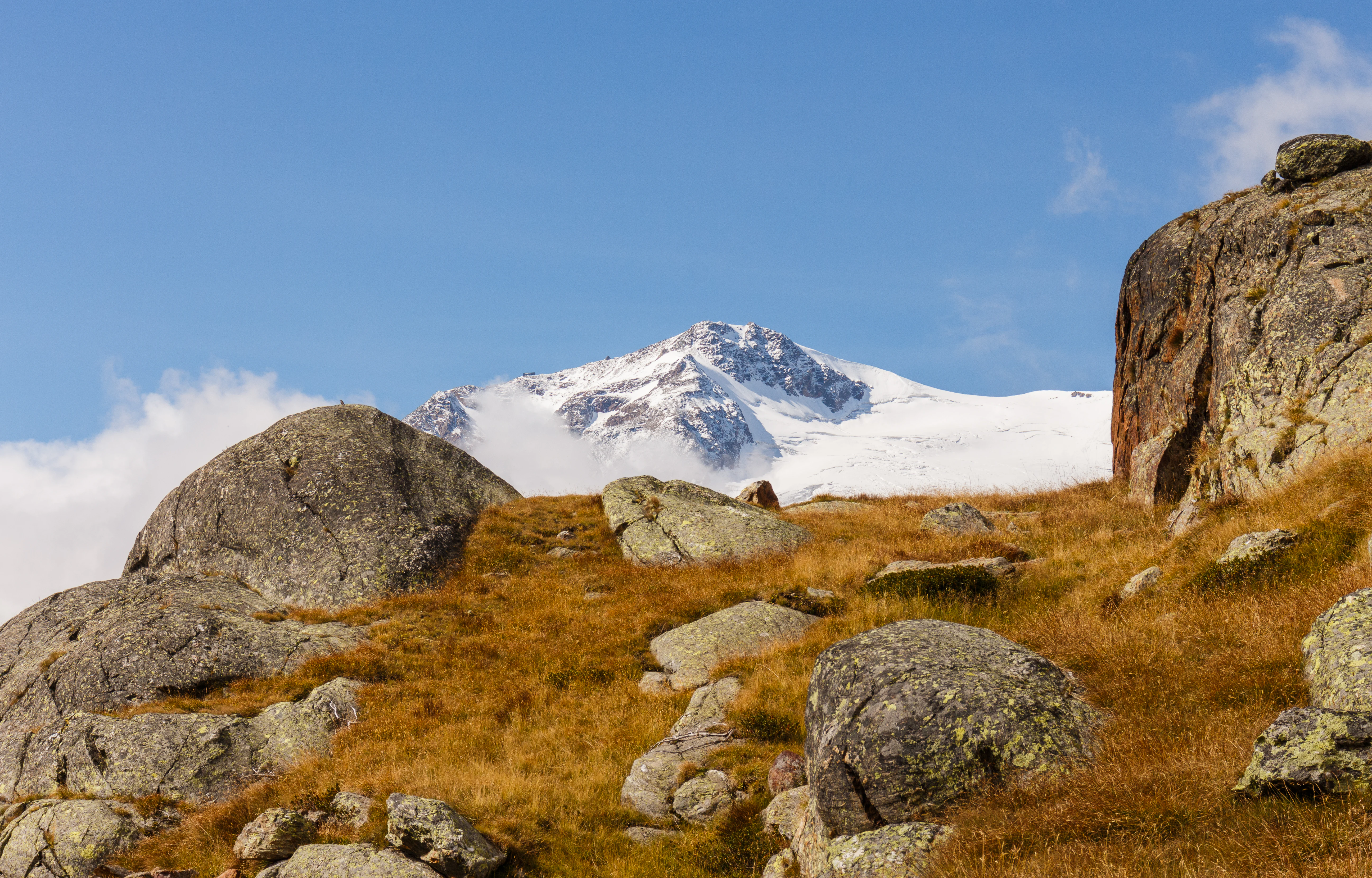
Stelvio National Park stands out for its combination of scale, ecological diversity, and transboundary conservation significance within the Alps. The park's extensive territory encompasses dramatic mountain terrain with remarkable elevational diversity, creating conditions for varied ecosystems and scenic landscapes. The recent discovery of approximately 20,000 Triassic dinosaur footprints near the Swiss border represents a paleontological find of international importance, adding remarkable scientific value to the park's already significant conservation credentials. The park's position connecting to the Swiss National Park and several Italian regional parks creates one of Europe's largest mountain conservation complexes, enabling landscape-scale ecological processes and wildlife movement across international boundaries. The intersection of Italian and Austrian cultural heritage in this border region adds historical depth to the natural landscape.
Best time to visit Stelvio National Park

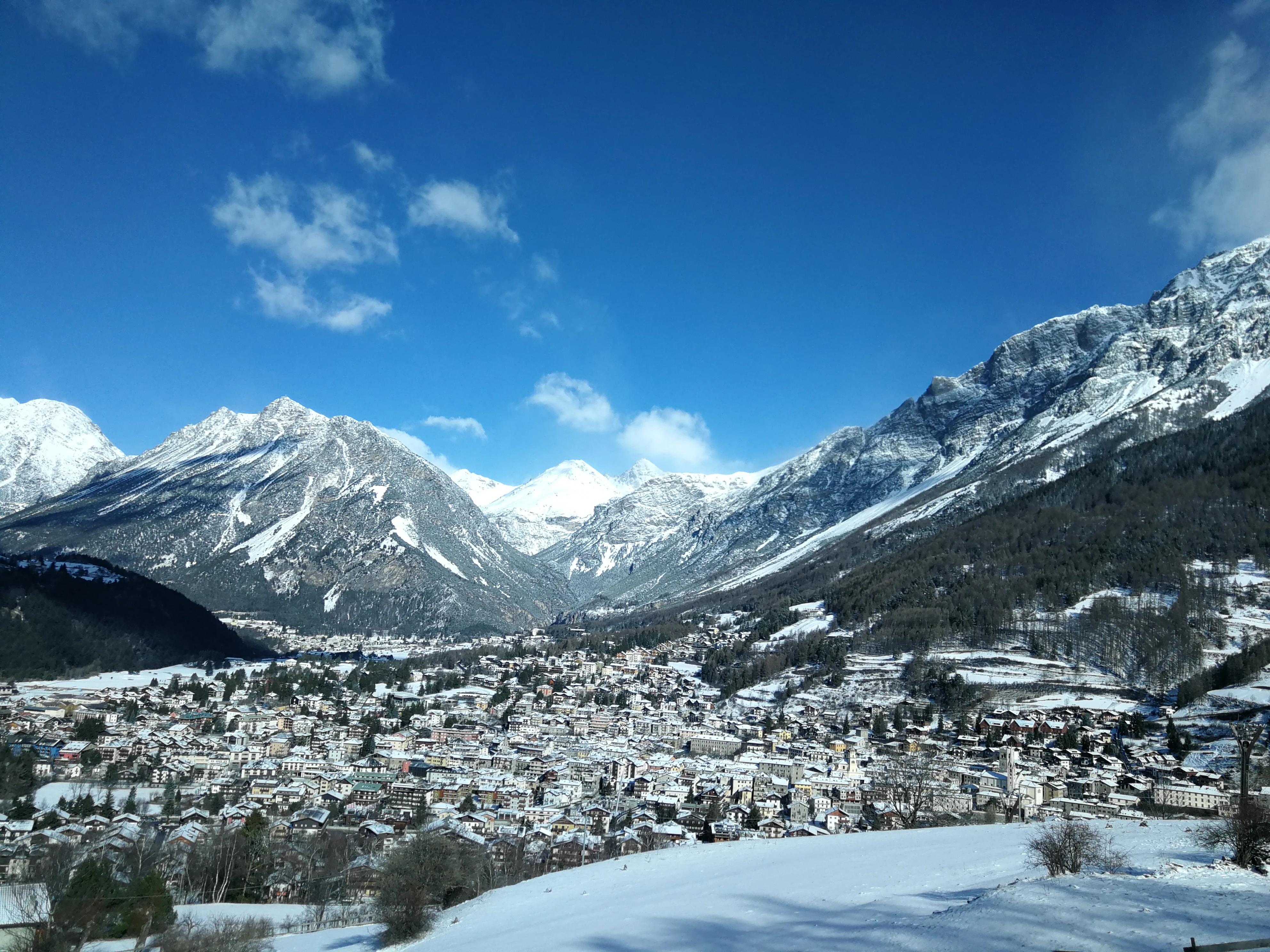
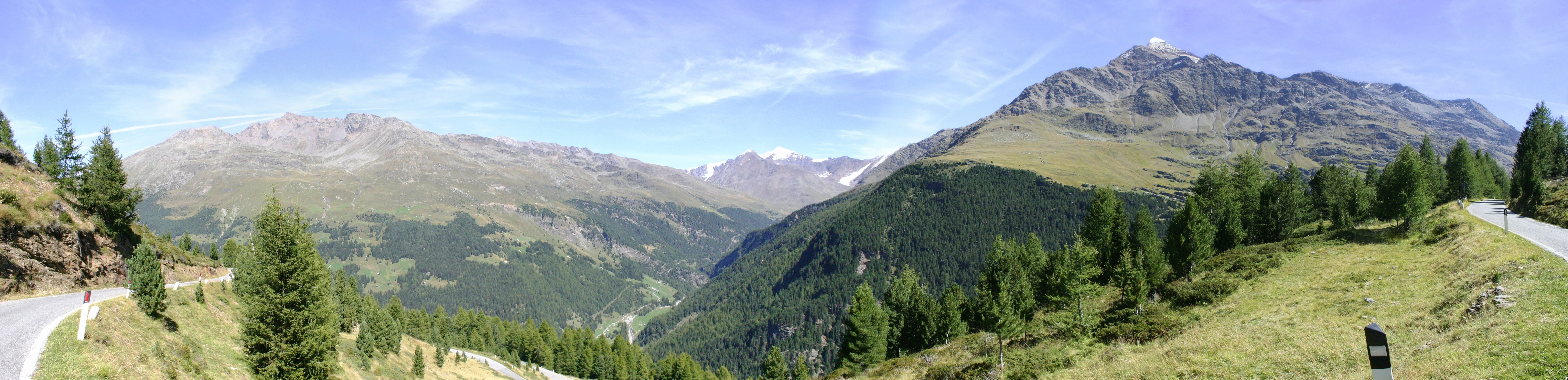
Stelvio National Park offers distinct seasonal experiences reflecting its Alpine setting and varied elevation range. The summer months typically bring the most accessible conditions for exploring valley trails and higher-elevation hiking routes, with Alpine meadows in bloom and generally stable weather. Autumn offers changing foliage colors in the forested zones and potentially fewer visitors, though conditions become increasingly variable as winter approaches. Winter transforms the park into an extensive snowy landscape suitable for winter sports, though high-elevation access may be limited by snow conditions and avalanche risk. The best time for any visit depends on specific interests and tolerance for different seasonal conditions, with each period offering distinct advantages for experiencing the park's varied landscapes.
Park location guide

Geography guide, regional context, and park location map for Stelvio National Park

Stelvio National Park park geography, regions, and map view in Italy
Understand where Stelvio National Park sits in Italy through a broader geographic reading of the surrounding landscape, nearby location context, and its mapped position within the national park landscape.

How Stelvio National Park fits into Italy

Italy is a unitary parliamentary republic in Southern and Western Europe, located on the Italian Peninsula with the Alps to the north. It borders France, Switzerland, Austria, Slovenia, Vatican City, and San Marino, and shares maritime boundaries with several Mediterranean countries. The country has approximately 59 million residents and uses the Euro as its currency.

Wider geography shaping Stelvio National Park in Italy

Italy occupies a boot-shaped peninsula in southern Europe, bordered by the Alps to the north. It shares land borders with France, Switzerland, Austria, Slovenia, Vatican City, and San Marino. The country includes the Mediterranean islands of Sicily and Sardinia, along with approximately 800 smaller islands.

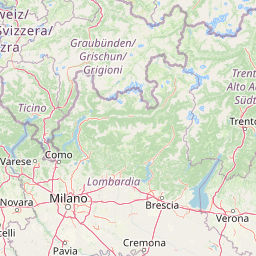
Map view of Stelvio National Park

Use this park location map to pinpoint Stelvio National Park in Italy, understand its exact geographic position, and read its mapped placement within the surrounding landscape more clearly.

Pigeon | © OpenStreetMap contributors

Location context for Stelvio National Park

LombardiaTrentino-Alto Adige/Südtirol
Park atlas

Compare diverse mountain terrain and conservation landscapes contiguous with Stelvio National Park and its wider Alpine region.

Discover Nearby National Parks and Alpine Protected Areas Surrounding Stelvio National Park
Browse an extended atlas of national parks and significant protected areas adjacent to Stelvio National Park, including a broader regional context of the Central Alps. This comparative overview helps map the interconnected protected landscapes and diverse mountain ecosystems spanning Italy and the wider Alpine transboundary region.
National parkProvince of Belluno

Dolomiti Bellunesi National Park: National Park, Province of Belluno Protected Landscape

Explore mapped boundaries and regional geography

This entry details Dolomiti Bellunesi National Park, a distinct national park situated within the Province of Belluno. It provides essential geographic context and protected landscape information, enabling users to understand the park's boundaries and its role within the regional terrain. Dive into the mapped features and discover the atlas-driven details of this significant Italian protected area.

Area
32 km²
Established
1988
IUCN
II
Relief
Mountain
Watercolor illustration showing green mountains, forests, a river, and snow-capped peaks in the distance
National parkPiedmont

Val Grande National Park: National Park Protected Landscape in Piedmont

Explore its mapped boundaries and regional geographic context.

Val Grande National Park represents a key protected landscape within the Piedmont region of northwest Italy. This canonical page offers detailed insights into the park's designated status as a national park, its specific geographic placement, and its mapped protected boundaries. Users can navigate its atlas-level details to understand its role in the regional geography and conservation landscape, providing a structured foundation for further discovery of Italy's natural protected areas.

Area
170.21 km²
Established
1992
IUCN
II
Relief
Mountain
National park

Hohe Tauern National Park: Map of Austria's Largest Alpine Protected Landscape

Discover glacial terrain and mountain park geography in the Austrian Alps.

Hohe Tauern National Park, Austria's largest protected area, offers a profound exploration of high alpine landscapes. This national park is defined by its towering peaks, expansive glacier systems, and deeply carved glacial valleys. Examining its mapped boundaries reveals the sheer scale of this protected alpine terrain, providing crucial context for understanding regional geography and the unique natural systems it preserves across the Central Eastern Alps.

Area
1,806 km²
Established
1981
IUCN
II
Relief
Mountain
Watercolor illustration showing mountain ranges, forests, and a river under a light sky.
National parkBavaria

Berchtesgaden National Park: Protected Landscape and Regional Geographic Context in Bavaria

Mapped natural terrain and protected area exploration.

Berchtesgaden National Park represents a crucial protected landscape situated in Bavaria, Germany. This entry provides detailed information focused on its protected area status, unique geographic setting, and mapped natural terrain. It serves as a gateway to understanding the park's specific identity within the regional atlas of Germany, offering insights into its boundaries and its significance as a curated natural landscape for discovery.

Area
210 km²
Established
1978
IUCN
II
Relief
Mountain
Watercolor painting of rolling green hills under a sunset sky with soft color transitions
National parkEmilia-Romagna

Appennino Tosco-Emiliano National Park: Explore Its National Park Boundaries and Geography

Discover the mapped landscape and regional context of this protected area.

Appennino Tosco-Emiliano National Park is a designated national park offering a rich area for geographic exploration. This MoriAtlas entry details the park's protected landscape, providing insights into its mapped boundaries and its contribution to the natural terrain of the Emilia-Romagna region. Understand its significance within the broader atlas of Italian protected areas, focusing on its unique geographic identity and landscape context.

Area
227.92 km²
Established
2001
IUCN
II
Relief
Mountain
Watercolor illustration of a river flowing through a forested valley with mountains in the background
National park

Triglav National Park: A Mapped Alpine Protected Landscape in Slovenia

Julian Alps geography, glacial lakes, and karst terrain.

Triglav National Park is Slovenia's premier protected area, covering 880 square kilometers of the Julian Alps. This page details its dramatic alpine geography, including Mount Triglav, glacial valleys, and significant karst features. Understand the mapped boundaries and landscape context of this national park, a key entry in the MoriAtlas geographic discovery resource for understanding protected lands.

Area
880 km²
Established
1981
IUCN
II
Visitors
1.6M annual
National parkLiguria

Cinque Terre National Park: Protected Area Geography and Mapped Landscape

Explore its regional context in Liguria, Italy.

Examine Cinque Terre National Park as a key protected area within the rugged geography of Italy's Liguria region. This dedicated atlas entry provides essential geographic context, detailing the park's mapped boundaries and its significance as a national park. Understand how this protected landscape fits within the broader regional terrain, offering a structured view for geographic discovery and map-based exploration of Italy's protected areas.

Area
22 km²
Established
1999
IUCN
V
Relief
Mountain
Watercolor illustration depicting green valleys, forests, and distant mountain peaks
National park

Gran Paradiso National Park: Italy's National Park Protected Landscape Atlas

Mapped boundaries and regional geography for a key Italian protected area.

Gran Paradiso National Park is a distinct national park entity within Italy, offering rich potential for atlas-driven geographic discovery. This MoriAtlas profile focuses on its protected landscape identity, providing essential context for understanding its mapped boundaries and its role within the regional geography of Italy. Explore the structured geographic details that make Gran Paradiso National Park a valuable component of any mapped landscape analysis.

Area
703 km²
Established
1922
IUCN
II
Relief
Mountain

Common questions about visiting, size, designation, and location context for Stelvio National Park

Stelvio National Park FAQs for park facts, access, geography, and protected area context
Find quick answers about Stelvio National Park, including protected-area facts, park geography, trail and visitor context, and how the park fits into its surrounding country and regional landscape.
MoriAtlas Explorer

Continue Your Protected Areas Search Across the Global Atlas

Deepen your exploration by continuing the structured search for national parks and protected areas worldwide. Utilize the comprehensive filtering capabilities to compare different conservation landscapes and refine your understanding of global park geography. Discover more about the distribution and characteristics of protected natural areas.

Global natural geography
Stelvio National Park National Park: Protected Area Map & Geography | MoriAtlas