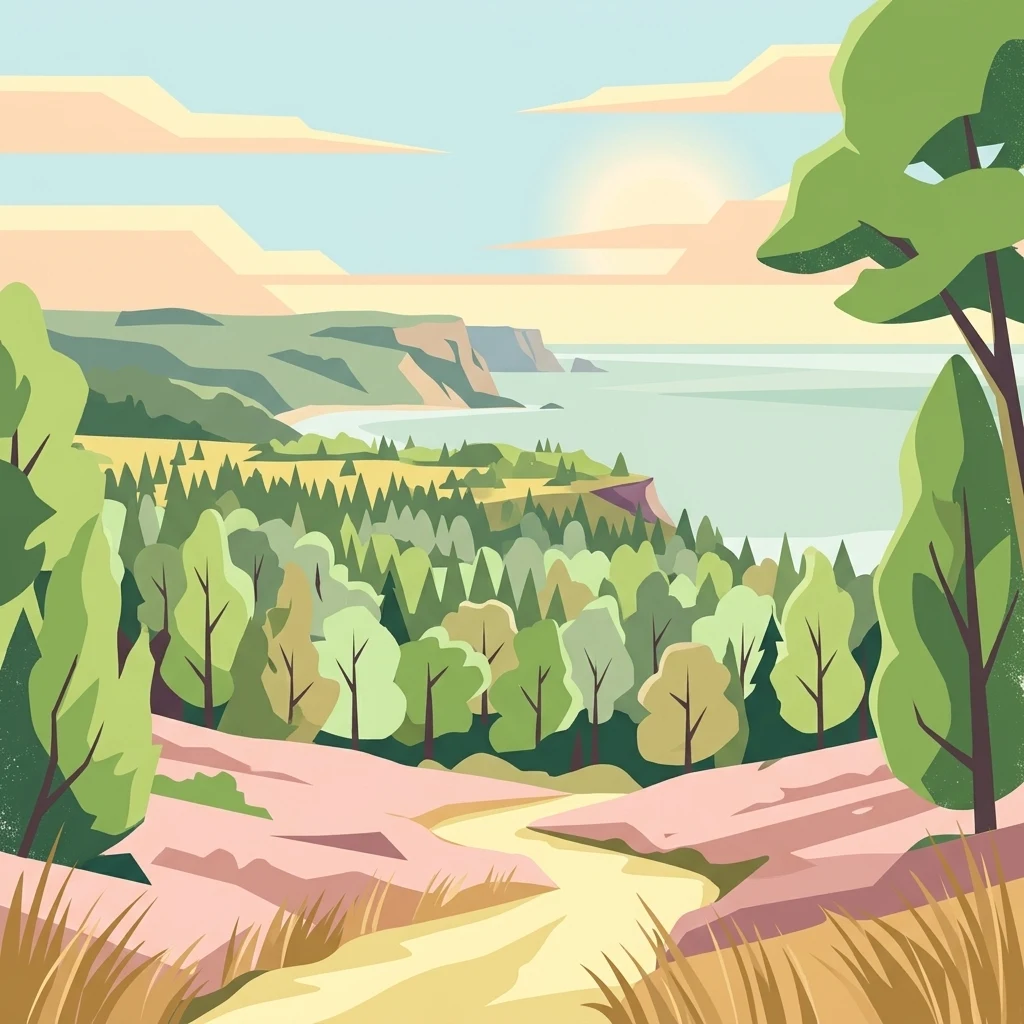

Why Stenshuvud National Park stands out
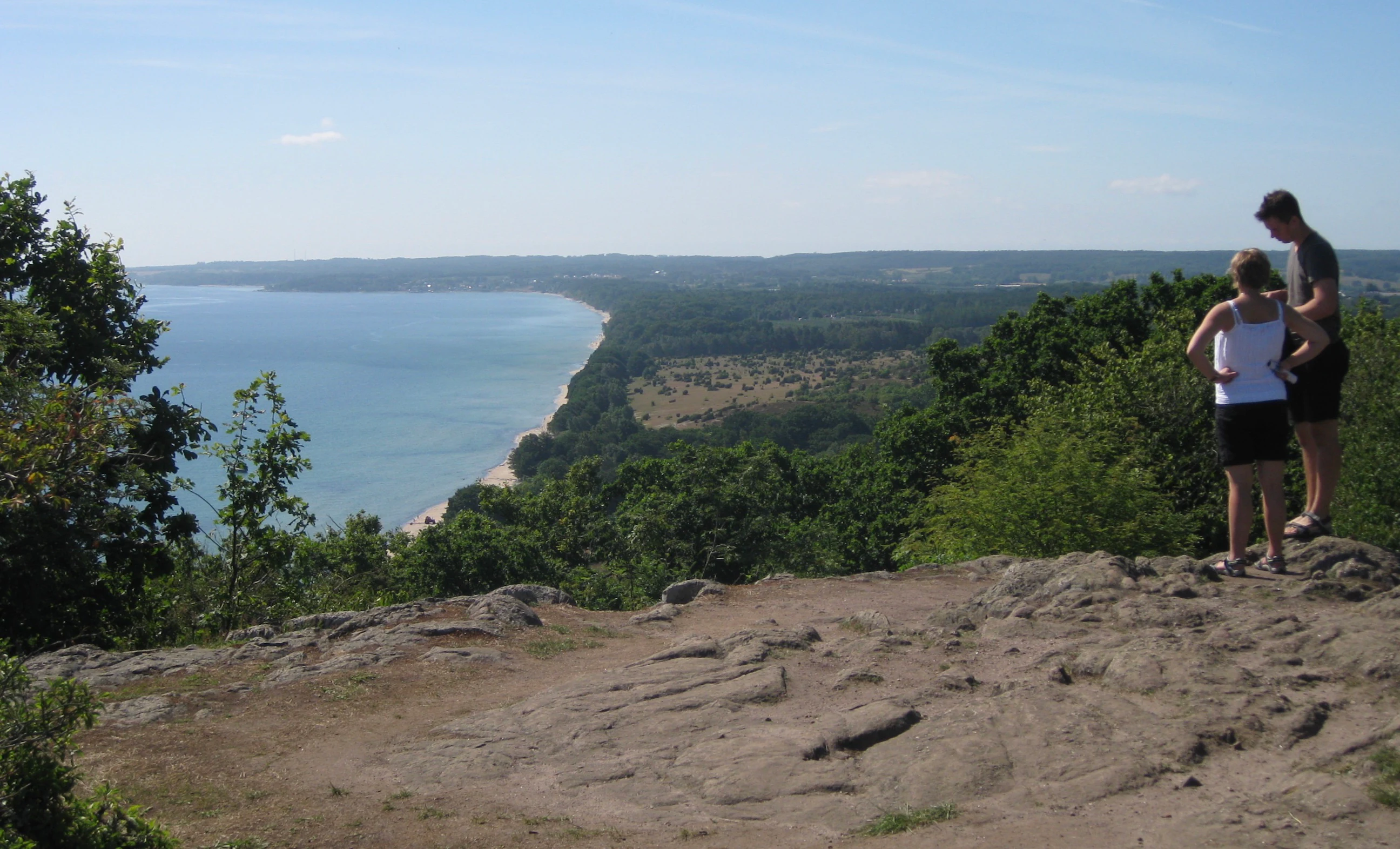
Stenshuvud is best known for its distinctive hilltop setting that provides sweeping views across the Baltic Sea, making it one of Scania's most recognizable natural landmarks. The park protects a remarkable diversity of habitats in a small area, supporting over 600 vascular plant species including several orchid varieties and the rare barren strawberry. The protected area is notable for containing species typically found much further south in Europe, including the hazel dormouse, European tree frog, and agile frog. The combination of broadleaf forest dominated by hornbeam and beech, open heathland with juniper, and coastal proximity creates an unusual ecological character for a Swedish national park. The hill also holds archaeological significance with Iron Age fortress ruins and rich local folklore about giants.
Stenshuvud National Park history and protected-area timeline
Stenshuvud has served as a significant landmark in the Scanian landscape for centuries, with its prominence making it an important navigation point for sailors along the Baltic coast. The hill's name derives from the Swedish term for a large stone, reflecting the massive rocky outcrop that forms its summit. According to local folklore, the hill was named after a giant called Sten (or Stenhogubben) who was said to live inside the mountain with his family and livestock, entering through a cave called Giddastuan. Numerous folk tales describe the giant's activities and misdeeds in the surrounding area. Near the summit, archaeological remains attest to the site's ancient significance - the ruins of a fortified settlement from the Younger Iron Age (5th or 6th century CE) sit on the hilltop, indicating that the location was used for defensive purposes over a thousand years ago. Historical records note that Carl Linnaeus, the famous Swedish botanist, passed through Stenshuvud on May 31, 1749, documenting the hill as a useful landmark for seafarers in his travel journal. The area remained in traditional agricultural use through the centuries, with the landscape shaped by grazing and woodland management. In 1986, Stenshuvud was formally protected as Sweden's twenty-sixth national park, recognizing both its natural values and cultural significance. The park is now managed by Naturvårdsverket (the Swedish Environmental Protection Agency), which maintains the trail network and visitor facilities including the naturum information center.
Stenshuvud National Park landscape and geographic character
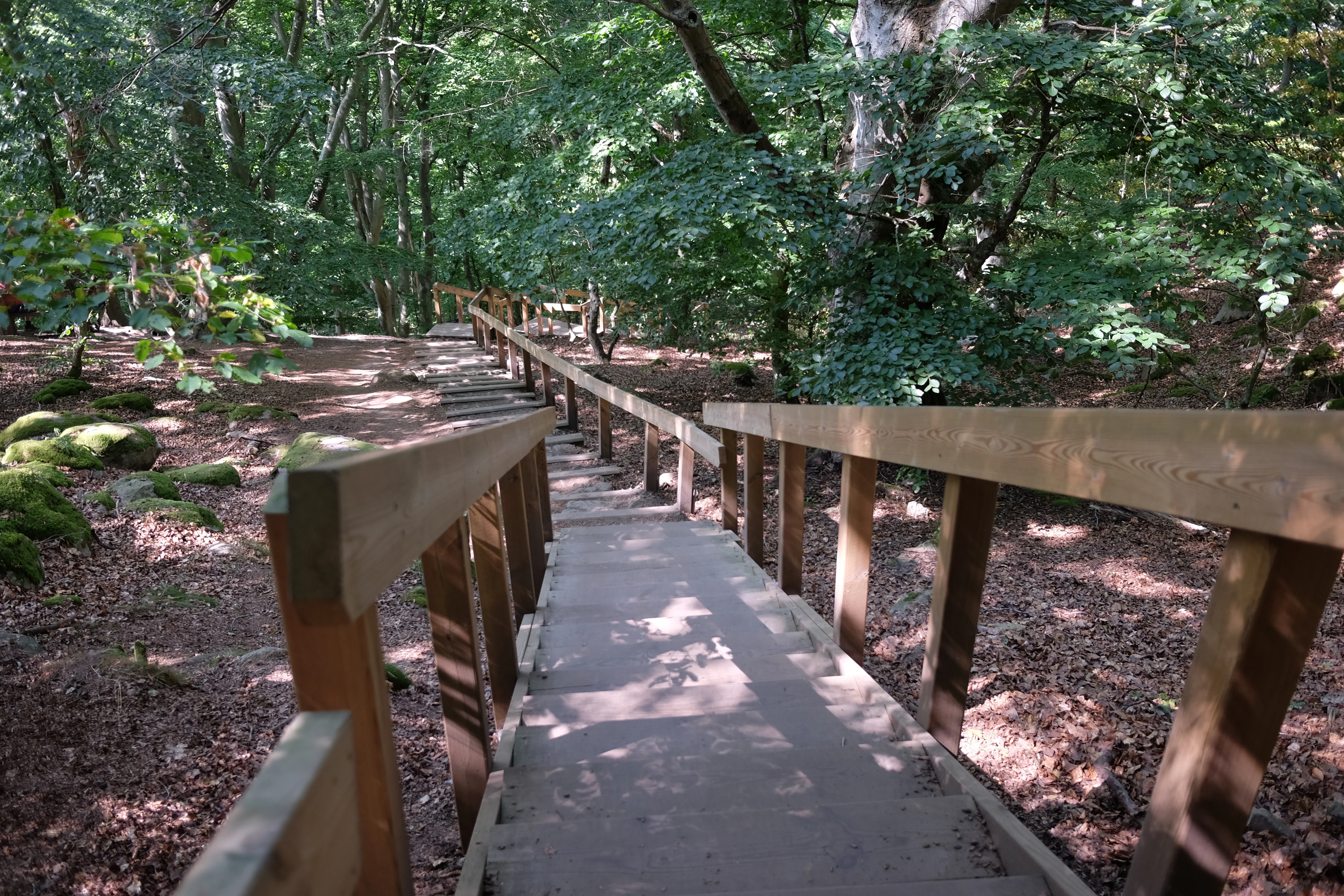
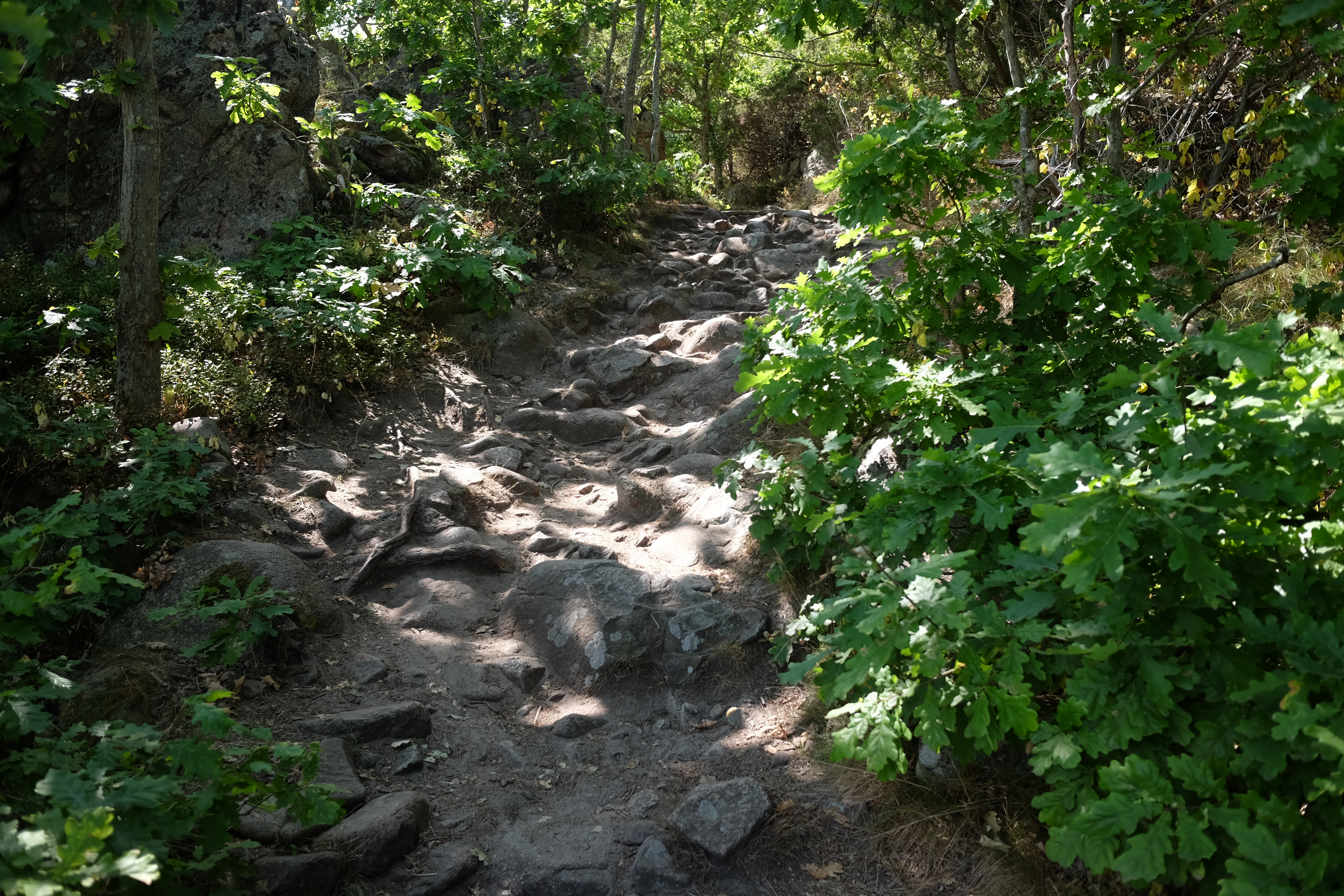
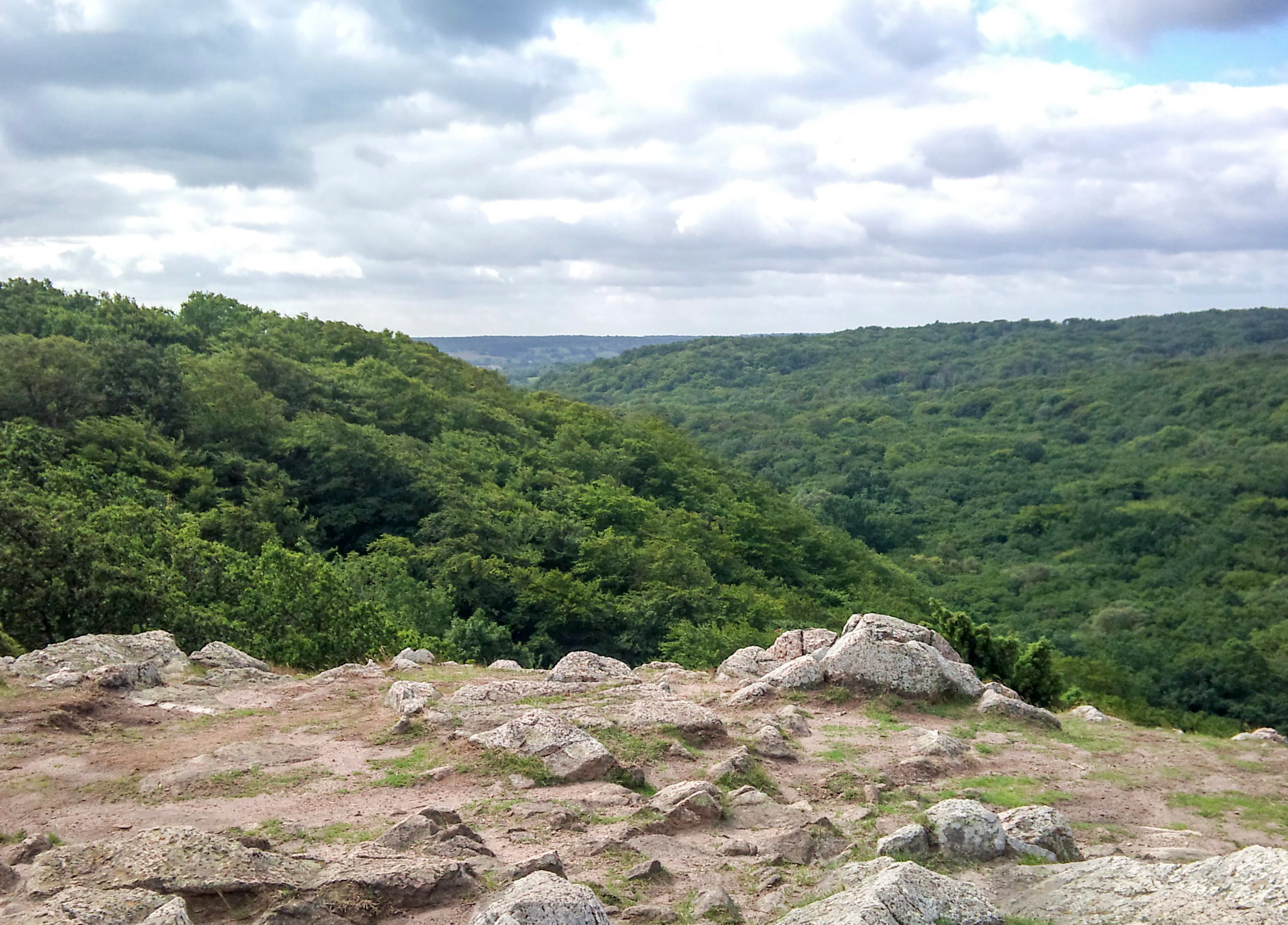
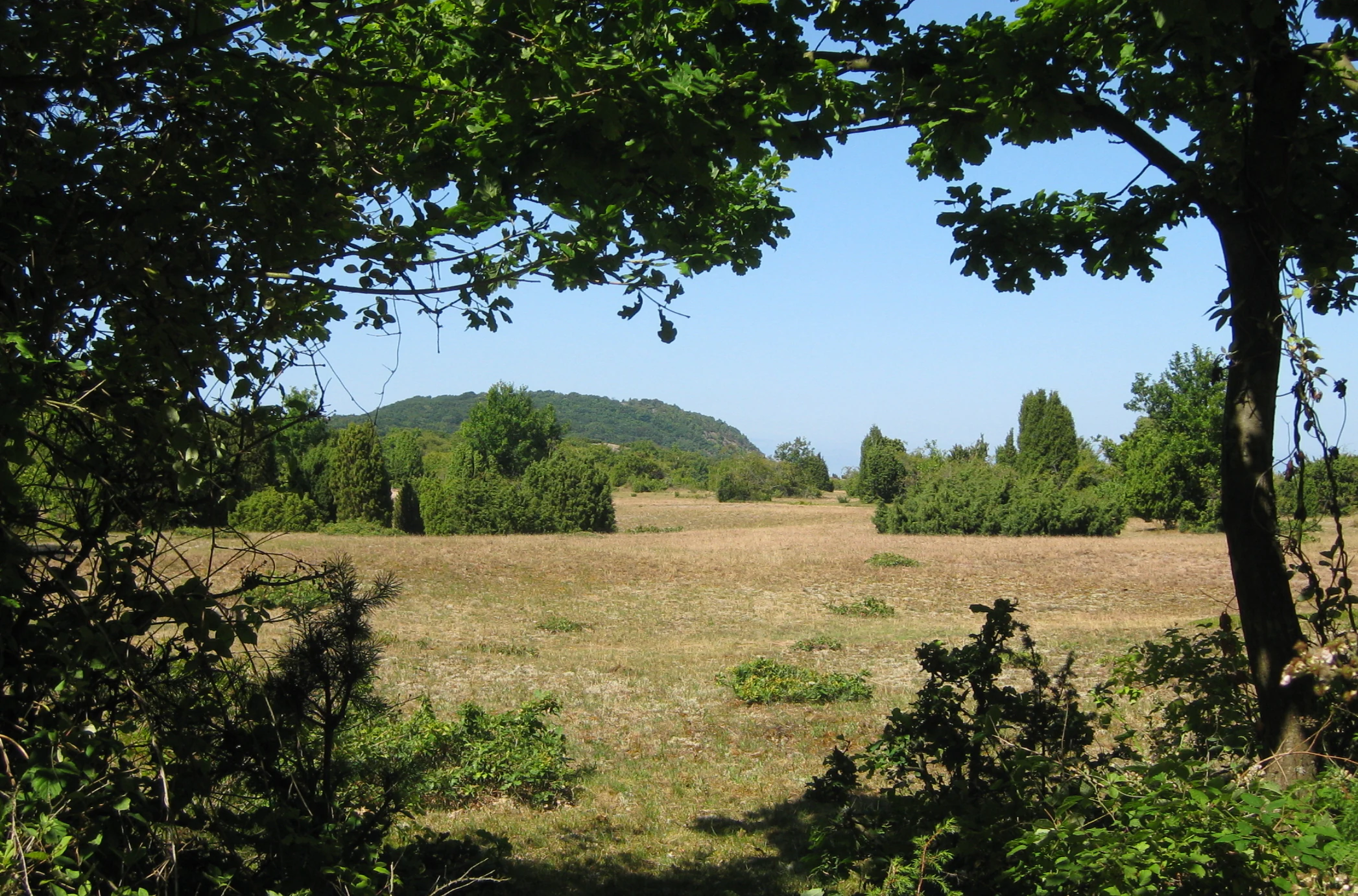
The defining landscape feature of Stenshuvud National Park is the prominent hill itself, which rises abruptly from the flat coastal plain to create a dramatic headland meeting the Baltic Sea. At 97 meters above sea level, the hill represents the highest point in the immediate vicinity and forms the steep eastern termination of the Linderödsåsen ridge system. The hill's western slopes descend more gently toward the interior, while the eastern face drops more sharply toward the sea, creating varied terrain within the small park boundaries. The summit offers extensive views both inland across the Scanian farmland and seaward across the Baltic, making it a popular destination for visitors seeking panoramic perspectives. Below the hill, a sandy beach provides recreational swimming opportunities along the coast. The park contains a diversity of terrain within its boundaries - forested slopes, rocky summits, open heath areas, meadow grasslands, and wetland depressions. The forest is predominantly broadleaf deciduous, with European hornbeam forming the dominant canopy species in many areas, accompanied by beech in the more fertile locations. The southern portions of the park feature more exposed heathland on sandy soils, where juniper grows in scattered clumps among heather and dry-meadow vegetation. Stone-covered hiking trails ascend from the base to the summit, winding through the various habitat types.
Stenshuvud National Park ecosystems, habitats, and plant life
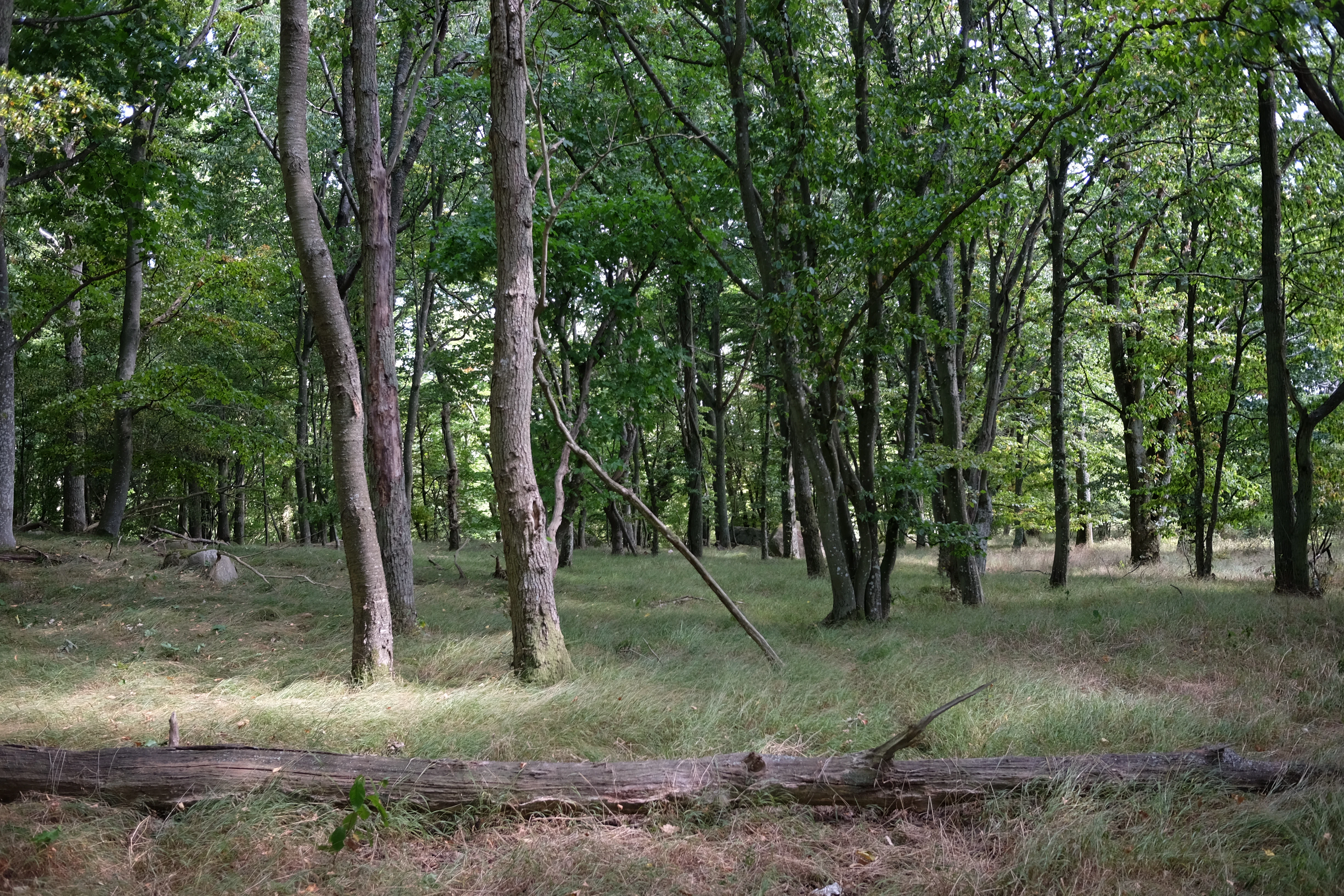
The ecological character of Stenshuvud is defined by the combination of mild southern Swedish climate, diverse habitat types, and the park's position along the Baltic coast. Broadleaf deciduous forest covers the majority of the park area, with European hornbeam as the dominant tree species, creating woodlands that are more typical of central Europe than of Scandinavia. The forest structure supports a rich understory of herbs and shrubs, and in spring the beech forests are carpeted with white and yellow anemones. The park supports approximately 600 vascular plant species, a remarkable diversity for such a small area, including several species of orchids. The rare barren strawberry (a type of potentilla) is among the notable plant records. The habitat mosaic includes open heathland in the southern section, where sandy soils support dry-adapted species including sand sedge, bristle grass, heather, and wild thyme. Meadows and swampy areas add further ecological variety. The mild climate allows species at the northern edge of their range to thrive here, including many that are uncommon or absent elsewhere in Sweden. The park's position along the coast also influences its ecological character, with maritime influences affecting species composition.
Stenshuvud National Park wildlife and species highlights
Stenshuvud National Park supports an unusual collection of wildlife for Sweden, with several species present that are more typical of southern Europe and are rare or absent in other parts of the country. The hazel dormouse is one of the park's notable mammalian species, a small rodent that is near the northern limit of its range here. The park also provides habitat for the European tree frog and the agile frog, two amphibian species that reach the northern edge of their distribution in Scania. Birdlife is diverse, with the Eurasian golden oriole among the more distinctive species recorded. The nightingale's song is mentioned as a characteristic sound of the park during breeding season. The varied habitats - forest, heath, meadow, and wetland - support a range of bird species appropriate to each habitat type. The combination of broadleaf forest, open heathland, and proximity to the Baltic Sea creates conditions suitable for a mix of species that would not be found together in more northerly or more homogeneous Swedish landscapes. The park's small size and diverse habitats allow for ecological interactions within a compact area.
Stenshuvud National Park conservation status and protection priorities
Stenshuvud National Park represents an important conservation designation for the distinctive broadleaf forest ecosystems and southern Swedish coastal habitats found in Scania. The park protects one of the few areas in Sweden where hornbeam-dominated woodland forms a significant component of the forest, a habitat type that is more common in central Europe but rare in the Nordic countries. The high plant species richness, with over 600 vascular plant species in a small area, reflects both the mild climate and the diversity of habitats preserved within the park boundaries. The presence of species at the edge of their northern range, including several amphibians and the hazel dormouse, gives the park significance for biodiversity conservation beyond its local context. The park also preserves archaeological heritage with the Iron Age fortress remains, representing a combination of natural and cultural conservation values. As one of Sweden's national parks managed by the Environmental Protection Agency, Stenshuvud receives formal protection under Swedish environmental law, with management focused on maintaining natural processes while providing opportunities for public enjoyment and environmental education.
Stenshuvud National Park cultural meaning and human context
The Stenshuvud area carries significant cultural heritage that extends beyond its natural values. The hill has been an important landmark in the regional landscape for centuries, serving as a navigation point for sailors along the Baltic coast - a function reflected in the documented history of the site being noted as a useful landfall for maritime traffic. The hilltop contains archaeological evidence of human use dating to the Younger Iron Age, with the remains of a fortified settlement indicating the site's strategic importance over a thousand years ago. Local folklore adds another layer of cultural significance, with legends describing a giant called Sten (or Stenhogubben) who was said to inhabit the mountain. This oral tradition has given the hill its name and connected the landscape to the region's storytelling heritage. The visit by Carl Linnaeus in 1749, documented in his travel journal, demonstrates the hill's historical prominence as a site of scientific and descriptive interest. The park's position in Scania, Sweden's historically Danish-influenced southern province, also gives the area a distinct cultural identity within the Swedish context.
Top sights and standout views in Stenshuvud National Park
Stenshuvud National Park offers a compact but varied experience centered on a prominent hill with panoramic views across the Baltic Sea. The park's broadleaf forests, dominated by hornbeam and beech, create an atypical Swedish landscape more reminiscent of central European woodlands. Spring brings spectacular wildflower displays in the forest understory, while the southern heathlands support heather and juniper on sandy soils. The hilltop provides sweeping views on clear days, and the coastal location means visitors can combine forest exploration with beach recreation at the sandy shore below. The Skåneleden hiking trail passes through the park, offering marked routes through the diverse terrain. A naturum visitor center provides interpretive information about the park's natural and cultural features. The combination of rare southern species, archaeological remains, and local legends adds depth to the visitor experience beyond simple scenic appreciation.
Best time to visit Stenshuvud National Park
Stenshuvud can be enjoyed throughout the year, though different seasons offer distinct experiences. Spring, particularly May and early June, brings the most spectacular wildflower displays as the forest floor blooms with white and yellow anemones beneath the fresh beech leaf canopy. This is also when birdlife is most active, with singing nightingales and other breeding birds making the forest alive with sound. Summer offers warm weather suitable for combining forest walks with beach visits at the shore below the hill, though this is also the peak visitation period. Autumn provides another season of interest as the deciduous forest takes on fall colors, and the relative quiet after summer's crowds allows for a more contemplative experience. The hilltop view is rewarding in any season, though winter visits are less common due to shorter days and potentially inclement weather. The mild Scanian climate means the park is accessible for much of the year, though visitor facilities may have more limited hours outside the summer season.