Why Tarbagatai National Park stands out
Tarbagatai National Park is distinguished by its protection of wild fruit tree forests that have remained genetically isolated from commercial orchard varieties. These ancient stands represent a living repository of fruit tree genetics that predates modern agricultural cultivation, offering researchers and conservationists valuable insight into the evolutionary history and natural diversity of fruit-bearing species. The park's mountain-steppe character, spanning the Tarbagatai ridge and surrounding mountain systems, creates a unique transitional ecosystem where forest, steppe, and alpine environments meet, supporting the remarkable species diversity that defines this protected landscape.
Tarbagatai National Park history and protected-area timeline
Tarbagatai National Park was officially established on June 27, 2018, representing a relatively recent addition to Kazakhstan's protected area network. The creation of the park was driven by recognition of the ecological significance of the Tarbagatai mountain region, particularly its wild fruit tree forests that had remained genetically isolated from cultivated varieties. Prior to national park status, the area existed within a broader framework of regional environmental protection but lacked the dedicated institutional structure and dedicated conservation mandate that national park designation provides. The park now operates under the administration of the Ministry of Agriculture of the Republic of Kazakhstan, which manages its conservation objectives, research activities, and ongoing protection of the region's biodiversity.
Tarbagatai National Park landscape and geographic character
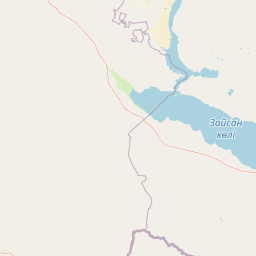
The Tarbagatai landscape is defined by the mountain range after which the park is named, a ridge that runs approximately 250 kilometers in a west-to-east orientation beginning roughly 70 kilometers southeast of the regional center of Ayagoz. The main body of the park occupies the southern slopes of this ridge, where the terrain transitions from steppe grasslands at lower elevations through forested slopes to alpine zones at higher elevations. Beyond the central Tarbagatai range, the park also encompasses portions of the Karabas Mountains and Arkaly Mountains, adding topographic diversity to the protected landscape. The Urzhar and Emel rivers have carved valleys through the mountainous terrain, creating riparian corridors that add ecological variety and serve as important water sources for both wildlife and the surrounding landscape.
Tarbagatai National Park ecosystems, habitats, and plant life
The Tarbagatai region supports an ecosystem of remarkable botanical diversity, with over 1,600 species of vascular plants documented within the park boundaries. The most distinctive ecological feature is the presence of wild fruit tree stands that have evolved in isolation from commercial agricultural varieties, representing genetic lineages that predate modern horticulture. These forests occupy a transitional zone between the steppe environments of the broader region and the higher-elevation forest communities, creating a unique habitat mosaic. The humid continental climate with its warm summer period supports productive vegetation growth, while the seasonal temperature variation creates the conditions for diverse plant communities adapted to these cyclical changes.
Tarbagatai National Park wildlife and species highlights
Tarbagatai National Park supports impressive vertebrate diversity, with documented populations including 270 bird species, 80 mammal species, 23 reptile species, and 19 fish species. This wealth of wildlife reflects the diverse habitats present within the park, from steppe grasslands to forested slopes and riparian corridors. The bird species community includes both resident species and migratory visitors that utilize the park as a seasonal habitat. The mammalian fauna represents the typical Central Asian mountain-steppe assemblage, while the fish populations in the Urzhar and Emel rivers sustain aquatic food webs within the park's boundaries.
Tarbagatai National Park conservation status and protection priorities
The establishment of Tarbagatai National Park addresses significant conservation priorities in eastern Kazakhstan. The protection of genetically isolated wild fruit tree forests represents a conservation objective of particular importance, as these populations contain genetic material that could prove valuable for agricultural research, breeding programs, and understanding of fruit tree evolution. The park's designation as an IUCN Category II protected area places it within the international framework of national parks that emphasize ecosystem protection and biodiversity preservation while allowing for limited human use consistent with conservation objectives. Beyond the wild fruit trees, the broader protection of the Tarbagatai mountain-steppe ecosystem preserves habitats for the hundreds of plant and animal species documented within the park.
Tarbagatai National Park cultural meaning and human context
The park is situated within the East Kazakhstan Region, an area with deep cultural connections to the Kazakh steppe traditions and pastoral heritage. The name Tarbagatai derives from the Kazakh language, reflecting the indigenous identity of the region. The town of Urzhar serves as the nearest population center to the park and represents the local communities whose relationship with this landscape predates its national park designation. The mountain-steppe environment has supported traditional land use patterns including pastoral activities, though the national park status now governs the relationship between human communities and the protected ecosystem.
Top sights and standout views in Tarbagatai National Park
The wild fruit tree forests of Tarbagatai represent the park's most significant conservation feature, offering genetic isolation that distinguishes these populations from commercial orchards across the region. The 250-kilometer Tarbagatai mountain range provides a dramatic backdrop for the protected landscape, while the diversity of habitats from steppe to alpine zones supports the extraordinary species counts that make this park notable within Kazakhstan's protected area network. The park's establishment in 2018 reflects contemporary conservation priorities and positions this mountain-steppe ecosystem as a priorities for ongoing protection.
Best time to visit Tarbagatai National Park
The summer months offer the warmest conditions for visiting Tarbagatai National Park, with the humid continental climate providing pleasant conditions for exploration of the mountain landscapes. The warm summer period, defined by at least four months averaging above 10°C, creates ideal conditions for viewing the park's diverse flora in full growth. The seasonal variation in temperature means that each season offers a distinctly different experience of the landscape, with spring and autumn providing transitional conditions that showcase the changing character of the mountain-steppe environment.