
Why Tomorr Mountain National Park stands out
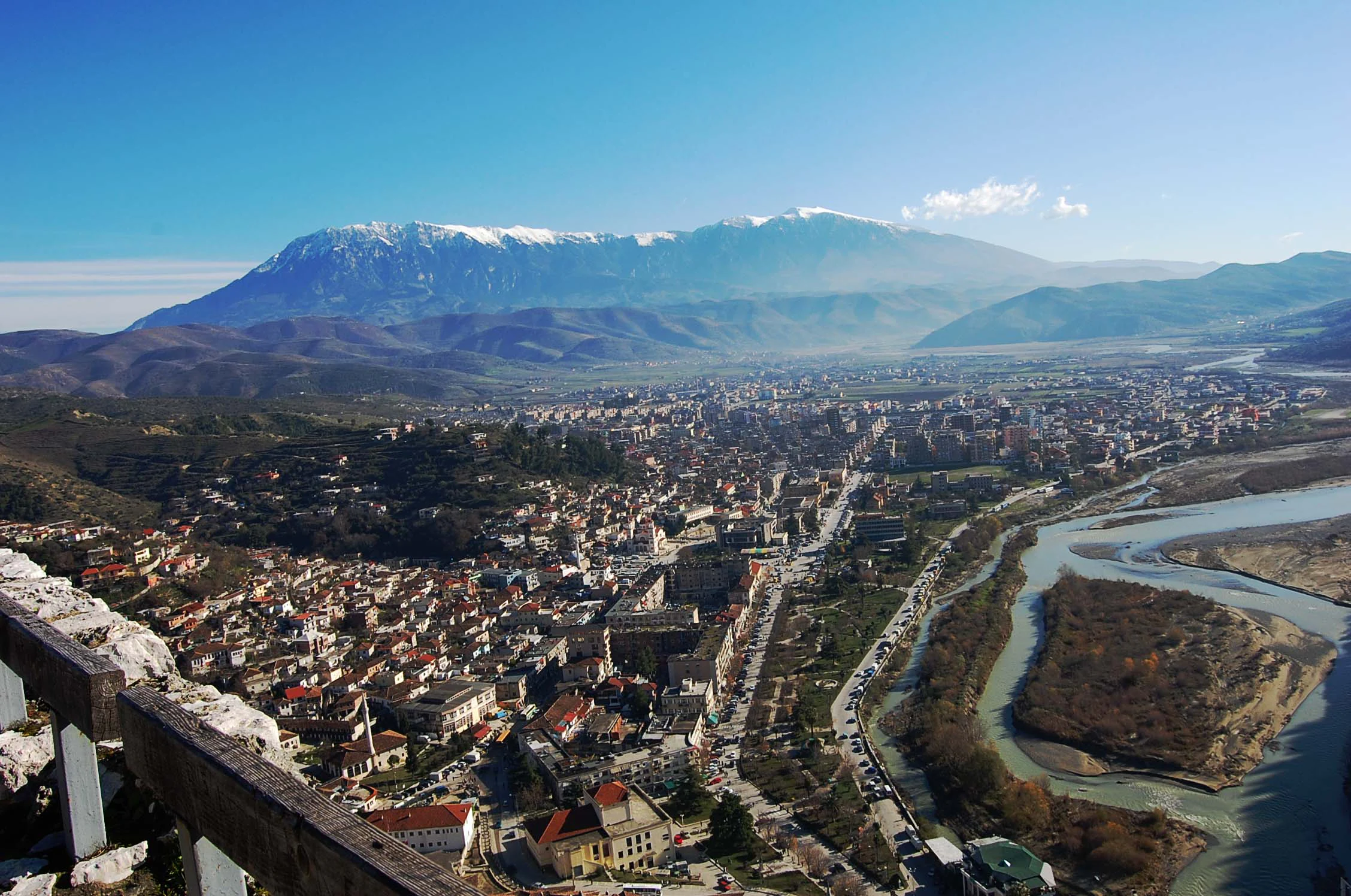
Tomorr Mountain National Park is best known for its imposing limestone and karst mountain landscape dominated by Mount Tomorr, a sacred peak that rises dramatically between the Osum River valley and the Tomorrica valley near the historic city of Berat. The park is distinguished by its dramatic Osum Canyon, where the Osum River has carved a spectacular gorge through the karst terrain. The combination of high-altitude biodiversity, the presence of old-growth forests with species such as European beech and Bosnian pine, and the mountain's dual religious significance as both a Christian pilgrimage site and a Bektaşi sacred place gives this park a unique identity within Albania's protected area network.
Tomorr Mountain National Park history and protected-area timeline
Tomorr Mountain National Park was established in 1956, making it one of Albania's older protected areas established during the communist period. The park was created to protect the significant natural values of the Tomorr mountain region, which had long been recognized for its ecological importance and dramatic landscapes.
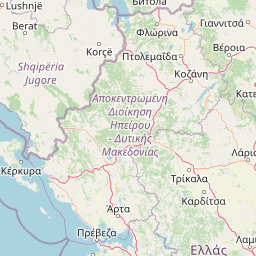
In 2012, the park underwent a significant expansion that increased its protected territory to better reflect the ecological connectivity of the Tomorr ecosystem. The park's area was formally designated at 27,185.5 hectares through this expansion, with the boundary adjustments intended to incorporate important habitats and ensure more effective conservation of the mountain's biodiversity. Additional adjustments in 2019 expanded the park to include former quarry areas.
The park is now managed by Albania's National Agency of Protected Areas, which oversees conservation activities, visitor management, and protection enforcement within the park boundaries. The establishment of the park provided formal protection for a landscape that had long been valued locally for both its natural beauty and religious significance.
Tomorr Mountain National Park landscape and geographic character
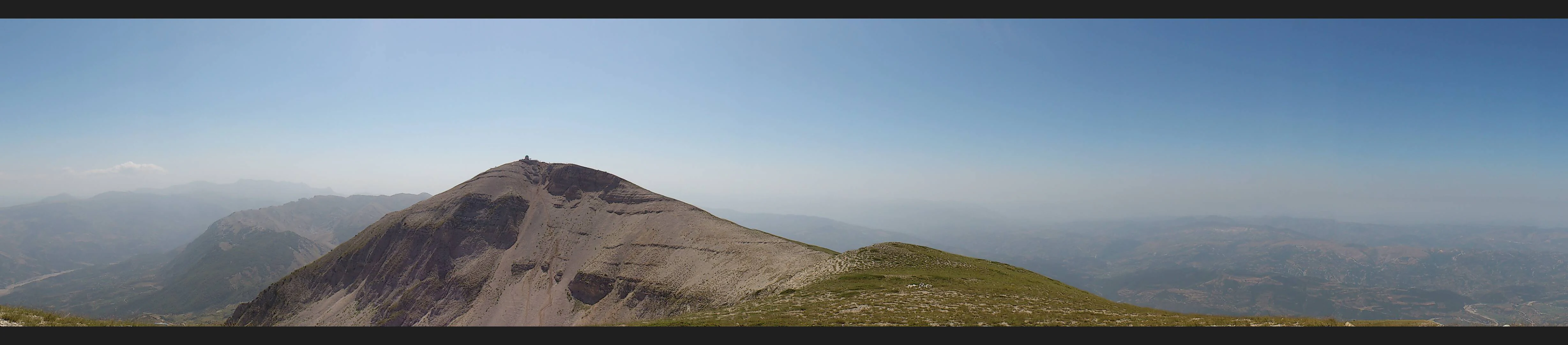
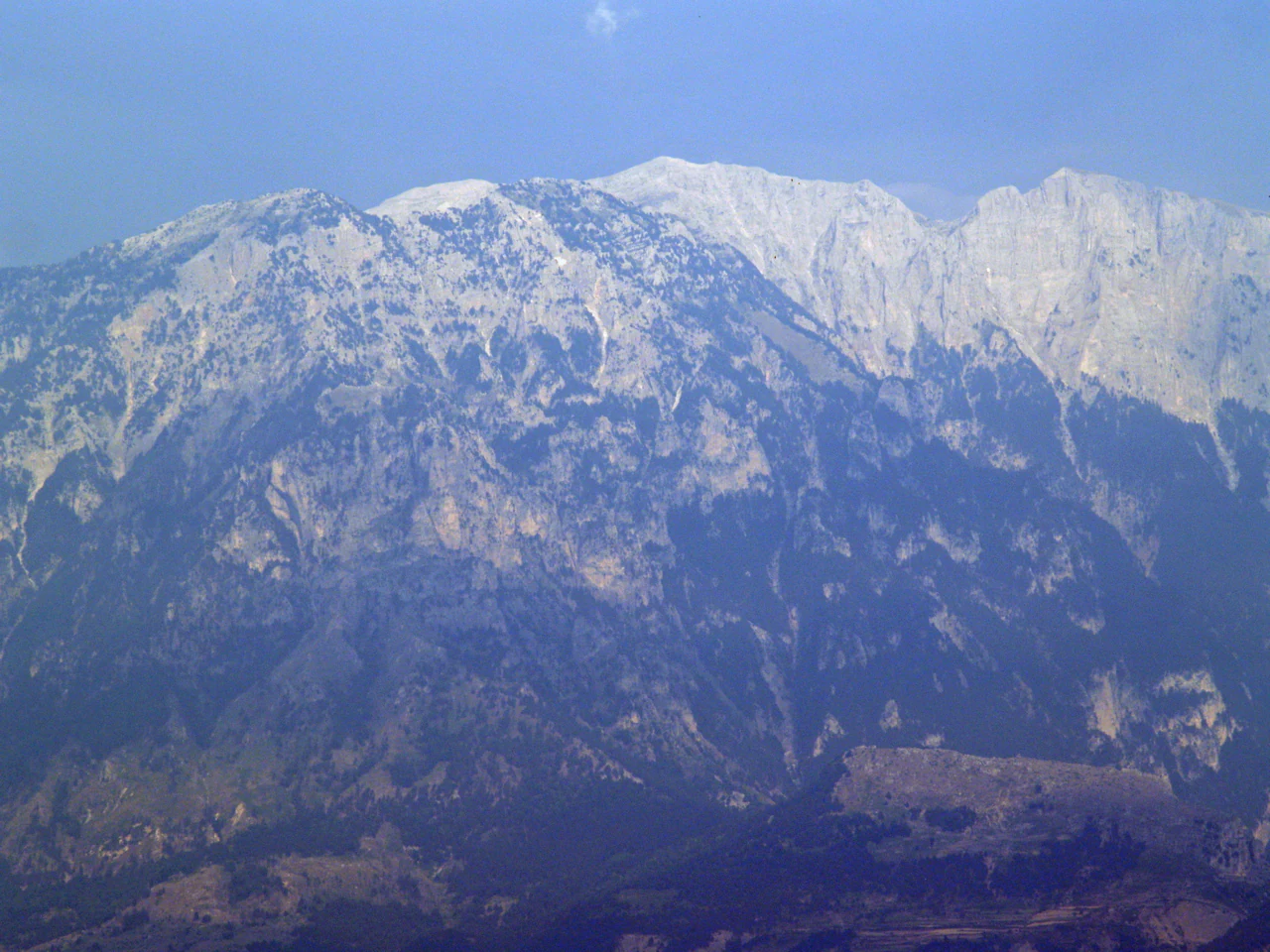
The landscape of Tomorr Mountain National Park is defined by the Tomorr anticline, a geological structure that has created one of southern Albania's most visually striking mountain environments. The limestone bedrock has been extensively eroded by karst processes, resulting in a terrain of rugged cliffs, steep ridges, sinkholes, underground drainage systems, and boulder-strewn slopes.
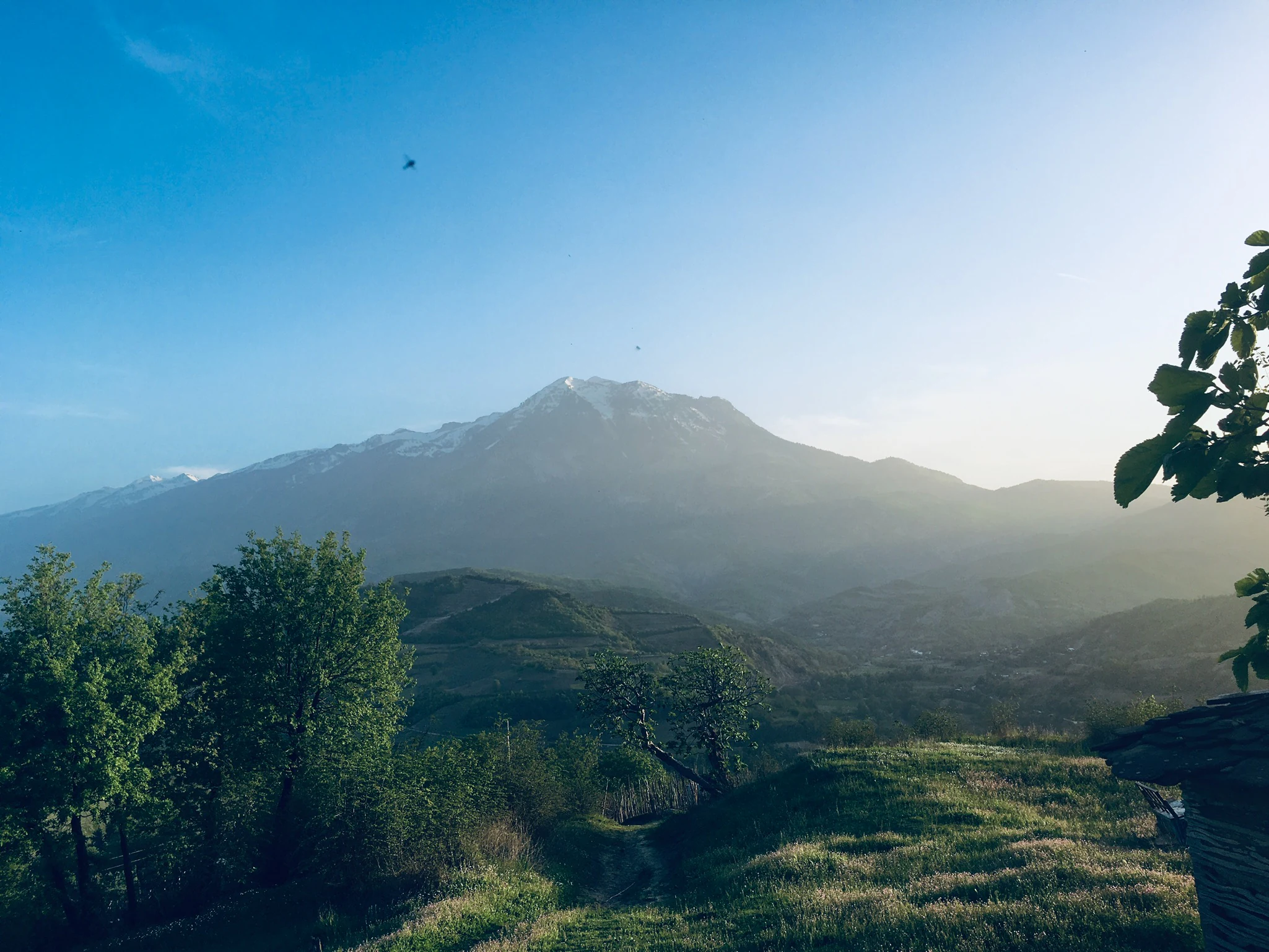
Mount Tomorr rises as the park's dominant feature, its summit reaching 2,416 meters and presenting a distinctive profile that from certain angles resembles a natural fortress or castle—hence the local description of it giving the impression of a giant natural castle. The mountain is flanked by two major river valleys: the Osum Valley to the west and the Tomorrica Valley to the east, both of which have carved deep gorges into the limestone terrain.
The Osum Canyon represents one of the park's most spectacular natural features, where the Osum River has cut a dramatic gorge through karst limestone, creating sheer walls, waterfalls, and pools that attract both hikers and photographers. The combination of vertical limestone cliffs, forested slopes descending to the river, and the contrast between the canyon depths and the mountain summits creates a landscape of considerable scenic diversity.
Tomorr Mountain National Park ecosystems, habitats, and plant life
Tomorr Mountain National Park supports a rich diversity of habitats that reflect its position within the Pindus Mountains mixed forests ecoregion and the Mediterranean biome. The park's varied topography, ranging from valley floors through mid-elevation slopes to alpine zones near the summit, creates conditions for multiple distinct vegetation communities.
The forests of Tomorr National Park are notably diverse, composed of both deciduous and coniferous species. European beech forests dominate the higher elevations, while Bosnian pine occurs on rocky substrates and steeper slopes. Turkish hazel and Greek whitebeam add to the diversity of tree species. The understory and open areas support a remarkable variety of flowering plants including linaria, great yellow gentian, autumn crocus, and numerous centaury species. The park's designation as an Important Plant Area recognizes these botanical values at the international level.
The karst geology influences the park's ecological character through its effect on water availability and soil formation. The limestone terrain supports specialized plant communities adapted to the often shallow soils and periodic drought conditions, while sinkholes and underground drainage channels create microhabitats for moisture-loving species in an otherwise Mediterranean climate setting.
Tomorr Mountain National Park wildlife and species highlights
The wildlife community of Tomorr Mountain National Park reflects the park's position in a biogeographically diverse region where Mediterranean and Central European species overlap. The mammal fauna includes several species characteristic of mountainous forested habitats: wolves maintain populations in the park as apex predators, while foxes, roe deer, and wild boars are more commonly encountered. Wild goats inhabit the steeper rocky sections of the mountain, utilizing the cliff areas as refuge and foraging habitat.
The avifauna of the park is particularly notable, with golden eagles nesting on the cliffs and hunting the open slopes and meadows. The park also supports populations of owls and Eurasian sparrowhawks, representing both nocturnal and diurnal raptors. Smaller mammals including forest dormouse and wood mouse occupy the forest floor and woodland edges, while rabbits provide prey species for the predator community.
The Osum River and its canyon support aquatic and riparian wildlife, though the park's primary wildlife values are associated with the forest and cliff habitats of the mountain itself. The combination of forested slopes, rocky outcrops, and river corridors creates a habitat matrix that supports the diverse mammal and bird communities documented within the park.
Tomorr Mountain National Park conservation status and protection priorities
Tomorr Mountain National Park is recognized as one of Albania's most important protected areas for maintaining mountainous biodiversity and ecosystem integrity at the national level. The park's conservation significance is underlined by its designation as an Important Plant Area of international importance by Plantlife, reflecting the presence of rare and threatened plant species within its boundaries.
The park's location within the Pindus Mountains mixed forests ecoregion places it within one of Europe's significant biodiversity areas. The combination of forest habitats, karst ecosystems, and the Osum River corridor creates a conservation value that extends beyond the park's boundaries, with the protected area serving as a core zone within a broader ecological network.
Management by Albania's National Agency of Protected Areas includes protection of the park's natural values while balancing the traditional uses that have shaped the landscape over centuries. The challenge of conservation in this park includes maintaining the ecological integrity of the forest communities, protecting water quality in the Osum system, and ensuring that the recreational use of the canyon and mountain areas remains sustainable.
Tomorr Mountain National Park cultural meaning and human context
Tomorr Mountain holds profound religious significance as a sacred mountain in Albania, a dimension that distinguishes this protected area from many other European national parks. The mountain has been a pilgrimage site for centuries, attracting both Christian devotees and members of the Bektaşi Sufi order to its slopes and summits.
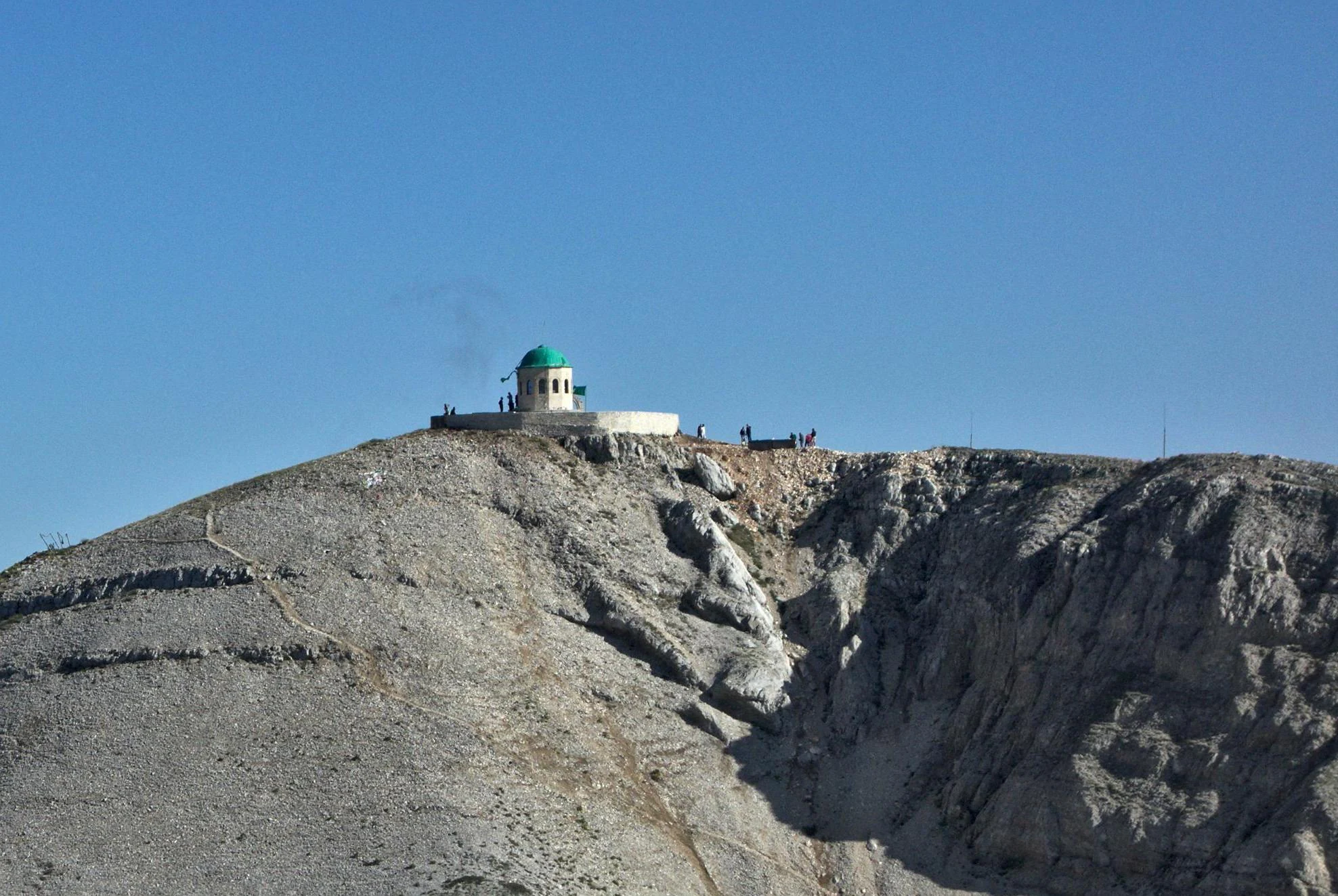
Christian traditions associated with the mountain include the Church of the Virgin Mary, which has been a destination for religious pilgrimage, particularly during the Assumption of the Virgin in August. Bektaşi practitioners maintain shrines and tombs (tyrbe) on the mountain, reflecting the order's historical presence in the region and the mountain's status as a sacred site within their spiritual tradition. The coexistence of Christian and Islamic pilgrimage traditions on the same mountain reflects the complex religious history of southern Albania and the region's tradition of interfaith coexistence.
This cultural heritage adds a human dimension to the park's landscape that predates the formal protected area designation and continues to give the mountain significance to local communities. The religious structures and pilgrimage paths form part of the cultural landscape that the park now protects alongside its natural values.
Top sights and standout views in Tomorr Mountain National Park
Tomorr Mountain National Park combines dramatic mountain scenery with significant biodiversity and deep cultural heritage. The park's centerpiece is Mount Tomorr, a 2,416-meter limestone peak that dominates the landscape and serves as both a natural landmark and sacred site. The Osum Canyon, with its spectacular gorge carved through karst limestone, offers one of Albania's most impressive natural wonders. The old-growth beech and pine forests shelter a rich plant community recognized internationally through the Important Plant Area designation. The dual religious significance of the mountain—for both Christians and Bektaşi believers—creates a unique cultural landscape where spiritual traditions have shaped the relationship between humans and this mountainous terrain for generations.
Best time to visit Tomorr Mountain National Park
Tomorr Mountain National Park offers distinct experiences across seasons, with each period offering different advantages for visitors. The summer months of June through August bring warm conditions ideal for hiking the mountain trails and exploring the Osum Canyon, though this is also the peak period for pilgrimages to Mount Tomorr, particularly during the Assumption of the Virgin in mid-August. Spring (April through May) brings blooming flowers to the meadows and forests, with comfortable temperatures for moderate hiking and fewer crowds than summer. Autumn offers colorful forest scenery as the beech and other deciduous trees display their fall colors, along with generally mild weather. Winter conditions on the mountain are harsh and access to higher elevations is limited, though the snow-covered peaks present a different kind of dramatic landscape for those interested in winter scenery. The park's natural beauty is described as evident in every season, reflecting how the changing seasons transform the mountain's character.