
Why Uludağ National Park stands out
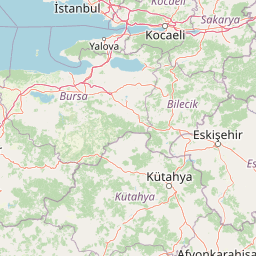
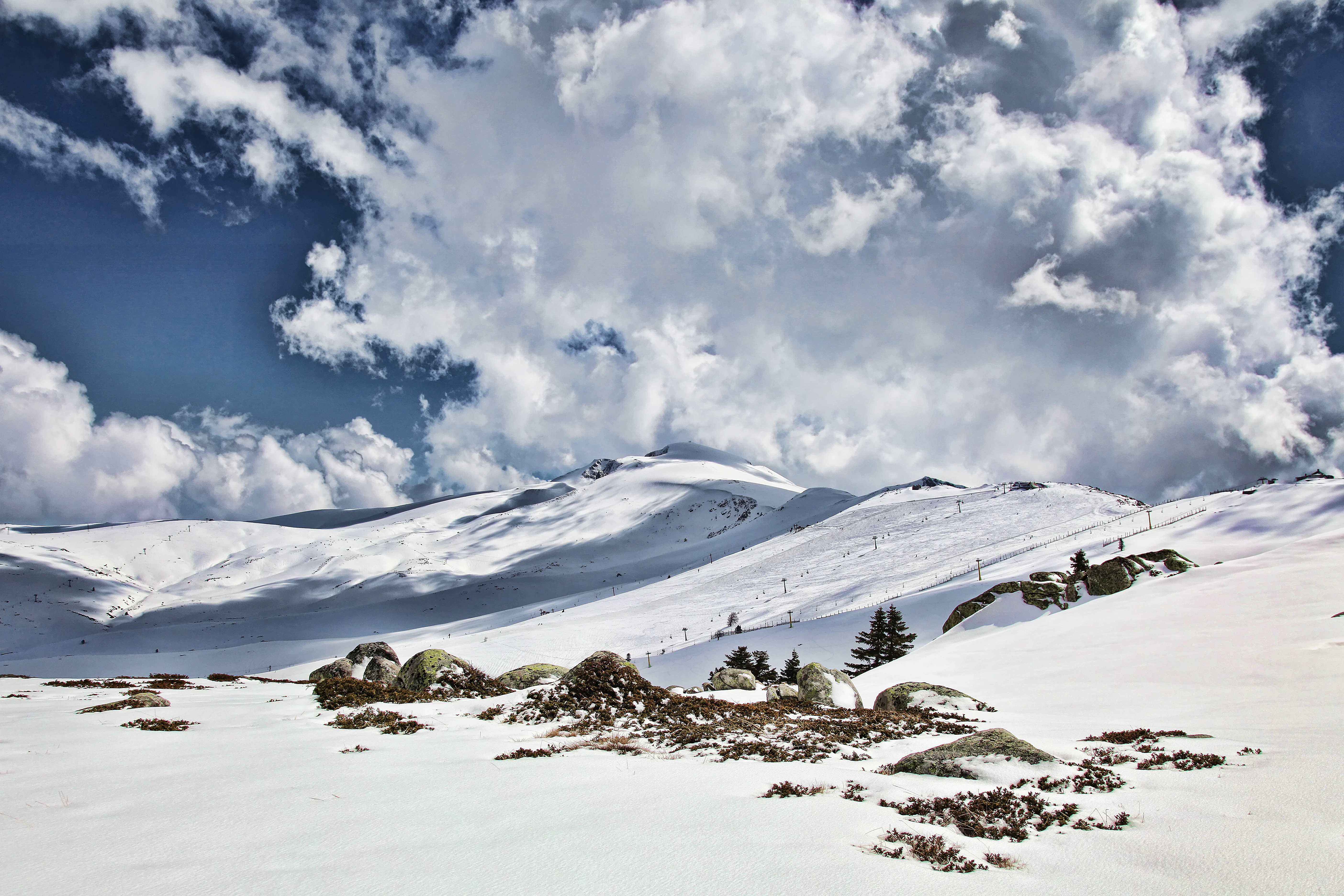
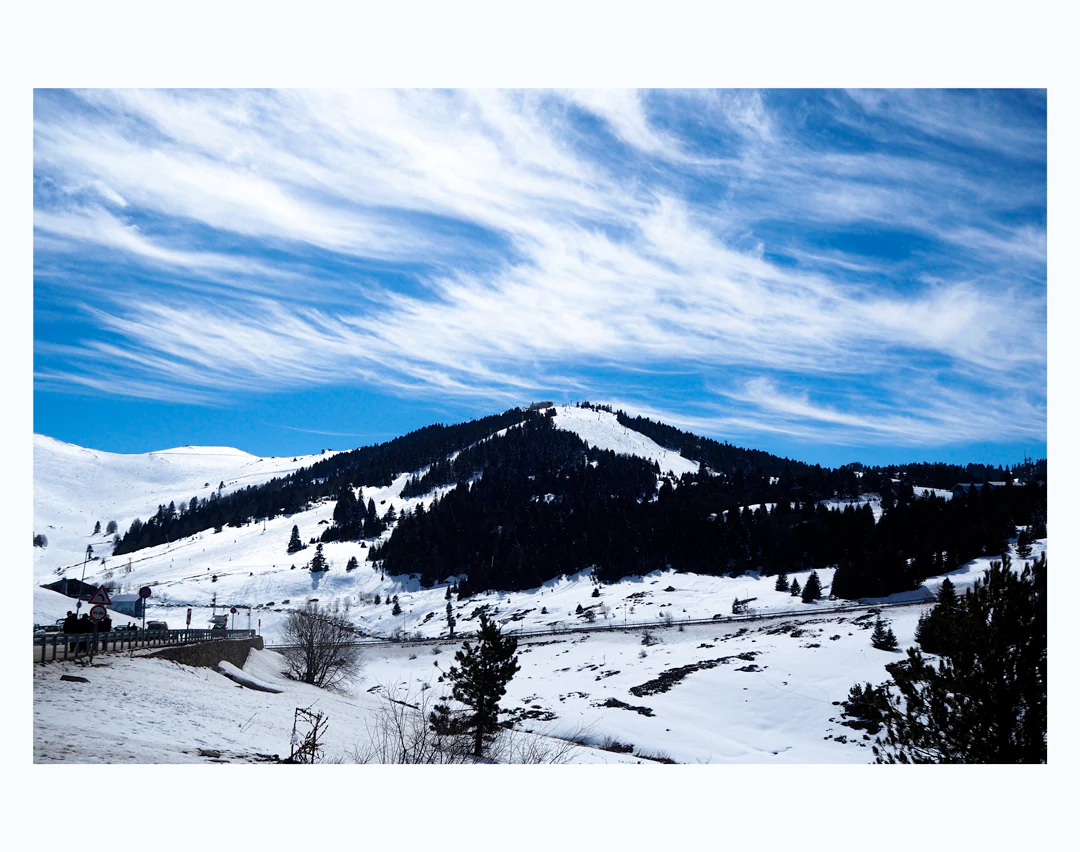
Uludağ is best known for its exceptional alpine environment, where pine and spruce forests give way to alpine meadows and rocky summits. The park protects one of Turkey's most important high-elevation ecosystems, home to endemic plant species adapted to the unique Mediterranean alpine conditions. The mountain's proximity to the city of Bursa makes it a heavily visited recreation area, particularly for skiing in winter and hiking during the warmer months. The contrast between the forested lower slopes and the exposed alpine zones creates a visually striking landscape.
Uludağ National Park history and protected-area timeline
The establishment of Uludağ National Park in 1961 marked a pioneering moment in Turkish conservation history, as it became the first national park designated in the country. This early recognition of Uludağ's natural significance reflected the mountain's long-standing importance in Turkish culture, science, and recreation. Prior to formal protection, the area had been recognized for its scenic and ecological value, and the establishment of the national park formalized decades of informal protection and use. Over the decades, the park has evolved alongside Turkey's growing environmental awareness, with management strategies adapting to balance conservation objectives with the high visitor pressure generated by the mountain's popularity as a ski resort and hiking destination.
Uludağ National Park landscape and geographic character
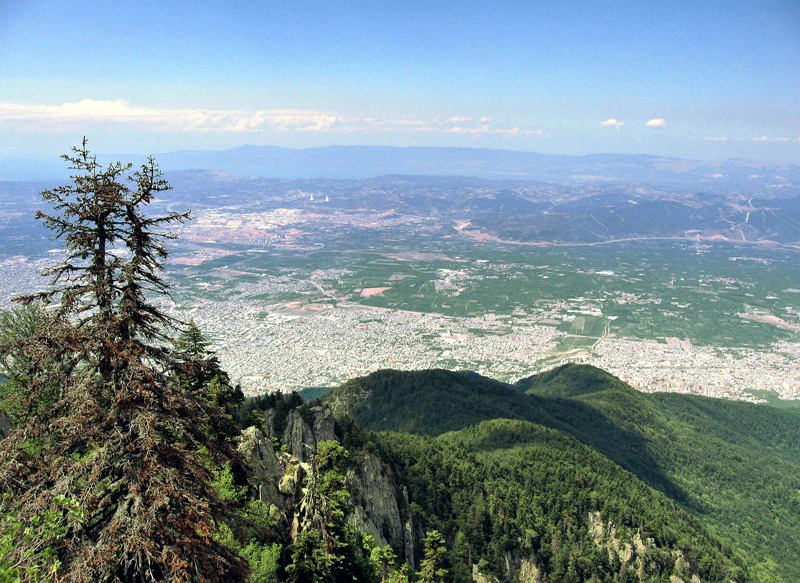
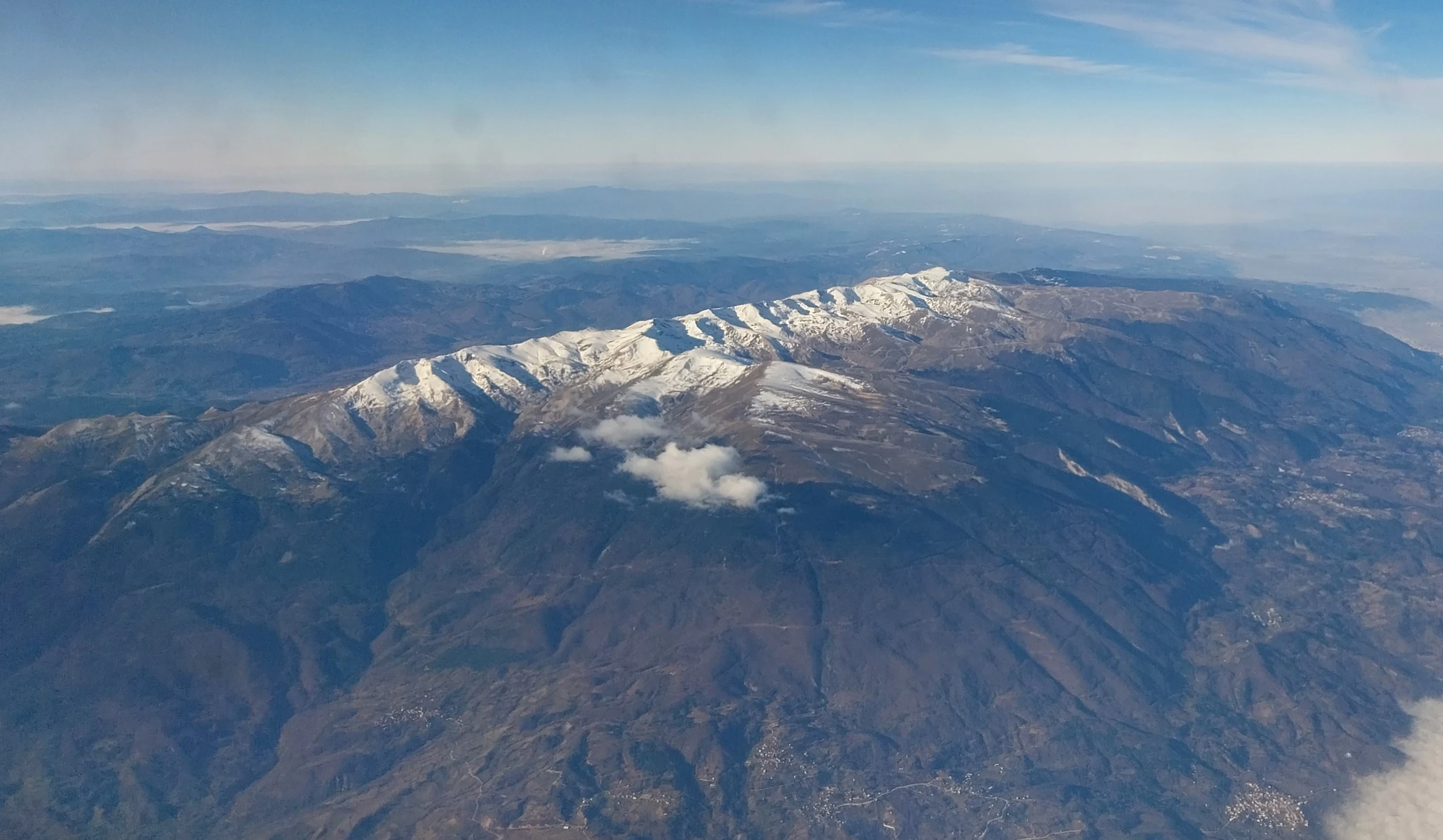
The landscape of Uludağ National Park is defined by the dramatic topography of Mount Uludağ, a massive fault-block mountain that rises abruptly from the surrounding terrain. The mountain's ridges radiate outward from a central summit, creating a complex terrain of steep slopes, rocky outcrops, and glacial valleys. Below the alpine zone, the slopes are covered in dense forests of pine and spruce, while the higher elevations feature alpine meadows interspersed with exposed rock and cliff faces. The mountain's geology, primarily composed of metamorphic and igneous rocks, contributes to the rugged character of the terrain. Throughout the park, small streams and seasonal watercourses descend from the alpine zones, feeding the lower forest ecosystems.
Uludağ National Park ecosystems, habitats, and plant life
The ecological character of Uludağ National Park is shaped by its position at the intersection of Mediterranean and continental climate influences, creating a unique alpine environment that supports distinctive plant communities. The forested lower slopes feature dense stands of black pine and Norway spruce, which give way at higher elevations to alpine meadows characterized by diverse wildflower species. The park's position in northwestern Turkey places it along important bird migration routes, and the diverse habitats support both resident and migratory bird species. The alpine zones contain specialized plant species adapted to the harsh high-elevation conditions, including several endemic varieties that occur only in this region of Turkey.
Uludağ National Park wildlife and species highlights
The wildlife of Uludağ National Park reflects the park's varied habitats, from the forested lower slopes to the open alpine meadows. The forests provide shelter for mammals including red deer, wild boar, and various small mammals, while the higher elevations support species adapted to more open terrain. The birdlife is particularly notable, with the park serving as an important habitat for both resident species and migratory birds that pass through the region. Raptors such as eagles and hawks can be found hunting in the alpine zones, while the forests support a variety of songbird species.
Uludağ National Park conservation status and protection priorities
Uludağ National Park represents one of Turkey's most significant protected alpine areas, preserving an ecosystem type that is limited in distribution across the country. The park's conservation value lies in its protection of the complete vertical gradient from lowland forest to alpine summit, maintaining ecological connectivity and the processes that sustain biodiversity. As Turkey's oldest national park, it has served as an important model for protected area management and has contributed to the country's conservation heritage. The challenges facing the park include managing the high volume of visitors, particularly during the ski season, and maintaining ecological integrity while accommodating recreational development.
Uludağ National Park cultural meaning and human context
Mount Uludağ holds deep historical significance in the region, known in antiquity as the Mysian Olympus and associated with mythological traditions in Greek and Roman culture. The mountain has been a site of human activity for millennia, with evidence of historical use as a sacred site and for resource gathering. The region surrounding the mountain has been inhabited since ancient times, and the city of Bursa at its base has been an important urban center for centuries. This long history of human presence has shaped both the cultural landscape and the relationship between local communities and the mountain environment.
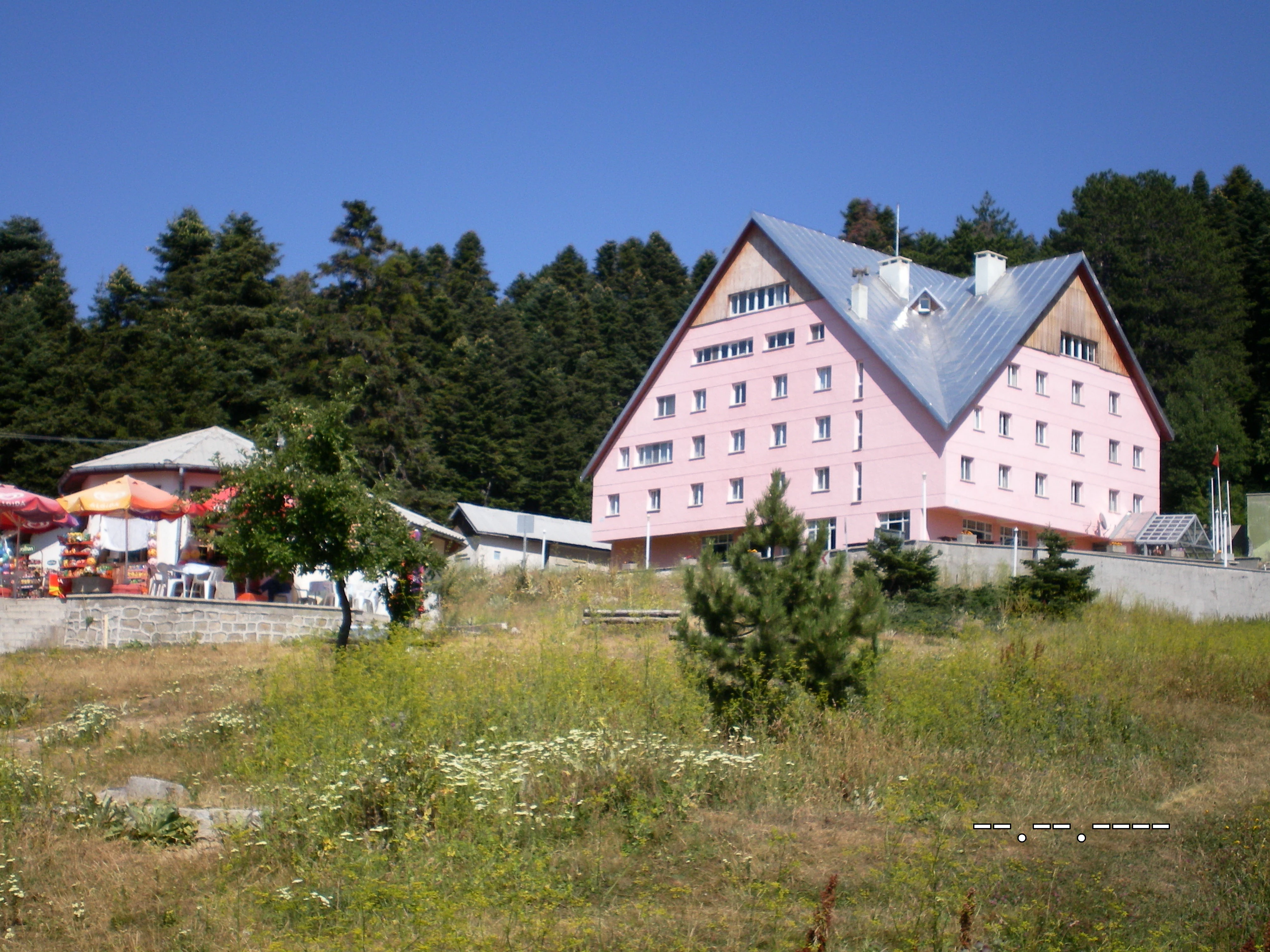
Top sights and standout views in Uludağ National Park
Uludağ National Park stands out as Turkey's premier alpine destination, combining significant conservation value with outstanding recreational opportunities. The mountain offers exceptional hiking through diverse ecosystems, from forested trails to alpine routes above the tree line. The winter season transforms the park into one of Turkey's most popular ski destinations, while the summer months reveal the full beauty of the alpine meadows and wildflower displays. The accessibility of the park from Bursa makes it a major destination for both domestic and international visitors seeking mountain experiences.
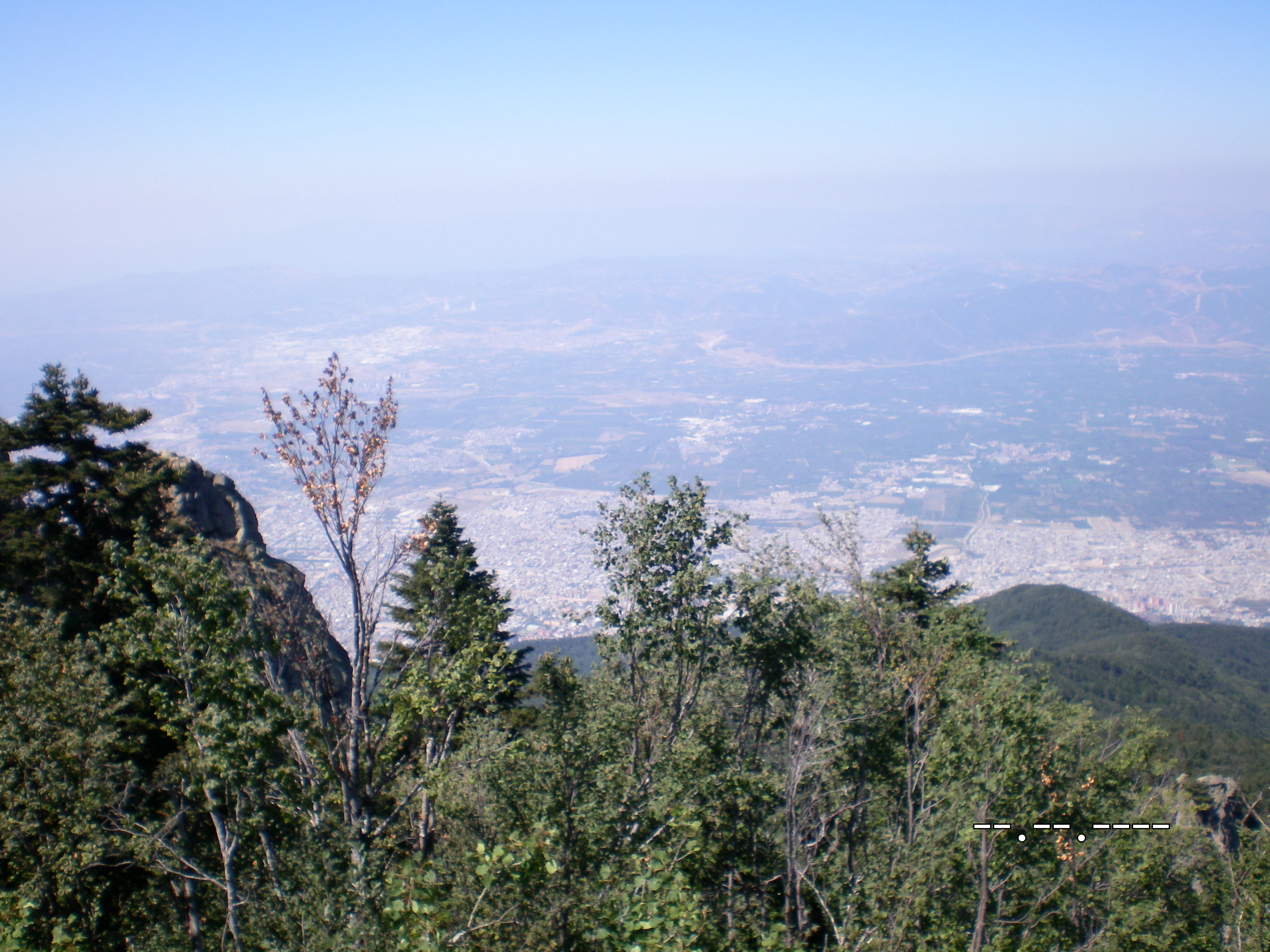
Best time to visit Uludağ National Park
The best time to experience Uludağ National Park depends on the intended activities, with each season offering distinct advantages. Winter draws visitors for skiing and winter sports, when the alpine conditions are at their most developed. Summer and early autumn provide ideal conditions for hiking and wildlife observation, with pleasant temperatures in the mountain environment and the full display of alpine flora. The shoulder seasons of spring and late autumn offer quieter conditions and the opportunity to experience the park's transitional moods as the seasons change.