
Why Una National Park stands out
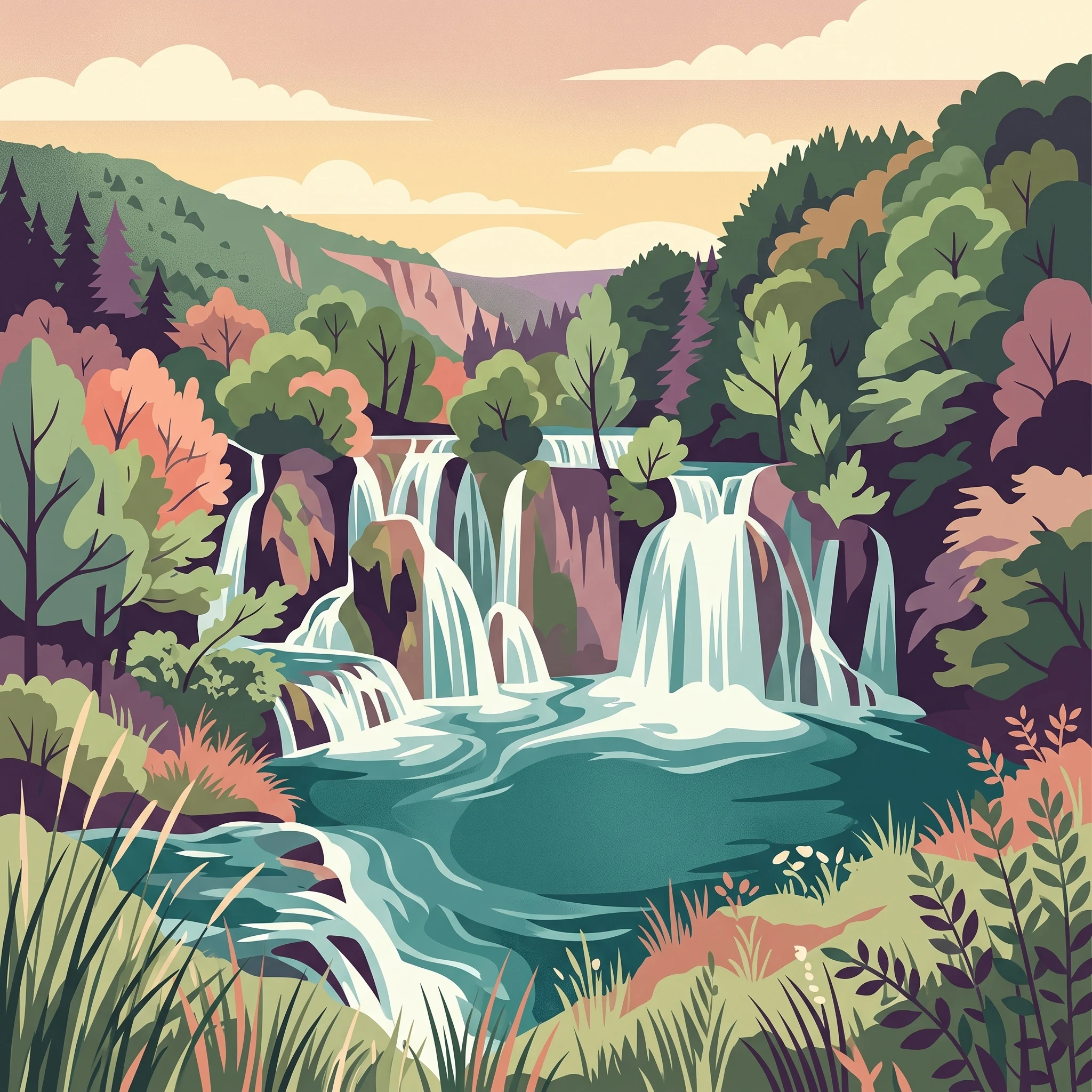
Una National Park is best known for its spectacular riverine landscape, characterized by the Una River's dramatic waterfalls and cascades. The park features the renowned Štrbački Buk waterfall, one of the largest on the Una River, as well as the falls at Martin Brod, where the river forms calcareous sinter banks and cascades. The park's karst canyon landscapes, particularly along the Unac River which plunges through gorges reaching 350 meters in depth, represent outstanding geological features. The river system supports exceptional biodiversity with 30 fish species and 130 bird species, while the broader ecosystem hosts significant populations of large mammals including lynx, wolf, bear, and chamois. The combination of pristine river ecosystems, dramatic waterfalls, and deep canyon landscapes makes this park distinctive within the Dinaric mountain region.
Una National Park history and protected-area timeline
The area comprising Una National Park has been inhabited since prehistoric times, with archaeological evidence of Japodi civilization dating to the Bronze and Iron Ages. The Japodi people established distinctive pile-dwelling settlements along the Una River, particularly at Ripač, leaving a rich cultural legacy that remains significant in the region's heritage. During the Roman period, the area fell under imperial administration, with remnants of Roman fortifications and settlements scattered throughout the park territory. The medieval period saw the construction of numerous fortresses, including Ostrovica Castle above Kulen Vakuf, which was among the most fortified towns in the upper Una River basin before falling to Ottoman administration in 1523. The Rmanj Monastery, located at the confluence of the Unac and Una rivers in Martin Brod, emerged as an important spiritual center at the crossroads of Bosnia, Lika, and Dalmatia, and is now designated as a National Monument of Bosnia and Herzegovina. Formal protection initiatives began with a feasibility study in 2005, which provided the scientific basis for establishing the national park. The Law on Una National Park was enacted on May 29, 2008, formally creating Bosnia and Herzegovina's largest national park and defining its boundaries, protection regime, and management framework.
Una National Park landscape and geographic character
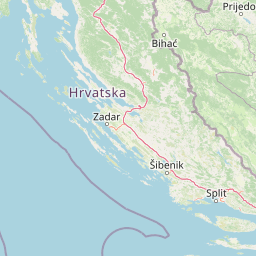
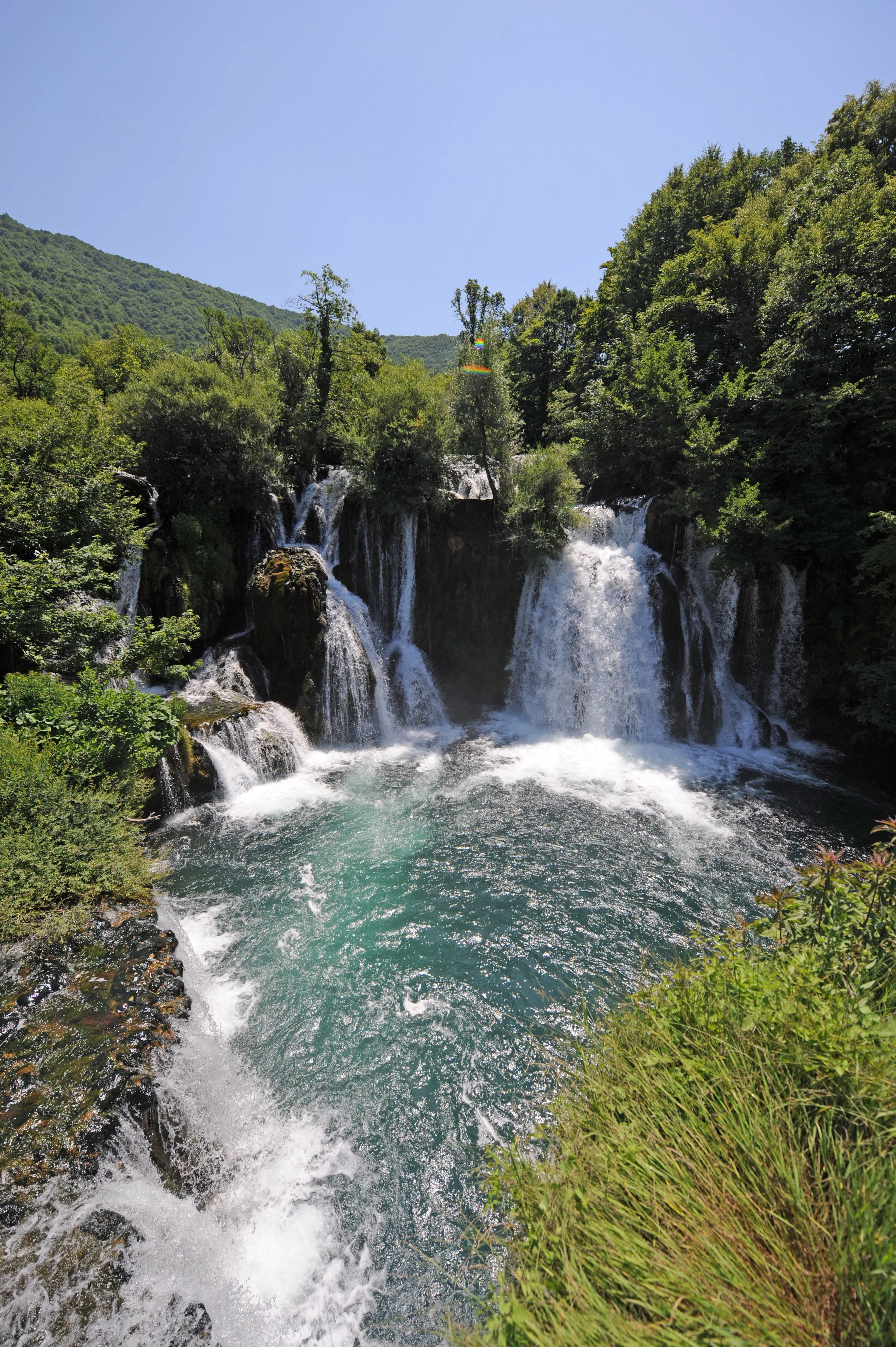
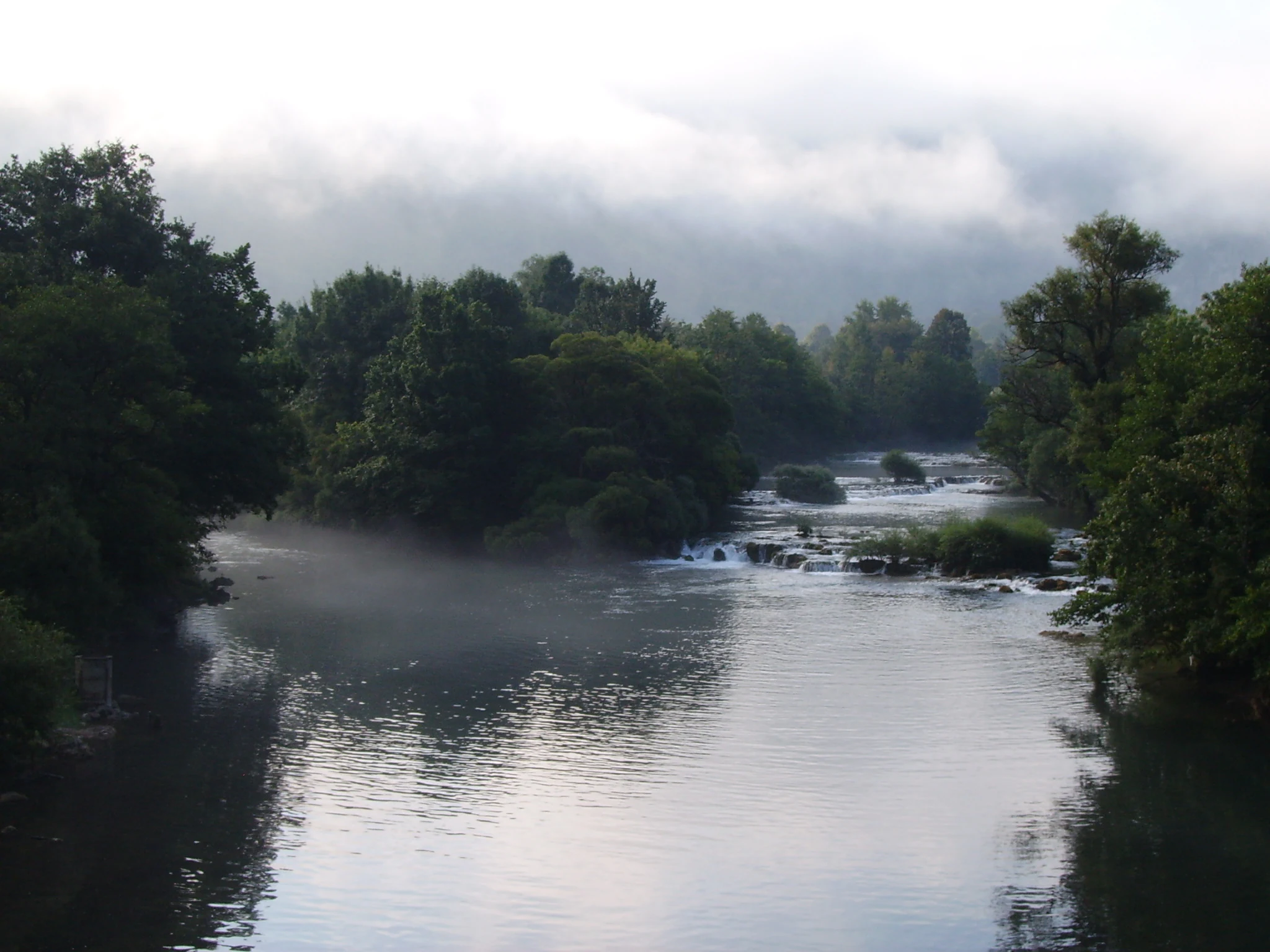
The landscape of Una National Park is defined by its dramatic river canyons, karst terrain, and waterfall systems. The Una River, rising as a karst spring in Croatia near the mountain Stražbenica, enters Bosnia and Herzegovina with a distinctive green-blue color characteristic of limestone-fed waters. Over its course through the park, the river drops nearly three meters per kilometer, creating a succession of rapids, cascades, and waterfalls. The most spectacular of these is Štrbački Buk, where the river tumbles over a series of steps forming one of the largest waterfalls on the Una. Near Martin Brod, the Una forms extensive calcareous sinter terraces and cascades, including the Milančetov Buk waterfall, where mineral deposits create bright white travertine formations. The Unac River, the Una's largest tributary, cuts through a particularly deep canyon reaching 350 meters in depth as it flows through the park from Drvar to Martin Brod. The park's valley floors sit at elevations between 200 and 450 meters, framed by the mountains of Plješevica, Grmeč, and Osječenica which rise along the park's margins.
Una National Park ecosystems, habitats, and plant life
Una National Park supports exceptional ecological diversity resulting from its position at the intersection of three climatic regions and its varied topography and habitats. The park contains over 1,900 plant species, representing more than 52 percent of all plant species found in Bosnia and Herzegovina—a remarkable concentration for a relatively limited area. The karst landscape hosts distinctive vegetation adapted to calcareous substrates, including numerous endemic and relict species. Notable botanical treasures include the yellow gentian (Gentiana lutea), spotted gentian (Gentiana punctata), edelweiss (Leontopodium alpinum), and the Bosnian iris (Iris reichenbachii var. bosniaca). The unska zvončika (Campanilla unensis) is an endemic species bearing the river's name. Forest communities cover the largest portion of the park, ranging from lowland riparian forests along the river corridors to montane forests on the slopes. Grasslands and pastures, maintained through traditional agricultural practices, add to the habitat mosaic. The rivers themselves support specialized aquatic communities, with the travertine waterfalls providing unique habitats for endemic organisms including 42 plant species specifically adapted to these dynamic aquatic environments.
Una National Park wildlife and species highlights
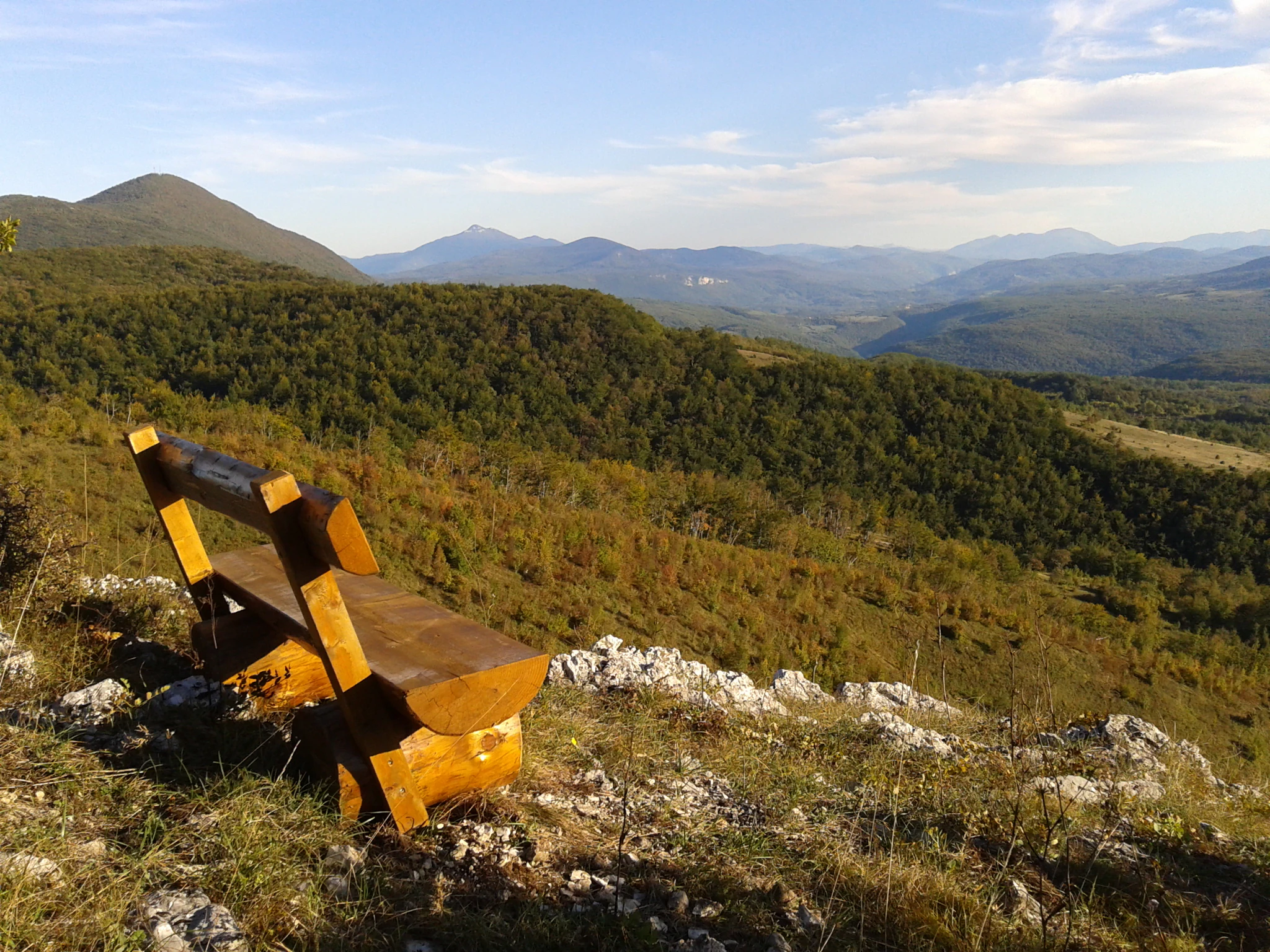
The wildlife communities of Una National Park reflect the park's diverse habitats and position within the Dinaric ecological corridor. The park hosts 30 fish species in its river systems, making it one of Europe's most significant fly fishing destinations. The avian fauna includes 130 recorded bird species, with populations of both resident and migratory birds utilizing the various habitats throughout the park. The mammalian community features notable large carnivores including the Eurasian lynx, wolf, and brown bear—species that require extensive territories and intact habitats. The chamois, a mountain ungulate adapted to rocky terrain, inhabits the steeper sections of the park's canyons and slopes. Foxes are commonly observed throughout the park, while the diverse smaller mammal community includes species typical of Dinaric forests and rocky habitats. The Unac River's karst character, where the river alternately disappears underground and reemerges, creates unique aquatic habitats supporting specialized species. The overall biodiversity value of the park is further enhanced by its position as a corridor connecting the ecosystems of the Dinaric mountain chain.
Una National Park conservation status and protection priorities
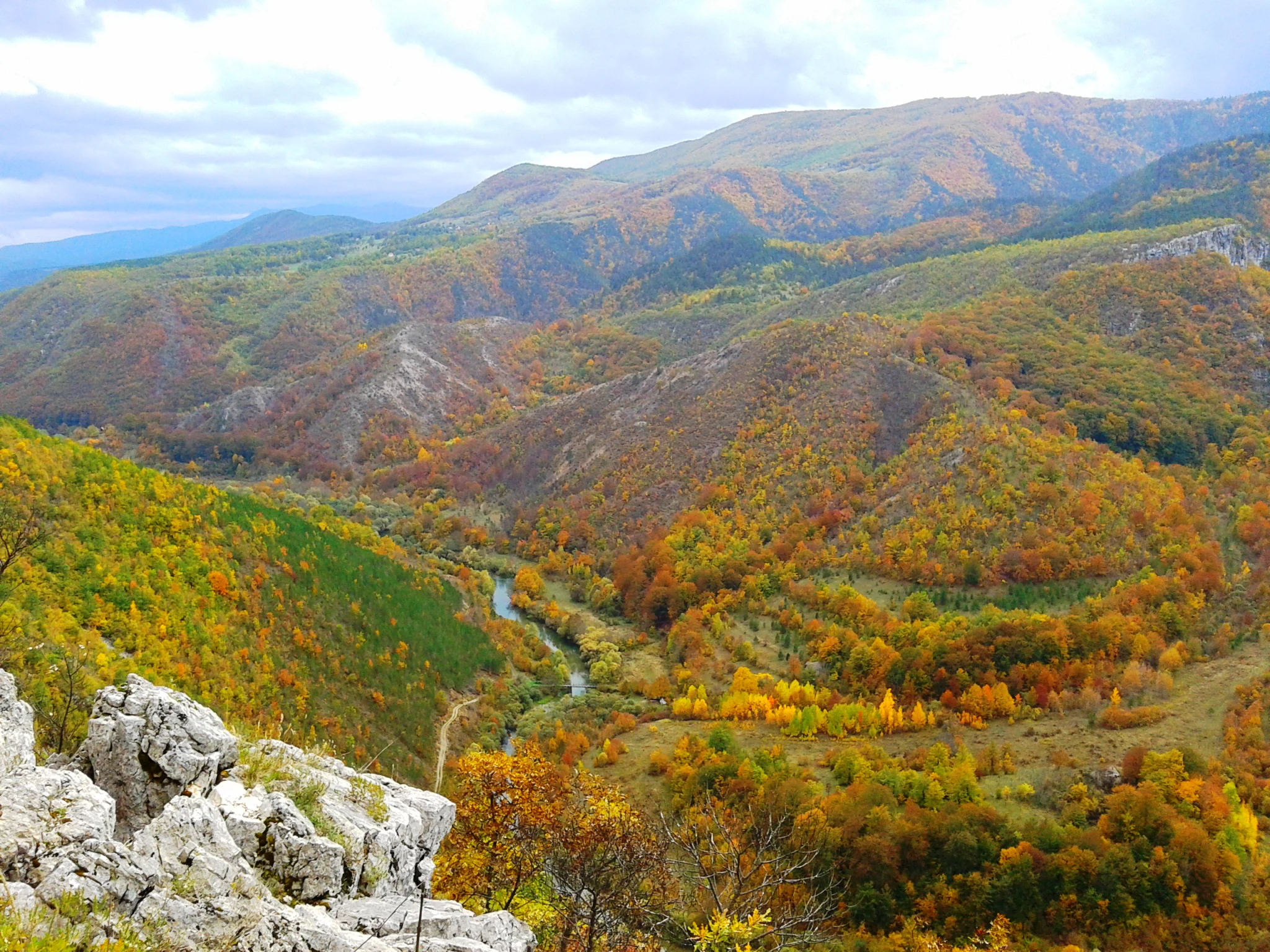
Una National Park was established specifically to protect the outstanding natural values of the Una River system, representing Bosnia and Herzegovina's commitment to preserving its most pristine river ecosystems. The park's protection regime divides the territory into strict and directed protection zones covering approximately 13,500 hectares, with an additional development zone of around 6,300 hectares where sustainable activities are permitted. The park's karst landscape and river systems are considered unique in European context, with the combination of hydrological features, canyon formations, and biodiversity representing values of continental significance. The presence of 30 fish species and 130 bird species, along with populations of large carnivores including lynx, wolf, and bear, indicates the ecosystem's ecological integrity. The proposed Peace Park Plitvice-Una concept envisions cross-border cooperation between Una National Park and Croatia's Plitvice Lakes National Park, potentially creating a transboundary protected area that would enhance conservation of the shared ecosystem. The park is expected to contribute to the Natura 2000 network, Europe's coordinated approach to habitat conservation.
Una National Park cultural meaning and human context
The territory of Una National Park contains layers of human history spanning millennia, beginning with the prehistoric Japodi civilization that inhabited the region during the Bronze and Iron Ages. The Japodi people developed a distinctive culture characterized by pile-dwelling settlements along the Una River, with archaeological evidence at Ripač revealing artifacts crafted from clay, bronze, amber, and glass depicting animal and human figures. The area's strategic position on transit routes toward the Adriatic Sea brought it under Roman administration, leaving archaeological sites including the Roman fort Milančeva Kula. Medieval fortresses such as Ostrovica above Kulen Vakuf and Orašac attest to the region's importance in medieval political dynamics. The Rmanj Monastery, founded at the confluence of the Unac and Una rivers in the late 14th or early 15th century, served as a spiritual center at the intersection of Bosnian, Lika, and Dalmatian territories. Traditional agricultural practices of the local population, including livestock raising and extensive farming, have shaped the park's cultural landscape over centuries and continue to inform the park's management approach balancing conservation with sustainable development.
Top sights and standout views in Una National Park
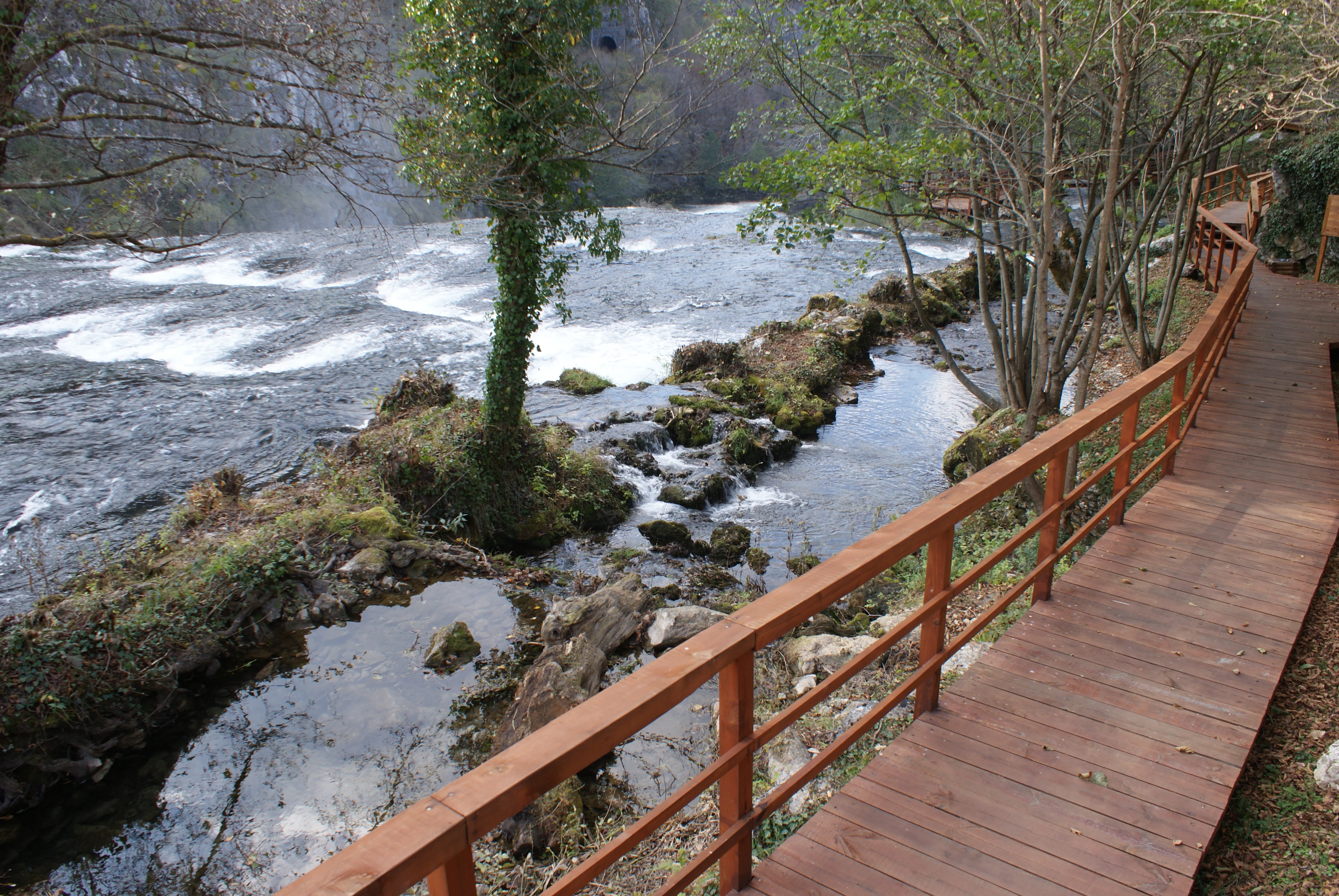
Una National Park offers exceptional experiences centered on its spectacular river landscapes. The Štrbački Buk waterfall, the largest on the Una River, stands as the park's signature natural feature, where cascading waters create a dramatic display amid travertine formations. The Martin Brod area contains multiple waterfalls including the Milančetov Buk, where the river's calcareous sinter deposits have built ornate terraces over geological time. The Unac River canyon, reaching depths of 350 meters, provides a dramatic setting for hiking and exploration. The annual International Una Regatta transforms the river into a competitive kayaking course, while the broader river system offers excellent conditions for rafting, sport fishing, and recreational canoeing. Cultural heritage sites including medieval fortresses, ancient monasteries, and prehistoric archaeological areas add historical depth to the visitor experience. The Ljutoč viewpoint offers panoramic views over the canyon landscape, providing an accessible introduction to the park's dramatic topography.
Best time to visit Una National Park
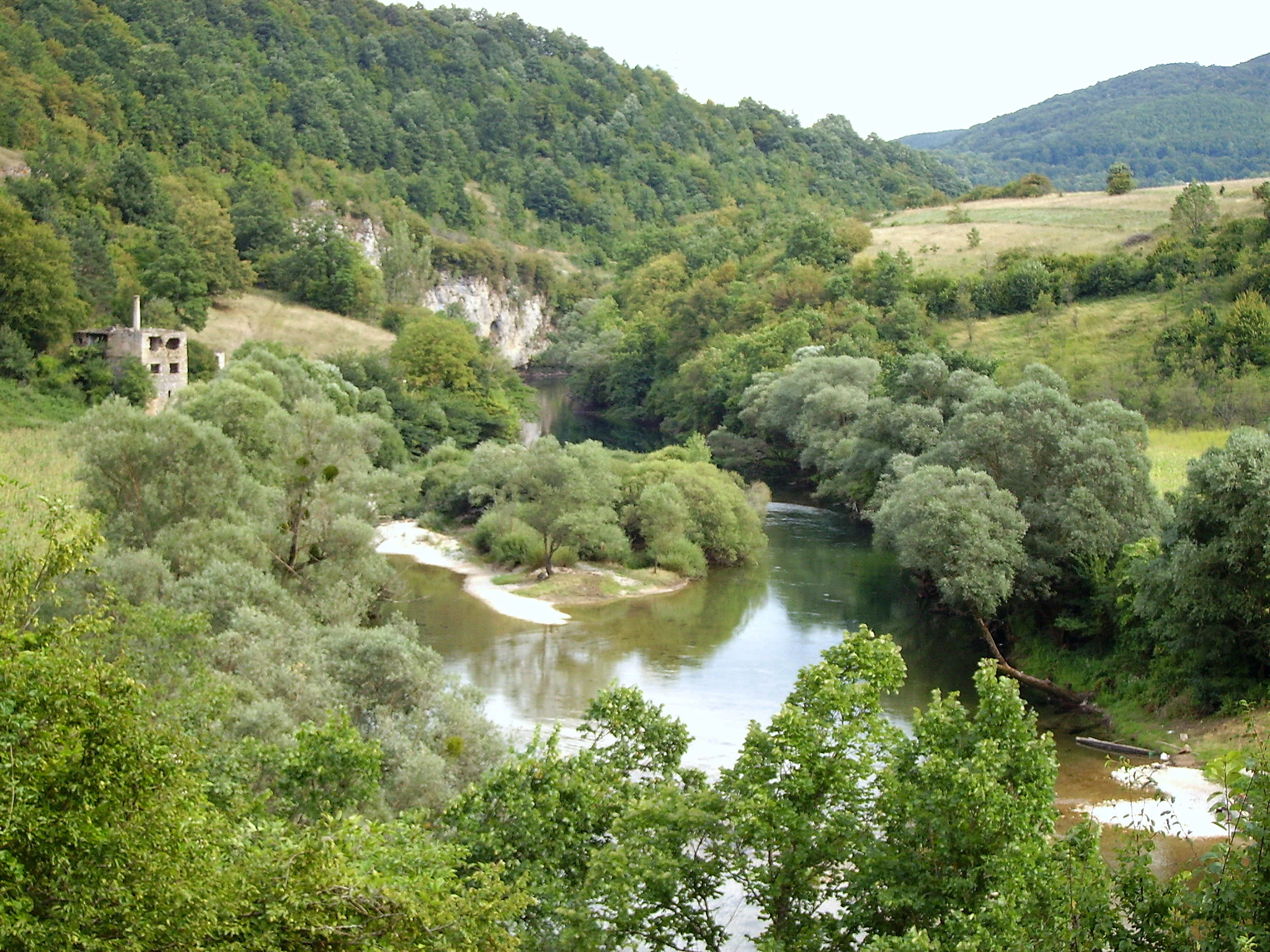
The best time to experience Una National Park depends on the visitor's interests, though the summer months from June through September offer the most reliable conditions for outdoor activities and river-based recreation. During this period, water levels are typically sufficient for rafting and kayaking, while warm temperatures make hiking and camping comfortable. The waterfalls are at their most impressive during spring and early summer when snowmelt and rainfall maintain strong flows. Autumn brings golden foliage to the forest corridors and fewer visitors, creating a more tranquil atmosphere for those seeking peaceful exploration. Winter visits offer a different perspective, with reduced tourist activity and the possibility of seeing the landscape under snow, though some facilities may have limited operating hours. The shoulder seasons of spring and autumn provide excellent conditions for wildlife observation and photography, with the park's bird populations and larger mammals more active during these transitional periods.