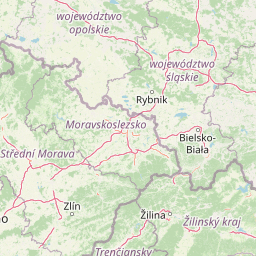
Why Veľká Fatra National Park stands out
Veľká Fatra is best known for its extensive old-growth Carpathian beech forests, which represent some of the most intact woodland in Central Europe. The park preserves a unique cultural landscape of ridge-top cattle pastures established during the Walachian colonisation of the 15th to 17th centuries, creating a mosaic of forest and grassland unique to the region. The geological diversity, with its contrast between the gentle ridgelines of Hôlna Fatra and the dramatic limestone peaks of Bralná Fatra, creates distinctive visual character. The area serves as one of the few places in Central Europe where populations of brown bear, grey wolf, and Eurasian lynx all thrive together.
Veľká Fatra National Park history and protected-area timeline
Veľká Fatra National Park has its origins in the establishment of the Protected Landscape Area Veľká Fatra in 1972, which provided initial conservation recognition to this Carpathian mountain range. On 1 April 2002, the area was upgraded to national park status, reflecting increased recognition of its ecological significance and the need for stronger protection. The protected area preserves evidence of human presence dating to the Walachian colonisation period, when pastoral communities established cattle pastures on ridge tops during the 15th to 17th centuries. These traditional grassland areas, maintained through grazing, create the distinctive forest-meadow mosaic that characterises the landscape today. The park's management is overseen by Správa NP Veľká Fatra, the national park administration responsible for conservation, visitor management, and research activities within the protected area.
Veľká Fatra National Park landscape and geographic character
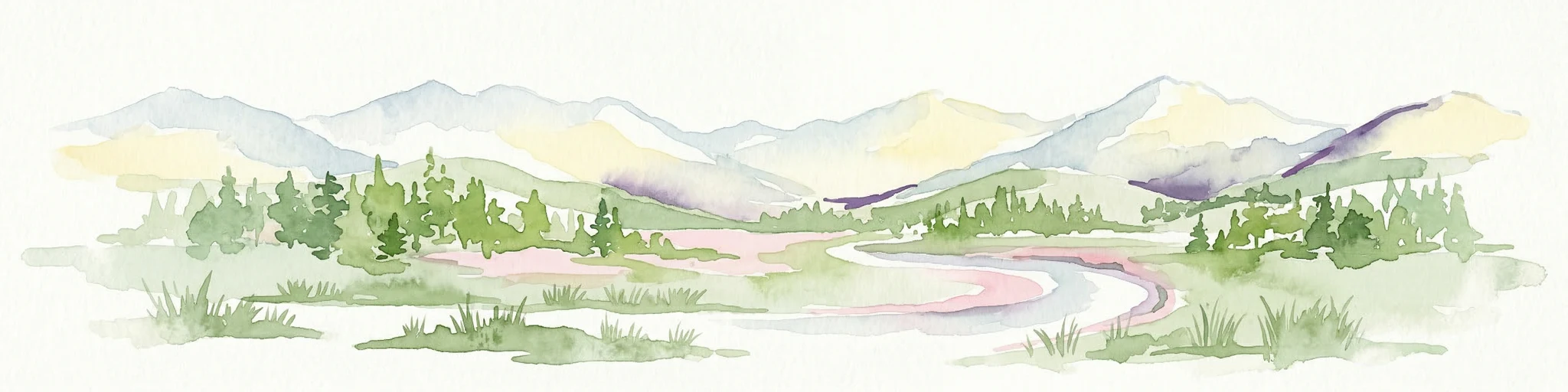
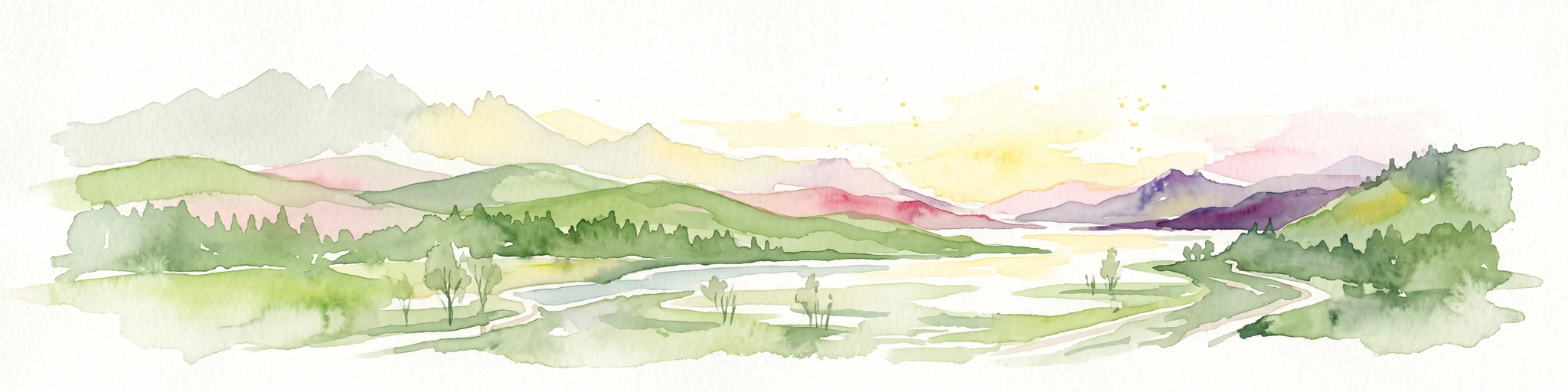
The terrain of Veľká Fatra presents remarkable geological and topographic diversity shaped by varying rock types across the range. The core of the mountains consists of granite, though this bedrock reaches the surface only in limited locations. More widespread are slate formations that create the gently modelled ridges and summits characteristic of the Hôlna Fatra section. In contrast, limestone and dolomite strata dominate the Bralná Fatra region, producing a rugged and picturesque landscape of sharp cliffs, rocky peaks, and steep valleys. The park contains numerous karst features, including caves and sinkholes, with the Harmanec Cave being the only show cave open to public visitation. The combination of rock types has produced diverse soils and terrain, from gentle upland meadows to dramatic cliff faces, creating the visual diversity that defines this mountain landscape.
Veľká Fatra National Park ecosystems, habitats, and plant life
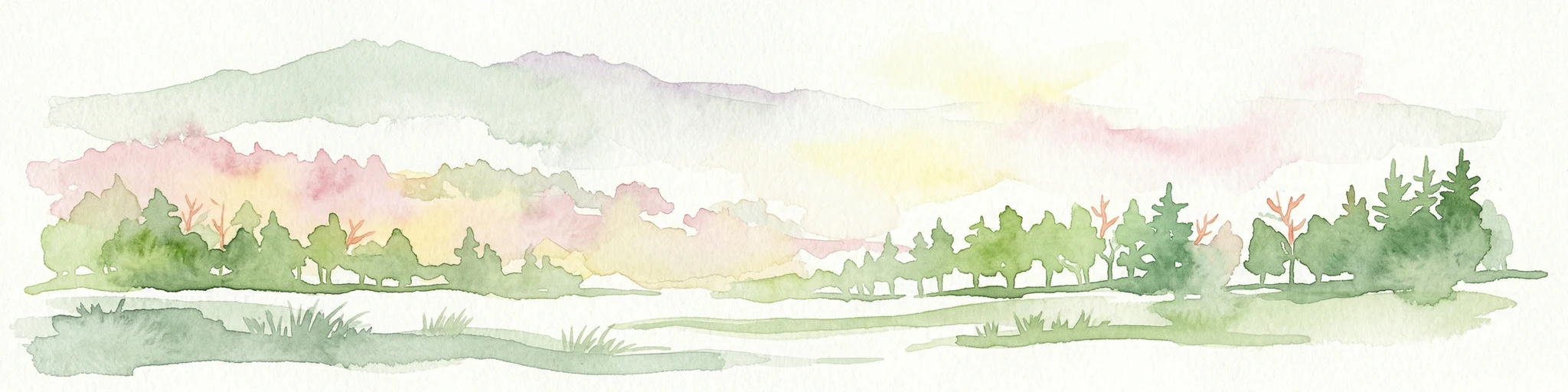
The ecological character of Veľká Fatra is defined by its extensive Carpathian forests, with European beech dominating roughly 90% of the park's area. These forests represent some of the most intact and well-preserved beech ecosystems in Central Europe, supporting complex forest communities with significant biodiversity. Scattered throughout the forest matrix are relict Scots pine forests, representing remnants of older forest types that survived in specific microclimates. The Harmanec valley holds particular botanical significance as the location with the richest population of Irish yew in Central Europe, and possibly the entire continent. The high rainfall and low evaporation rates in the mountains contribute to the area's importance as a freshwater reservoir, with numerous streams feeding into broader watershed systems. The diversity of geological substrates, from granite through slate to limestone and dolomite, creates varied soil conditions that support different plant communities and contribute to the overall ecological richness.
Veľká Fatra National Park wildlife and species highlights
Veľká Fatra supports remarkable populations of Central Europe's large carnivores, with all three species present in healthy numbers throughout the park. Brown bears, grey wolves, and Eurasian lynx all thrive in this mountain environment, making the park one of the most significant carnivore conservation areas in Central Europe. The diverse habitat types, from dense forests to rocky outcrops and grassland areas, support this predator community and the prey species they depend upon. Beyond the large mammals, the varied ecosystems provide habitat for numerous other species, contributing to the park's overall biodiversity significance. The combination of forest, cliff, and grassland habitats creates the ecological complexity that supports this rich fauna, while the protected status ensures these species have space to maintain viable populations.
Veľká Fatra National Park conservation status and protection priorities
Veľká Fatra National Park represents a cornerstone of Slovak and Carpathian conservation, protecting one of the most significant remaining tracts of old-growth beech forest in Europe. The upgrade from protected landscape area to national park status in 2002 reflects recognition of the area's exceptional ecological values and the need for enhanced protection measures. The park contains numerous smaller protected areas, including national nature reserves such as Tlstá, Veľká Skalná, and Skalná Alpa, as well as nature reserves and national nature monuments that provide additional protection for specific features. The presence of all three Central European large carnivores demonstrates the ecological integrity of the area and its importance for biodiversity conservation at a regional scale. The watershed function of the mountains, providing freshwater resources, adds further conservation significance beyond biodiversity considerations.
Veľká Fatra National Park cultural meaning and human context
The cultural landscape of Veľká Fatra bears traces of human activity dating to the period of Walachian colonisation during the 15th to 17th centuries. Pastoral communities established cattle pastures on ridge tops throughout the mountains, creating the distinctive pattern of grasslands within the forest matrix that remains visible today. These traditional grazing areas, maintained over centuries, have developed into valuable semi-natural habitats that complement the forest ecosystems. The nearby village of Vlkolínec, recognised as a UNESCO World Heritage Site, preserves traditional wooden architecture representing the cultural heritage connected to this mountain region. While tourism infrastructure remains limited and concentrated outside the park boundaries, the area has long attracted hikers and outdoor enthusiasts who explore the mountain trails and experience this combination of natural and cultural heritage.
Top sights and standout views in Veľká Fatra National Park
The extensive Carpathian beech forests covering 90% of the area represent one of the last great forest wildernesses in Central Europe. The dramatic geological contrast between the limestone peaks of Bralná Fatra and the gentler slate ridges of Hôlna Fatra creates diverse scenic character. Harmanec Cave provides the only publicly accessible show cave within the park. The presence of all three large Central European carnivores, brown bear, grey wolf, and Eurasian lynx, marks this as a exceptional predator conservation area. The historic ridge-top pastures from the Walachian period create a cultural landscape mosaic unique to this region. The Harmanec valley hosts Europe's most significant Irish yew tree population.
Best time to visit Veľká Fatra National Park
The best time to experience Veľká Fatra depends on what visitors seek to encounter. Summer months offer excellent hiking conditions with fully accessible trails, wildflower displays in the meadow areas, and opportunities to observe wildlife in the warmer months. Autumn brings spectacular forest coloration as the beech trees change, creating particularly memorable scenery throughout the park. Winter transforms the landscape into a snowy mountain environment suitable for winter hiking and skiing in appropriate areas, though conditions can be challenging. Spring awakening brings renewed vegetation growth and bird activity, though trail conditions may still be affected by snowmelt. The park's high elevation means that weather conditions can change rapidly regardless of season, and visitors should be prepared for variable conditions.