
Why Vlasina Ramsar Wetland stands out
Vlasina Ramsar Wetland is best known as one of Serbia's premier high-altitude protected wetlands and a designated Ramsar site of international importance. The wetland is distinguished by its mountain lake ecosystem, the presence of the Vlasina River flowing through a scenic border landscape, and notable geological features including ancient volcanic formations. The area gained scientific prominence in 2018 with the discovery of the European free-tailed bat, previously unrecorded in Serbia, representing the 31st bat species identified in the country and the one with the largest wingspan.
Vlasina Ramsar Wetland history and protected-area timeline
Vlasina Ramsar Wetland was officially designated as a Ramsar site on 13 October 2007, recognizing its international importance as a wetland ecosystem. The designation as Ramsar site number 1738 committed Serbia to protecting the wetland's ecological character and ensuring its sustainable management. This international recognition elevated the status of the Vlasina region's natural environment, providing formal protection for the lake, river, and surrounding wetland habitats that had previously lacked specific protected-area status.
The broader Vlasina region has ancient human settlement history, with the area near Vlasotince featuring remains of ancient volcanic activity that shaped the local terrain. The region's population has experienced significant decline over recent decades, with the Crna Trava municipality decreasing from approximately 14,000 residents in 1953 to only 2,500 by 2002, reflecting broader trends of rural depopulation in Serbia's mountainous border regions.
Vlasina Ramsar Wetland landscape and geographic character
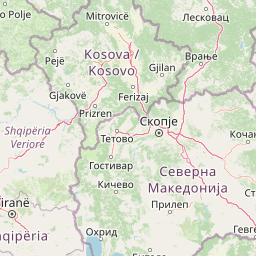
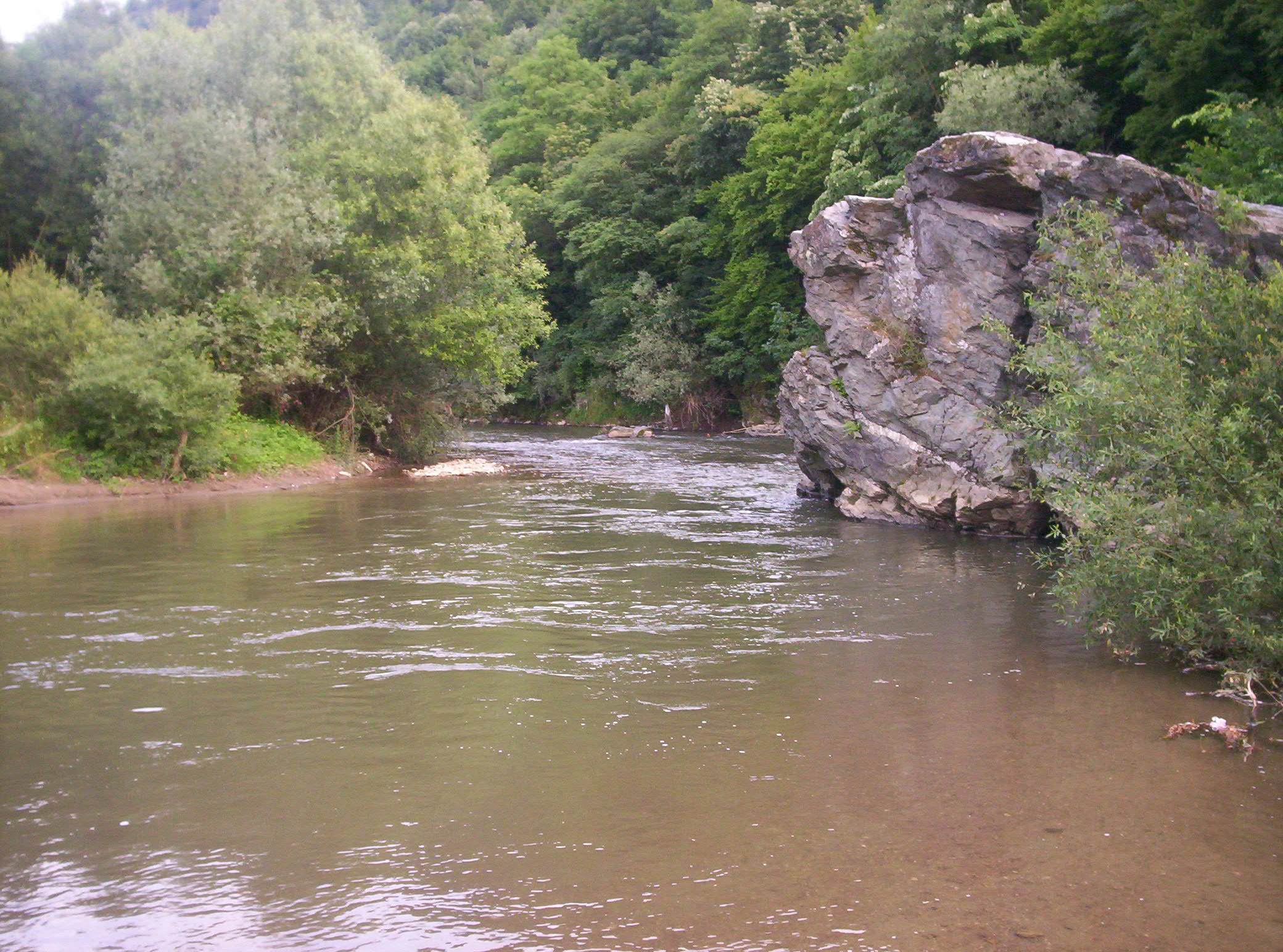
The Vlasina Ramsar Wetland landscape is characterized by its high-altitude setting within the Rhodopian mountains of southeastern Serbia. The terrain features mountainous relief with old geological formations, representing some of the region's oldest rocks. The Vlasina River flows through the area, feeding Vlasina Lake, which serves as the central feature of the protected wetland. Near Vlasotince, distinct volcanic remains from ancient eruptions are visible, providing geological interest beyond the wetland's ecological value. The landscape corresponds to a border area with Bulgaria, creating a transitional character between Serbian and Bulgarian terrain. The surrounding region includes smaller valleys and upland areas typical of mountain border landscapes.
Vlasina Ramsar Wetland ecosystems, habitats, and plant life
Vlasina Ramsar Wetland preserves a unique high-altitude freshwater ecosystem within Serbia's protected area network. The wetland environment centered on Vlasina Lake and the Vlasina River provides critical habitat for various species adapted to mountain lake conditions. The ecological character of the area differs significantly from Serbia's lowland wetlands, representing a rare example of elevated wetland ecosystems in the country. The surrounding Rhodopian landscape contributes additional habitat diversity, while the relatively limited human development in the region has helped maintain the wetland's natural ecological processes.
Vlasina Ramsar Wetland wildlife and species highlights
The Vlasina Ramsar Wetland and surrounding region support notable wildlife populations, with scientific discoveries continuing to reveal the area's biodiversity significance. In 2018, researchers announced the discovery of the European free-tailed bat in the Vlasina region, representing the first recorded instance of this species in Serbia. This discovery added the 31st bat species to Serbia's known fauna and identified the European free-tailed bat as the species with the largest wingspan in the country. The presence of this species suggests the area supports important bat populations and likely contains suitable roosting and foraging habitats within its wetland and surrounding environments.
Vlasina Ramsar Wetland conservation status and protection priorities
Vlasina Ramsar Wetland's designation under the Ramsar Convention in 2007 established international protection for this high-altitude wetland ecosystem. The Ramsar status commits Serbia to maintaining the wetland's ecological character and implementing appropriate conservation management. This protected status recognizes the wetland's importance for biodiversity conservation, water resource preservation, and environmental sustainability. The site represents one of Serbia's designated Wetlands of International Importance, contributing to the country's commitments under the Ramsar Convention on wetland conservation.
Vlasina Ramsar Wetland cultural meaning and human context
The Vlasina region encompasses traditional settlement areas within southeastern Serbia's borderland communities. The protected wetland area exists within a landscape shaped by generations of local population, though the region has experienced significant depopulation in recent decades. The municipalities of Crna Trava, Vlasotince, and Surdulica correspond to the Vlasina region's extent, representing areas with historical ties to the land and traditional land-use patterns. The region's relative remoteness and limited economic development have contributed to the preservation of its natural character alongside cultural continuity.
Top sights and standout views in Vlasina Ramsar Wetland
Vlasina Ramsar Wetland stands as Serbia's designated Ramsar site protecting a rare high-altitude mountain lake and river ecosystem in the Rhodopian border region. The wetland's international protection status, combined with significant wildlife discoveries including the European free-tailed bat, underscores its conservation importance. The area's volcanic geological features near Vlasotince, scenic river and lake landscape, and position as one of Serbia's premier mountain wetlands make it a distinctive protected area within the country's conservation network.
Best time to visit Vlasina Ramsar Wetland
The Vlasina Ramsar Wetland can be visited throughout the year, with each season offering different perspectives on the wetland landscape. Summer months typically provide the most accessible conditions for exploring the area's outdoor environments, while the changing seasons reflect the wetland's character within the broader mountain landscape. The high-altitude setting means the region experiences distinct seasonal variations, with winter bringing colder conditions typical of Serbia's mountainous border areas.