Mori Atlas logo
Countries

Browse and navigate the mapped natural landscapes and protected lands of Lithuania.

Lithuania's National Parks and Protected Areas: A Geographic Atlas Explorer

MoriAtlas provides a structured geographic overview of Lithuania's national parks and protected areas, enabling detailed exploration of its natural landscapes. Understand the regional context and mapped distribution of protected lands, using this country as a key entry point into a global atlas of conservation geography. Discover the extent and placement of natural reserves and park boundaries across Lithuania.

Lithuania's National Parks and Protected Areas: A Geographic Atlas Explorer
About

Discover the geographic distribution of protected areas across Lithuania's varied terrain and Baltic Sea coastline.

Explore Lithuania's National Parks: A Geographic Atlas of Protected Landscapes
MoriAtlas offers a structured entry point to Lithuania's national parks and other protected areas, mapping their distribution across this Northern European Baltic state. Explore the comprehensive atlas to understand the diverse conservation landscapes, from inland forests and glacial features to significant wetlands. This resource facilitates geographic discovery and navigation into individual park entities.

Lithuania is a unitary semi-presidential republic and one of three Baltic states in Northern Europe. It lies on the eastern coast of the Baltic Sea, with Vilnius as its capital and largest city. The country regained independence in 1990 after Soviet occupation and joined the European Union in 2004. Lithuania has a population of about 2.9 million and covers an area of 65,300 km².

Lithuania, officially the Republic of Lithuania, is a Baltic nation in Northern Europe. Historically, the Grand Duchy of Lithuania was one of the largest countries in Europe in the 14th century before forming the Polish-Lithuanian Commonwealth with Poland in 1569. After partitions of the Commonwealth, Lithuania was annexed by the Russian Empire until declaring independence in 1918. Following Soviet occupation during World War II, Lithuania restored its independence in 1990 and became a member of the European Union in 2004. The country operates as a semi-presidential republic with a mixed Catholic and secular population.

Largest city:Vilnius
Currency code:EUR
ISO code:LT
Parks count
3
Capital
Vilnius
Area
65,300 km²
Population
2,897,430 (2,025)

Coastal
Island
Mountainous
Landlocked
Park atlas3 parks

Explore Lithuania's Mapped Protected Landscapes and Conservation Areas

National Parks and Protected Areas of Lithuania: A Comprehensive Geographic Atlas
Discover the network of national parks and designated protected areas across Lithuania. This atlas view provides a structured geographic overview, enabling detailed exploration of conservation landscapes within this Baltic nation. Navigate through Lithuania's protected territories to understand their distribution and unique ecological significance.
National park

Aukštaitija National Park: Lithuania's Oldest National Park and Protected Landscape Exploration

Mapped geography and lake district atlas for this Baltic region park.

Delve into Aukštaitija National Park, Lithuania's pioneering national park and a key protected area in the Baltic region. This detailed atlas entry highlights its defining geography: an extensive mosaic of over 120 lakes interwoven with ancient pine forests across undulating highlands. Understand the park's protected landscape, its mapped boundaries, and its ecological significance within Eastern Europe's natural terrain.

Area
410.56 km²
Established
1974
IUCN
II
Relief
Upland
National park

Trakai National Historic Park: Medieval Heritage and Lake District Protected Landscape

Explore Lithuania's historic park and its mapped geographic context.

Trakai National Historic Park offers a rich tapestry of medieval history intertwined with a captivating lake district landscape. As a protected area in southeastern Lithuania, it preserves significant architectural monuments, including the iconic Trakai Castle, set against a backdrop of interconnected lakes, forests, and wetlands. MoriAtlas provides a structured overview of its geographic boundaries and regional setting, facilitating atlas-style exploration of this historically significant protected landscape.

Access
Moderate access
Scope
Mixed
Watercolor painting showing rolling hills, a lake, and green forests under a soft sky
National park

Žemaitija National Park: Mapped Glacial Terrain and Samogitian Protected Landscape

Explore protected areas and natural geography in Northwestern Lithuania.

Žemaitija National Park is a protected natural reserve in Lithuania, defined by its distinctive glacially sculpted landscape. This park preserves over 217 square kilometers of hilly terrain, featuring significant lake systems like Lake Plateliai and substantial forest cover interspersed with wetlands. Users can explore the park's unique topographic character, its mapped geographic features, and its role as a vital protected area within the Samogitian region, offering a rich context for atlas-based discovery.

Area
217.54 km²
Established
1991
IUCN
II
Relief
Highland
Landscape and environment

Understand how Lithuania is shaped by terrain, ecosystems, and seasonal conditions

Lithuania geography, nature, climate, and landscape context for park-focused travel research
Explore the physical geography, natural setting, and climate patterns of Lithuania through a location-first overview built for travel research, national park discovery, and broader regional context. This section helps explain how landscapes, habitats, and environmental conditions shape what people search for, where they travel, and how they experience protected areas in Lithuania.

Lithuania geography and landscape

Lithuania is situated on the eastern shore of the Baltic Sea in Northern Europe. It borders Latvia to the north, Belarus to the east and south, Poland to the south, and Russia's Kaliningrad Oblast to the southwest. The country also has a maritime border with Sweden to the west. The terrain is largely flat with rolling hills, numerous lakes, and rivers. The Nemunas River is the longest river in the country.

Lithuania nature and environment

Lithuania features diverse ecosystems including forests, wetlands, and coastal areas along the Baltic Sea. The country has several protected areas and national parks, with Aukštaitija National Park being one of the oldest. The Curonian Spit, a UNESCO World Heritage site shared with Russia, features unique sand dunes along the Baltic coast.

Lithuania climate and seasonal conditions

Lithuania has a humid continental climate with cold winters and mild summers. Average winter temperatures range from -5°C to -10°C, while summer temperatures average around 17°C to 20°C. The country experiences moderate precipitation year-round.

Explore this place

Related topics and popular queries

Ways to explore Lithuania
Useful phrases, related topics, and discovery prompts connected to Lithuania.
where is Lithuaniawhat is Lithuania known forBaltic countries LithuaniaLithuania geography and climateLithuania population and capitalLithuania countryBaltic statesVilnius capitalLithuania EU memberNorthern EuropeEastern Baltic
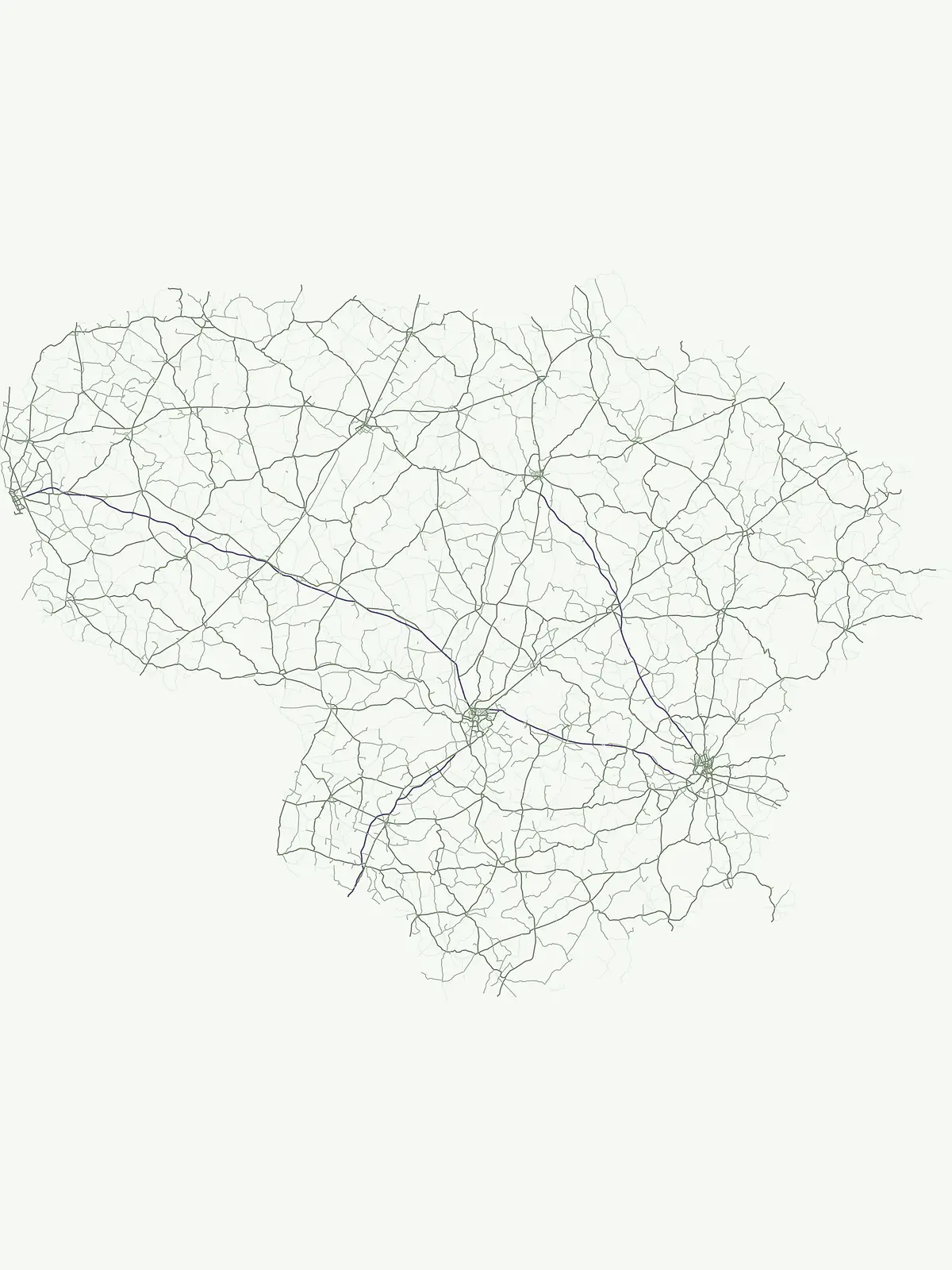
Park map

Visualize the spatial layout of Lithuania's protected areas and national parks across its Baltic terrain.

Explore the National Parks Map of Lithuania: Discover Protected Areas and Geographic Distribution
Preview the geographical spread of national parks and protected areas within Lithuania, visualizing their locations across the country's diverse landscapes and regional contexts. Open the dedicated map to explore a comprehensive atlas view of Lithuania's conservation landscapes, understanding their distribution in greater geographic detail.

Understanding Lithuania's Protected Landscapes, Geographic Distribution, and Conservation Context

Frequently Asked Questions About National Parks and Protected Areas in Lithuania
Explore common questions about Lithuania's national parks and protected areas, uncovering details on their geographic locations, unique features, and diverse landscapes. These structured insights provide valuable context for understanding the country's natural heritage, conservation efforts, and the regional spread of protected zones across the Baltic region.
Other countries

Expand your park atlas: Compare protected landscapes and national park geography across countries near Lithuania and throughout Northern Europe.

Explore National Parks and Protected Areas Beyond Lithuania: Discover Other Countries
Explore national parks and protected areas in various countries, expanding your geographic understanding of conservation landscapes beyond Lithuania. Use this atlas view to compare diverse regional park lists, facilitating deeper protected-area discovery and informed geographic exploration.

Ukraine National Parks and Protected Areas: Browse Mapped Landscapes

MoriAtlas facilitates a detailed geographic exploration of Ukraine's national parks and protected areas. This destination provides a structured overview of the country's conservation landscapes, allowing users to visually grasp their distribution and regional context. Understand the breadth of Ukraine's natural heritage through an atlas lens, supporting discovery of its unique geography and protected territories.

49 parks

Explore Sweden's National Parks and Protected Areas: A Geographic Atlas View

Navigate Sweden's rich collection of national parks and protected areas through MoriAtlas. This platform provides a structured overview of their geographic distribution, allowing for detailed map-based exploration of protected lands. Understand the landscape context and regional geography of Sweden's natural reserves, facilitating a comprehensive discovery of its conservation areas.

26 parks

Explore National Parks and Protected Areas Across Poland's Geography

Delve into the structured geography of Poland's protected natural areas. This atlas view highlights the distribution of national parks and other significant protected lands, offering insights into their regional context. Use this entry point to navigate and understand the geographic scope of conservation landscapes across Poland, from its diverse terrains to its mapped natural features.

25 parks

Slovakia National Parks and Protected Areas: Mapped Geographic Exploration

Delve into the structured atlas of Slovakia's national parks and protected areas. This page offers a geographically organized perspective, highlighting the distribution of protected lands and natural landscapes across the country. Understand the regional context and mapped boundaries of Slovakia's significant natural territories, providing a foundation for detailed geographic discovery and comparative exploration.

10 parks

Discover National Parks and Protected Areas Across Estonia | Geographic Atlas Overview

Navigate Estonia's protected natural areas, from national parks to conservation zones, with a geography-first approach. MoriAtlas presents a structured atlas view, highlighting the mapped boundaries and regional context of these important landscapes. This resource is ideal for understanding the geographic spread and ecological significance of protected lands within Estonia.

4 parks

Latvia's National Parks and Protected Areas: A Geographic Atlas Overview

Navigate the protected natural areas of Latvia through a comprehensive geographic lens. This atlas-focused resource details the mapped boundaries and distribution of national parks and protected lands, providing essential context for understanding the country's conservation efforts and natural terrain. Discover Latvia's diverse protected landscapes and explore their regional placement within Northern Europe.

3 parks

Belarus National Parks and Protected Landscapes: Geographic Atlas Overview

MoriAtlas offers a detailed atlas view of Belarus, focusing on its national parks and protected areas. Understand the geographic spread and mapped boundaries of conserved regions, providing essential context for exploring the nation's natural landscapes. This resource is designed for users seeking structured information on protected lands and their spatial relationships.

2 parks

Kosovo National Parks and Protected Areas: Geographic Atlas and Landscape Context

Navigate the protected natural areas of Kosovo through an atlas lens. This entry provides a comprehensive geographic overview, highlighting the distribution of national parks and protected lands. Understand the unique landscape features and regional context of conservation efforts within Kosovo, ideal for structured map-based exploration.

2 parks
MoriAtlas Explorer

Continue Your Global Geographic Exploration with MoriAtlas Park Discovery

Dive deeper into the world's protected landscapes and national parks through MoriAtlas's structured atlas interface. Discover how continents and countries are organized, and how individual park geography fits into the broader map. Our platform is built for understanding the distribution and context of protected areas worldwide, facilitating your journey through global natural geography.

Global natural geography