Protected areaMichoacán
About 27 km away#1 closest
Northwest
Zacapu Lagoon Protected Area: Mapping the Highland Wetlands of Central Michoacán, Mexico
An endemic-rich spring-fed wetland within the Lerma River basin system
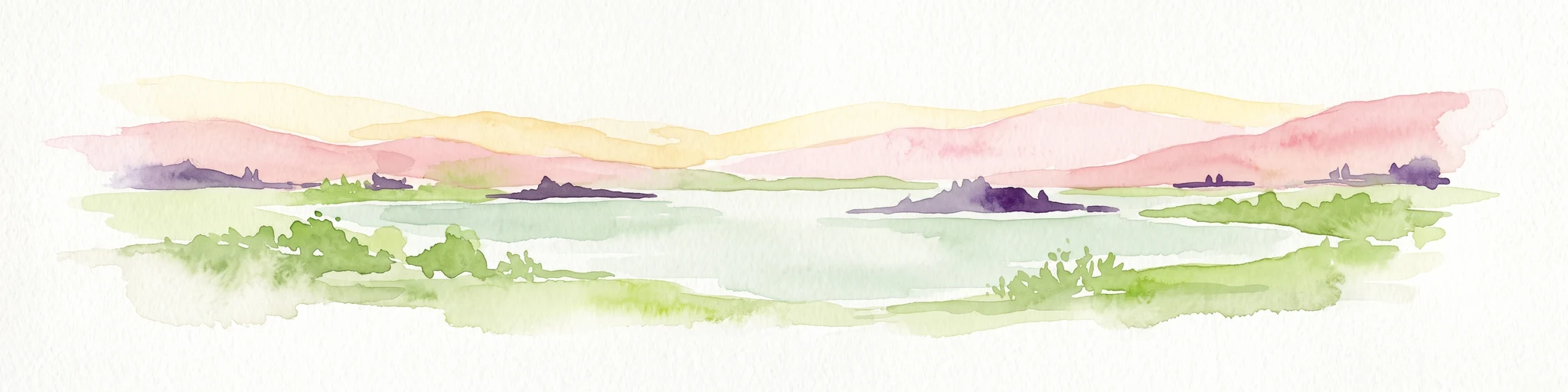
Located in the state of Michoacán, Zacapu Lagoon serves as a vital protected area and perennial wetland. This highland site is defined by its spring-fed waters and riparian vegetation, providing a crucial refuge for narrow-range endemic fish and amphibian species. The lagoon functions as a benchmark for understanding aquatic biodiversity within the complex hydrological network of the Mexican highlands.
- Area
- 0.216 km²
- Established
- 2003
- Relief
- Lowland
- Scope
- Terrestrial