England's newest national park protecting iconic chalk downland and ancient Weald woodlands
South Downs National Park
South Downs National Park is England's newest national park, designated on 31 March 2010 and officially coming into operation on 1 April 2011. The park stretches for 140 kilometres across southern England from St Catherine's Hill near Winchester in Hampshire to Beachy Head near Eastbourne in East Sussex, encompassing the famous chalk hills of the South Downs and a substantial portion of the western Weald. This landscape of rolling chalk escarpments, dry valleys, and densely wooded sandstone hills covers approximately 1,627 square kilometres and supports a population of around 108,000 people across three counties.
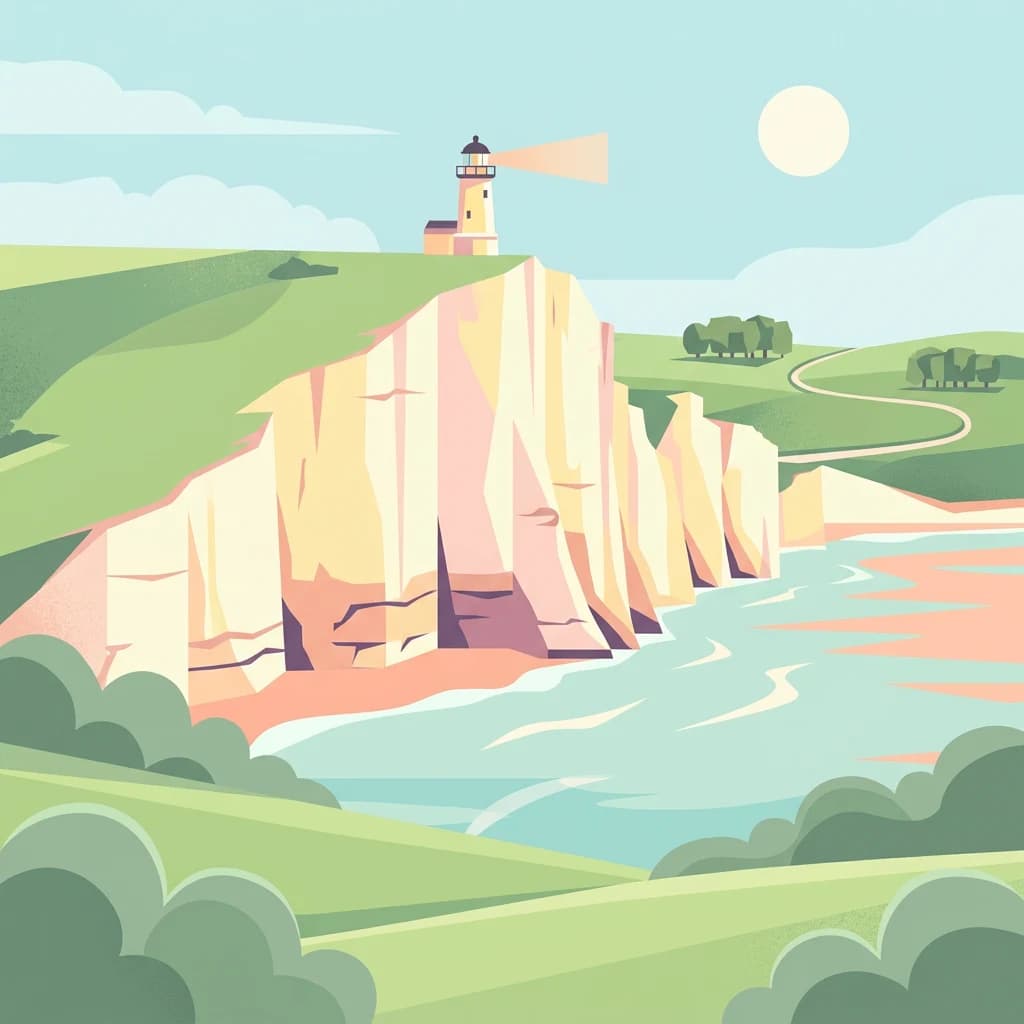
The park protects one of Britain's most distinctive landscapes, characterized by its white chalk cliffs along the Sussex coast—including the iconic Seven Sisters and Beachy Head—and the smooth, rolling downland hills that form a dramatic north-facing escarpment. Beyond the chalk downland, the park incorporates the western Weald, a strongly contrasting landscape of heavily wooded sandstone and clay hills and vales. The South Downs Way, the only National Trail lying wholly within a single national park, traverses the entire length of the park along the chalk ridge.
The designation of South Downs as a national park represents the culmination of nearly nine decades of advocacy, with early proposals dating back to the 1920s. The park is administered by the South Downs National Park Authority, which serves as both a conservation body and a planning authority for the area. In 2016, the park achieved International Dark Sky Reserve status, recognizing the quality of its nocturnal dark skies and efforts to control artificial light pollution.