
Why Cévennes National Park stands out
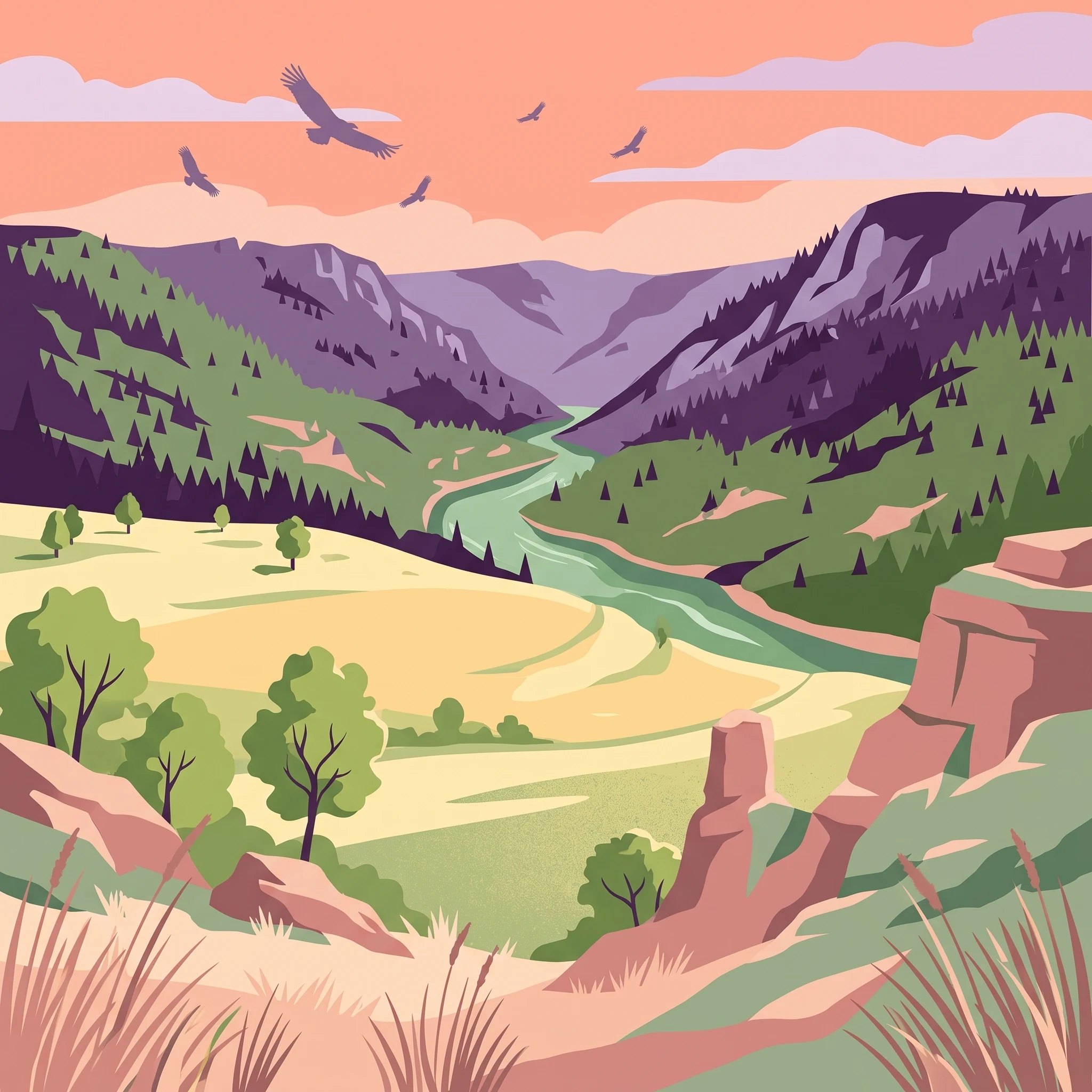
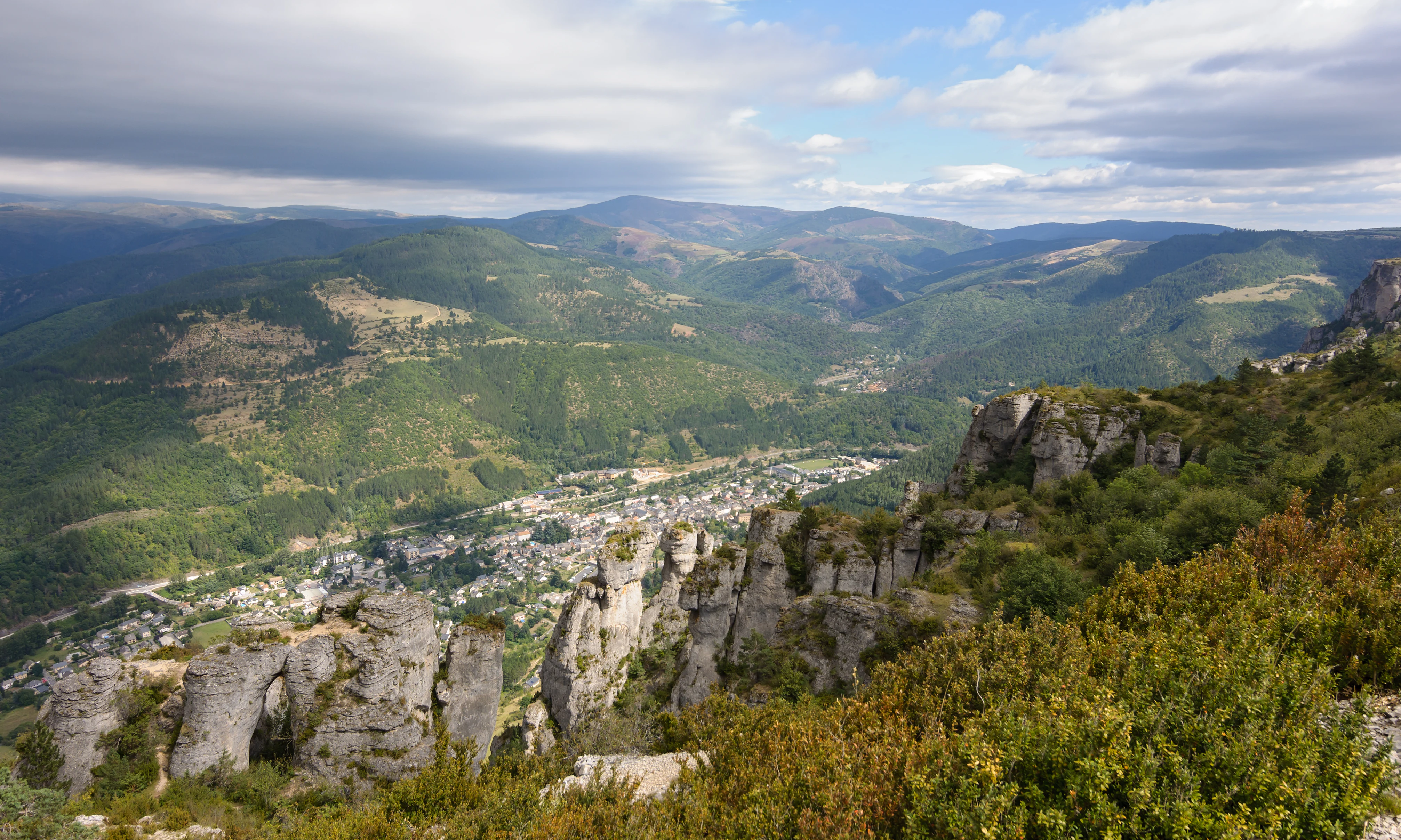
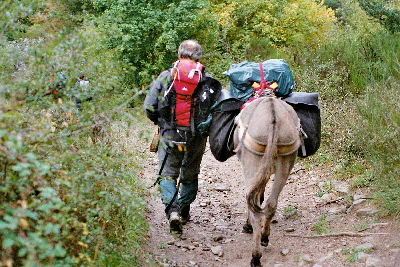
Cévennes National Park is best known for its exceptional combination of mid-mountain Mediterranean landscapes, living agricultural heritage, and remarkable biodiversity. The park protects the dramatic limestone causse plateaus like Causse Méjean, the deep gorges of the Tarn and Jonte rivers with their vertical cliff walls, and the steep schist valleys of the Cévennes. It is famous for its successful vulture reintroduction program, with three species, griffon vulture, bearded vulture, and Egyptian vulture, now thriving in the gorges. The Stevenson Trail (GR70), the famous long-distance hiking route following Robert Louis Stevenson's 1879 journey with an donkey, traverses the park and remains a major attraction. The park is also notable as the only French national park where hunting is permitted in the core zone and where permanent residents continue traditional agricultural and pastoral activities.
Cévennes National Park history and protected-area timeline
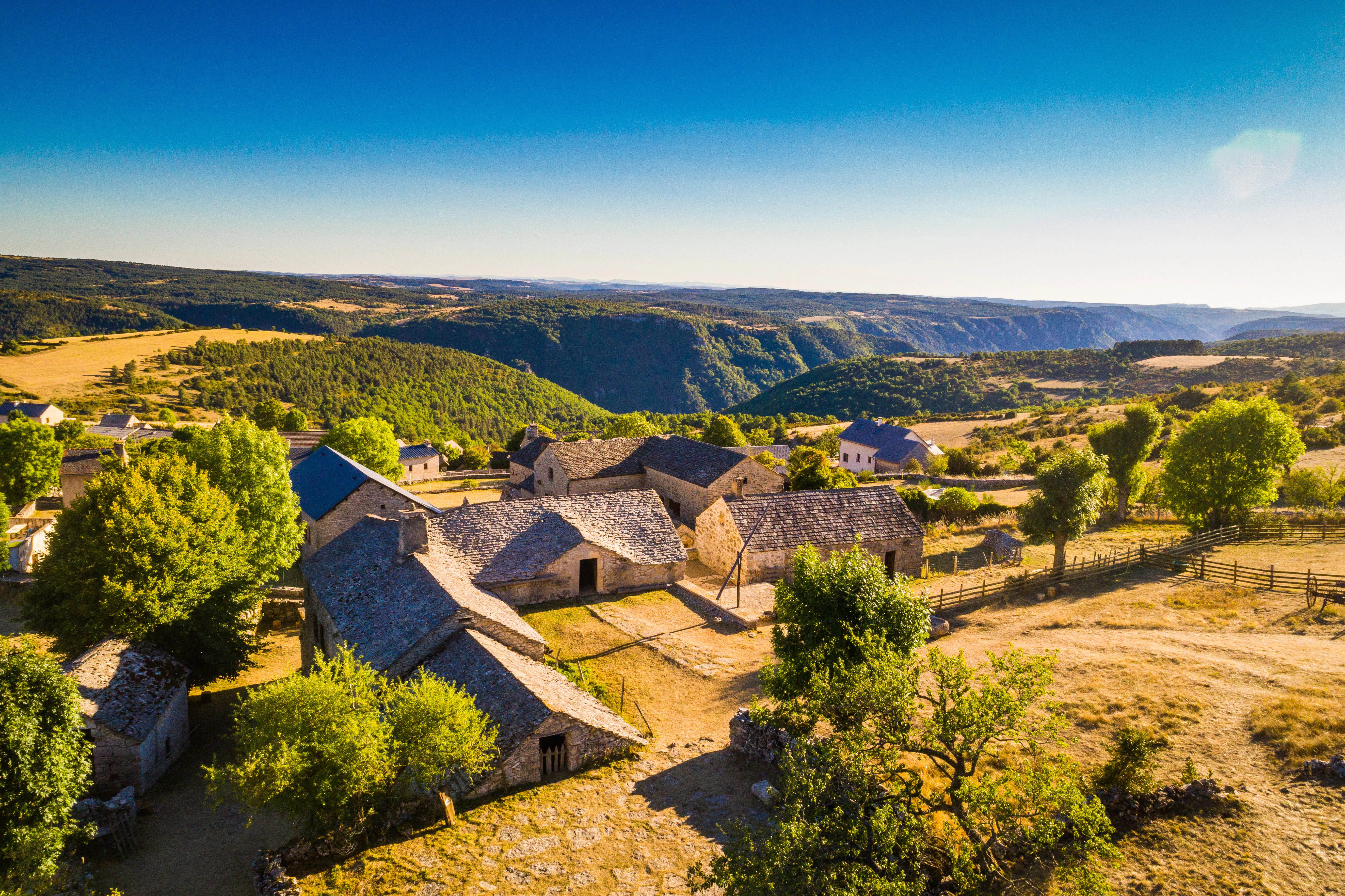
The Cévennes region carries a powerful historical identity rooted in Protestantism and the Camisard revolt of 1702-1704, an armed uprising following the revocation of the Edict of Nantes in 1685. The rebellion saw local Protestant peasants resist royal persecution in the mountainous terrain they knew intimately, and numerous sites throughout the park preserve memories of this conflict, including the temple at Le Rouve which now houses a permanent exhibition. The modern movement to protect the Cévennes emerged in the early 20th century, with spéléologist Édouard-Alfred Martel proposing a national park in 1913 and the Club Cévenol and other associations later advocating for preservation. After World War II, the Lozère departmental council revived the idea in 1956, leading to the creation of the Association du Parc National Culturel des Cévennes in 1957. The park was officially created by decree on September 2, 1970, becoming France's fourth national park. The establishment process involved significant negotiation, particularly regarding the rights of permanent residents—unlike other French national parks, the Cévennes was designed to allow continued agriculture and hunting in the core zone. In 1985, the park received UNESCO Biosphere Reserve designation, and in 2011, it became part of the World Heritage-inscribed Causses and the Cévennes, Mediterranean agro-pastoral Cultural Landscape.
Cévennes National Park landscape and geographic character
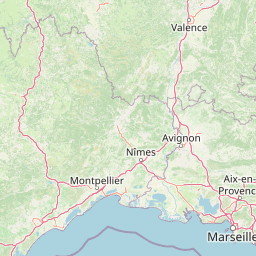
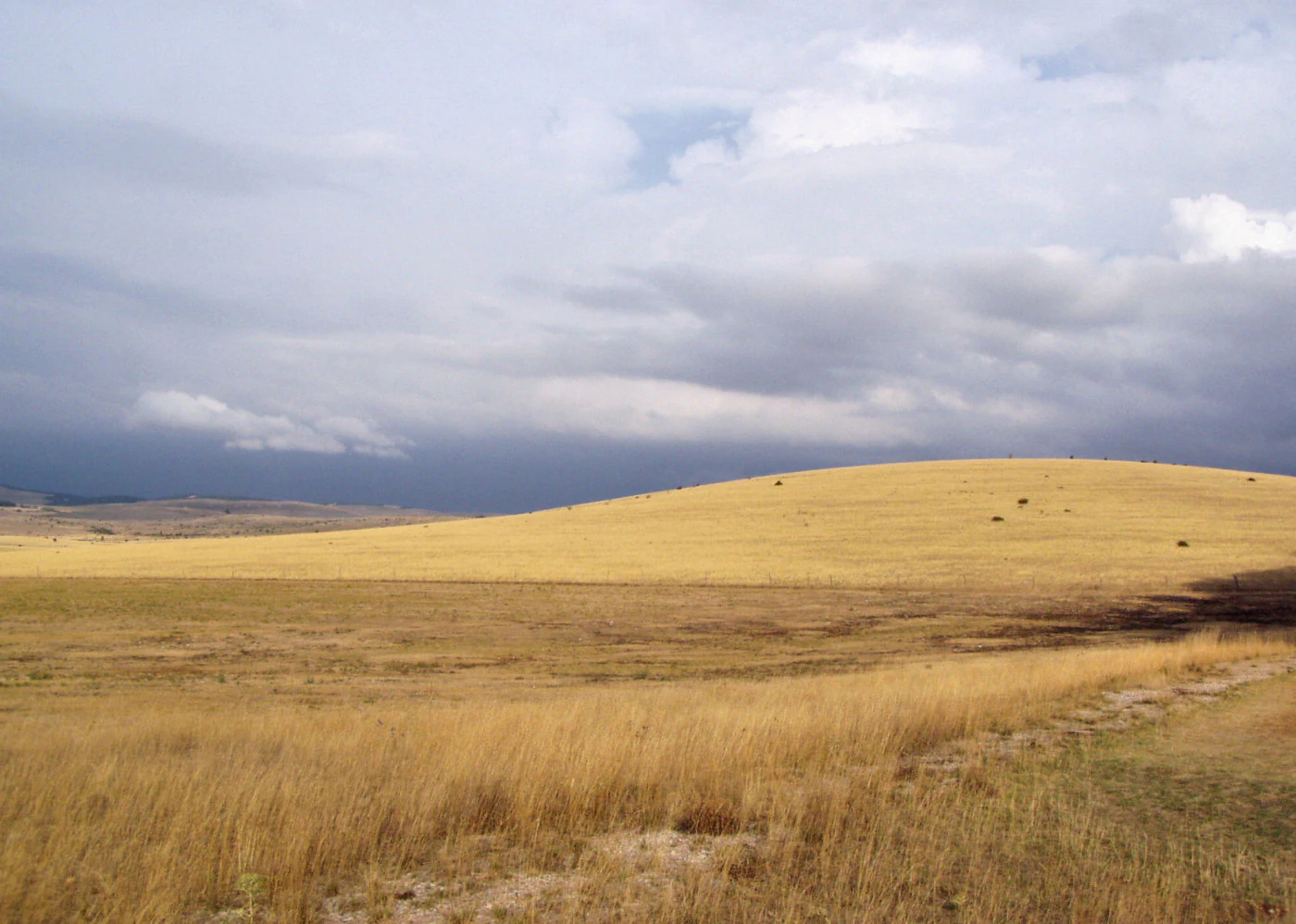
The physical landscape of Cévennes National Park encompasses remarkable topographical diversity across a relatively compact area. The park is formed of four distinct geographical entities: the Mont Aigoual massif in the south, the Causse Méjean with the gorges of the Tarn and Jonte in the west, Mont Lozère in the north, and the steep vallées cévenoles in the east. Mont Lozère's granite summit at Finiels reaches 1,699 metres, the park's highest point, while the lowest elevations around 117 metres occur near Anduze. The limestone causse plateaus, including Causse Méjean, rise between 800 and 1,200 metres and are deeply incised by river gorges whose vertical cliffs descend 500 to 600 metres in what are locally called « traits de scie » or saw-tooth patterns. The schist-dominated Cévennes slopes feature steep terrain with over 1,000 metres of elevation change, carved by successive serres (ridges) and narrow valleys. The geological foundation includes ancient Paleozoic rocks—schists, Carboniferous deposits, and granites dating approximately 300 million years—overlaid by Mesozoic limestone and dolomite formations. The park spans the watershed divide between the Atlantic (Garonne basin via the Lot and Tarn) and Mediterranean (Rhône basin via the Gardon, Cèze, and Hérault) drainage systems.
Cévennes National Park ecosystems, habitats, and plant life
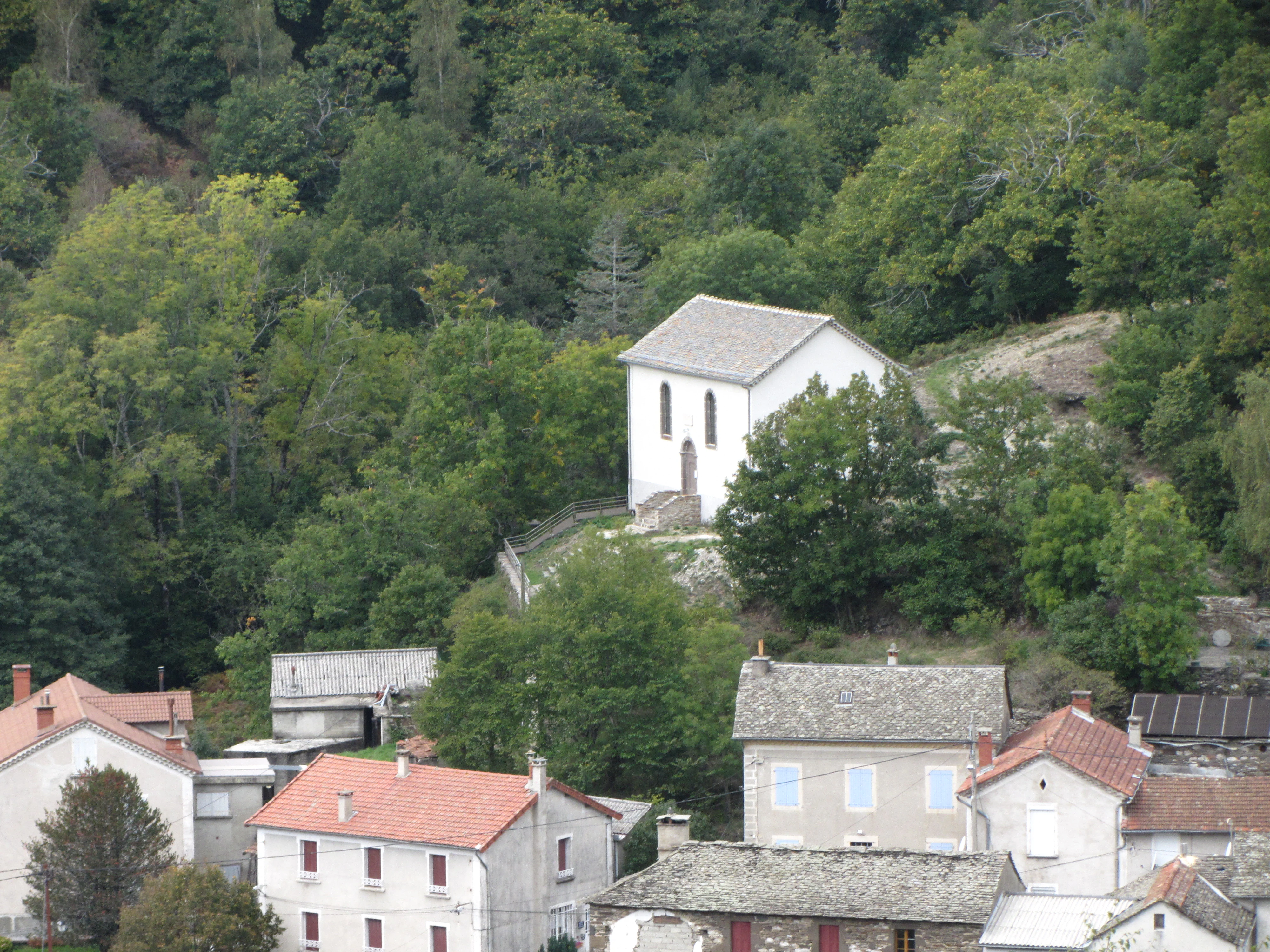
The ecological character of Cévennes National Park reflects its position at the crossroads of Mediterranean and mountain biogeographical regions, creating exceptional habitat diversity within a relatively limited area. The park supports approximately 2,250 plant species, representing about 40% of France's total flora on just 0.5% of the national territory. Vegetation zones range from the meso-Mediterranean stage in the southern gorges through chestnut forest zones to subalpine conditions on Mont Lozère. The forests, covering over 70% of the park's territory, include ancient beech and oak woodlands, chestnut coppice groves emblematic of the Cévennes landscape, and increasingly diverse plantation forests. The karst geology of the causse plateaus creates distinctive underground ecosystems, while the river systems host diverse aquatic communities. The park's UNESCO Biosphere Reserve designation since 1985 recognizes this ecological significance, with the core zone designated as an IUCN Category II protected area. The Mediterranean agro-pastoral practices that have shaped the landscape for millennia maintain the critical balance between forested areas and open grasslands that supports the park's extraordinary biodiversity.
Cévennes National Park wildlife and species highlights
Cévennes National Park hosts an impressive diversity of wildlife, with over 2,400 animal species documented representing a remarkable concentration of France's fauna. The park supports 70 mammal species (out of 135 in France), 195 bird species (including 135 breeding species), 16 amphibian species, 15 reptile species, 23 fish species, and more than 2,000 invertebrate species including 1,824 insect species. The park is particularly renowned for its raptors, with more than twenty species of diurnal birds of prey and seven owl species, including the golden eagle, peregrine falcon, and eagle owl. The successful vulture reintroduction program stands as a conservation success story: griffon vultures were reintroduced in 1981 and by 2015, 443 breeding pairs inhabited the gorges of the Tarn and Jonte; bearded vultures have been reintroduced since 2012; and Egyptian vultures have returned naturally. Large ungulates including red deer, roe deer, and mouflon have returned or been reintroduced. The park also documents concerning trends, including the expansion of wild boar populations and the return of wolves since 2012, as well as the loss of species like the little bustard and grey partridge.
Cévennes National Park conservation status and protection priorities
Cévennes National Park serves multiple conservation functions through its dual national park and UNESCO Biosphere Reserve designations, combined with its International Dark Sky Reserve status achieved in 2018, making it Europe's largest dark sky protected area. The park's conservation approach is distinctive because it integrates human activity into the protection model—the core zone remains inhabited and actively farmed, unlike other French national parks. Agricultural support programs encourage environmentally responsible practices through agri-environmental measures, and the park promotes agro-ecology and organic farming. The « Esprit parc national » branding helps market products from farms adhering to sustainable practices. Forest management in the core zone aims to increase natural character by promoting native species, natural regeneration, heterogeneous stand structures, and longer forestry cycles with deadwood retention. The park's 42 strictly threatened species include 11 endangered and 31 vulnerable species, while 103 species fall under the EU Habitats Directive and 48 under the Birds Directive. Hunting is permitted in the core zone with specific regulations, reflecting the park's Category V IUCN classification distinguishing it from strictly protected French national parks.
Cévennes National Park cultural meaning and human context
The cultural identity of Cévennes National Park is profoundly shaped by its Protestant heritage and the historical Camisard revolt that followed the revocation of the Edict of Nantes in 1685. The region became a center of armed resistance when Protestant peasants, familiar with every mountain path and hiding place, mounted a guerrilla campaign against royal forces. This history left enduring traces throughout the park's villages and landscapes, commemorated at sites including the temple at Le Rouve, now a memorial to the Camisard struggle. The Museum of the Desert near Anduze preserves the broader history of French Protestantism. Beyond this historical dimension, the park represents a living cultural landscape where agro-pastoral traditions have shaped both terrain and biodiversity for millennia. These Mediterranean farming practices, recognized by the UNESCO World Heritage inscription, create the mosaic of forests and open grasslands that defines the Causses and Cévennes. The park's unusual model allowing permanent residents and continued agriculture in the core zone emerged from the « Mazerot contracts » developed by the sub-prefect of Florac in the late 1960s, a compromise that prevented the depopulation that had afflicted other mountainous French regions following strict protection policies.
Top sights and standout views in Cévennes National Park
Cévennes National Park offers exceptional experiences across its varied terrain: exploring the deep gorges of the Tarn and Jonte where griffon vultures soar above vertical limestone cliffs; walking the Stevenson Trail (GR70) following Robert Louis Stevenson's 1879 journey through the Mont-Lozère region; visiting the Aven Armand cave with its monumental stalagmite formations on Causse Méjean; observing the vulture nesting colonies from the belvedere near Le Rozier; discovering the historic temples and museums commemorating the Camisard Protestant revolt; experiencing the Dark Sky Reserve on clear nights when the Milky Way spans the unpolluted sky; and exploring the chestnut grove landscapes that characterize the vallées cévenoles. The park's cultural heritage also includes the « Esprit parc national » network of local producers offering farm products, honey, and regional specialties. The administrative seat in Florac Castle provides visitor information about the park's multiple landscapes and protected species.
Best time to visit Cévennes National Park
Cévennes National Park offers distinct experiences across seasons: spring brings wildflower displays across the causse plateaus and is ideal for birdwatching as migratory species return; summer provides warm conditions for hiking the Stevenson Trail and exploring gorges, though afternoon thunderstorms can occur given the Mediterranean climate; autumn offers the celebrated chestnut harvest in the vallées cévenoles and the dramatic spectacle of vultures congregating before migration; winter transforms the higher terrain with snow on Mont Lozère while the lower valleys remain accessible. The « Cévenol episodes »—intense autumn rainfall events when Mediterranean moisture collides with Atlantic air over the mountains—can bring sudden heavy rains and flooding, particularly in September and October. The park's approximately one million annual visitors concentrate around summer and the October chestnut season, so spring and late autumn offer quieter exploration. The International Dark Sky Reserve designation makes the park particularly appealing for stargazing from September through April when nights are longest and clearest.