Why Lower Oder Valley National Park stands out
Lower Oder Valley National Park is best known for being Germany's only remaining intact polder landscape, a Dutch-style engineered floodplain system that has no parallel elsewhere in the country. The park is renowned as a premier birdwatching destination, hosting the largest breeding colony of the black tern in Germany and significant populations of species such as the black stork, corn crake, and aquatic warbler. The seasonal flooding creates one of Central Europe's most important staging areas for migratory waterbirds, with thousands of cranes and swans gathering here during autumn migration. The park also features rare Mediterranean vegetation including the pubescent oak at the northern edge of its range, and supports populations of European otters and beavers in its waterways.
Lower Oder Valley National Park history and protected-area timeline
The Lower Oder Valley's protection evolved from growing recognition of the area's ecological significance and the need for transboundary conservation between Germany and Poland. Following the reunification of Germany and the improvement of relations with Poland in the early 1990s, the German-Polish Environmental Council initiated discussions in 1992 about establishing a joint nature reserve covering the lower Oder valley. Environment ministers from both countries, along with the Brandenburg state government and the voivode of Szczecin, created the Lower Oder Valley International Park as a framework for coordinated conservation across the border.
The German portion was formally established as Nationalpark Unteres Odertal in 1995 and officially opened in September of that year, with the legal framework finalized through the National Park Act of 1995 (NatPUOG). The park was later expanded and its management framework modified through a legislative revision in 2006, which adjusted the timeline for establishing fully protected zones and set a target of 50.1 percent of the area as strictly protected total reserves. The park administration is based at the National Park Center in Criewen, located on the grounds of a historic manor. The area had historically been used for agriculture and as flood protection zones, with the polder system dating back to Dutch-style engineering interventions that transformed the floodplain over centuries.
Lower Oder Valley National Park landscape and geographic character
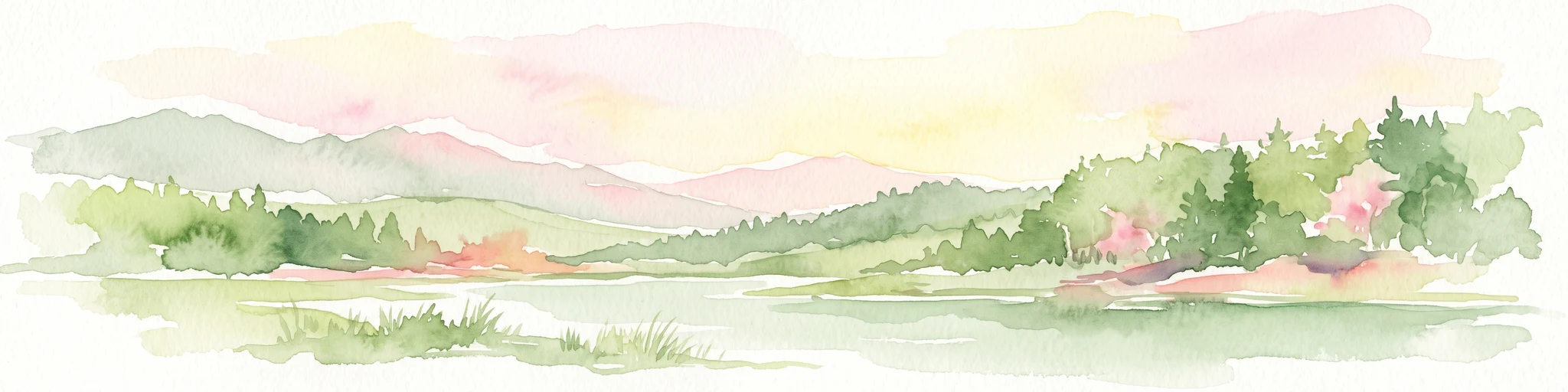
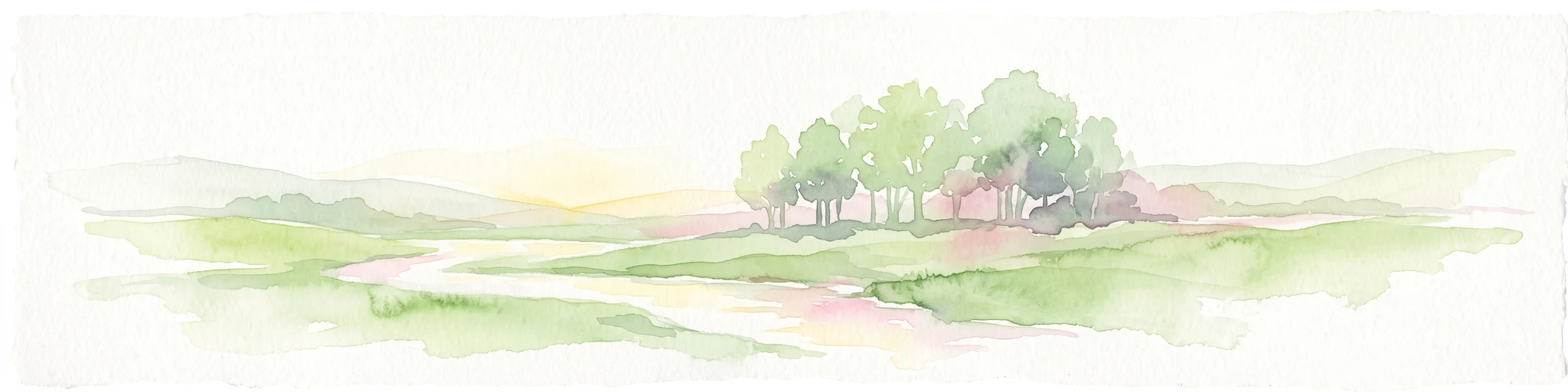
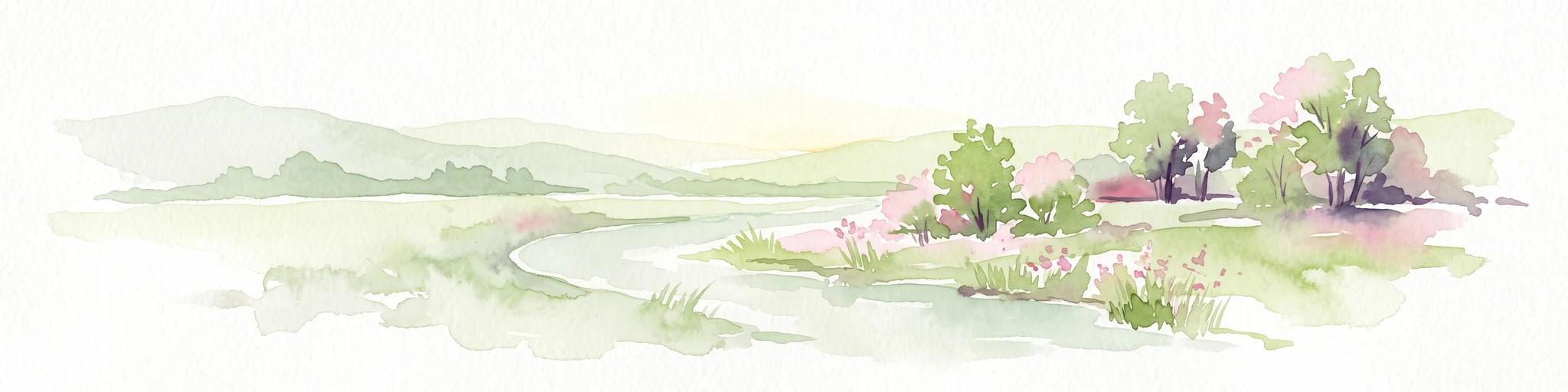
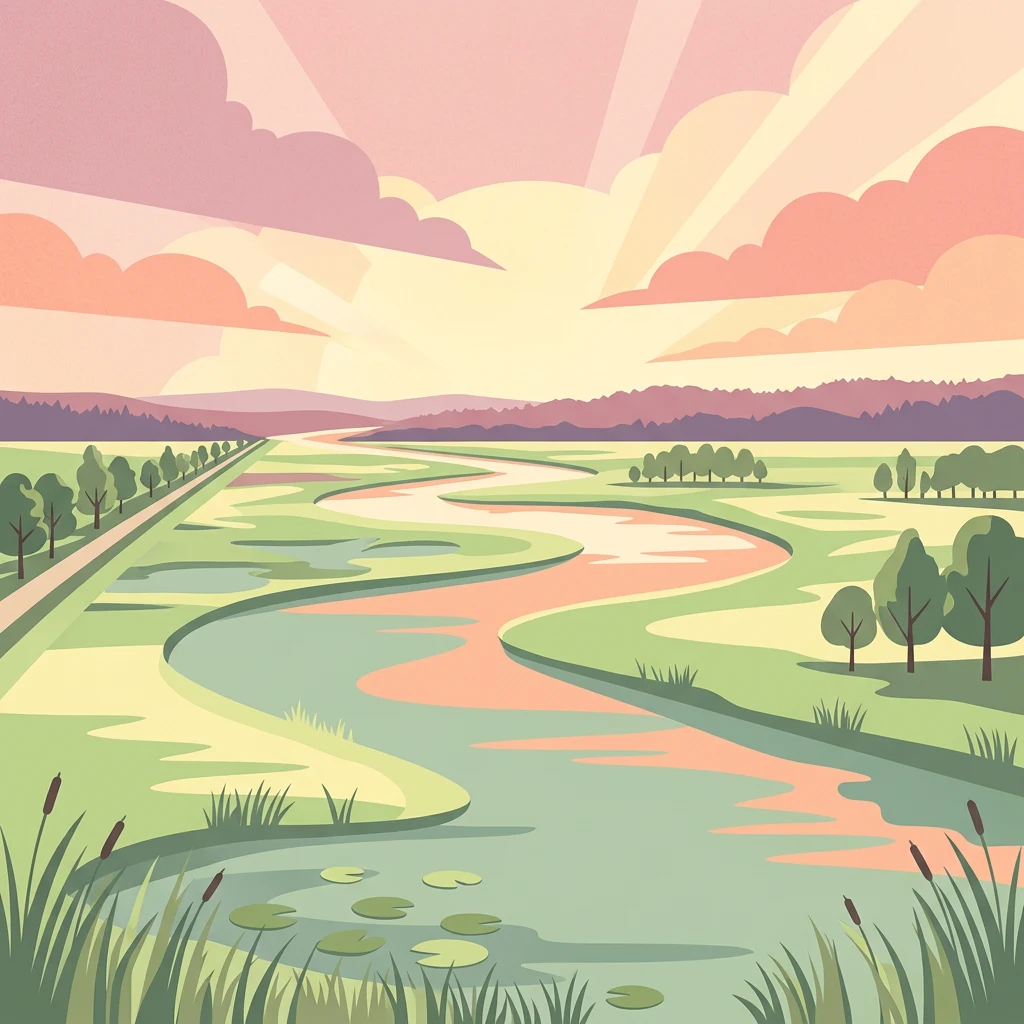
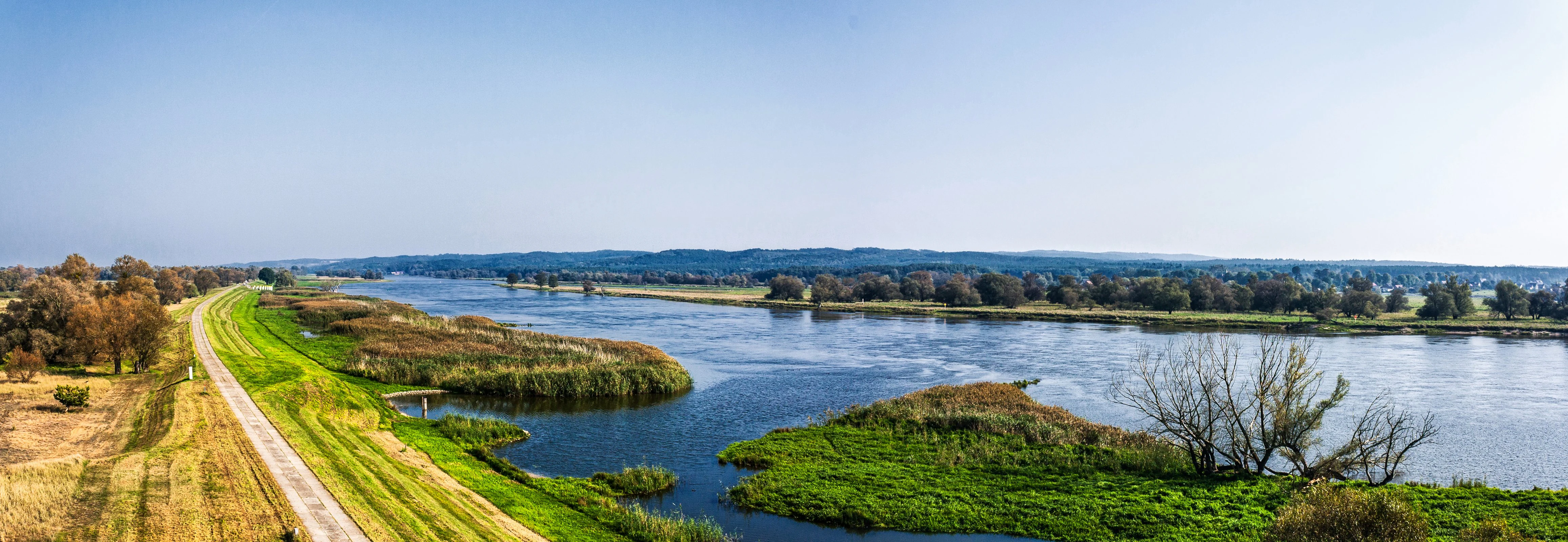
The physical landscape of Lower Oder Valley National Park is defined by the Oder River's floodplain and the engineered polder system that characterizes the German bank. The western side of the river features a nearly flat terrain of alluvial meadows, former river channels, and low-lying basins protected by a system of winter dikes running along the valley edge and summer dikes closer to the river channel. This polder landscape, modeled on Dutch drainage techniques, is unique in Germany and represents one of the last remaining intact systems of its kind in Central Europe.
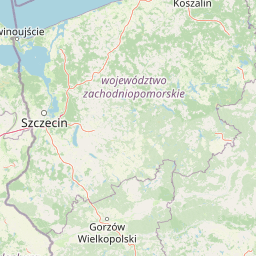
The eastern bank in Poland rises more steeply, with bluffs and slopes reaching elevations around 100 meters above sea level. These steeper slopes support different ecological communities including remnants of original oak forests on particularly rugged terrain. The transition between the flat floodplain and the rising uplands creates a visually distinct landscape that defines the valley's character. The park also incorporates the Hohensaaten-Friedrichsthaler Wasserstraße, a parallel navigation canal that influences the hydrology of the western shore. The overall impression is one of expansive open wetland scenery, with distant horizons broken only by the line of dikes, scattered farmsteads, and the occasional observation tower.
Lower Oder Valley National Park ecosystems, habitats, and plant life
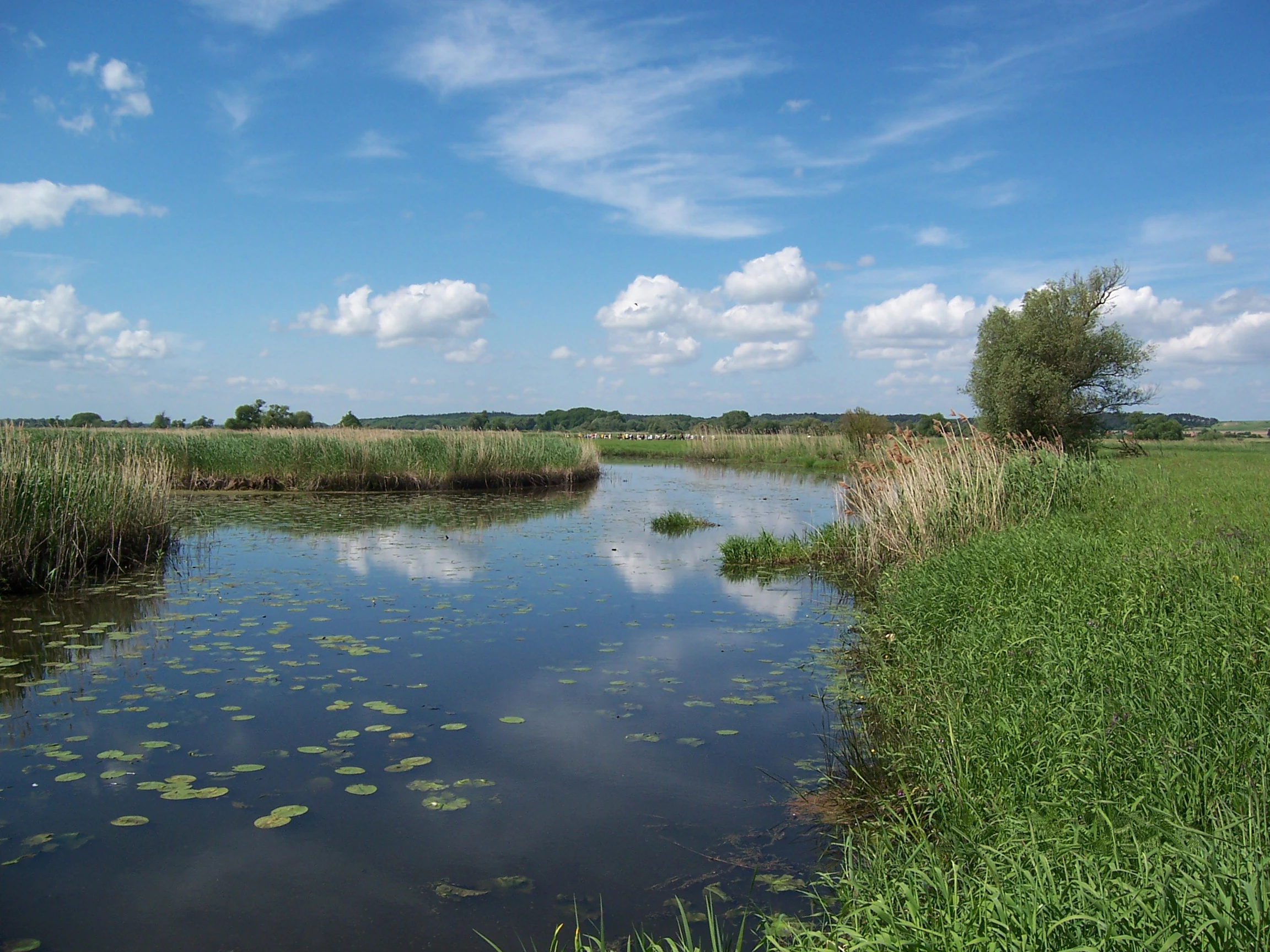
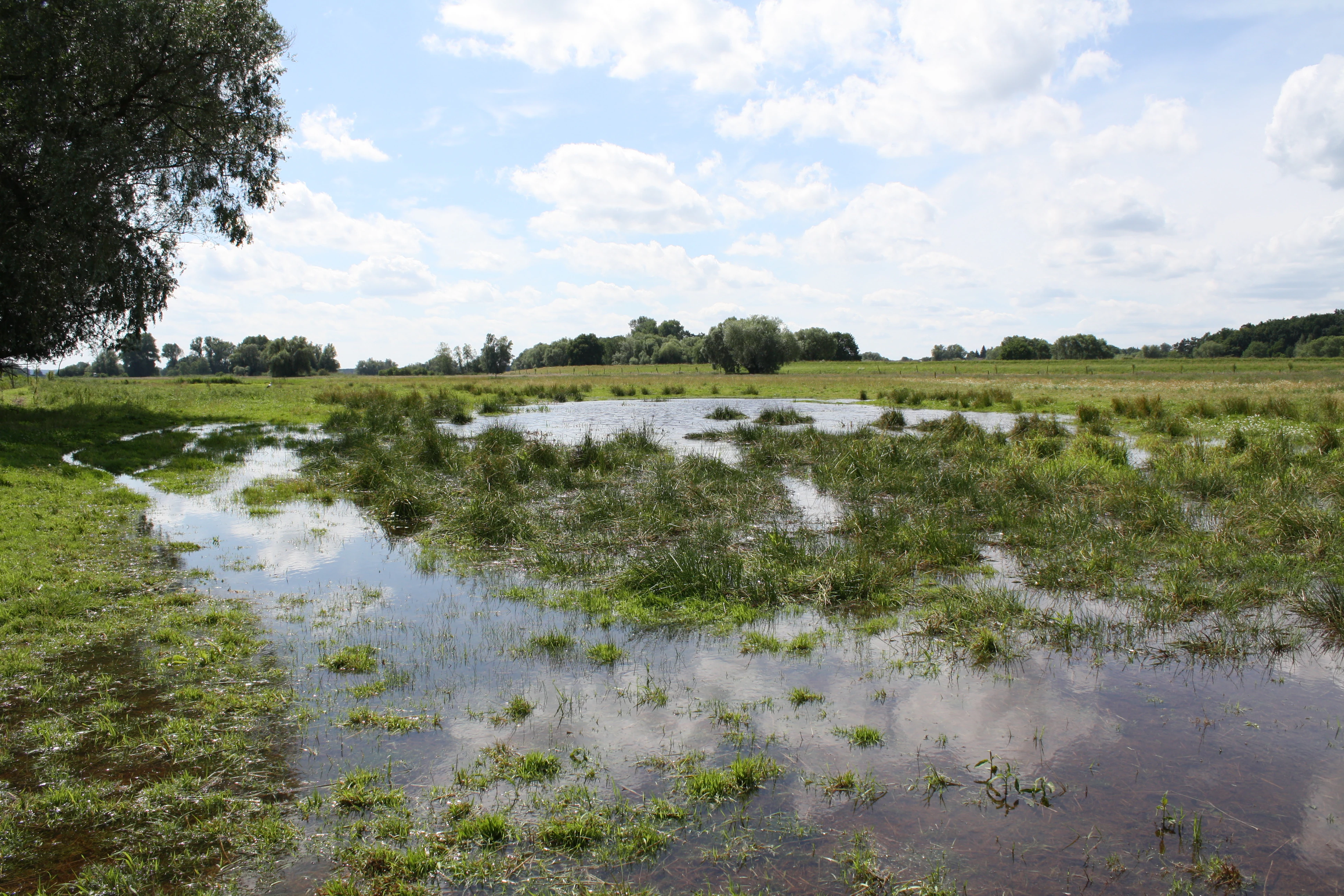
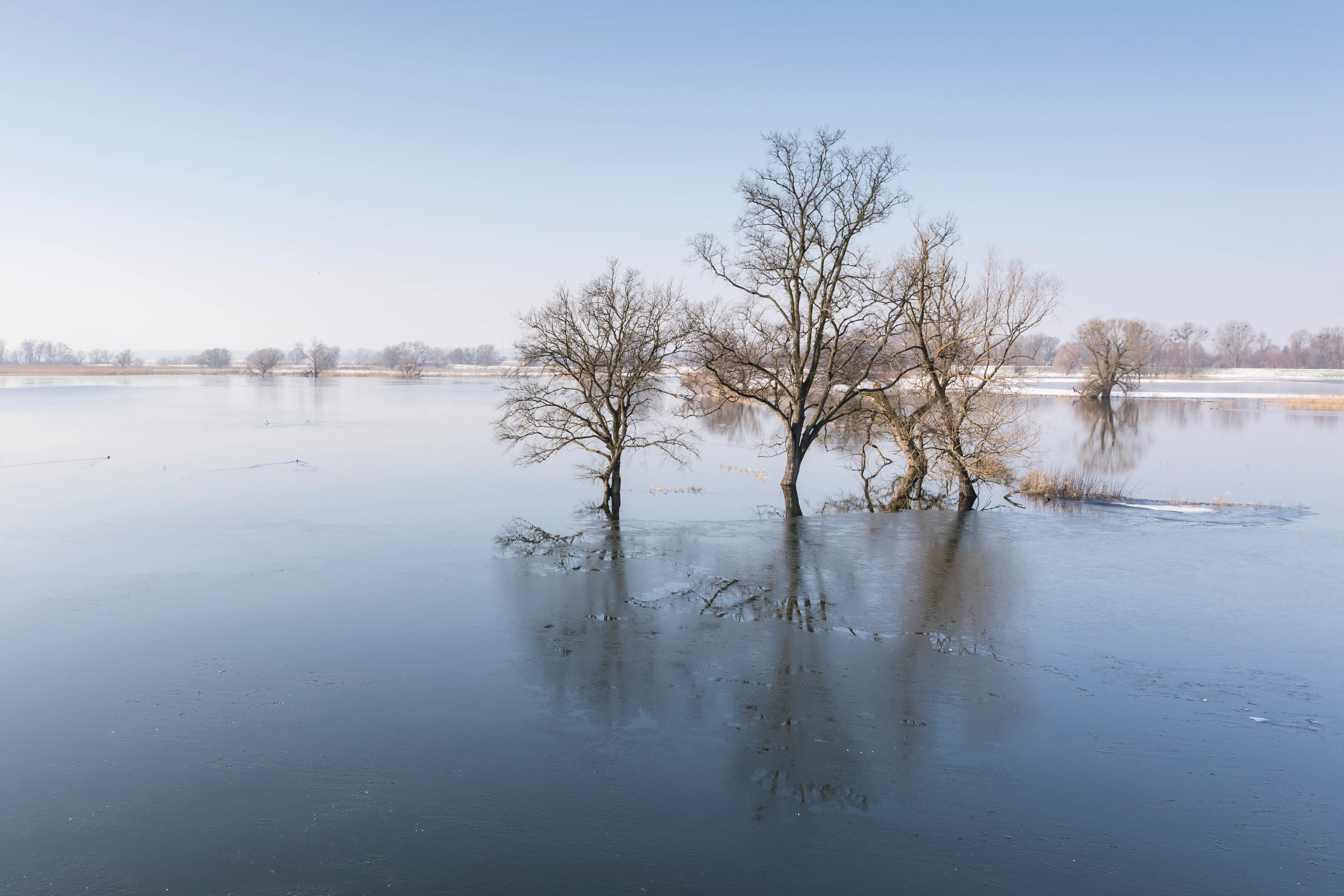
The ecological character of Lower Oder Valley National Park centers on its dynamic floodplain ecosystem, which operates under a managed flooding regime that mimics natural pulse dynamics. The winter flooding of the polder meadows from December through April creates extensive shallow water habitat that attracts large numbers of migratory birds and supports breeding populations of wetland species. The subsequent drainage in spring allows the meadows to be used for hay production and livestock grazing during summer and autumn, maintaining the traditional open grassland character of the landscape.
The park contains important habitats for numerous species listed under European conservation directives. The meadows serve as breeding grounds for the aquatic warbler, corn crake, and black stork, while the riparian woodlands and forest patches on the valley slopes provide nesting habitat for species including the golden oriole. The aquatic environment supports populations of European otters and beavers, both of which have recovered from historical persecution. The presence of the pubescent oak on the valley slopes represents a notable botanical feature, as this Mediterranean species reaches near its northern limit here. The overall ecosystem represents a mosaic of floodplain wetlands, grasslands, riparian forests, and slope woodlands that supports high biodiversity within a relatively small area.
Lower Oder Valley National Park wildlife and species highlights
Lower Oder Valley National Park supports an exceptional concentration of birdlife, particularly during migration periods when the flooded meadows provide critical staging habitat for waterfowl and waders. The park is designated as a Special Protection Area under European law due to its importance for breeding and migratory birds. Notable species include the black stork, which breeds in the woodland patches on the valley slopes, and the aquatic warbler, a globally threatened songbird that nests in the reed beds and wet meadows. The corn crake, another species of conservation concern, breeds in the tall grassland of the floodplains.
The park hosts the largest breeding colony of black terns in Germany and supports significant populations of species including the common snipe, redshank, and lapwing. During autumn migration, thousands of cranes gather in the park before their journey south, and whooper and Bewick's swans stage here in large numbers. Among the mammals, the European otter and European beaver have established sustainable populations in the river and canal systems. The park has also documented occasional visits from migrating elk. A reintroduction program for Atlantic sturgeon has been ongoing since 2006, with juvenile fish released into the Oder to restore this historically extirpated species.
Lower Oder Valley National Park conservation status and protection priorities
Lower Oder Valley National Park plays a significant role in European conservation as part of the Natura 2000 network and as the German component of a transboundary protected area spanning the German-Polish border. The park's conservation value derives primarily from its floodplain ecosystem, which provides habitat for numerous species protected under the EU Birds and Habitats Directives. The managed flooding regime, while artificially maintained through the dike system, successfully replicates the ecological functions of natural floodplains that have been lost in most of Central Europe.
The park faces ongoing challenges related to its dual function as a nature reserve and an agricultural landscape. Approximately 4,700 hectares of grassland within the park remain under agricultural use, with about 30 farming operations maintaining around 2,500 mother cows, 550 dairy cows, and 3,500 sheep. These operations receive funding through contractual nature conservation agreements that support measures such as breeding bird protection, dry grassland management, and restrictions on fertilizer use. The 2022 environmental disaster involving mass fish deaths in the Oder, caused by harmful algal blooms likely related to industrial pollution, demonstrated the vulnerability of the park's aquatic ecosystems to external threats and underscored the importance of cross-border water quality cooperation.
Lower Oder Valley National Park cultural meaning and human context
The Lower Oder Valley has a long history of human settlement and agricultural use that has shaped the landscape over centuries. The polder system represents a tradition of floodplain management inherited from Dutch engineering practices that transformed the wetland into productive meadows. The valley has historically served as a transportation corridor and boundary region between German and Polish territories, a role reflected in the transboundary nature of the contemporary protected area.
The village of Criewen, where the National Park Center is located, preserves elements of rural heritage associated with the floodplain's agricultural history. The ruins of Stolpe Castle on a hill south of Schwedt offer cultural interest and provide panoramic views over the valley. The Oder-Neiße cycle path, which follows the course of the river and the park's dike system, passes through the area, connecting the landscape to the broader context of German-Polish reconciliation and cooperation that followed World War II and the normalization of relations between the two countries.
Top sights and standout views in Lower Oder Valley National Park
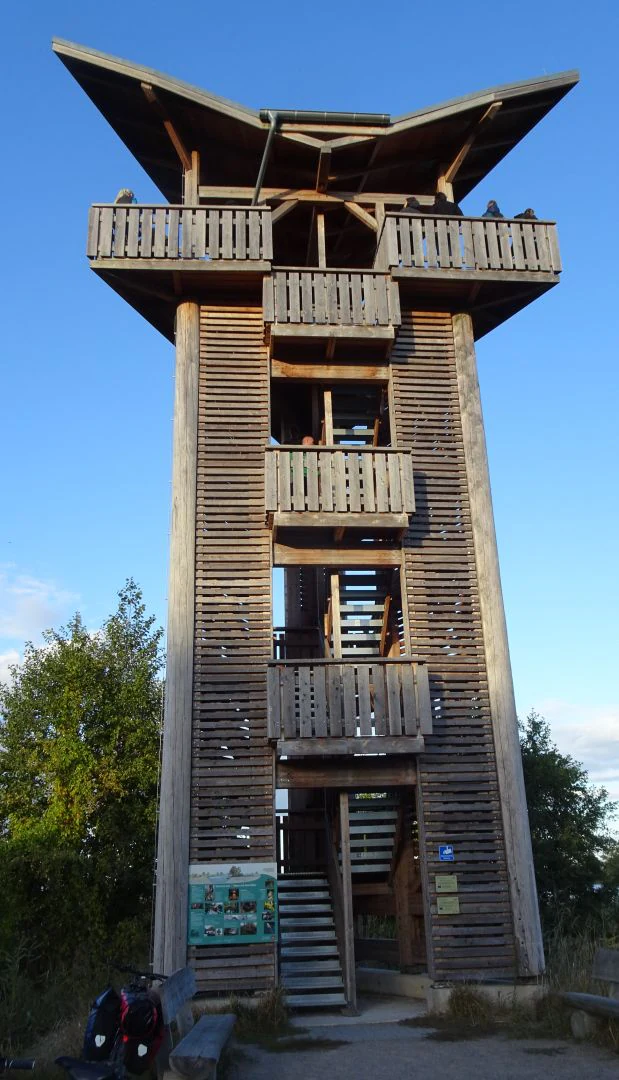
The park's most distinctive feature is its unique polder system, Germany's only intact engineered floodplain landscape where seasonal flooding creates exceptional bird habitat. The observation tower at Mescherin provides one of the best vantage points for observing the autumn crane migration, when thousands of birds gather in the wetlands before heading south. The park supports breeding populations of several globally threatened bird species, including the aquatic warbler and black stork, making it a destination of international importance for ornithologists. The transboundary cooperation between Germany and Poland, represented by the broader International Park, demonstrates how shared ecosystems can be protected through coordinated international management.
Best time to visit Lower Oder Valley National Park
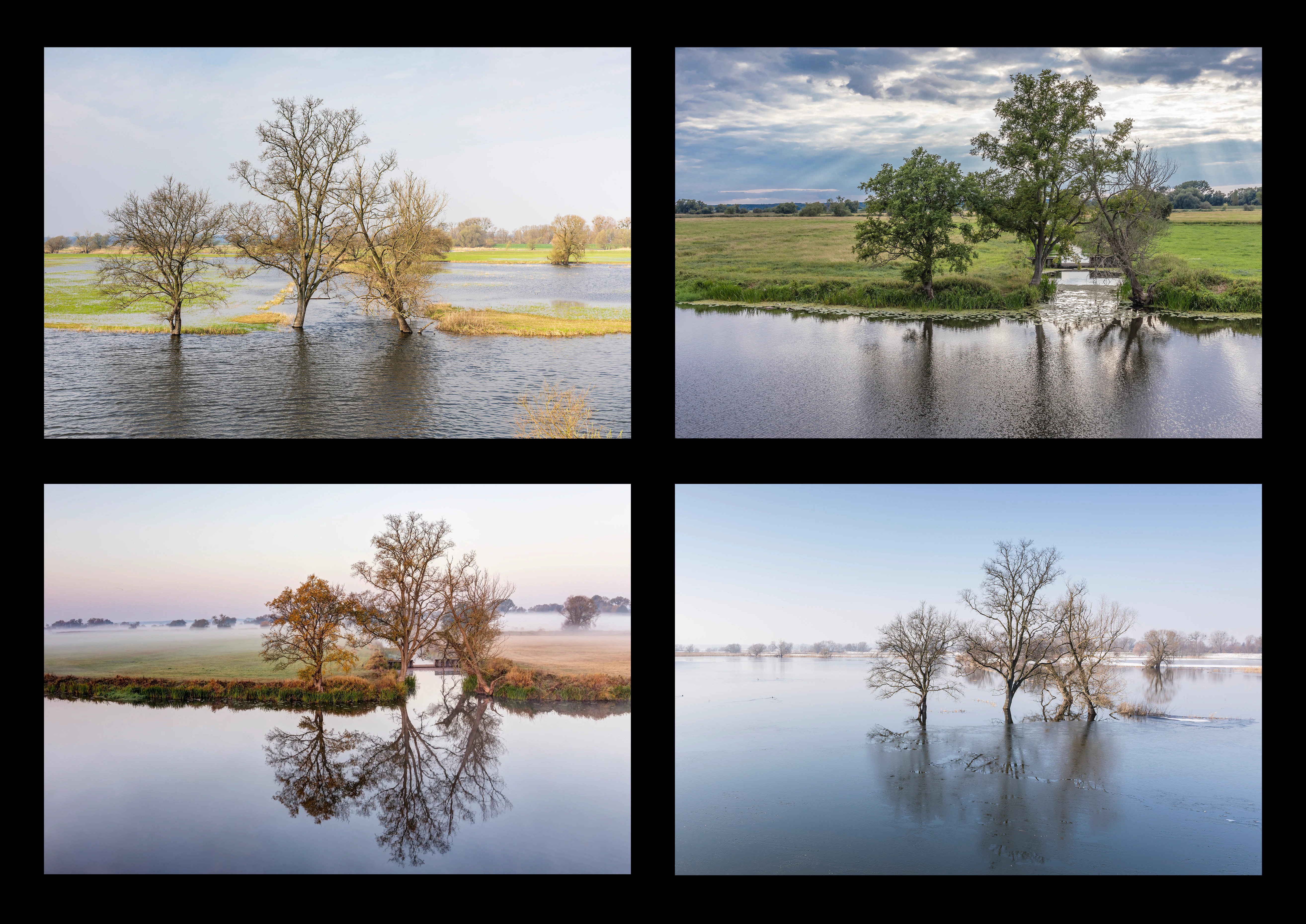
The Lower Oder Valley offers distinct seasonal experiences throughout the year. Spring and early summer, from April through June, are ideal for observing breeding birds including black terns, black storks, and corn crakes in the meadows and wetlands. The autumn months of September and October bring the spectacular crane migration, when thousands of birds gather in the flooded areas and can be observed from the observation towers, particularly around the time of the regular crane weeks held in the park. Winter, when the polder meadows are flooded, transforms the landscape and provides excellent opportunities for birdwatching as waterfowl congregate in the shallow wetlands. The summer months allow for walking and cycling on the extensive trail network when the meadows have been drained and the grass is available for recreational use.