Why Oosterschelde National Park stands out
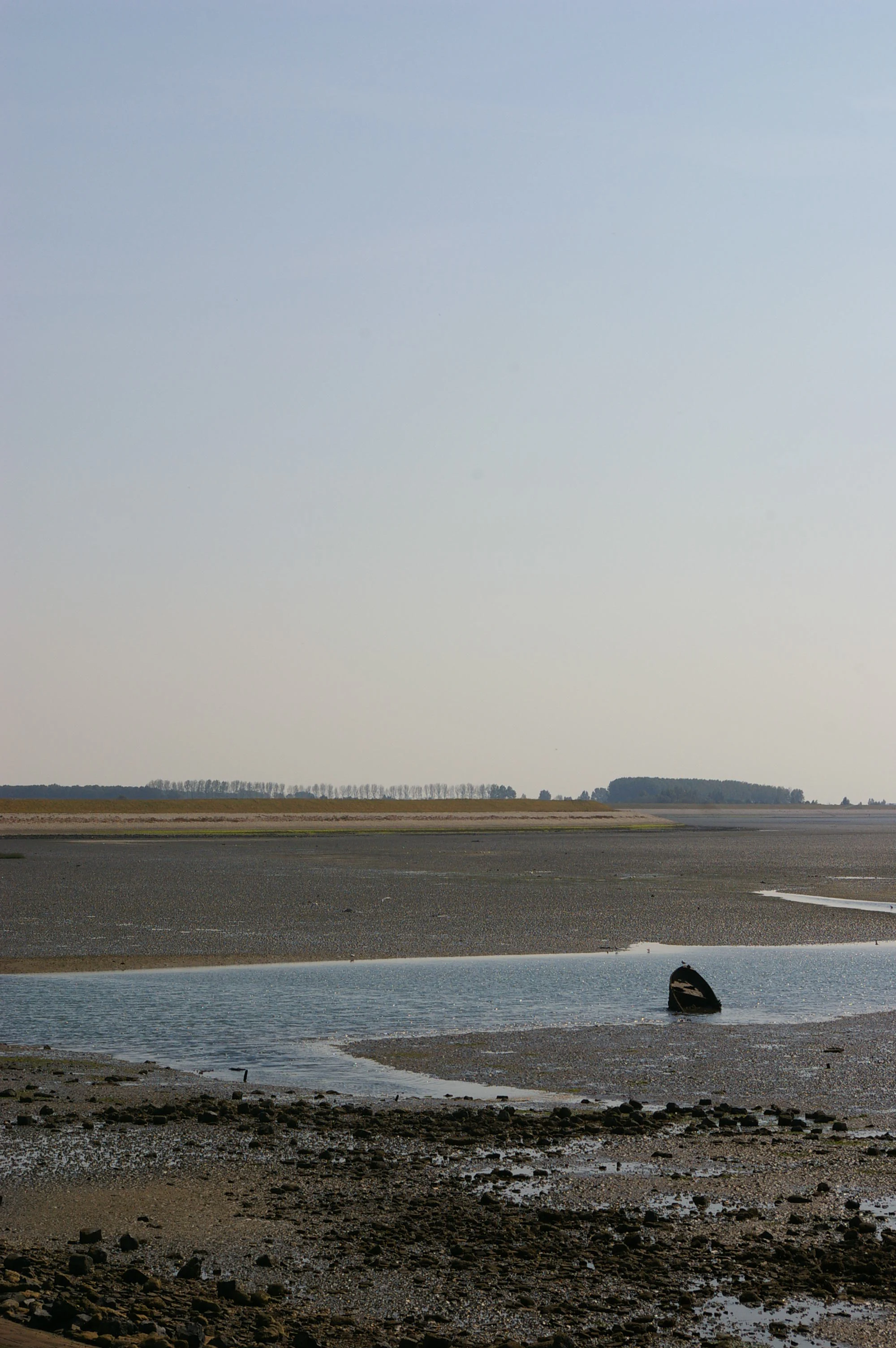
Oosterschelde National Park is best known for its unique tidal marine ecosystem, one of the largest and most productive in Western Europe. The park is famous for its dramatic tidal flats and sandbanks that transform twice daily with the incoming and outgoing tides, creating constantly changing scenery. It is renowned for its seal populations, with both common seals and harbor porpoises regularly spotted in the waters. The underwater environment is exceptionally popular with sport divers, who come to explore the diverse marine life including sea anemones, fan worms, cuttlefish, and Irish moss. At low tide, the extensive mudflats become feeding grounds for large flocks of wading birds, making the park a significant area for birdwatching. The combination of historical engineering structures, ongoing maritime culture, and natural landscape gives the park its distinctive character.
Oosterschelde National Park history and protected-area timeline
Oosterschelde National Park was officially established on May 8, 2002, becoming the largest national park in the Netherlands at that time. The creation of the park represented the culmination of decades of environmental policy development and growing recognition of the Eastern Scheldt's ecological significance. Prior to establishment, the area had already received various forms of protection as awareness grew about its unique marine ecosystem and its importance for biodiversity.
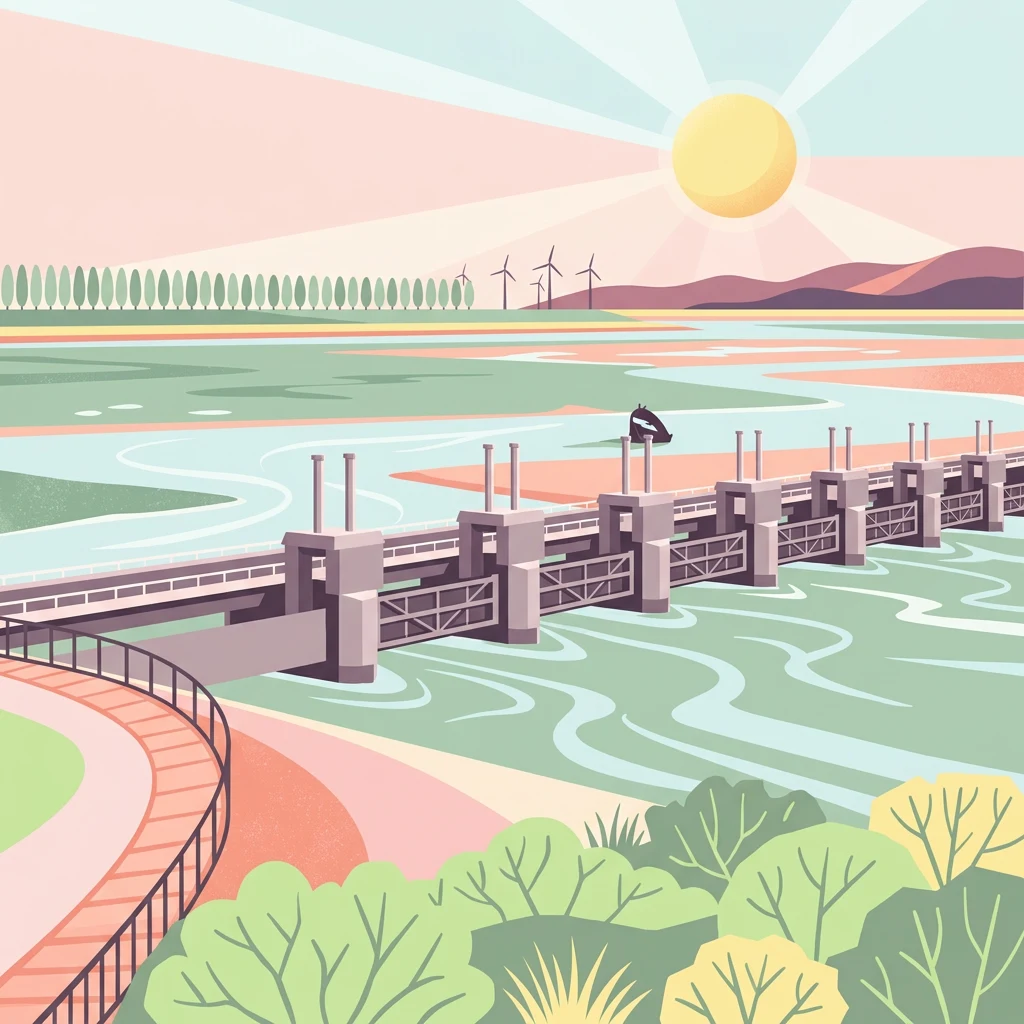
The history of the Eastern Scheldt region is inseparable from the larger story of Dutch water management and the Delta Works (Deltawerken). The catastrophic North Sea flood of 1953 prompted the Dutch government to undertake massive engineering projects to protect the southwestern coast from future storm surges. The Oosterscheldekering, completed in 1986, was one of the most ambitious components of this program. Originally designed as a closed dam, it was modified to become a adjustable storm surge barrier that allows tidal exchange while providing protection against extreme weather events.
The construction of the Oosterscheldekering fundamentally changed the Eastern Scheldt's environment. Before the barrier, the tidal range was approximately 4 meters; afterward, it reduced to about 3.25 meters average. This change affected sediment dynamics, with reduced sand deposition on the sandbanks and ongoing erosion of tidal flats. These changes have required ongoing management attention and have influenced how the national park's ecological values are maintained. The area also contains the largest ammunition dump in the Netherlands, a legacy of military use that adds another dimension to the complex history of this landscape.
Oosterschelde National Park landscape and geographic character
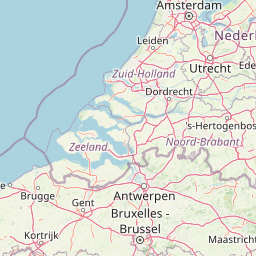
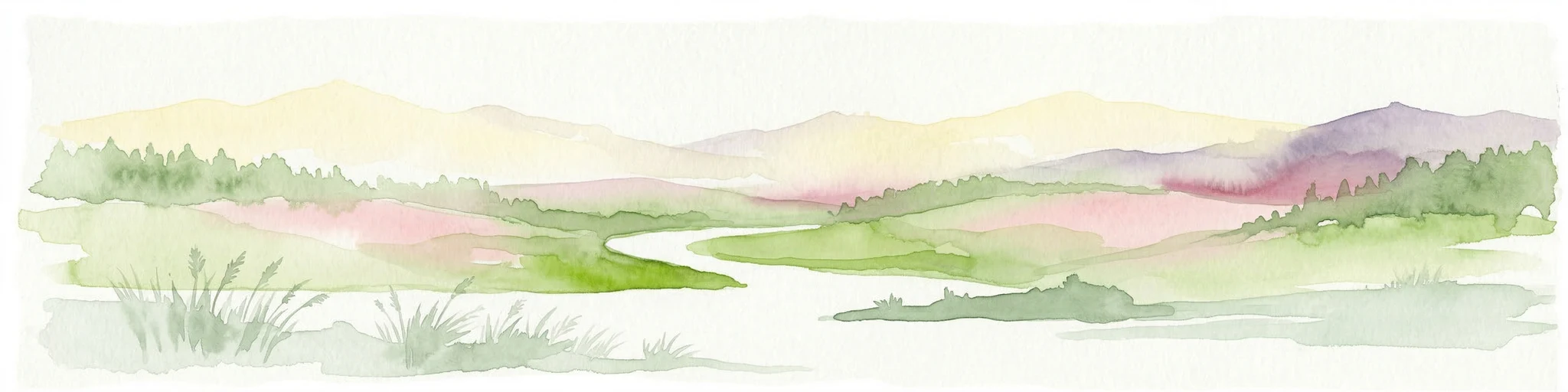
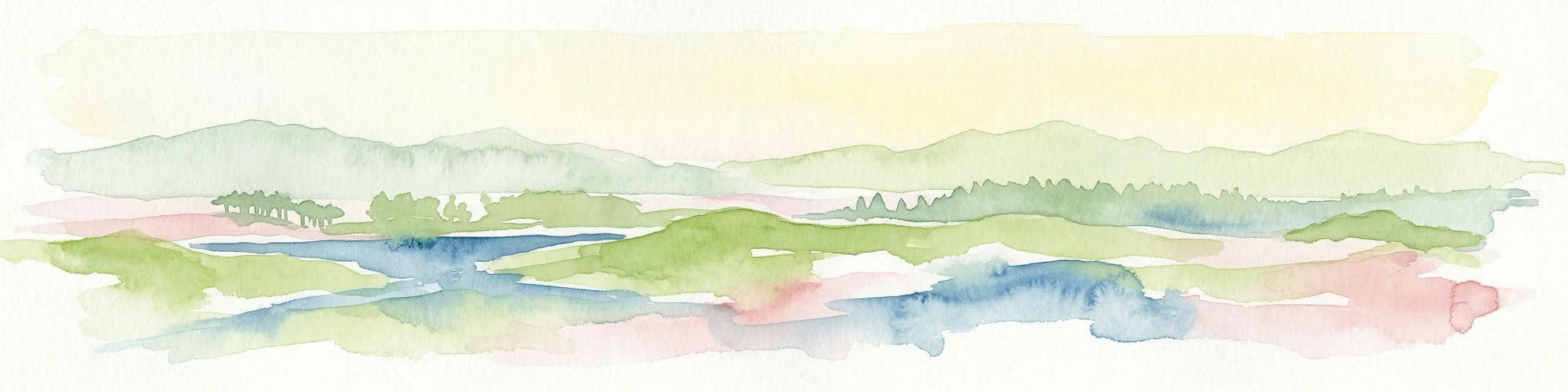
The landscape of Oosterschelde National Park is one of dynamic change, where the constant rhythm of the tides shapes every aspect of the physical environment. The park encompasses a vast tidal lagoon system with interconnected channels, mudflats, sandbanks, and shallow waters that cover approximately 350 square kilometers outside the protective dikes. The tidal range, though reduced since the construction of the Oosterscheldekering, still creates dramatic transformations twice daily, with extensive areas of seabed exposed at low tide and submerged at high tide.
The surrounding islands of Schouwen-Duiveland, Tholen, Zuid-Beveland, and Noord-Beveland form the terrestrial boundaries of the park, their dikes and coastlines creating the interface between the marine environment and human-influenced land. The Zeeland Bridge, a 5,022-meter structure connecting Schouwen-Duiveland to Zuid-Beveland, passes through the park and offers sweeping views of the tidal landscape. Behind the dikes, the land shows the marks of historical reclamation, with former tidal creeks, embankment patterns, and polder layouts visible in the agricultural landscape. The combination of open water, tidal flats, diked islands, and the engineered structures of the Delta Works creates a landscape of remarkable complexity and visual significance.
Oosterschelde National Park ecosystems, habitats, and plant life
The nature of Oosterschelde National Park is defined by its tidal marine environment, one of the most productive and ecologically significant coastal ecosystems in Europe. The Eastern Scheldt supports a complex web of habitats ranging from deep tidal channels to extensive mudflats, from salt marshes to sandbanks, each supporting different communities of plants and animals. The twice-daily tidal fluctuations drive nutrient cycling and create the conditions that make this ecosystem so productive.
The underwater environment hosts remarkable biodiversity. The substrate supports dense populations of fan worms, sea anemones, and other benthic organisms. Irish moss (Mastocarpus stellatus) forms distinctive communities on rocky surfaces, while cuttlefish and various fish species move through the water column. The plankton-rich waters support the entire food web that makes the Eastern Scheldt so ecologically important. The mudflats and sandbanks that emerge at low tide provide crucial feeding grounds for millions of birds that depend on this area during their migrations.
The transition between saltwater and the diked agricultural land creates additional habitat diversity, with salt marshes and brackish environments supporting their own distinctive communities. The interaction between the marine environment and the terrestrial areas behind the dikes creates a mosaic of habitats that contributes to the overall ecological richness of the national park.
Oosterschelde National Park wildlife and species highlights
Oosterschelde National Park is home to notable marine wildlife, with seals being among the most recognizable inhabitants. Common seals (harbor seals) are regularly seen basking on sandbanks or swimming in the shallow waters, while harbor porpoises are frequently observed throughout the park, particularly in the deeper channels. These marine mammals draw many visitors and represent the park's success in maintaining healthy populations despite the changes to the ecosystem since the construction of the storm surge barrier.
The birdlife of Oosterschelde is exceptionally significant, with the tidal flats serving as a critical feeding and resting area for large numbers of wading birds and waterfowl. At low tide, the exposed mudflats attract flocks of gulls, oystercatchers, plovers, sandpipers, and other species that probe the soft sediment for worms, mollusks, and other prey. The area is particularly important during migration seasons, when vast numbers of birds use the Eastern Scheldt as a stopover on their journeys between northern breeding grounds and southern wintering areas.
The underwater wildlife includes diverse fish species, crustaceans, and mollusks that populate the tidal waters and channels. The mussel and oyster beds that exist in the Eastern Scheldt are not only commercially important but also create complex habitat structures that support many other species. The combination of natural marine communities and the influence of aquaculture creates a rich ecological environment that sustains both wild populations and traditional maritime livelihoods.
Oosterschelde National Park conservation status and protection priorities
Oosterschelde National Park represents an important conservation designation that protects one of the Netherlands' most significant marine environments. The park's IUCN Category II status reflects its purpose of protecting ecological processes and natural biodiversity while allowing for sustainable use of natural resources. As the largest national park in the Netherlands, it carries particular symbolic and practical importance for Dutch nature conservation.
The conservation challenges facing the park are closely linked to the changes in hydrology caused by the Oosterscheldekering. The reduced tidal energy has led to decreased sediment deposition and ongoing erosion of tidal flats, threatening the habitats that many species depend upon. Managing these changes while maintaining the park's ecological values requires ongoing monitoring and adaptive management strategies. The balance between protection and the continuation of commercial activities such as fishing and aquaculture adds complexity to conservation planning.
The national park designation provides a framework for coordinating conservation efforts across the various municipalities and organizations involved in managing this complex landscape. Research programs monitor the health of the ecosystem, track population trends in key species, and assess the effectiveness of management measures. Public engagement and education are also important components of the conservation approach, helping visitors understand the value of this unique environment and their role in its protection.
Oosterschelde National Park cultural meaning and human context
The cultural context of Oosterschelde National Park is deeply rooted in the maritime history and ongoing relationship between the Zeeland population and the sea. The islands surrounding the park have been shaped by centuries of interaction with the tidal waters, through fishing, trading, shipping, and the constant battle against flooding. The dikes that protect the islands represent generations of labor and engineering achievement, transforming what was once a dangerous flood-prone area into productive agricultural land.
The traditional practices of mussel and oyster farming continue in the Eastern Scheldt, maintaining a connection between the park's marine environment and the region's economic heritage. These aquaculture activities are integrated into the national park landscape, representing a example of sustainable use of natural resources that has characterized the Zeeland coast for centuries. The cultural identity of the region is inseparable from the tidal waters that both threatened and sustained its communities.
Behind the dikes, the landscape bears the marks of historical land reclamation and the struggle to create and maintain habitable space in this challenging environment. The karrevelden, inlagen, and creek systems are not just ecological features but also cultural artifacts that document the human history of the area. This intertwining of natural and cultural elements gives the national park its distinctive character as a place where conservation and living cultural heritage meet.
Top sights and standout views in Oosterschelde National Park
Oosterschelde National Park stands out as the Netherlands' largest national park, protecting a tidal marine ecosystem of international importance. The dynamic interaction between tides and landscape creates constantly changing scenery, with extensive mudflats and sandbanks appearing and disappearing with the twice-daily tidal cycles. The park's seal populations and popular diving opportunities make it a destination for wildlife enthusiasts and underwater explorers. The combination of natural beauty, engineering significance through the Oosterscheldekering, and ongoing maritime culture provides a uniquely rich visitor experience. The importance of the area for migratory birds adds to its ecological significance, with the tidal flats supporting enormous numbers of wading birds during migration seasons.
Best time to visit Oosterschelde National Park
The Oosterschelde National Park can be visited throughout the year, with each season offering different experiences. Spring and autumn are particularly rewarding for birdwatching, when large numbers of migratory birds pass through the area to rest and feed on the tidal flats. The changing seasons also bring different lighting conditions and atmospheric qualities to the landscape, with winter storms creating dramatic scenes and summer offering more settled weather for exploring the islands and waters.
The timing of visits can be planned around the tidal cycle to experience the dramatic transformation between high and low tide. At low tide, the extensive mudflats are exposed, creating ideal conditions for observing wading birds and understanding the dynamic nature of this tidal ecosystem. At high tide, the water covers the flats, creating a different landscape and improving conditions for boat tours and water-based activities. The Oosterscheldekering itself is an impressive sight in any season, particularly during storm events when the barrier demonstrates its function as a storm surge protection system.