Mori Atlas logo
National parkPodyjí National Park

Discover the mapped boundaries and intact river valley geography of this South Moravian natural treasure.

Podyjí National Park: Czech Republic's Premier River Canyon Protected Landscape

Podyjí National Park represents a unique atlas entry for Central Europe, safeguarding a 40-kilometer stretch of the Dyje River canyon within the South Moravian Region. This protected landscape is celebrated for its remarkably intact river valley ecosystem, one of the least disturbed in the region. MoriAtlas provides structured geographic data to explore the park's complex terrain, biodiversity hotspots like its orchid-rich heaths, and its integral role in the broader mapped landscape of the Czech Republic.

river canyonold-growth forestsorchid habitatcross-border parkwetlandsriver ecosystem

Podyjí National Park

National park

Park overview

Structured park overview, official facts, and landscape profile for Podyjí National Park

Podyjí National Park park facts, protected area profile, and essential visitor context
Review the core facts for Podyjí National Park, including designation, size, terrain, visitor scale, habitats, and operating context in one park-focused overview.

About Podyjí National Park

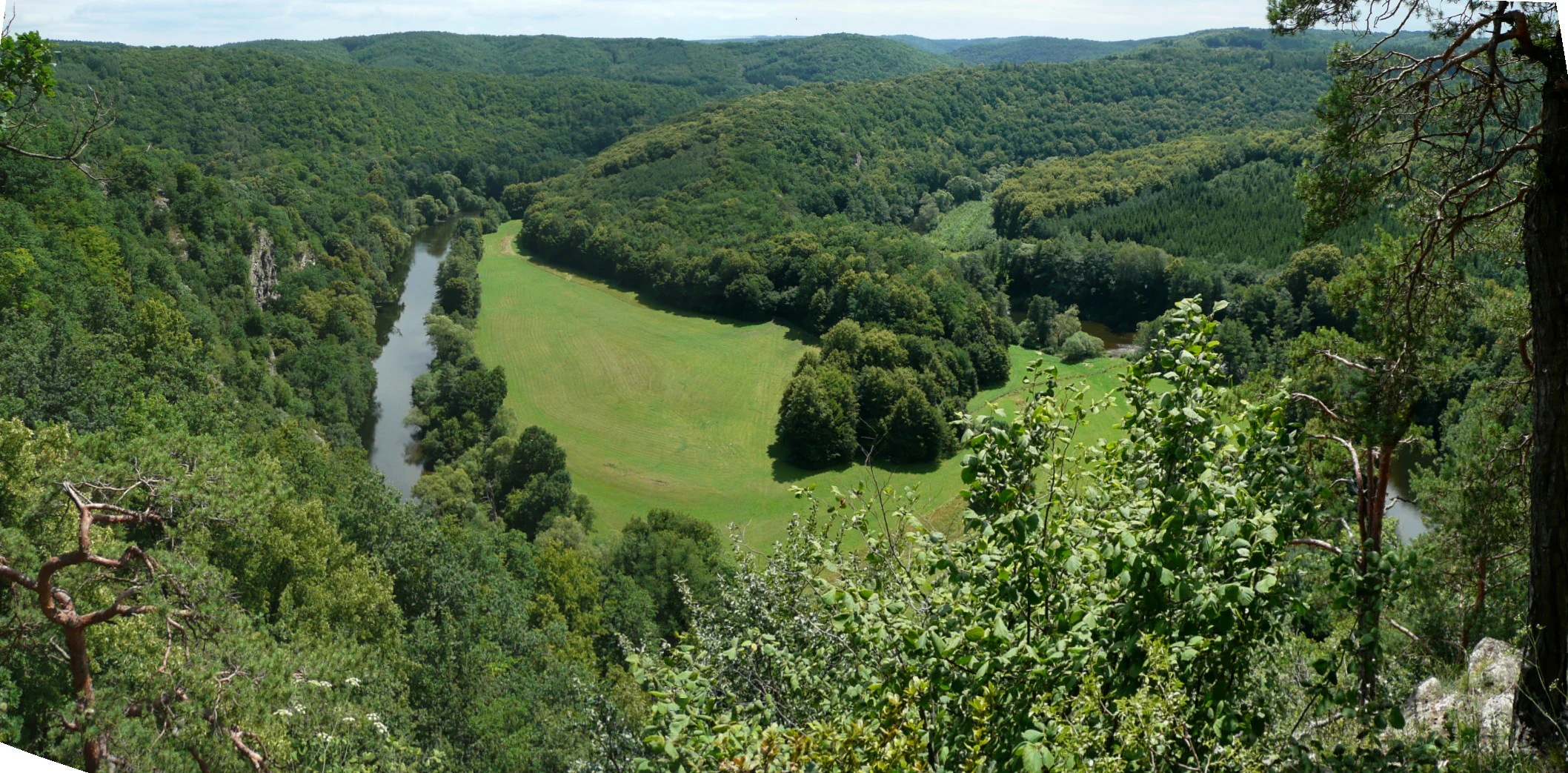
Podyjí National Park occupies a spectacular canyon landscape in southern Moravia where the Dyje River has carved a deep meandering valley through the Bohemian-Moravian Highlands. The river's course through the park stretches for 40 kilometers, winding between Vranov nad Dyjí and Znojmo, creating a series of entrenched meanders flanked by rocky cliffs and boulder-strewn slopes. The canyon walls expose a complex geological history, with the rapid incision of the Dyje into the landscape occurring during the Tertiary period, reaching depths of 100 to 200 meters, followed by frost modeling that created the characteristic rocky amphitheaters, stone seas, and pseudokarst caves visible today.

The park's ecological significance stems from its position at the intersection of two major Central European biogeographic regions—the Hercynian and Panonic—creating a corridor where species from both directions can penetrate. This valley phenomenon allows warm-adapted species from the southeastern Panonic basin to extend westward while montane species from the west reach into the warmer valley floors. The result is exceptional biodiversity that includes species more typical of much warmer or cooler climates than would normally occur at this latitude.

What makes Podyjí particularly remarkable is its preservation. Unlike similar valleys across Moravia that were disrupted by holiday settlements or dam constructions, this canyon remained largely untouched due to its location along the former Iron Curtain. The border zone between Czechoslovakia and Austria was inaccessible from the 1950s through the 1980s, effectively preserving a near-pristine river corridor that today represents the most intact valley ecosystem in the Czech Republic.

Quick facts and research context for Podyjí National Park

Podyjí National Park covers 63 square kilometers along the Czech-Austrian border in South Moravia, making it the smallest of the Czech Republic's four national parks. The park protects a deeply incised canyon valley where the Dyje River has cut 220 meters into the landscape. Elevation ranges from 214 to 534 meters. The park is 84% forested, with the remaining area comprising grasslands, rocky outcrops, and the historic Šobes vineyard. The valley has remained undeveloped partly due to its location in the former border zone between Czechoslovakia and Austria during the Cold War period. The park is managed from Znojmo, with a visitor center located in the village of Čížov.

Park context

Deeper park guide and search-rich context for Podyjí National Park

Podyjí National Park history, landscape, wildlife, and travel context
Explore Podyjí National Park through its history, landscape character, ecosystems, wildlife, conservation priorities, cultural context, and seasonal travel timing in a structured park guide built for atlas discovery and search intent.

Why Podyjí National Park stands out

Podyjí is best known for its remarkably intact river canyon ecosystem, one of the least disturbed in Central Europe. The park protects a complex mosaic of habitats including oak-hornbeam forests, beech woods, steppe heaths, and wetland corridors. Its botanical significance is extraordinary, with 77 protected plant species including 18 orchid species, making it one of the most species-rich protected areas in the Czech Republic. The park also contains Šobes, one of the Czech Republic's oldest and most renowned vineyard sites, where winemaking traditions have persisted for centuries. The combination of geological complexity, habitat diversity, and historical preservation makes this valley unique in the region.
Podyjí National Park history and protected-area timeline

Podyjí National Park was officially established on July 1, 1991, through Government Order No. 164/1991, designating the most valuable portions of the earlier Podyjí Protected Landscape Area (CHKO Podyjí), which had been established in 1979 across a larger 103-square-kilometer area. The creation of the national park effectively absorbed the core of the protected landscape area, which was subsequently dissolved, while the surrounding buffer zone was retained to protect the remaining territory.

The park's first director, Tomáš Rothröckl, served for 33 years from the park's founding until 2024, providing consistent leadership through the establishment and early development of the protection regime. In 2025, Pavel Müller was appointed as his successor. The establishment of Podyjí was followed in 2000 by the creation of Thayatal National Park on the Austrian side of the border, forming a continuous cross-border protected area that maintains the ecological integrity of the valley system regardless of political boundaries.

The park's preservation is intimately tied to its Cold War history. The location along the state border placed much of the valley within the restricted border zone, limiting development and human disturbance during the period when similar valleys elsewhere in Moravia were modified by infrastructure, holiday settlements, or dam projects.

Podyjí National Park landscape and geographic character

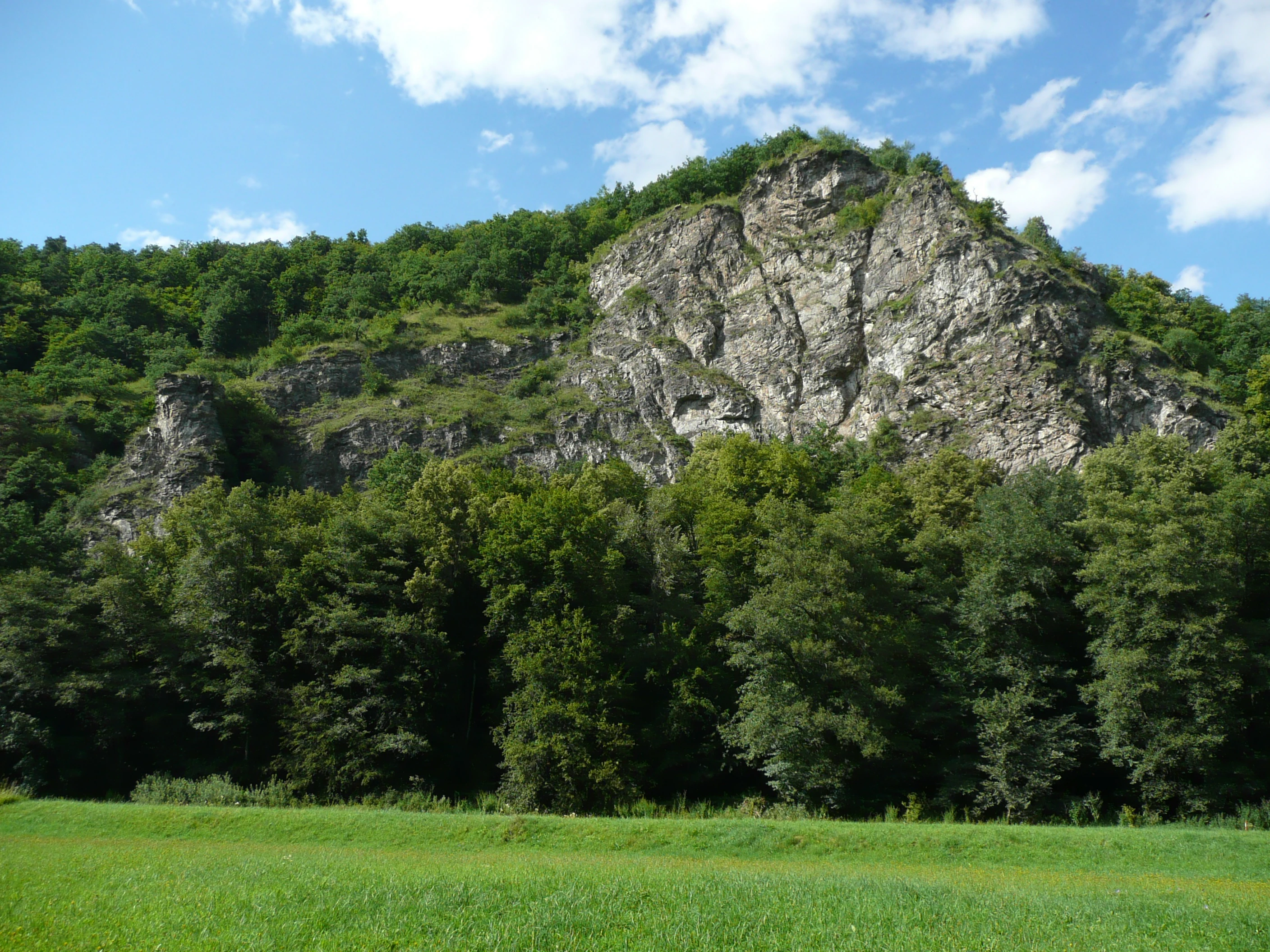
The landscape of Podyjí National Park is defined by the dramatic canyon carved by the Dyje River as it winds through the Bohemian-Moravian Highlands. The valley reaches depths of up to 220 meters, with the river following a series of tight meanders that create a classically incised canyon profile. Rocky cliffs and stone seas—the result of frost weathering during the recent geological past—characterize the valley walls, while the river itself flows through a corridor of dense forest.

The terrain is extremely rugged and highly fragmented, with rapid changes in slope exposure as the canyon twists and turns. South-facing slopes support warm, dry conditions suited to steppe vegetation, while north-facing cliffs remain cool and moist, creating a remarkable variety of microclimates within a relatively small area. The landscape also includes unique pseudokarst caves, rock amphitheaters, and boulder fields that attest to the complex geological processes that shaped this valley.

At the eastern boundary of the park, the Znojmo Reservoir marks where the river leaves the protected area, while at the western end, the Vranov Reservoir similarly frames the park's limit. These two dams, constructed on either side of the protected section, have significantly altered the river's thermal regime and created barriers to migratory fish species.
Podyjí National Park ecosystems, habitats, and plant life

The ecological diversity of Podyjí National Park is extraordinary for its size, resulting from the convergence of multiple biogeographic influences and the complex topography of the canyon environment. The park supports forest coverage across 84% of its area, with oak-hornbeam communities dominating the slopes, interspersed with beech forests in cooler locations and alder groves along watercourses. The valley floor supports reed beds and willow shrub communities where moisture accumulates.

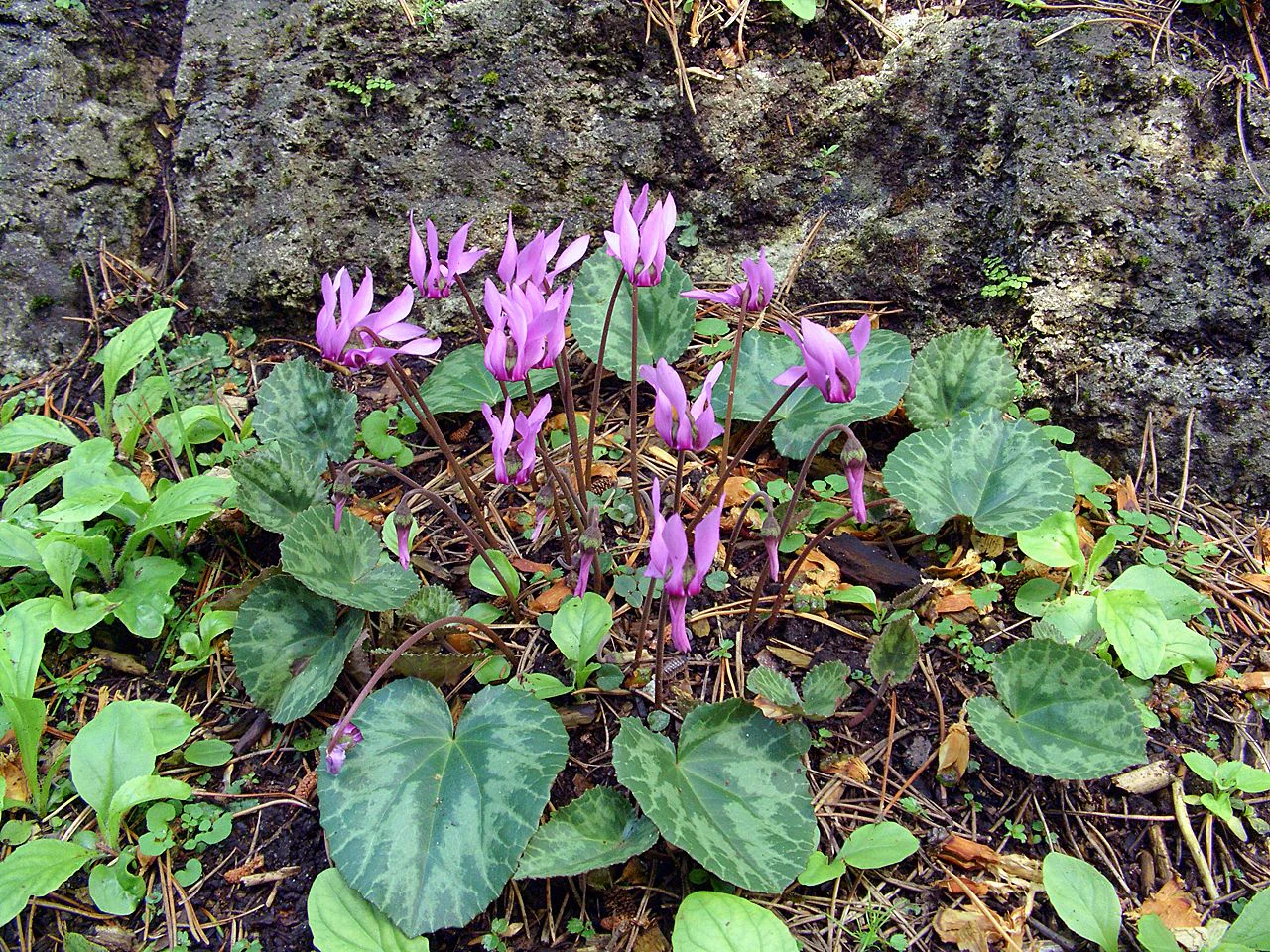
The botanical richness is exceptional, with 77 protected plant species documented within the park. Eighteen orchid species occur here, representing one of the highest concentrations in the Czech Republic. The flora includes both cool-adapted species thriving in the shaded canyon depths and warmth-loving plants on the sun-exposed southern slopes, a duality that allows species from very different climatic regimes to coexist. Notable species include cyclamen, various mullein species, pasque flower, spring gentian, and the protected false oat grass communities.

The eastern edge of the park contains a unique zone of steppe heaths and grassland—remnants of once-wider dry grassland systems that have persisted on sites where the shallow soils and warm microclimate mimic more southerly environments. These heather-dominated communities represent a habitat type that is rare in Europe and represents an alternative successional pathway created by centuries of livestock grazing.
Podyjí National Park wildlife and species highlights

Podyjí supports remarkable wildlife diversity, with 152 bird species recorded within the park—approximately two-thirds of which nest here—alongside 65 mammal species and seven reptile species. The bird community includes significant populations of species associated with the park's mosaic of forest, cliff, and wetland habitats, with the Syrian woodpecker and barred warbler identified as trigger species for the area's BirdLife International designation.

The mammal population includes the European otter, which inhabits the river corridor, and the European ground squirrel in the steppe and heathland areas. The reptile community includes all Czech snake species, with the European green lizard and a tree snake among the more notable inhabitants. The insect fauna is particularly rich, featuring species such as the stag beetle, praying mantis, giant longhorn beetle, rhinoceros beetle, and swallowtail butterflies. Twelve particularly endangered butterfly species have been recorded.

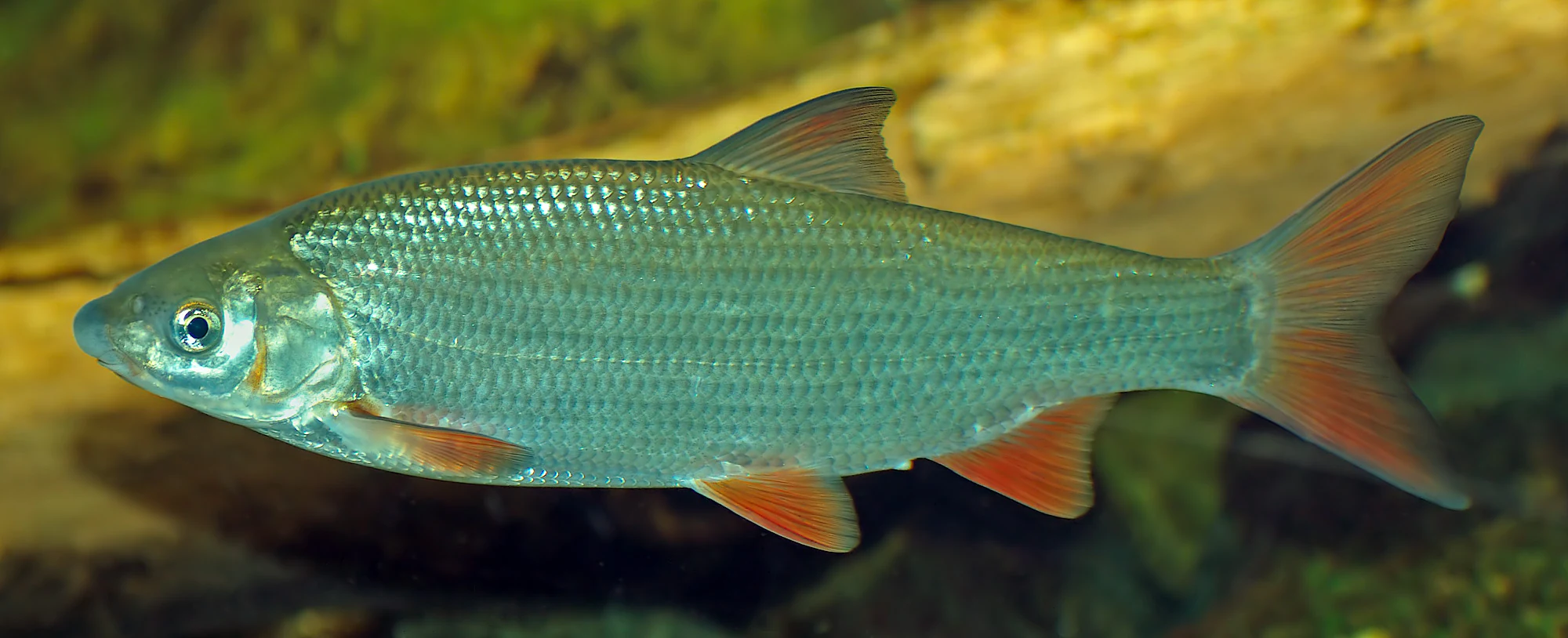
The fish community in the Dyje River has been affected by the dams at either end of the protected section, though 32 fish species have been recorded, dominated by brown trout, grayling, and brook trout. The original riverine fish community, including migratory species like the Schneider and Ukrainian stickleback, has been largely displaced by the temperature changes and migration barriers created by the reservoir structures.
Podyjí National Park conservation status and protection priorities

Podyjí National Park represents one of the most significant conservation achievements in the Czech Republic, protecting an ecosystem type that has been largely lost from the Central European landscape. The near-pristine state of the 42-kilometer river valley is cited as unique within Central Europe, making this one of the most important river corridor conservation sites in the region. The park's biodiversity is remarkable: it is one of the most species-rich large protected areas in the Czech Republic, supporting numerous protected and endangered species across all taxonomic groups.

The cross-border collaboration with Austria's Thayatal National Park creates a unified conservation approach to the valley ecosystem, allowing species movement and ecological processes to operate across the political boundary. The park is designated as an Important Bird Area by BirdLife International under criteria C6, covering a broader area of 76.66 square kilometers. Conservation challenges include the spread of invasive black locust in the eastern portions of the park and the ongoing impacts of the reservoir structures on river ecology.

Podyjí National Park cultural meaning and human context

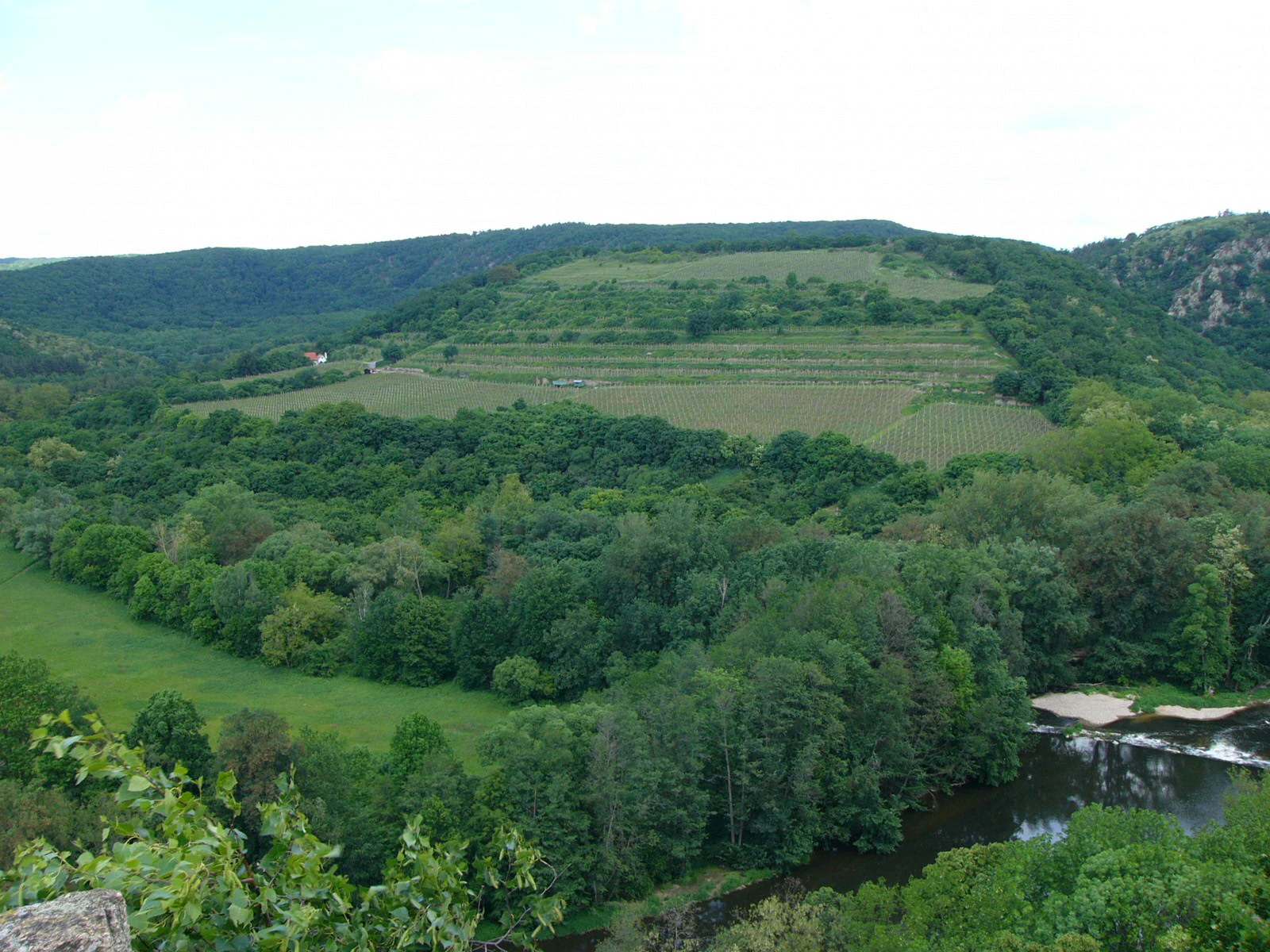
The cultural landscape of Podyjí reflects centuries of human presence in this border region, most notably represented by the historic Šobes vineyard—one of the oldest and most renowned vineyard sites in the Czech Republic. Wine production has continued at Šobes for generations, with approximately 12 hectares of vineyards still producing wine under the Znovín Znojmo company, which holds rights to 70% of the site. Efforts have been underway since 2014 to have Šobes designated as a UNESCO World Natural Heritage Site.

The valley contains several cultural landmarks accessible via park trails: the ruins of Nový Hrádek castle, Hardegg Castle on the Austrian side, and the Vranov nad Dyjí Chateau. The village of Čížov, which sits within an enclave surrounded by the park, provides visitor facilities and access to the trail network. The park administration is based in the town of Znojmo, the regional center known for its wine production and historical architecture.
Top sights and standout views in Podyjí National Park

Podyjí National Park protects the most intact river valley ecosystem in the Czech Republic, with 42 kilometers of essentially uninhabited canyon landscape. The park's exceptional biodiversity includes 77 protected plant species and 18 orchid varieties, along with 152 bird species and 65 mammal species. The Šobes vineyard represents centuries of winemaking tradition within the protected area. The cross-border connection with Austria's Thayatal National Park creates a unified valley protection system. The dramatic canyon landscape features rocky cliffs, stone seas, and a 220-meter depth of river incision, all preserved largely due to the area's former status as a restricted border zone.
Best time to visit Podyjí National Park

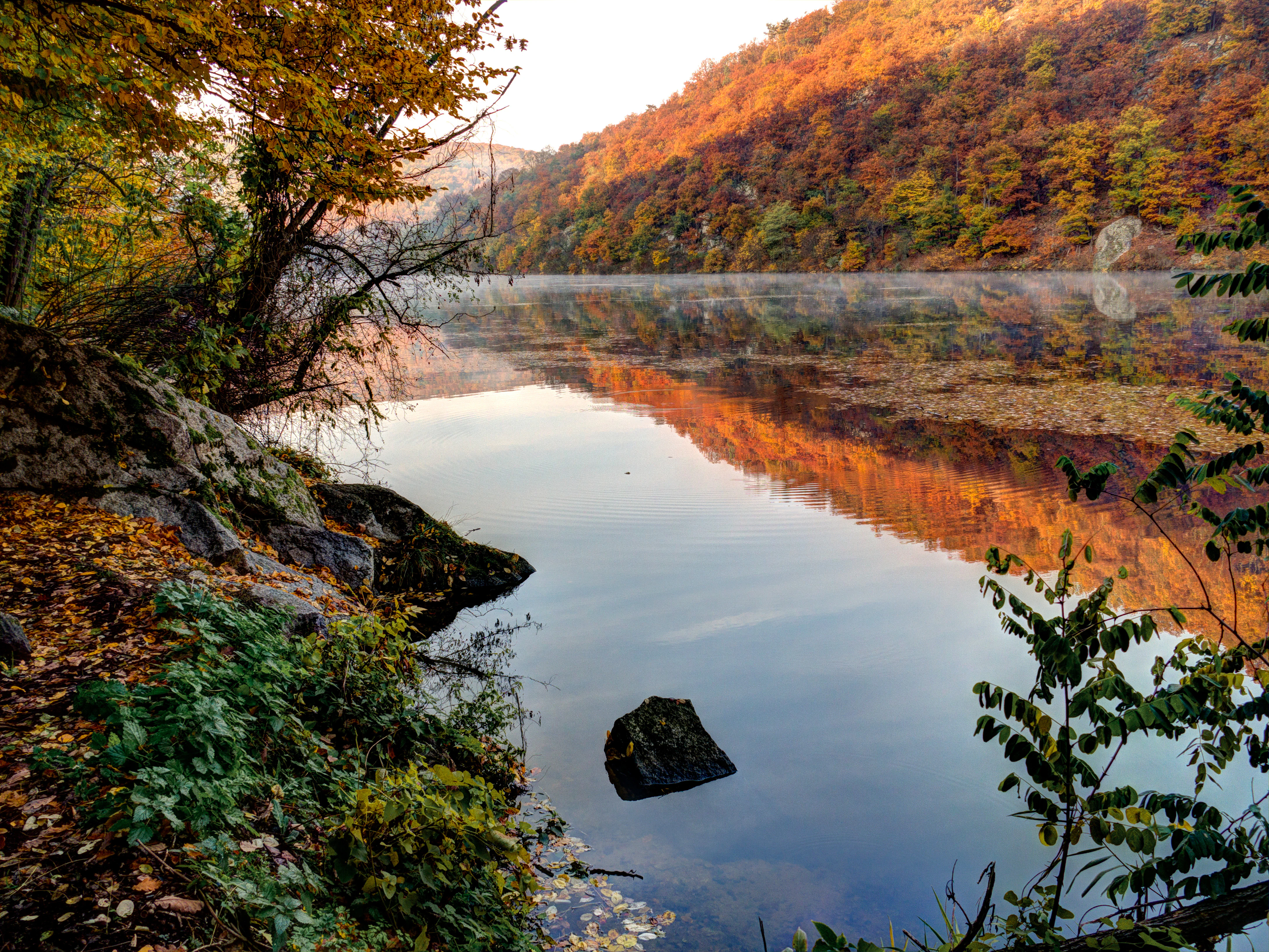
The Dyje valley can be visited year-round, with each season offering distinct experiences. Spring brings flowering of the extensive cyclamen populations and the orchid season, while summer reveals the full heat of the canyon environment with dragonflies along the river and butterflies in the meadow areas. Autumn offers the characteristic golden coloration of the deciduous forests and is traditionally the harvest season for the Šobes vineyard. Winter can be particularly dramatic in the canyon, with ice formation on the river and snow on the rocky outcrops, though some trails may be more challenging. The variety of exposures and microclimats means that wildlife viewing opportunities vary throughout the year, with different species being most active in different seasons.
Park location guide

Geography guide, regional context, and park location map for Podyjí National Park

Podyjí National Park park geography, regions, and map view in Czechia
Understand where Podyjí National Park sits in Czechia through a broader geographic reading of the surrounding landscape, nearby location context, and its mapped position within the national park landscape.

How Podyjí National Park fits into Czechia

Czech Republic is a landlocked Central European country with a population of approximately 10.9 million people. The nation was established as an independent state on January 1, 1993, following the dissolution of Czechoslovakia. Its capital and largest city is Prague, with other major urban centers including Brno, Ostrava, Plzeň, and Liberec.

Wider geography shaping Podyjí National Park in Czechia

The Czech Republic is a landlocked country in Central Europe. It is bordered by Germany to the west, Austria to the south, Poland to the northeast, and Slovakia to the southeast. The landscape is predominantly hilly, with the territory covering 78,871 square kilometers.

Map view of Podyjí National Park

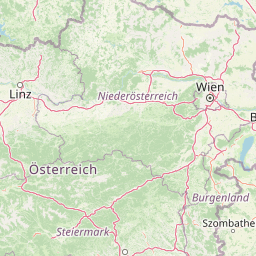
Use this park location map to pinpoint Podyjí National Park in Czechia, understand its exact geographic position, and read its mapped placement within the surrounding landscape more clearly.

Pigeon | © OpenStreetMap contributors

Location context for Podyjí National Park

South Moravian Region
Park atlas

Trace mapped geography and protected landscapes surrounding Podyjí National Park for regional comparison.

Explore National Parks and Protected Areas Near Podyjí National Park
Explore national parks and protected areas in the Central European region around Podyjí National Park, including its adjacent cross-border partner Thayatal National Park, to understand connected river canyon ecosystems. Compare these protected landscapes to gain a deeper geographic perspective on the unique conservation efforts and ecological connections spanning the Bohemian-Moravian Highlands.
National park

Thayatal National Park: Austria's Smallest Protected Landscape and Dramatic River Valley

Explore the mapped geography of a breakthrough valley and its rich biodiversity.

Thayatal National Park, Austria's smallest national park, offers a concentrated study in protected landscape discovery. Its core feature is the spectacular Thaya River breakthrough valley, a deep gorge cutting through gneiss terrain with steep, forested slopes. This page provides context for its mapped protected area, highlighting its exceptional biodiversity and its role as a transboundary conservation zone with the adjacent Czech Podyjí National Park. Understand the geographic setting and unique landscape character of this significant natural region.

Area
13.3 km²
Established
2000
IUCN
II
Relief
Mountain
Protected landscapeSouth Moravian Region

Moravian Karst Protected Landscape: Detailed Geographic and Cave System Atlas

Mapped protected boundaries and karst phenomena in the South Moravian Region.

Moravian Karst, designated a Protected Landscape Area, offers a profound look into complex karst geology within the South Moravian Region. This entry within MoriAtlas facilitates a structured discovery of its approximately 92 square kilometers, featuring an intricate network of over 1,100 caves and gorges. Users can explore the mapped extent of this geological treasure, understand its relationship with the surrounding regional geography, and appreciate the unique formations sculpted by underground water systems, including the iconic Macocha Abyss.

Area
92 km²
Scope
Terrestrial
Water
Minor water
National parkLower Austria

Danube-Auen National Park: Protected Floodplain Ecosystem and Regional Geography

Mapped boundaries and vital riparian landscape in Lower Austria.

Delve into the unique protected landscape of Danube-Auen National Park, a cornerstone of Central European riparian conservation. This page offers detailed insights into its mapped boundaries, the dynamic interplay of river channels, lowland forests, and wetlands, and its significant role within the geographic context of Lower Austria. Understand the atlas value of this protected area, ideal for discovering rich natural terrain and ecosystem context.

Area
93 km²
Established
1996
IUCN
II
Relief
Lowland
Watercolor illustration of a landscape with green hills, a body of water, and trees under a soft sky
National parkGyőr-Moson-Sopron

Fertő-Hanság National Park: Central European Wetland and Salt Lake Protected Area

Mapped Geographic Boundaries and Landscape Context

Fertő-Hanság National Park, situated in Győr-Moson-Sopron, Hungary, is a vital protected landscape renowned for its shallow salt lake and expansive marshlands. This page provides an atlas-focused discovery of its protected area, highlighting the unique interplay of reed beds and alkaline grasslands. Understand the park's geographic setting and its role as a significant wetland ecosystem for bird populations and specialized flora.

Area
235.88 km²
Established
1991
Relief
Lowland
Climate
Temperate
Watercolor painting showing a landscape with rolling terrain, water features, and distant mountains
National parkBurgenland

Neusiedler See-Seewinkel National Park: Protected Steppe Lake Landscape in Burgenland

Explore mapped wetland geography and birdwatching significance.

Neusiedler See-Seewinkel National Park showcases a rare steppe lake environment and extensive wetland habitats at the eastern edge of Austria, within the Burgenland region. This protected area is globally recognized for its exceptional avian diversity and the unique ecological mosaic formed by reed beds, salt marshes, and seasonal pools. Explore its mapped boundaries and distinctive Pannonian geography for a deep understanding of this vital European protected landscape.

Area
97 km²
Established
1993
IUCN
II
Relief
Lowland
Watercolor artwork depicting a landscape with green hills, distant mountains, and pastel sky
National parkLower Silesian Voivodeship

Stołowe Mountains National Park: Explore Poland's Sandstone Rock Cities and Protected Terrain

National Park in Lower Silesian Voivodeship: Geological Wonders.

Stołowe Mountains National Park is a protected national park in Poland celebrated for its unparalleled sandstone geological features. Within the Lower Silesian Voivodeship, the park showcases a dramatic landscape dominated by flat-topped rock plateaus, natural labyrinths, and vertical sandstone formations that create a visually stunning and geologically significant environment. Its protected status ensures the preservation of these unique landforms and the rare ecosystems, such as raised peat bogs, offering extensive opportunities for atlas exploration and understanding the region's distinct natural context.

Area
63.39 km²
Established
1993
IUCN
II
Visitors
1.3M annual
National parkStyria

Gesäuse National Park: Detailed Protected Landscape and Alpine Geography in Styria

Explore Austria's dramatic river gorge and rugged peaks.

Gesäuse National Park in Styria represents a significant alpine protected area, characterized by the striking Enns river gorge cutting through the Gesäuseberge. This national park offers a unique geographic context, showcasing steep limestone peaks, dramatic rock faces, and a rich hydrological network. Discover the mapped boundaries and protected landscape of one of Austria's most visually striking natural passages, ideal for detailed atlas exploration and understanding alpine conservation.

Area
110 km²
Established
2002
IUCN
II
Relief
Mountain
National parkUpper Austria

Kalkalpen National Park: Ancient Beech Forests and Karst Protected Landscape

Explore mapped boundaries and unique alpine terrain.

Kalkalpen National Park is a premier protected area in Upper Austria, celebrated for harboring Central Europe's largest remaining ancient beech forests and an extensive karst landscape. This designation underscores its critical role in preserving old-growth forest ecosystems and unique geological formations within the Northern Limestone Alps. Discover the mapped terrain and regional geography that define this significant natural reserve, offering a profound look into the continent's ecological history and protected natural heritage.

Area
208.25 km²
Established
1997
IUCN
II
Relief
Mountain

Common questions about visiting, size, designation, and location context for Podyjí National Park

Podyjí National Park FAQs for park facts, access, geography, and protected area context
Find quick answers about Podyjí National Park, including protected-area facts, park geography, trail and visitor context, and how the park fits into its surrounding country and regional landscape.
MoriAtlas Explorer

Continue Your Protected Areas Search Across the Global Atlas

Deepen your exploration by continuing the structured search for national parks and protected areas worldwide. Utilize the comprehensive filtering capabilities to compare different conservation landscapes and refine your understanding of global park geography. Discover more about the distribution and characteristics of protected natural areas.

Global natural geography