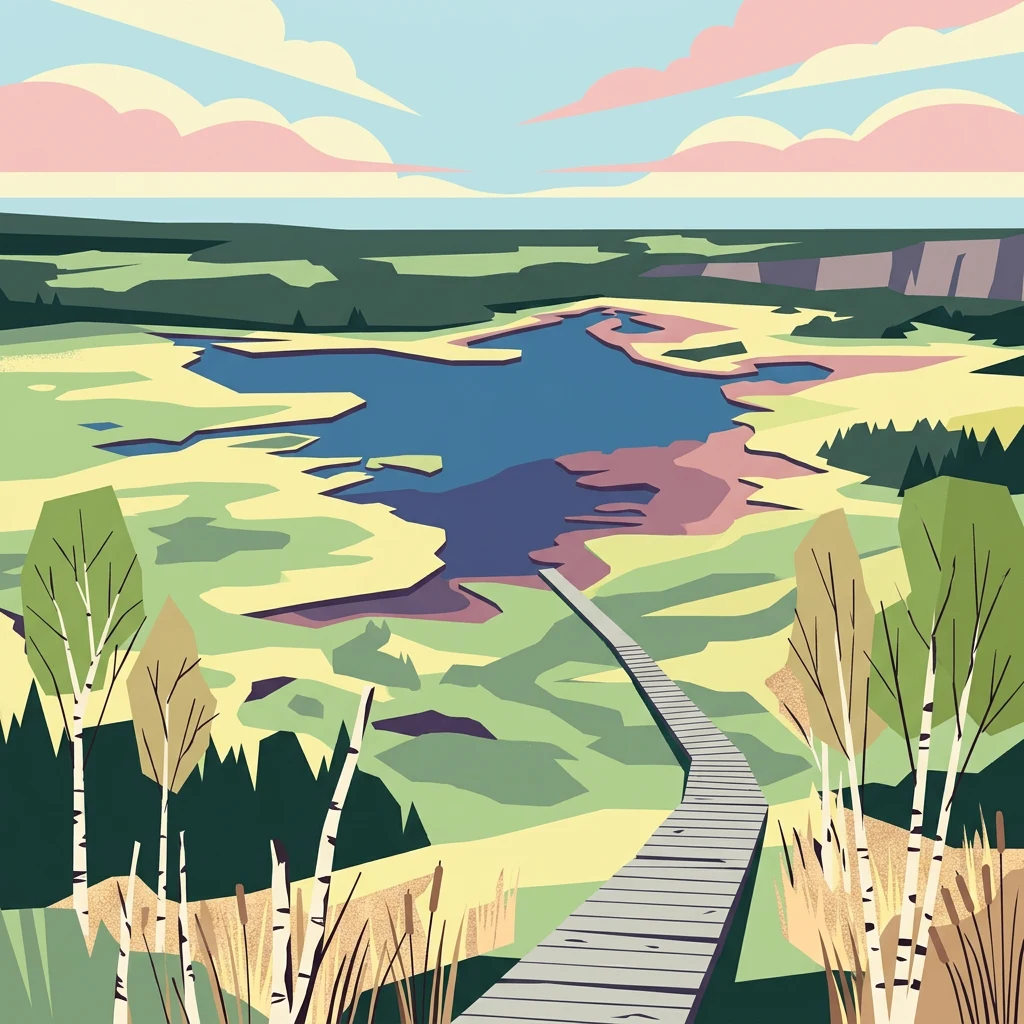

Why Store Mosse National Park stands out
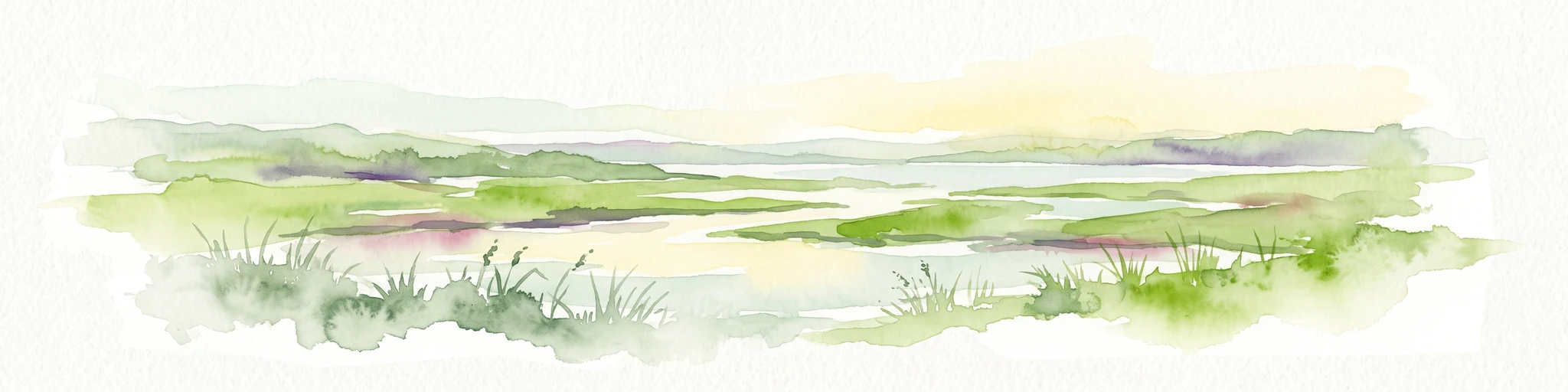
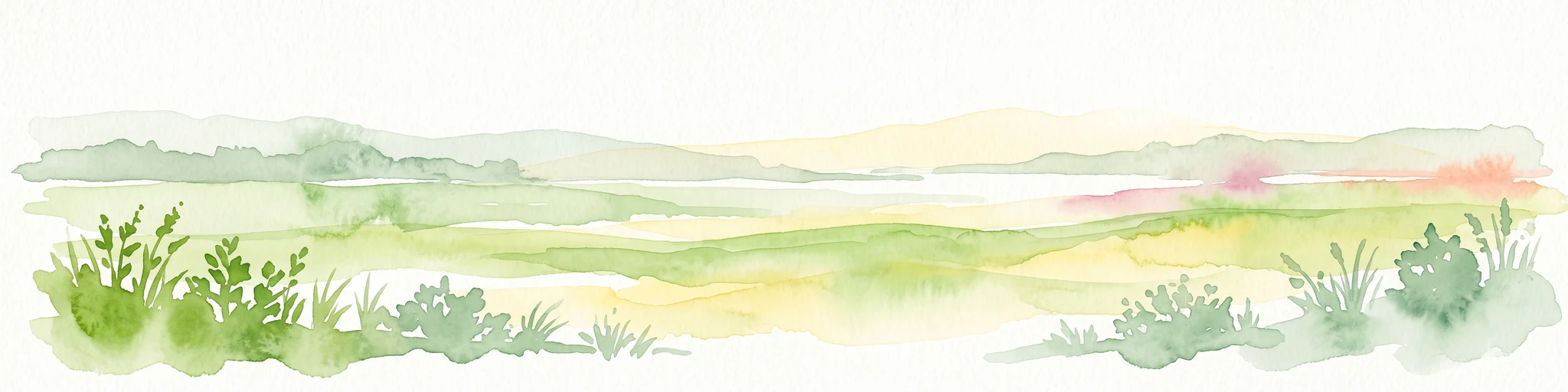
Store Mosse is best known for its exceptional peatland ecosystems, the largest bog complex in southern Sweden. This vast wetland provides outstanding habitat for birdlife, particularly waterfowl and marsh birds, and the park features a prominent bird watching tower for visitors. The landscape is characterized by extensive boggy terrain interspersed with lakes, pine forests, and cultural heritage areas shaped by historical human activity including peat extraction. The combination of wetland biodiversity, accessible trails including wheelchair-friendly routes, and the dramatic scale of the bog make it a distinctive protected area within Sweden's national park system.
Store Mosse National Park history and protected-area timeline
Store Mosse National Park was established in 1982 as part of Sweden's expanding network of protected areas. The park's creation reflected a growing recognition of the ecological importance of peatland ecosystems and the need to preserve significant natural landscapes for future generations. At the time of designation, approximately 77 square kilometers were included within the national park boundaries, with the total area now recognized at 78.5 square kilometers.
Prior to national park protection, the Store Mosse area had been shaped by human activities including peat extraction (torvbrytning) and lake drainage (sjösänkning). These activities left visible traces in the landscape, particularly in certain areas where the remnants of peat industry infrastructure and altered water levels reflect historical land use. Rather than erasing these marks, the national park management has in some cases incorporated them as part of the landscape's cultural and historical narrative.
The area had already received international recognition in 1974 when it was designated as a Ramsar Wetland, reflecting its importance as a habitat for waterbirds and wetland ecosystems. This designation highlighted the site's significance beyond Sweden's borders, particularly for migratory bird species that depend on wetland habitats along their migration routes. The Ramsar designation remains in force, with the site referenced as number 20 in the convention's list of Swedish wetlands.
Management of the park falls under Naturvårdsverket (the Swedish Environmental Protection Agency), with operational responsibility handled by the County Administrative Board of Jönköping County (Länsstyrelsen i Jönköpings län).
Store Mosse National Park landscape and geographic character
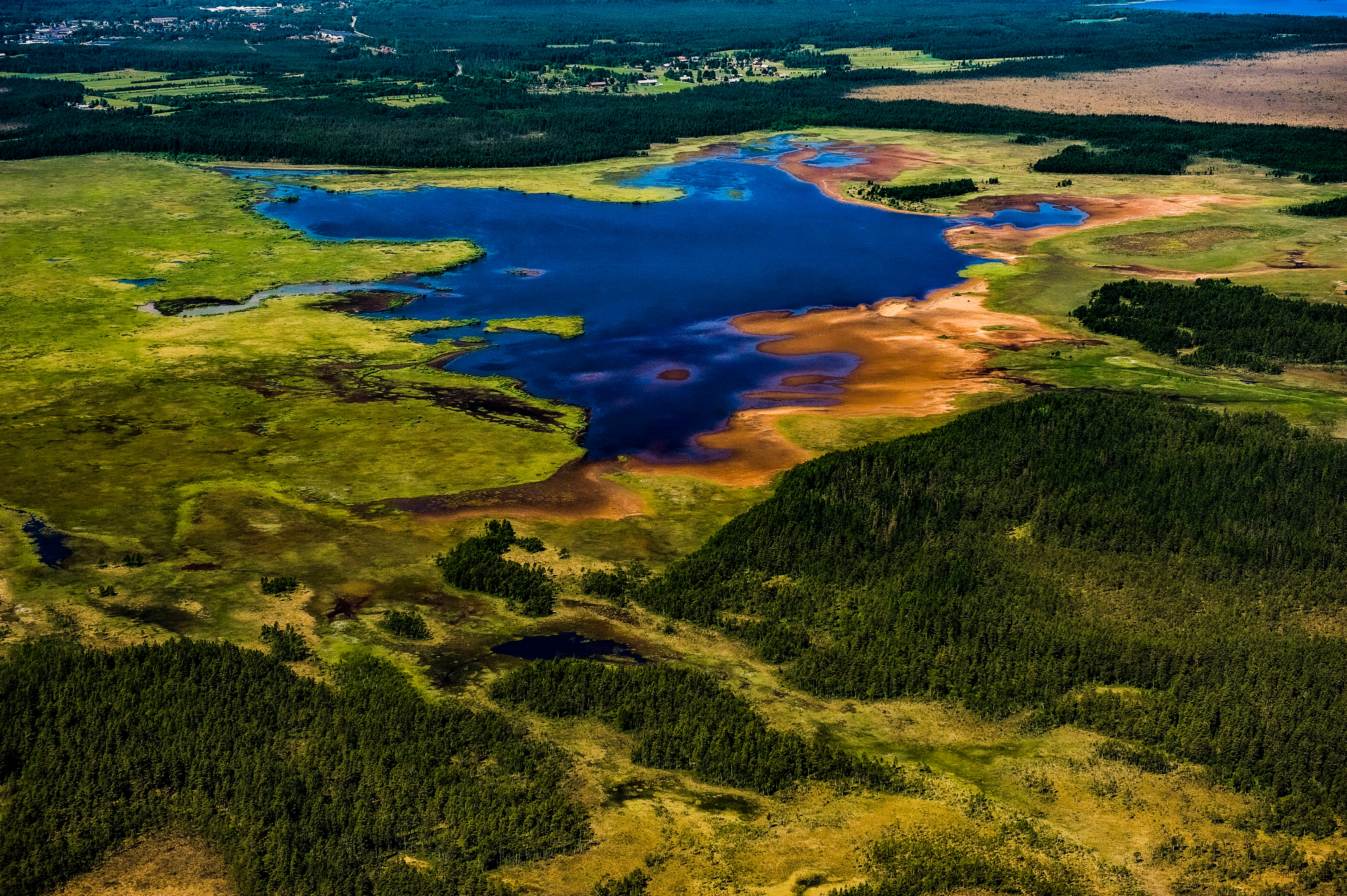
The landscape of Store Mosse National Park is dominated by its extensive peatland ecosystem—a vast bog complex that represents the largest such formation in southern Sweden. The terrain lies at an elevation of approximately 165 to 180 meters above sea level, positioned between the valleys of the Lagan and Nissan rivers. The underlying geology and glacial history have created ideal conditions for peat accumulation, with the bog developing over thousands of years in depressions left by the retreating inland ice.
The park's terrain is varied despite the overall wetland character. Wet meadows and marshy areas alternate with slightly elevated sections supporting pine forest. The bog surfaces themselves range from level wet meadows to more raised sections that create subtle topographical variation. Several lakes interrupt the wetland expanse, with Kävsjön being the most prominent—a lake renowned for its bird populations and open waters that provide important habitat and foraging areas for waterfowl.
Beyond the core bog areas, the park encompasses patches of coniferous forest, particularly pine stands that have developed on slightly drier ground. These forest areas create visual and ecological contrast with the open wetlands. The landscape also bears traces of historical human activity, including areas affected by former peat extraction and lake drainage operations. The overall impression is one of expansive, open wetland scenery punctuated by water bodies and forest, with the sky overhead forming an essential element of the experience given the flat, unobstructed nature of the bog terrain.
Store Mosse National Park ecosystems, habitats, and plant life
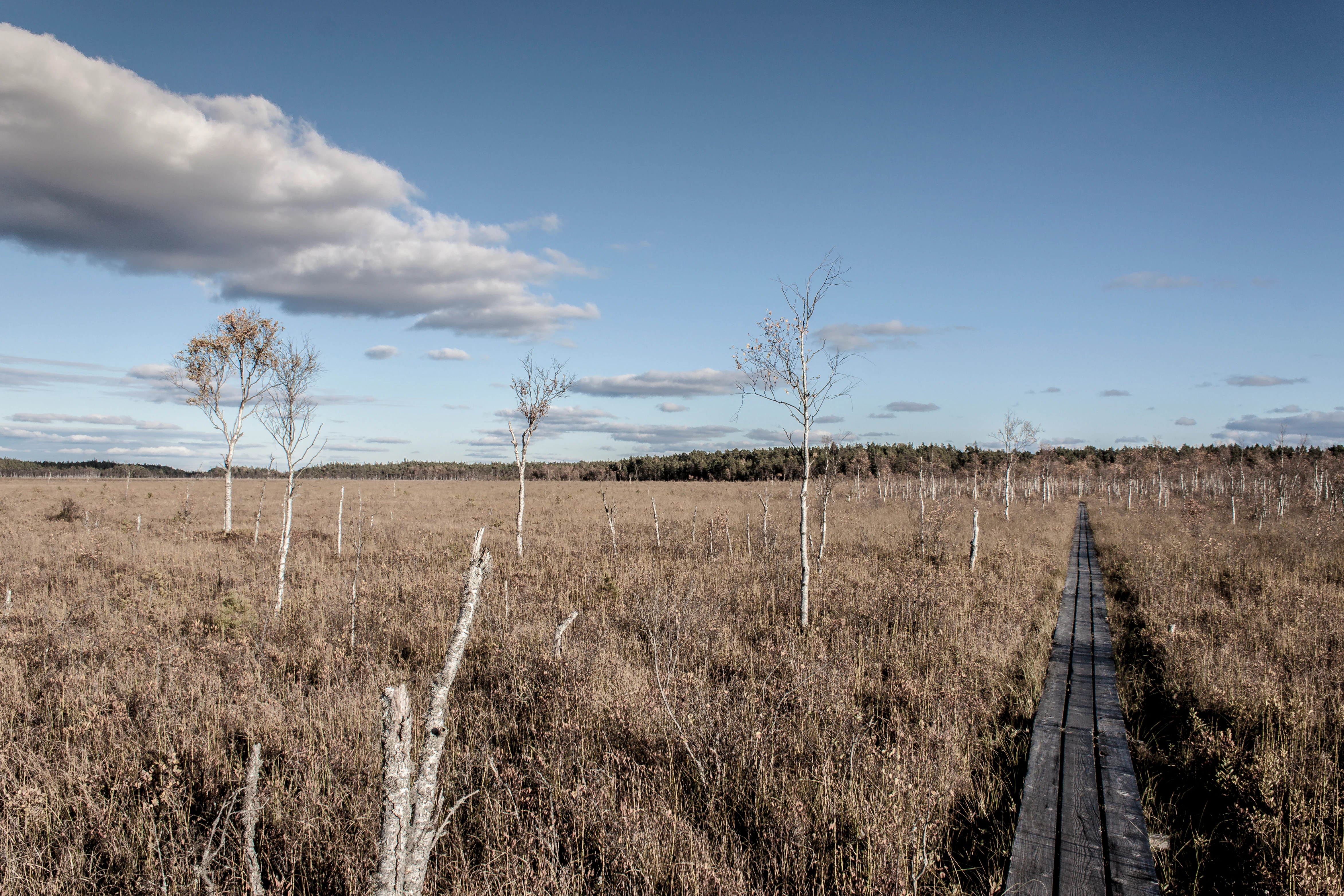
Store Mosse protects one of southern Sweden's most significant peatland ecosystems, a habitat type that becomes increasingly rare and valuable as one moves south from the more marshy landscapes of northern Sweden. The bog ecosystem supports specialized plant communities adapted to wet, acidic, and nutrient-poor conditions. Sphagnum mosses dominate the wetland substrate, creating the spongy ground surface characteristic of healthy peatlands and contributing to the ongoing accumulation of peat.
The vegetation patterns within the park reflect the moisture gradient from permanently saturated bog centers to slightly drier margins. Bog-specific plants include various Ericaceae family species such as heather and crowberry, along with specialized bog plants like cottongrass and sundews. The pine forests on slightly elevated ground feature more typical boreal species adapted to the local conditions. The lakes within the park, particularly Kävsjön, support aquatic vegetation and provide important habitat transitions between open water and wetland vegetation.
The ecological significance of Store Mosse extends beyond the bog itself. The combination of wetland, forest, and open water habitats creates a diverse landscape that supports various ecological communities. The Ramsar designation reflects the international importance of these wetlands for biodiversity, particularly for migratory waterfowl that use the area as a stopover or breeding site.
Store Mosse National Park wildlife and species highlights
Store Mosse National Park is particularly important for birdlife, a fact recognized by both the Ramsar designation and the presence of a large bird watching tower within the park. The wetland habitats provide essential breeding, feeding, and resting areas for various waterfowl species and marsh birds. The lakes, particularly Kävsjön, attract significant bird populations, while the bog itself supports species adapted to wetland environments.
The park's position within the East Atlantic Flyway makes it significant for migratory birds, with species moving between northern breeding grounds and southern wintering areas using the wetland as a stopover. The varied habitats within the park—from open water to marsh to forest—support diverse bird communities throughout the year. While specific species lists would require detailed ornithological sources, the park is clearly recognized as an important bird area within the region.
Beyond birds, the bog ecosystem supports other wildlife adapted to wetland conditions. The park's mosaic of habitats provides opportunities for various mammal, reptile, and invertebrate species, though the primary wildlife significance is concentrated in the bird populations that have driven the site's conservation recognition.
Store Mosse National Park conservation status and protection priorities
Store Mosse holds dual protection as both a national park and a Ramsar Wetland, reflecting its significant ecological value at both national and international levels. The Ramsar designation, granted in 1974, recognizes the site as a wetland of international importance, particularly for waterbirds. This designation places Sweden's obligations under the Ramsar Convention to conserve and wisely use the wetland resources.
The national park status, established in 1982, provides additional regulatory protection and ensures ongoing management focused on conservation while also allowing appropriate public access and environmental education. The management approach balances protection of the sensitive bog ecosystem with opportunities for visitors to experience and learn from the landscape.
The conservation significance of Store Mosse is enhanced by its location in southern Sweden, where extensive peatlands have become increasingly rare due to drainage, agriculture, and development. Protecting this large bog complex preserves not only the wetland habitat itself but also the ecological processes and biodiversity it supports, including carbon storage within the peat deposits.
Store Mosse National Park cultural meaning and human context
The Store Mosse landscape bears traces of historical human activity that add cultural depth to the natural environment. Peat extraction (torvbrytning) was historically practiced in the area, and remnants of this industry remain visible in parts of the park. Lake drainage (sjösänkning) projects also altered water levels in some areas, creating changes to the hydrology that are still evident.
These historical land uses are incorporated into the park's narrative rather than being erased, demonstrating how cultural and natural histories are intertwined in the landscape. Thepeat industry trails and drainage features serve as visible reminders of the relationship between humans and this wetland environment over time.
The park lies within the traditional province of Småland, an area with its own distinct cultural identity within Sweden characterized by forest industries, small-scale agriculture, and a history of independent smallholders. While the park itself is not known for specific indigenous heritage or cultural sites of particular note, the broader regional context shapes the landscape's character and the communities for whom it holds significance.
Top sights and standout views in Store Mosse National Park
Store Mosse National Park protects the largest peatland complex in southern Sweden, making it a unique destination for experiencing boreal wetland landscapes south of Lapland. The park offers over 40 kilometers of walking trails through varied terrain, including accessible routes for wheelchair users and visitors with visual impairments. The prominent bird watching tower provides excellent opportunities for observing waterfowl and marsh birds, particularly at Kävsjön lake. The Naturum visitors center offers exhibitions and information about the park's ecology and history. The combination of vast open bog, scattered lakes, and pine forest creates a distinctive landscape character that distinguishes Store Mosse from other Swedish national parks.
Best time to visit Store Mosse National Park
Store Mosse can be visited throughout the year, with each season offering a different experience of the park's character. Summer months bring the bog to life with active birdlife, blooming vegetation, and the longest days for exploring the trails. Guided tours are available during the summer season, and the accessibility features make the park welcoming for visitors with varied mobility levels. The summer also offers the opportunity for guided snowshoe tours on the bog—an unusual experience that highlights the year-round nature of the landscape.
Winter transforms the bog into a different landscape, with snow cover creating opportunities for winter walking and the specialized guided snowshoe excursions. The open terrain and experienced guides make this a distinctive way to experience the wetland in its winter guise. The free access policy and the presence of the Naturum visitors center mean that visitors can tailor their experience to their interests and available time, whether seeking a short visit or a longer exploration of this significant Swedish wetland.