Why Świętokrzyski National Park stands out
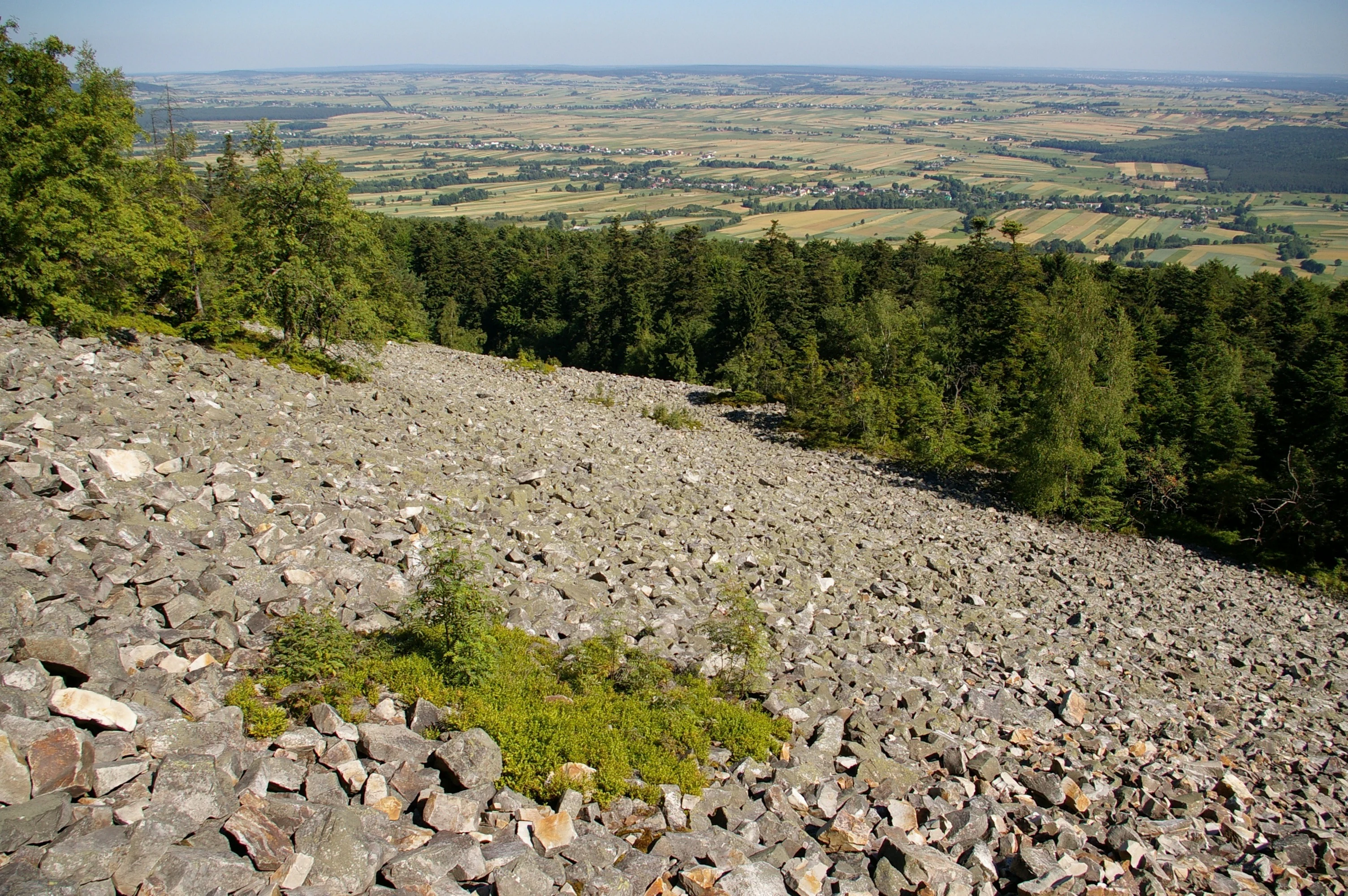
Świętokrzyski National Park is best known for its gołoborze, extensive boulder and rock rubble fields that blanket the mountain ridgelines, particularly on Łysa Góra and Łysica, creating an almost alpine landscape atypical of Poland's low-elevation mountains. The park also preserves Poland's most significant remaining populations of silver fir in relatively natural forest ecosystems, along with remarkable examples of Polish larch on Chełmowa Góra, representing a relict subspecies found nowhere else in the world. The distinctive rock-strewn summits, dense beech and fir forests, and the presence of endemic forest communities make this park a living museum of Central European forest ecology.
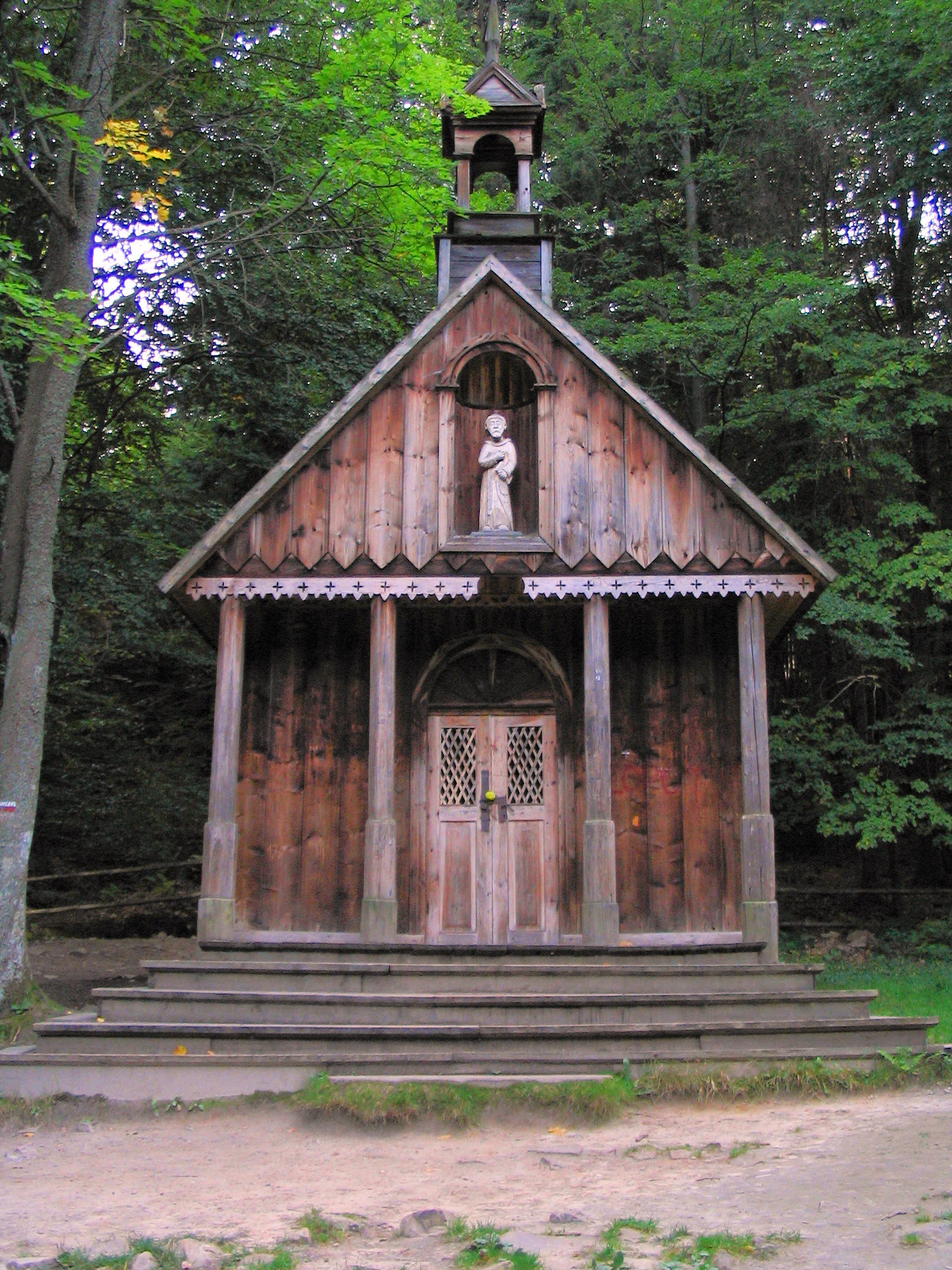
Świętokrzyski National Park history and protected-area timeline
The protection of this region's natural heritage predates the establishment of the national park by several decades. In 1921, Józef Kostyrko established the first forest reserve in the Świętokrzyskie Mountains on Chełmowa Góra, covering 1.63 square kilometers. Two years later, in 1922, additional areas on the Łysogóry range totaling 3.11 square kilometers received protection. The reserves were formally expanded in 1932 to cover 13.47 square kilometers, but the national park itself was not created until 1950, on May 1, becoming only the third such protected area in Poland after the Pieniny and Białowieża parks. The initial park area covered 60.54 square kilometers but was later expanded to the present 76.26 square kilometers, of which 72.12 square kilometers remains forested. The park was originally named the Świętokrzyski National Park named after Stanisław Żeromski, honoring the famous Polish writer, though this designation is now less commonly used. Five strictly protected zones were established within the park, covering 17.31 square kilometers where human intervention is minimized to allow natural ecological processes to proceed. In 1996, the park was expanded to include the Klonowski Ridge, adding to its ecological diversity. More recently, boundary adjustments occurred in 2022 involving the temporary removal and subsequent restoration of an enclave around the Holy Cross Abbey, with the monastery territory returned to the park in 2025.
Świętokrzyski National Park landscape and geographic character
The physical landscape of Świętokrzyski National Park is defined by its position on the highest ridgeline of Poland's oldest mountain system. The Świętokrzyskie Mountains emerged through three distinct tectonic episodes and represent a geological heritage far older than the Carpathians or Sudetes. Despite their relatively modest elevations—Łysica at 612 meters and Łysa Góra at 595 meters being the highest points—the mountains present a distinctive topography of rounded, elongated ridges separated by narrow valleys. The most striking landscape feature is the gołoborze, extensive boulder fields that cover the exposed ridge crests. These formations developed during periglacial conditions when frequent freeze-thaw cycles shattered the bedrock, creating fields of angular granite fragments that remain largely unvegetated today. The largest gołoborze covers nearly four hectares on Łysa Góra, while similar but smaller fields occur on Łysica and other summits. The terrain transitions from these exposed, rocky ridgelines through slopes covered in dense forest to the valley floors where streams have cut shallow channels. The park's elevation range, while modest by mountain standards, creates distinct microclimatic zones with varying moisture, temperature, and exposure that influence vegetation patterns across the protected area.
Świętokrzyski National Park ecosystems, habitats, and plant life
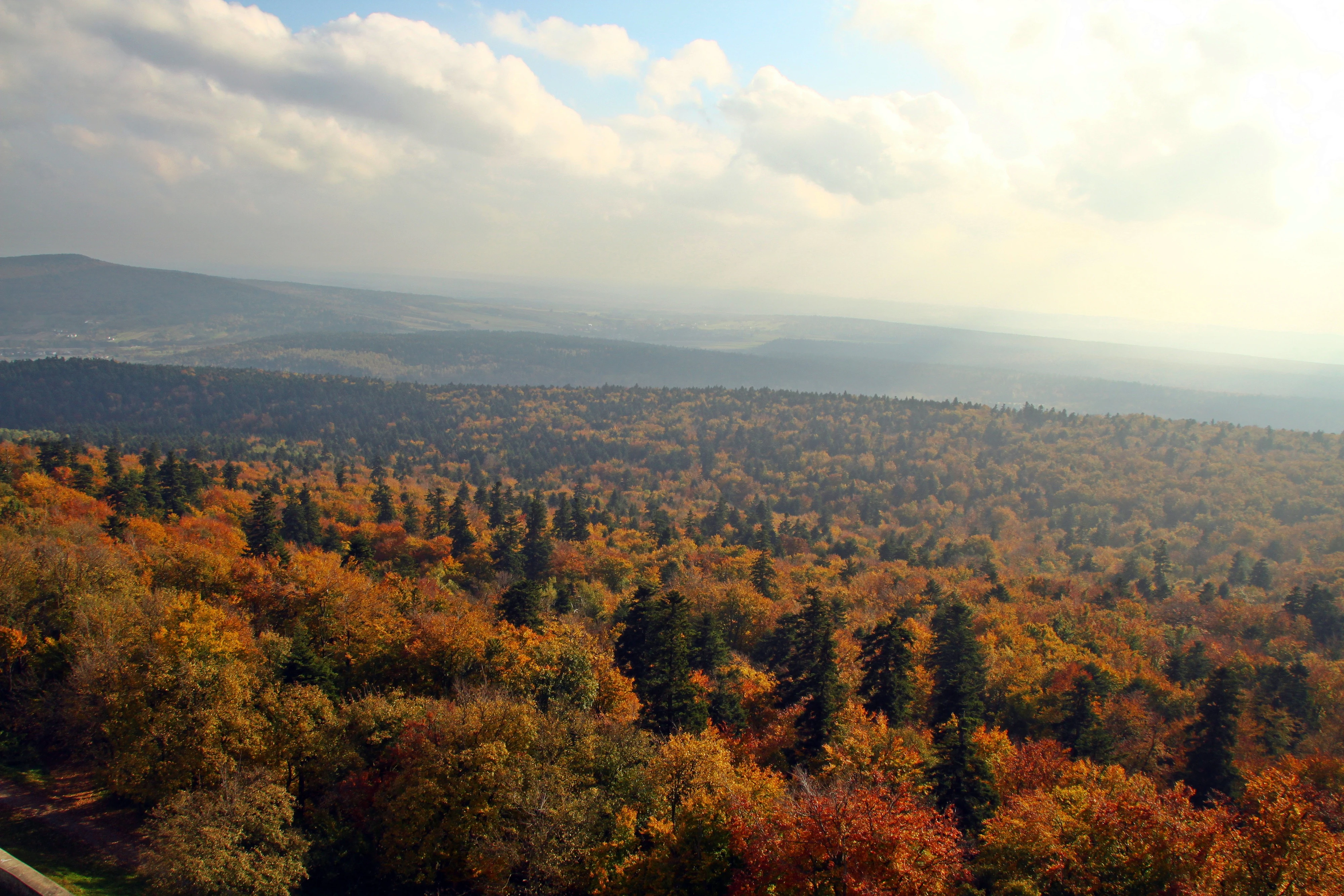
The ecological character of Świętokrzyski National Park centers on its extensive forest cover—approximately 95 percent of the park area—and the remarkable diversity of forest types preserved within its boundaries. Mixed forests of pine and beech dominate the lower slopes and valleys, while the more characteristic upland forests feature silver fir growing in association with beech, creating dense, shaded woodlands where canopy closure limits understory development. The park preserves one of Poland's most significant examples of the wyżynny jodłowy bór mieszany (upland mixed fir forest) ecosystem, a community that has largely disappeared from lowland Poland. Perhaps most remarkable is the preservation of the endemic fir wilderness and the unique Świętokrzyski rowan community (Sorbus aria × aucuparia) found only in this region. On Chełmowa Góra, forests dominated by Polish larch (Larix decidua ssp. polonica), a relict subspecies, represent an ecological rarity of international significance. The park contains over 670 trees designated as natural monuments, including ancient beech, fir, and pine specimens, while successful reintroduction efforts have established approximately 1,300 yew trees throughout the area. More than 1,000 species of vascular plants have been recorded within the park and its buffer zone, with 128 species found exclusively within the park itself—underscoring the ecological uniqueness of this mountain enclave.
Świętokrzyski National Park wildlife and species highlights
The wildlife communities of Świętokrzyski National Park reflect both the mountain setting and the extensive forest cover that dominates the protected area. Mammal populations include approximately 45 species, with roe deer, red deer, and wild boar being the most commonly encountered. Pine marten, red-backed vole, and wood mouse represent the smaller mammalian fauna, while the diverse forest structure provides habitat for species requiring older, more complex woodland environments. Birdlife is particularly well-represented, with 150 species documented including 118 breeding species—indicating successful reproduction and suitable habitat conditions. The avifauna includes great spotted woodpecker, nuthatch, chaffinch, wren, buzzard, and tawny owl, among others, with the older fir and beech forests providing nesting opportunities for species requiring large, mature trees. Invertebrate diversity is extraordinary: more than 3,000 insect species have been recorded, including approximately 1,500 beetle species and nearly 1,000 butterfly species. Among these, the marsh fritillary butterfly and the alcimonia glandon moth (a tiger moth) are protected under the European Union's Habitat Directive as priority species within the Natura 2000 site. The park also supports 66 snail species and 187 spider species, contributing to an overall invertebrate tally exceeding 4,000 species—a remarkable density for a relatively small protected area.
Świętokrzyski National Park conservation status and protection priorities
Świętokrzyski National Park serves as a core protected area within the broader Natura 2000 network, specifically designated as a Special Area of Conservation (SAC) under the name Łysogóry. The park's conservation significance derives from its preservation of Europe's old-growth forest communities, particularly the upland mixed silver fir forests that once covered much of the Polish uplands but have been largely eliminated by centuries of forest management. The park's forest ecosystems function at a very high level of naturalness, with the core strictly protected zones requiring no active management interventions to maintain their ecological integrity—a testament to the effectiveness of long-term protection. The presence of endemic species and communities found nowhere else in the world—including the Świętokrzyski rowan and Polish larch—adds global significance to the park's conservation value. The five strictly protected zones covering 17.31 square kilometers form the ecological backbone of the reserve, while the surrounding buffer zone of nearly 208 square kilometers provides essential ecological connectivity and allows ecological processes to operate at a landscape scale. Species of European conservation concern, including marsh fritillary and several rare beetle species protected under the Habitats Directive, depend on the park's habitats for their survival in Poland.
Świętokrzyski National Park cultural meaning and human context
The cultural landscape of Świętokrzyski National Park is deeply intertwined with Poland's historical and religious heritage. The Holy Cross Mountains take their name from the Benedictine Holy Cross Abbey (Opactwo na Świętym Krzyżu) established on the summit of Łysa Góra in the first half of the 12th century. This monastery, still operating today under the care of the Missionary Oblates of Mary Immaculate, became one of the most important religious centers in medieval Poland and is associated with the probable origin of the oldest surviving example of Polish writing—the Holy Cross Sermons (Kazania Świętokrzyskie). The abbey's buildings occupy an enclave within what would otherwise be the park boundary, and this unusual situation led to boundary adjustments in 2022-2025 before the monastery territory was restored to the protected area. The surrounding landscape contains numerous roadside chapels and religious monuments reflecting the strong traditional связь between local communities and this sacred mountain. Beyond the abbey, the region contains additional architectural heritage including the 17th-century female monastery at Święta Katarzyna, 15th-century churches at Bodzentyn, ruins of a 14th-century castle at Bodzentyn, and remnants of 9th-century ramparts around Łysa Góra. The area also holds significance for Polish national history, with numerous monuments connected to historic uprisings and the Nazi occupation period.
Top sights and standout views in Świętokrzyski National Park
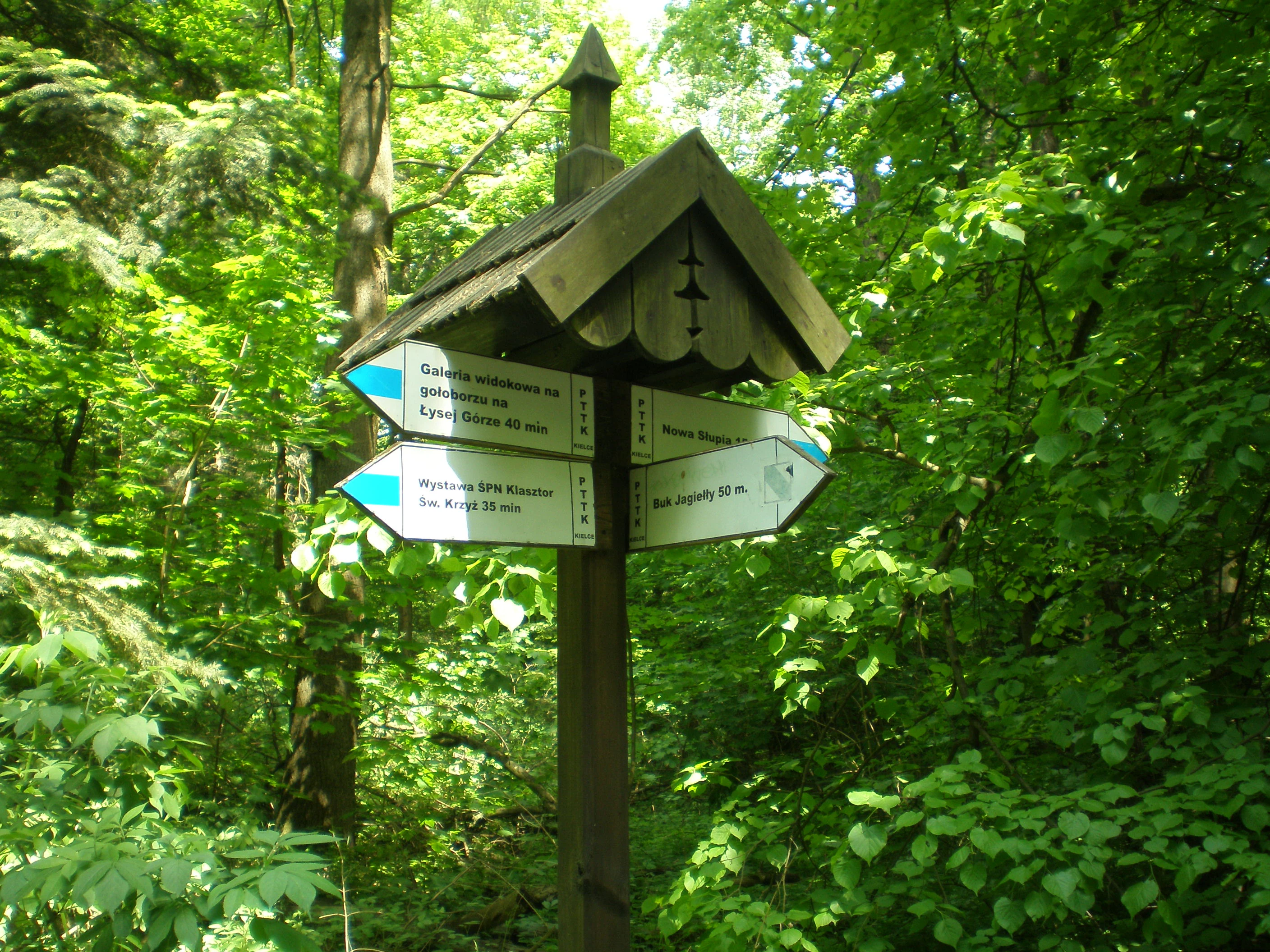
The distinctive gołoborze rock rubble fields on Łysa Góra and Łysica, creating an almost alpine landscape unique among Poland's low mountains. The ancient 270-year-old silver fir standing 51 meters tall, recognized as Poland's tallest conifer tree. The endemic Polish larch forests on Chełmowa Góra, representing a subspecies found nowhere else in the world. The historic Holy Cross Abbey from the 12th century, one of Poland's oldest and most significant religious monuments. The extensive strictly protected forest zones allowing natural ecological processes to proceed without intervention. The remarkable biodiversity including over 4,000 invertebrate species and 150 bird species within a relatively compact 76 square kilometer area.
Best time to visit Świętokrzyski National Park
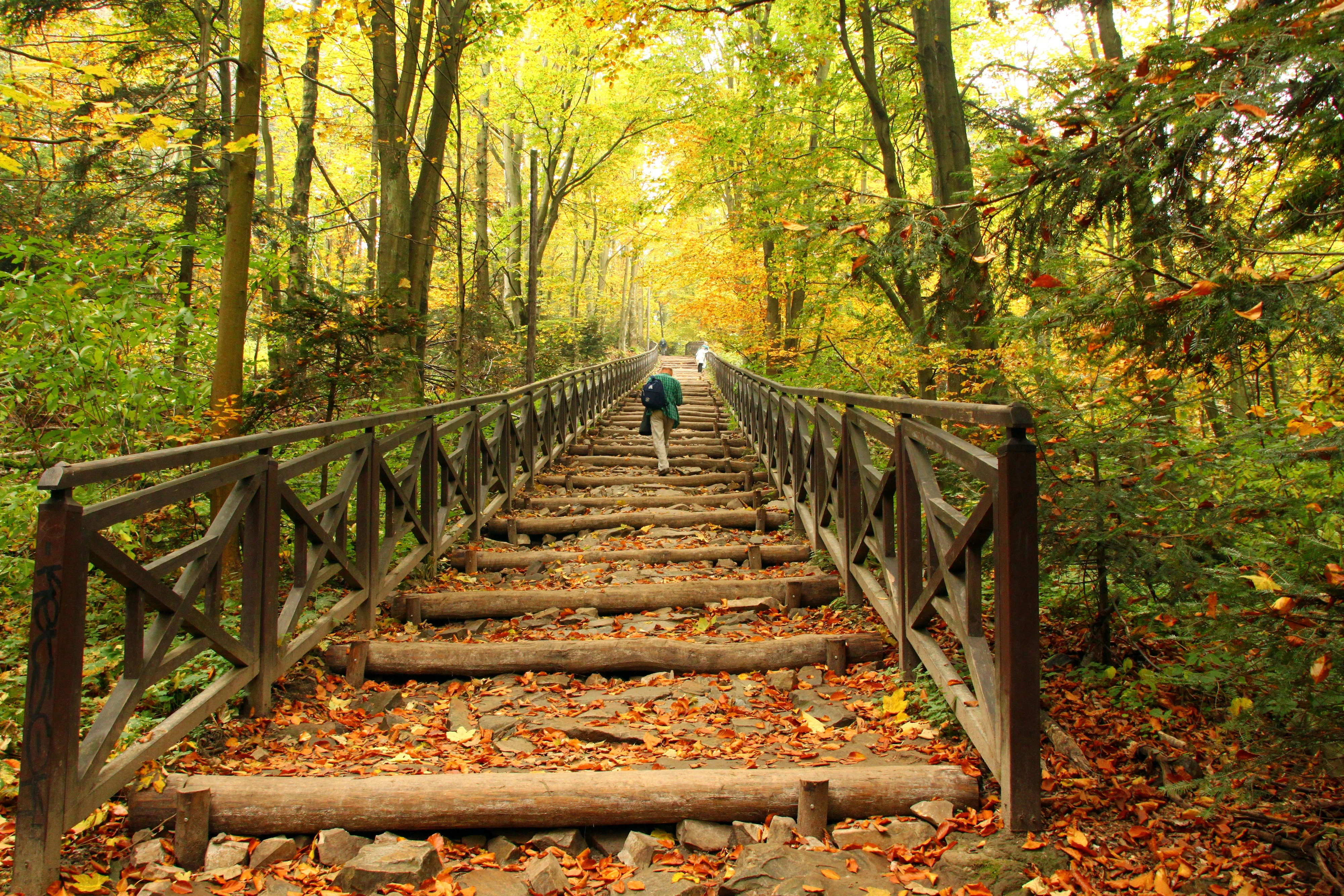
The park can be visited throughout the year, with each season offering a distinct experience. Spring brings fresh forest growth and the emergence of wildflowers in the forest understory, while summer provides warm conditions ideal for hiking the mountain trails and exploring the gołoborze fields. Autumn transforms the beech and fir forests with spectacular color, while winter offers a quieter, more austere landscape—the bare rock fields often covered in snow creating a dramatically different atmosphere. The spring and autumn seasons may offer the most comfortable hiking conditions, though the park's relatively low elevation means it can be enjoyed in any season without extreme weather concerns. The park remains less crowded than Poland's more famous mountain destinations, allowing for a more contemplative experience of its ancient landscapes.