New Zealand's first forest park, where rugged Tararua Range peaks meet classic North Island tramping culture.
Tararua Forest Park
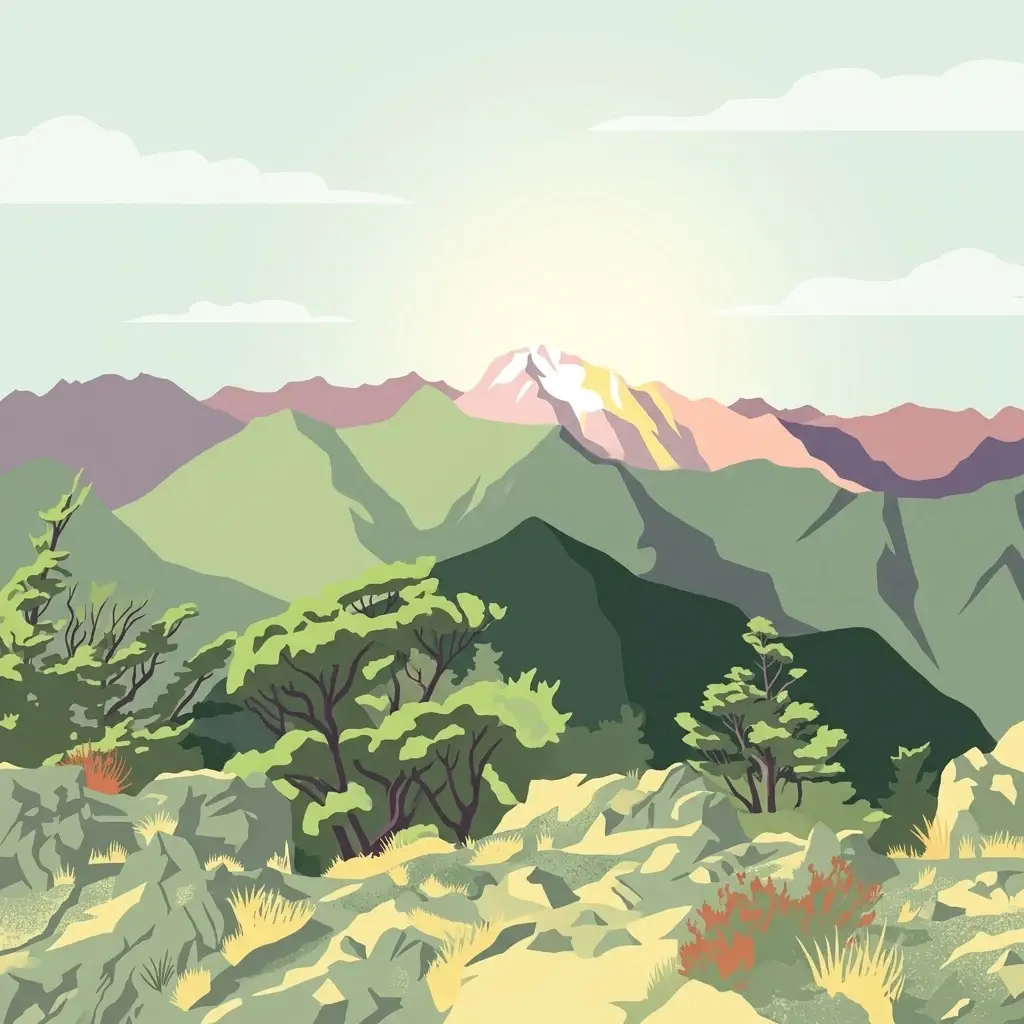
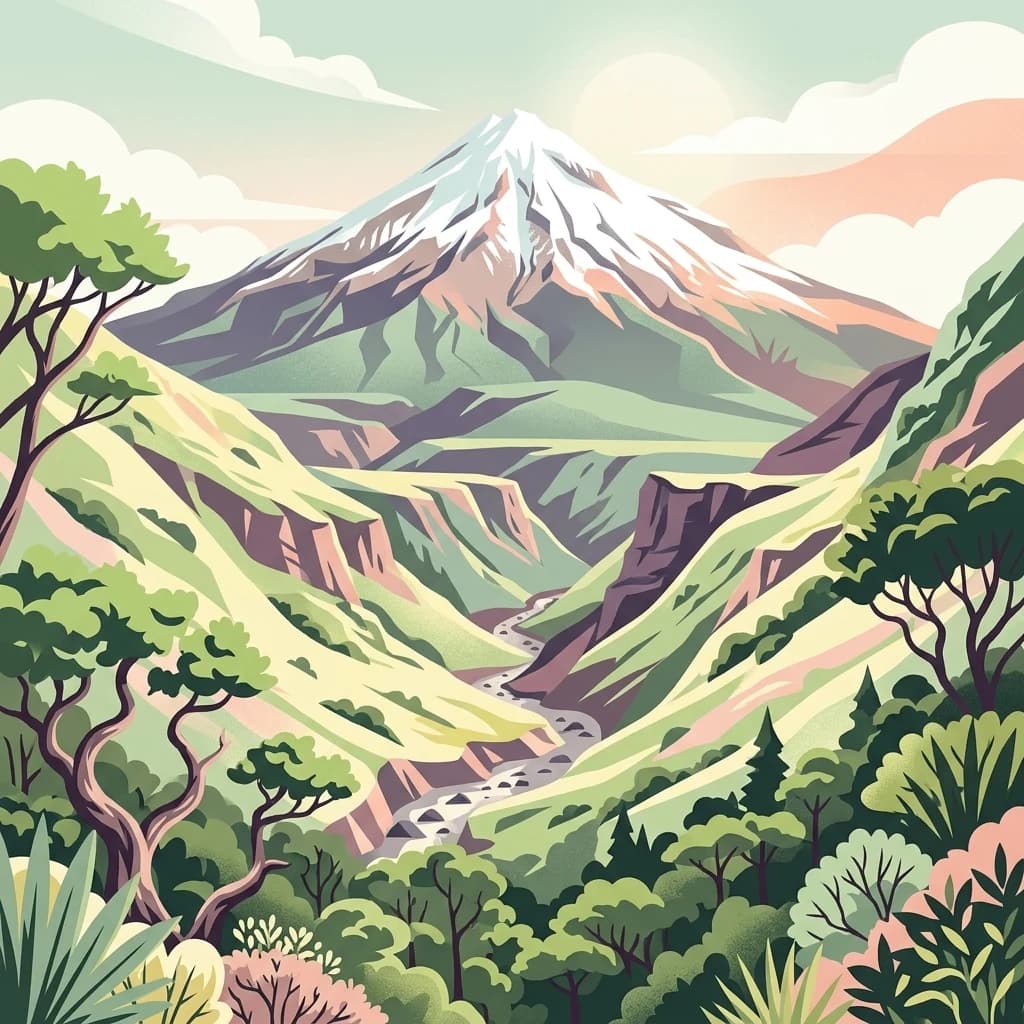
Tararua Forest Park is a large protected area in the southern North Island of New Zealand, covering roughly the better part of the rugged Tararua Range. Established in 1954, it was New Zealand's first forest park and set a precedent for the broader forest park system that followed. The landscape rises from lowland river valleys through dense podocarp and broadleaf forest into steep beech-clad slopes and exposed alpine tussock tops, with Mitre Peak reaching 1571 meters as the highest summit.
The park plays a central role in New Zealand's outdoor recreation culture, offering dense networks of tramping tracks, backcountry huts, and road-end campsites that draw trampers from the Wellington, Wairarapa, Horowhenua, and Kāpiti regions. Beyond recreation, the park matters ecologically: it protects a gradient of native forest types, supports important populations of native birds, and has been the focus of predator control programmes aimed at restoring forest health and indigenous wildlife.
Today the park remains both a working conservation landscape and a cultural touchstone for New Zealand tramping, sitting within easy reach of major population centers like Palmerston North and Upper Hutt. Its combination of access, challenge, ecological variety, and historical significance makes it one of the most recognised protected natural areas in the North Island.