Why Ugra National Park stands out
Ugra National Park is best known for its protection of pristine river valley ecosystems in central Russia, representing one of the few remaining intact floodplain landscapes in this heavily agricultural region. The park protects critical habitat for the endangered Russian desman, a small semi-aquatic mammal that inhabits the park's lakes and wetlands. Its rivers, particularly the Ugra and Zhizdra, are renowned for kayaking and paddling activities, offering visitors the chance to experience the river landscapes that have defined this region for centuries. The park also contains Nikola-Lenivets, Europe's largest art park, which brings contemporary artistic installation into the natural environment.
Ugra National Park history and protected-area timeline
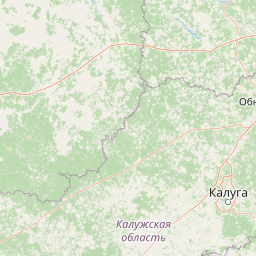
Ugra National Park was established on February 10, 1997, with the specific purpose of protecting the typical landscapes of Central Russia. The creation of the park responded to growing concerns about the loss of natural river valley ecosystems in a region that had experienced extensive agricultural development and infrastructure expansion throughout the 20th century. The park was formed by consolidating several existing protected areas and adding new territory to create a coherent protected landscape along the Ugra River corridor. In 2002, just five years after its establishment, the park received additional recognition through designation as a UNESCO biosphere reserve under the Man and the Biosphere Programme. This international designation acknowledged both the ecological significance of the protected area and the park's potential to demonstrate sustainable relationship between human communities and natural environments. The park headquarters have remained in Kaluga, the largest city in the oblast and a historical center of the region.
Ugra National Park landscape and geographic character
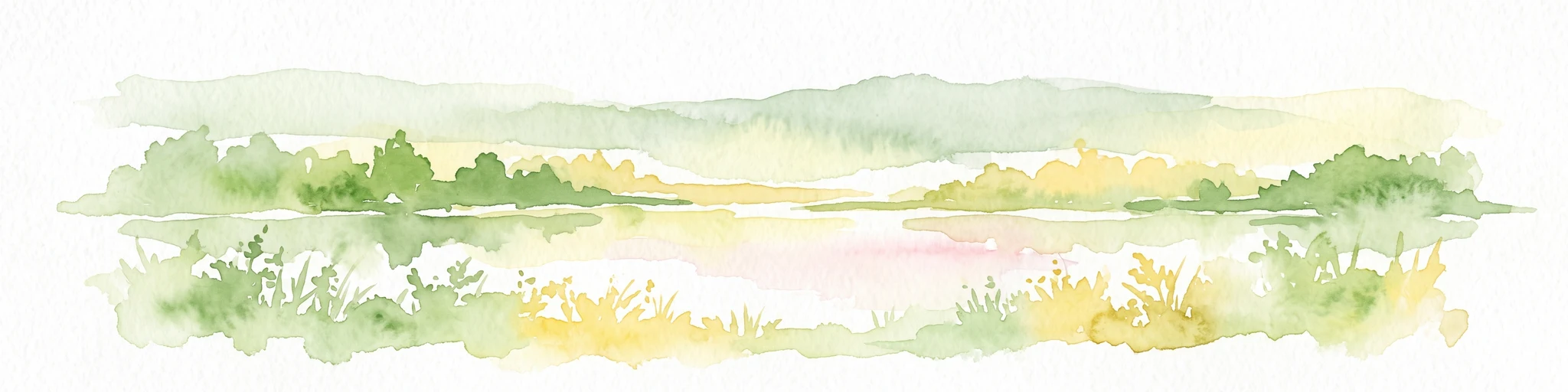
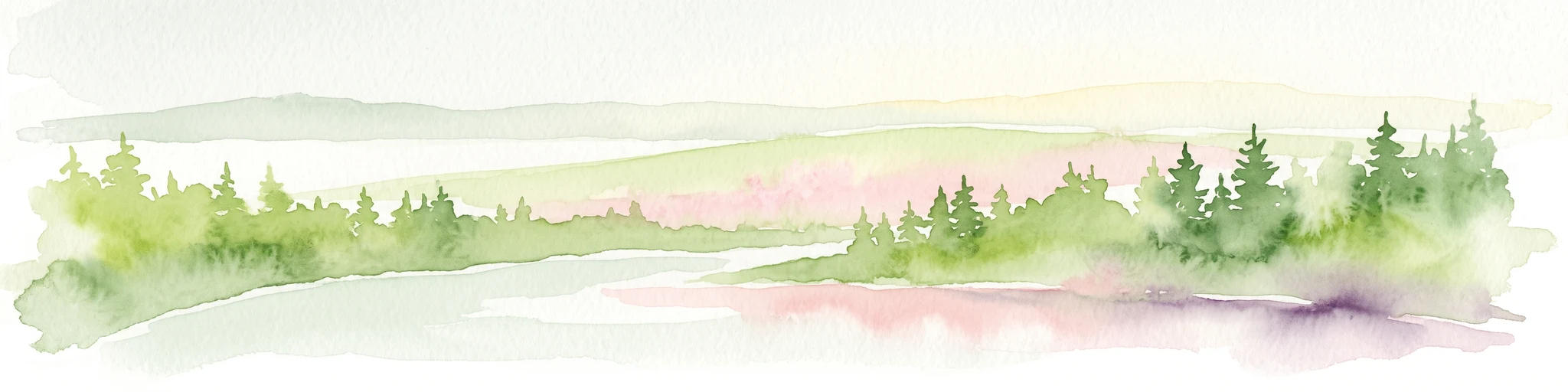
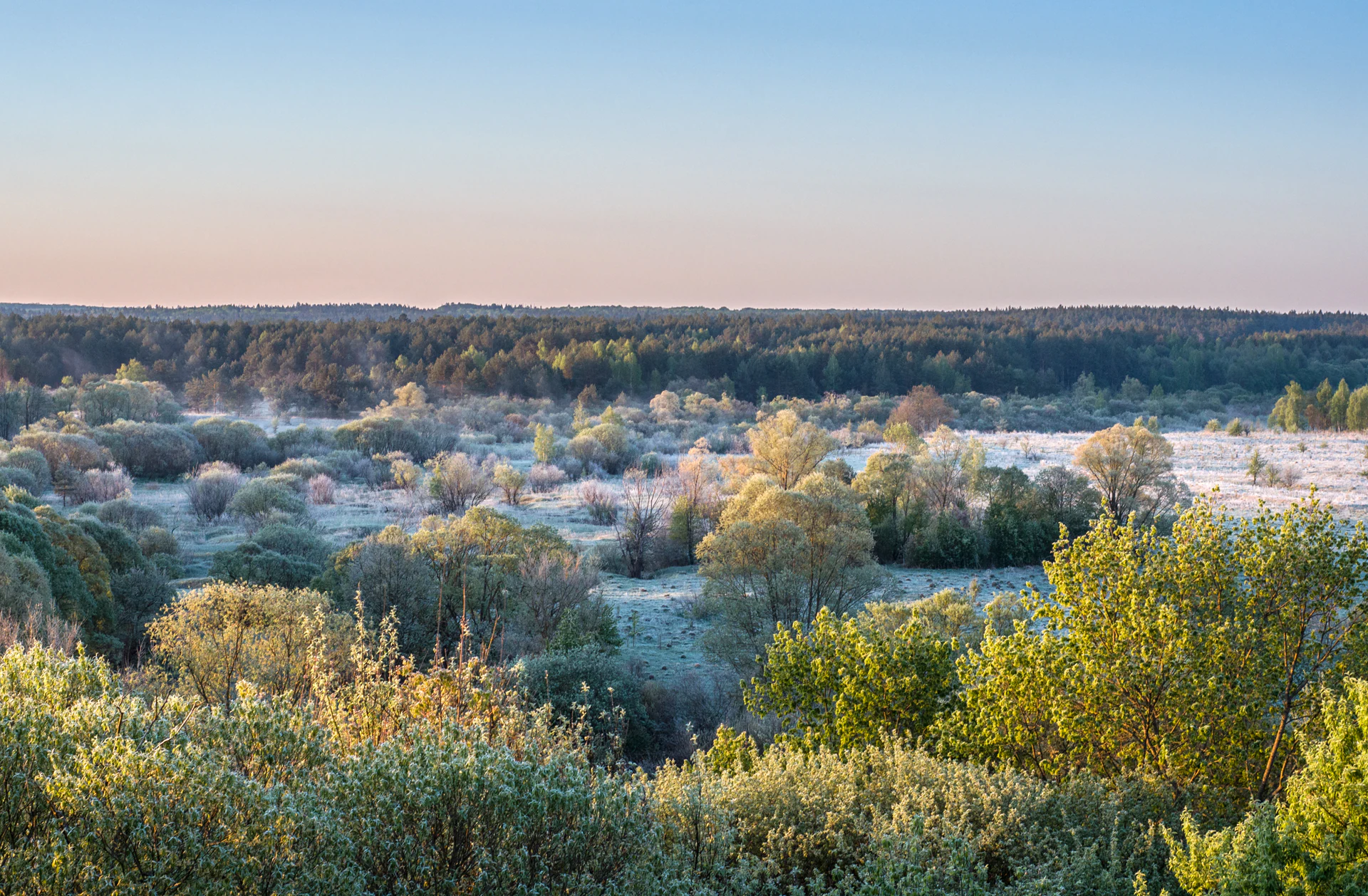
The landscape of Ugra National Park is defined by its river valley setting, with the Ugra River and its tributary the Zhizdra River creating a complex system of channels, floodplains, and wetlands. The terrain consists primarily of low-lying floodplain areas interspersed with slightly elevated sandy ridges that support forest vegetation. The valley floors feature marshy meadows, oxbow lakes, and marshland complexes that store water and create diverse habitat conditions. In the northern section, the Ugra River flows through a landscape that transitions from the more upland conditions of Smolensk Oblast into the flatter, more open valley terrain characteristic of central Kaluga Oblast. The southern portion follows the Zhizdra River, which joins the Ugra at the southern edge of the protected area. The Vorotynsk area, though smallest in extent, encompasses the area around the historical village of Vorotynsk, where the landscape includes both natural river environments and areas influenced by long-term human settlement. The overall character is one of relatively flat terrain with subtle elevation changes, typical of the Central Russian Plain.
Ugra National Park ecosystems, habitats, and plant life
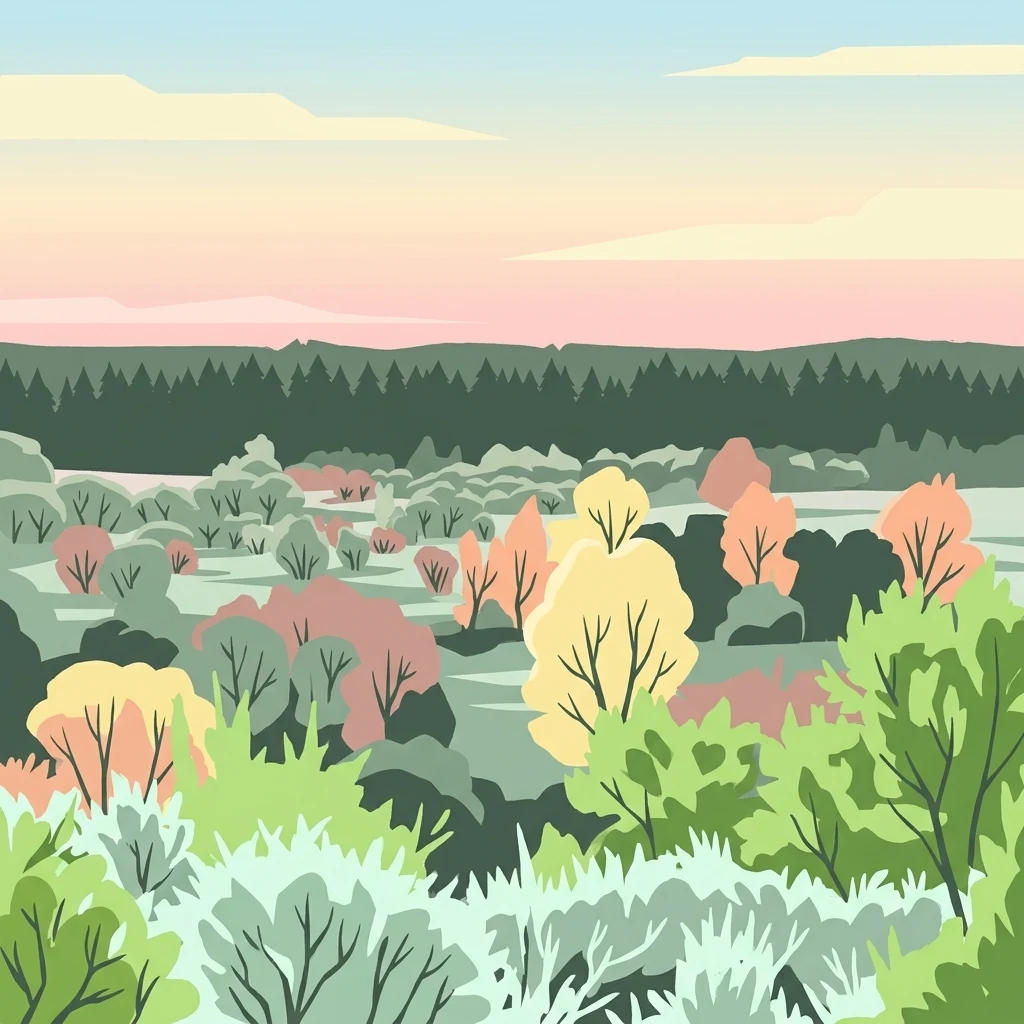
The nature of Ugra National Park centers on its riparian and wetland ecosystems, which represent some of the most ecologically productive habitats in central Russia. The river valleys provide crucial ecological corridors connecting protected areas and allowing species to move through landscapes dominated by agriculture. The park's wetlands, including lakes, marshes, and floodplain meadows, support distinctive plant communities adapted to periodic flooding and variable water conditions. The forested areas within the park, though not extensive, provide important habitat for forest-dwelling species and contribute to the overall diversity of the protected area. The combination of river channels, wetlands, meadows, and small forest patches creates a mosaic of habitats that supports the park's biodiversity. These ecosystems are particularly important in the context of the surrounding agricultural landscape, where similar natural habitats have been largely lost to farming and development.
Ugra National Park wildlife and species highlights
Ugra National Park supports populations of several mammal species characteristic of central Russian ecosystems. The park provides habitat for moose, wild boar, and roe deer, which occupy the forested and meadow areas within the protected territory. Semi-aquatic mammals including the Eurasian beaver and muskrat are present along the river corridors and in wetland areas, where they exploit the aquatic resources and riparian vegetation. The Russian desman, a small insect-eating mammal resembling a cross between a mole and a shrew, represents a species of particular conservation concern. This endangered animal inhabits the lakes and slow-moving water bodies within the park, making the protected area crucial for maintaining viable populations of this species. The riparian and wetland habitats also support diverse communities of birds, fish, and invertebrates that depend on the aquatic and waterside environments.
Ugra National Park conservation status and protection priorities
Ugra National Park plays a vital conservation role in central Russia by protecting representative examples of the region's river valley ecosystems. The park's designation as a UNESCO biosphere reserve in 2002 confirmed its international significance and integrated it into a global network of protected areas dedicated to conservation and sustainable development. The protected status helps preserve ecological corridors that allow wildlife to move through an agricultural landscape where natural habitats have been extensively fragmented. The park's protection of habitat for the endangered Russian desman is particularly significant, as this species has experienced significant range decline across its historical distribution. By maintaining the wetland environments that this species requires, the park contributes to conservation of a species that is endemic to a relatively limited geographic area. The park also serves an educational function, providing opportunities for research and public understanding of central Russian ecosystems.
Ugra National Park cultural meaning and human context
Ugra National Park is situated in a region of significant historical importance in Russian history. The park contains the area associated with the Great Stand on the Ugra River, a pivotal military event that occurred in 1480 when the armies of the Grand Duchy of Moscow faced those of the Golden Horde along the river. This confrontation marked a turning point in Russian history, effectively ending Mongol-Tatar dominance over Russian territories and establishing the path for Moscow's emergence as the center of a unified Russian state. The park also encompasses the historical town of Vorotynsk, which retains traces of medieval settlement. Additionally, the nearby Optina Monastery, one of Russia's most famous religious centers, lies in proximity to the park and attracts visitors interested in Russian spiritual heritage. The presence of Nikola-Lenivets art park within the park boundaries represents an unusual integration of contemporary cultural activity within a protected natural area, demonstrating how protected landscapes can serve multiple purposes.
Top sights and standout views in Ugra National Park
Ugra National Park stands out for its combination of natural river valley protection and cultural heritage within a single protected area. The park offers paddling opportunities on its scenic rivers, allowing visitors to experience the landscapes that have shaped regional identity for centuries. The presence of the Russian desman, an endangered species found in the park's lakes, makes it significant for species conservation in central Russia. The historical dimension of the park, encompassing the site of the 1480 Great Stand on the Ugra River, connects environmental protection to Russian national history. The inclusion of Nikola-Lenivets, Europe's largest art park, within the national park boundaries creates a unique blend of conservation and contemporary cultural expression.
Best time to visit Ugra National Park
The best time to visit Ugra National Park depends on the intended activities, though the summer months of June through August offer the most accessible conditions for paddling and wildlife observation. Spring flooding in May and early June creates optimal conditions for kayaking as water levels rise and the river channels open up, though this is also a period of higher water and more challenging conditions for less experienced paddlers. Summer brings warmer temperatures and more stable river conditions, making it ideal for extended paddling trips and enjoying the riparian landscapes. The shoulder seasons of spring and autumn offer different experiences, with spring bringing bird migrations and the renewal of vegetation, while autumn displays the colors of the region's deciduous forests. Winter visits are possible but limited by snow and ice conditions typical of central Russian winters.