Why Weerribben-Wieden National Park stands out
The park is most notable for its exceptional lowland peat bog ecosystem, the largest and most intact in Northwestern Europe. The Weerribben-Wieden represents a rare example of a functional low-moor fen system where natural succession from open water through reed beds to carr woodland remains observable across the landscape. The area is renowned for its populations of purple heron, black tern, and bittern, along with the return of the European otter following reintroduction in 2002. The rare large copper butterfly (Lycaena dispar batava), whose western European populations now persist primarily in Dutch marshes, finds its last strongholds here. The park also preserves traditional reed harvesting practices that have shaped the landscape for centuries.
Weerribben-Wieden National Park history and protected-area timeline
The history of Weerribben-Wieden is deeply intertwined with the extraction of peat, which began in the Kop van Overijssel around 1300 when flagellants settled in Giethoorn and discovered that dried peat made excellent fuel. Large-scale commercial peat production started around 1600, with turf transported by ship to markets in Holland via the Zuiderzee. The extraction method involved digging trenches (weren) and leaving strips of peat (ribben) to dry. The catastrophic storms of 1776 and 1825 breached the narrow peat ridges, flooding large areas and creating the lakes known as Beulakerwijde and Belterwijde. Following these disasters, stricter regulations on ridge width allowed the distinctive landscape of De Weerribben to develop north of the Steenwijkerdiep, where peat extraction began later in 1700. By the late 18th century, peat production employed over 15% of the regional workforce, reaching 80% in some villages. Peat extraction gradually declined through the 20th century, ending entirely by 1955. Simultaneously, reed harvesting for thatching became important from the 20th century onward, with about 1,000 hectares still producing thatching reed today. Nature conservation began acquiring land in the 1930s, with Natuurmonumenten purchasing properties around De Wieden starting in 1934, while Staatsbosbeheer began acquiring reed lands in De Weerribben in 1956.
Weerribben-Wieden National Park landscape and geographic character
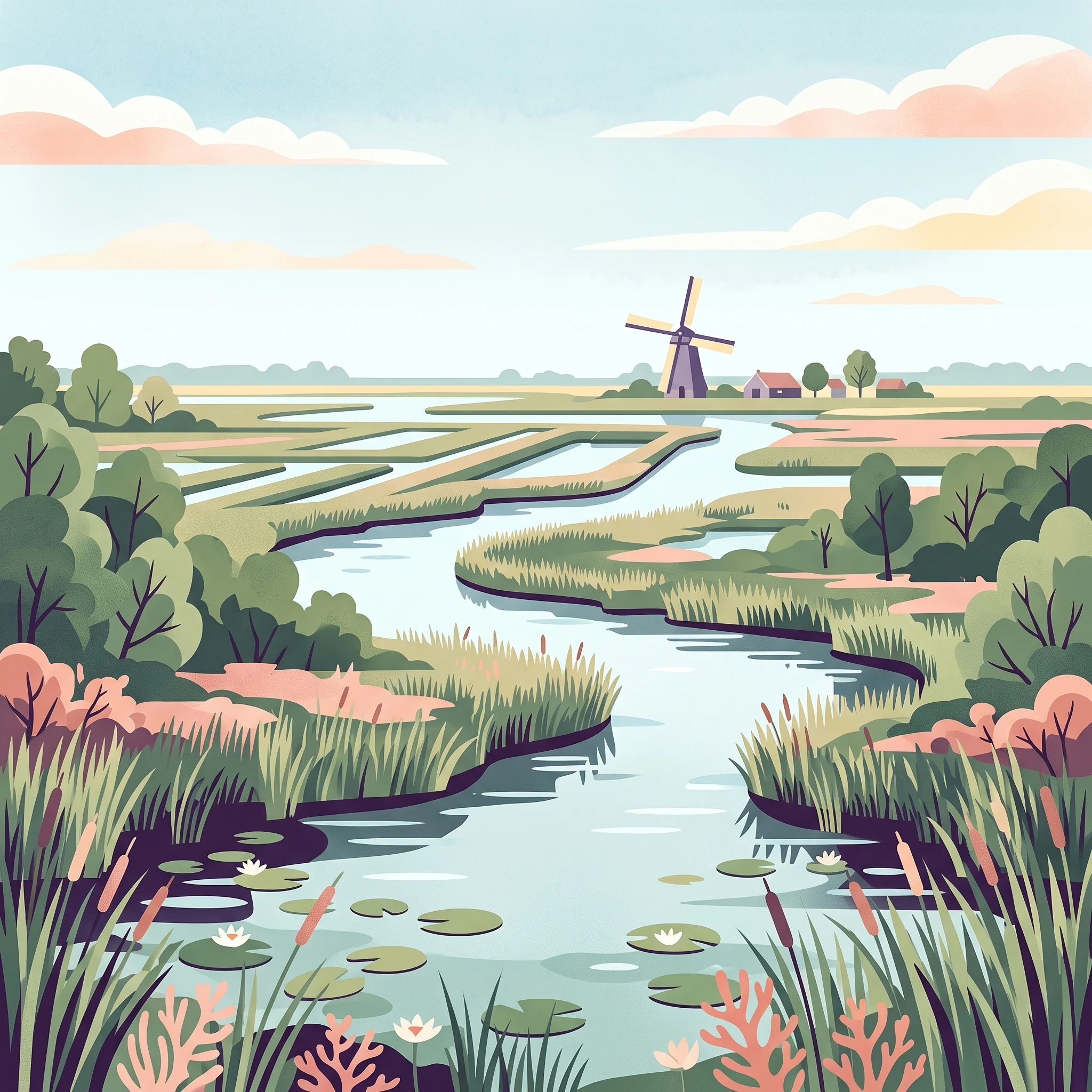
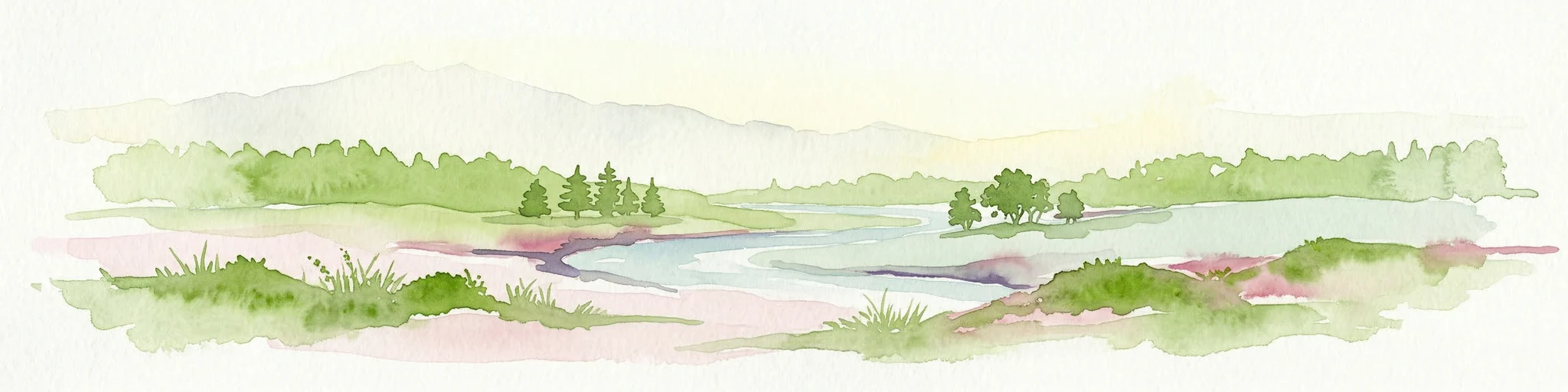
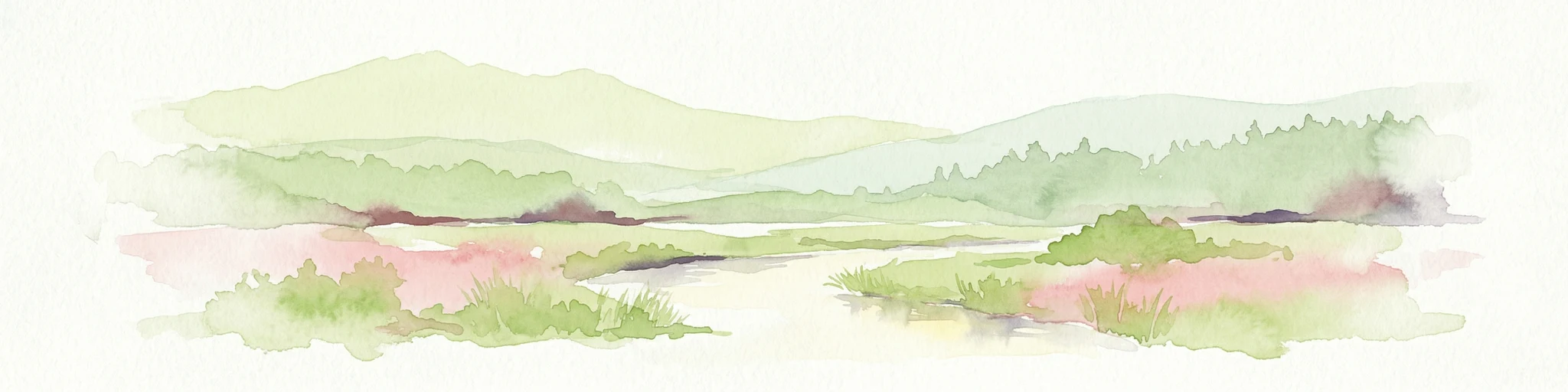
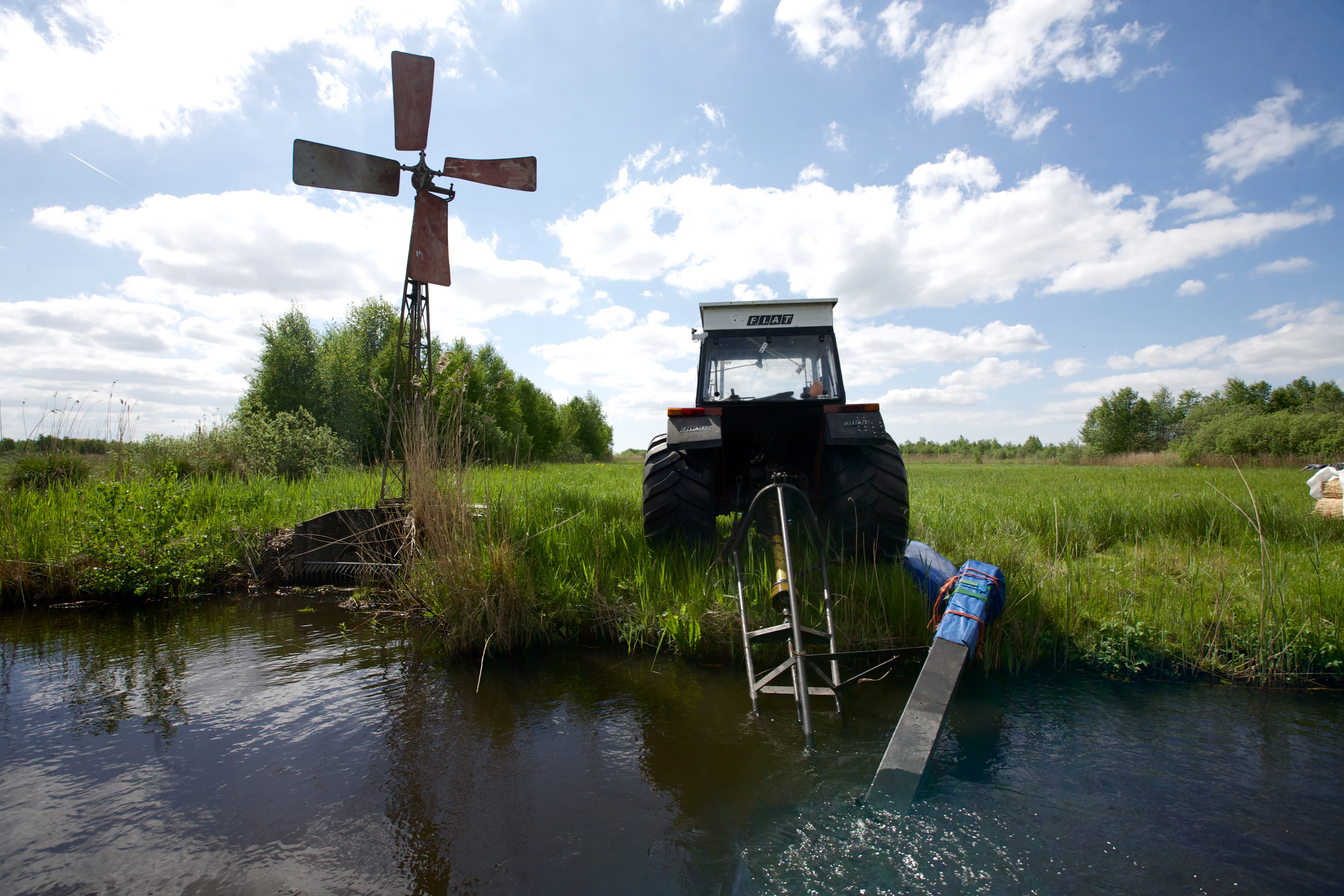
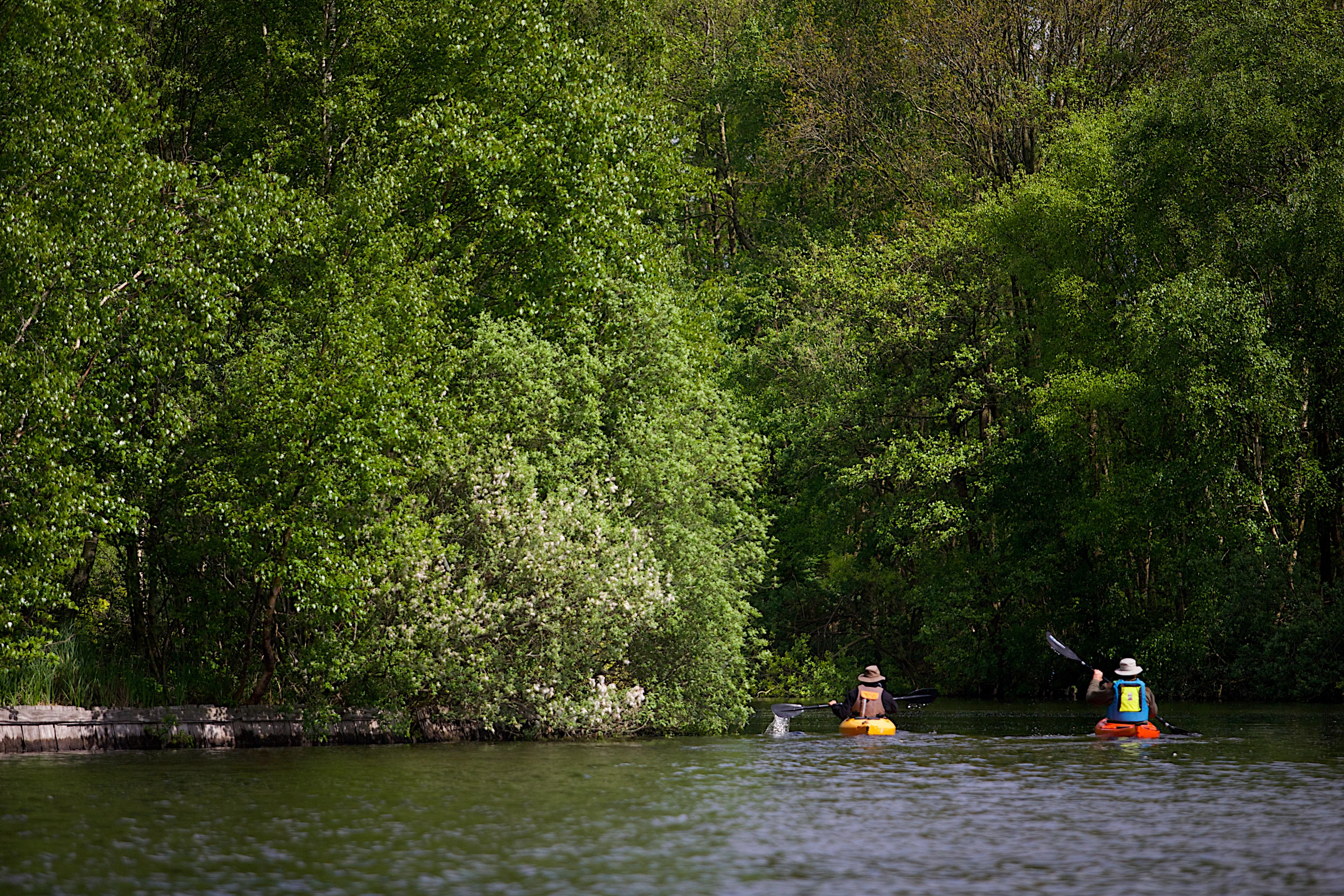
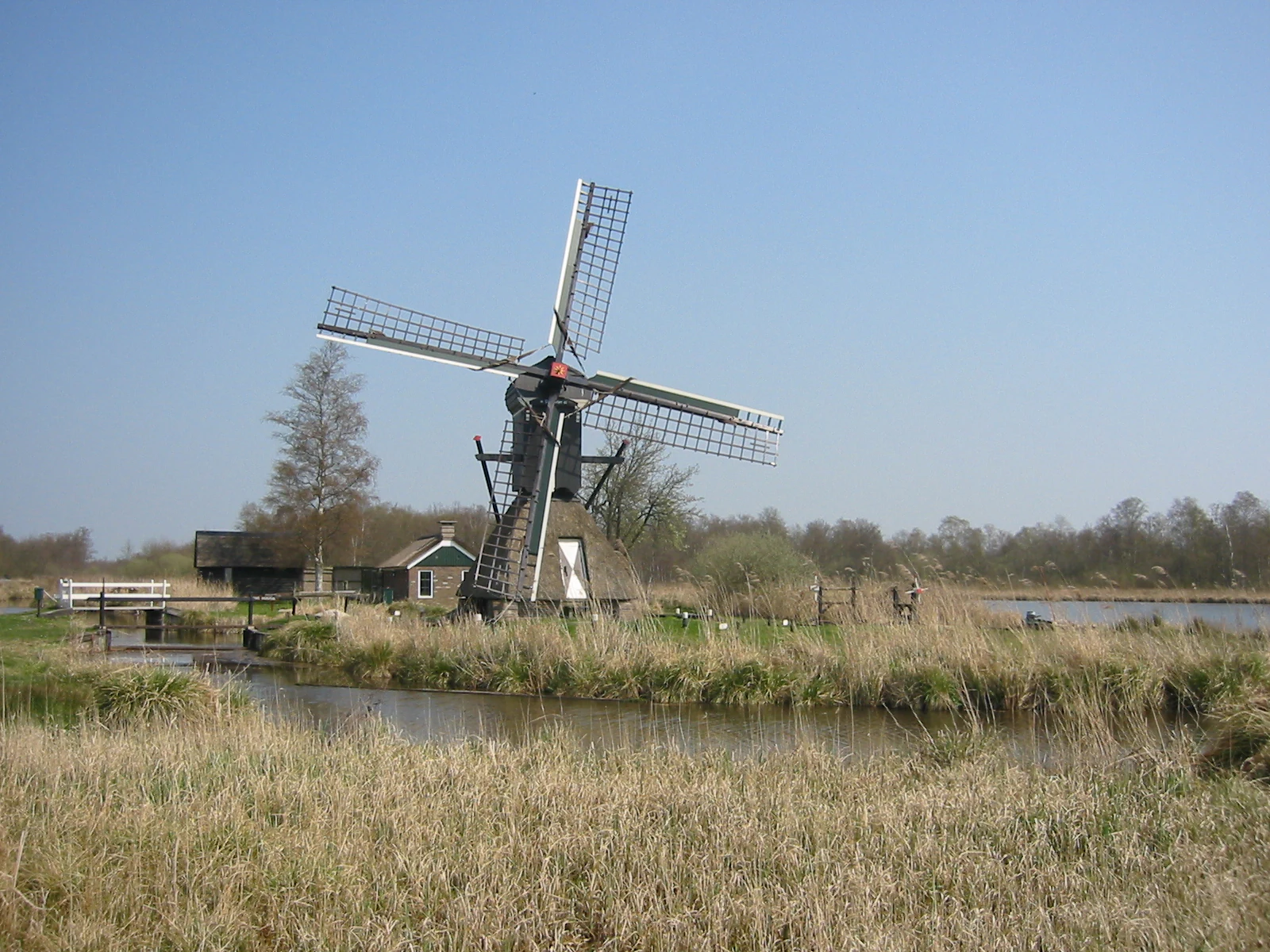
The physical landscape of Weerribben-Wieden consists of an intricate network of lakes, canals, ditches, reed beds, and marshy woodlands that form the largest lowland peat bog in Northwestern Europe. The terrain is almost entirely flat, with elevation differences rarely exceeding a few meters. The park contains numerous shallow lakes formed from flooded peat extraction areas, connected by a dense system of navigable waterways originally created for peat transport. The peat substrate, which can reach depths of several meters, sits atop clay deposits and has been accumulating since the last Ice Age. The water table is maintained at or just below the surface throughout much of the park, creating the waterlogged conditions essential for peat formation and the maintenance of wetland habitats. Traditional windmills, including the distinctive tjasker mills unique to this region, dot the landscape and form part of the water management system. The park also includes areas of higher ground where historic peat extraction was less intensive, providing habitat diversity within the overall wetland matrix.
Weerribben-Wieden National Park ecosystems, habitats, and plant life
The ecological character of Weerribben-Wieden is defined by the lowland peat bog ecosystem, a habitat type that has become extremely rare in Europe due to drainage and agricultural conversion. The park's vegetation includes extensive reed beds (Phragmites australis), floating water vegetation dominated by water soldier (Stratiotes aloides) and yellow water-lily, and developing carr woodland where willow and alder dominate successional areas. The different stages of paludification and terrestrial succession create exceptional habitat heterogeneity, supporting species characteristic of each successional stage. Quaking bogs (trilvenen) form where vegetation floats on water-saturated peat, creating unstable ground that trembles when walked upon. The botanical value is closely linked to the historical human influence through peat extraction, which maintained the open wetland character and created the complex habitat mosaic that persists today. The park's position within the Dutch ecological main structure makes it important for connecting wetland populations across the country.
Weerribben-Wieden National Park wildlife and species highlights
The wildlife of Weerribben-Wieden reflects the exceptional value of the lowland peat bog ecosystem. The avifauna is particularly diverse and significant, with the park supporting important populations of purple heron (approximately 70 breeding pairs), bittern, black tern, grebe species, marsh harriers (both hen and Montagu's), and long-eared owl. The area serves as breeding habitat for species including shoveler, snipe, whimbrel, common snipe, black-headed gull, and black tern, while also functioning as critical staging and wintering habitat for migratory waterbirds. The European otter, which was locally extinct by the late 1980s, was successfully reintroduced in 2002 and has since dispersed throughout the park and into other Dutch wetlands. Fish species include northern pike and common carp, important prey for otters and diving birds. The invertebrate fauna includes the rare large copper butterfly (Lycaena dispar batava), whose remaining European populations are now concentrated in Dutch fens, along with numerous dragonfly species including the green hawker (Aeshna viridis).
Weerribben-Wieden National Park conservation status and protection priorities
Weerribben-Wieden holds significant conservation recognition at both European and international levels. The park received Ramsar Convention designation in 1976 as a wetland of international importance, particularly for waterbird habitat. The European Diploma for Nature Management was awarded in 1996 and extended to cover the entire park area following the 2009 expansion. The entire park is also designated as a Natura 2000 site under the EU Birds and Habitats Directives. The conservation challenges facing the area include maintaining the dynamic wetland character through active management, as without intervention the entire area would succeed to carr woodland and lose the open water and reed bed habitats essential for many species. Major restoration projects have been undertaken through the European LIFE programme, including the
Best time to visit Weerribben-Wieden National Park
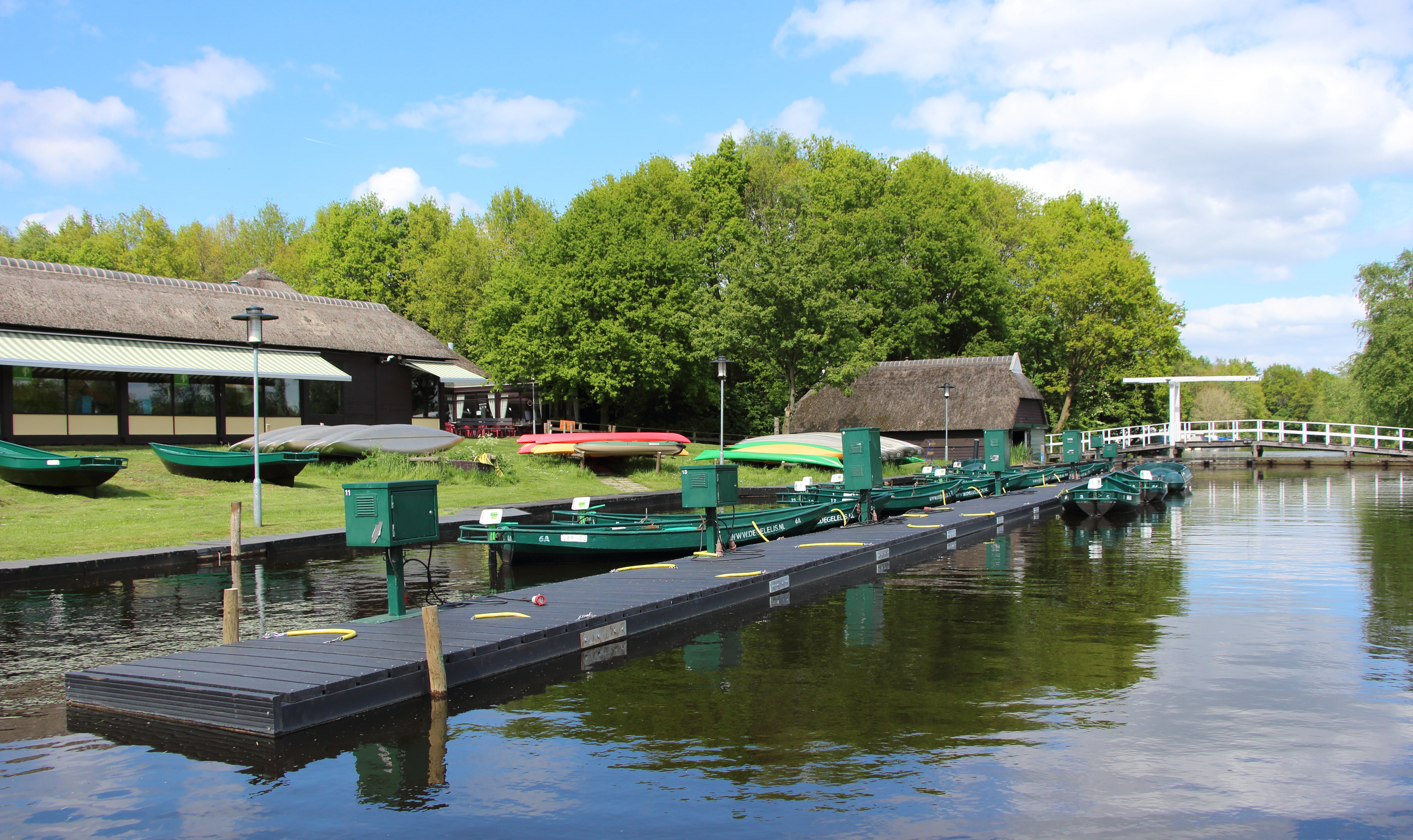
Weerribben-Wieden can be enjoyed throughout the year, though each season offers a distinctly different experience of the park. Spring brings the breeding season for many waterbirds, with purple herons, bitterns, and black terns becoming active and visible among the reed beds. The emergence of dragonflies and the first butterflies add invertebrate interest to early visits. Summer offers the fullest vegetation development, with extensive reed beds providing cover for nesting birds and creating the classic wetland atmosphere. Autumn is traditionally the time for reed harvesting, when the golden-colored cut reeds are gathered, and the water table is lowered allowing access to areas normally submerged. Winter reveals the skeletal structure of the landscape, with bare trees and the intricate pattern of waterways more visible, while birds congregating on remaining open water provide excellent viewing opportunities. The park's waterways remain accessible year-round for boat-based exploration, though summer weekends can be busy with visitors exploring by canoe.