Why Zavidovo National Park stands out
Zavidovo National Park is best known as a historic hunting reserve that served government officials, including Vladimir Lenin in the 1920s, and later operated as a military hunting reservation through much of the 20th century. The park is distinguished by its accessibility from Moscow, making it a heavily used recreational area for the capital's population. Its complex mix of protected zones interspersed with agricultural land, settlements, and vacation dachas creates a unique cultural landscape. The park supports substantial populations of game species including elk, wild boar, roe deer, moose, and diverse bird populations such as black grouse and hazel grouse.
Zavidovo National Park history and protected-area timeline
The area now protected as Zavidovo National Park has a long history as an elite hunting ground, dating back to the early 20th century when it served as a favored hunting location for government officials. Vladimir Lenin utilized the area for hunting excursions during the 1920s following the revolution. Throughout much of the 20th century, the territory functioned as a military hunting reservation, maintaining its exclusive recreational character while gradually coming under environmental protection considerations. Starting in 1994, the area began receiving stronger environmental protections, though recreational use continued. The formal establishment as a national park occurred on February 8, 2015, with national park status officially conferred in 2019. This transition reflected Russia's growing emphasis on protected area management and ecological conservation. The park continues to balance conservation objectives with its historic recreational functions and the presence of permanent communities within its boundaries.
Zavidovo National Park landscape and geographic character
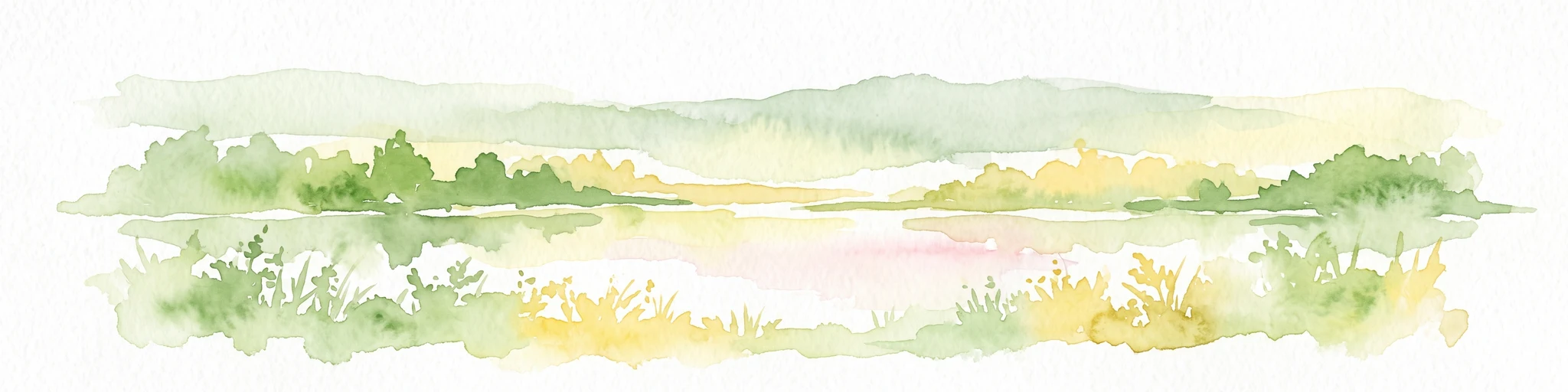
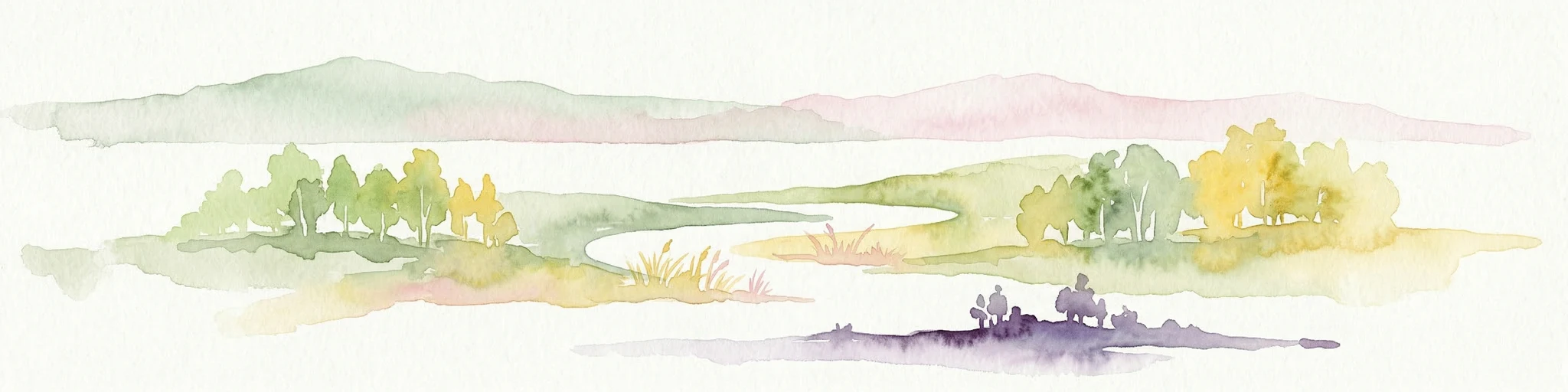
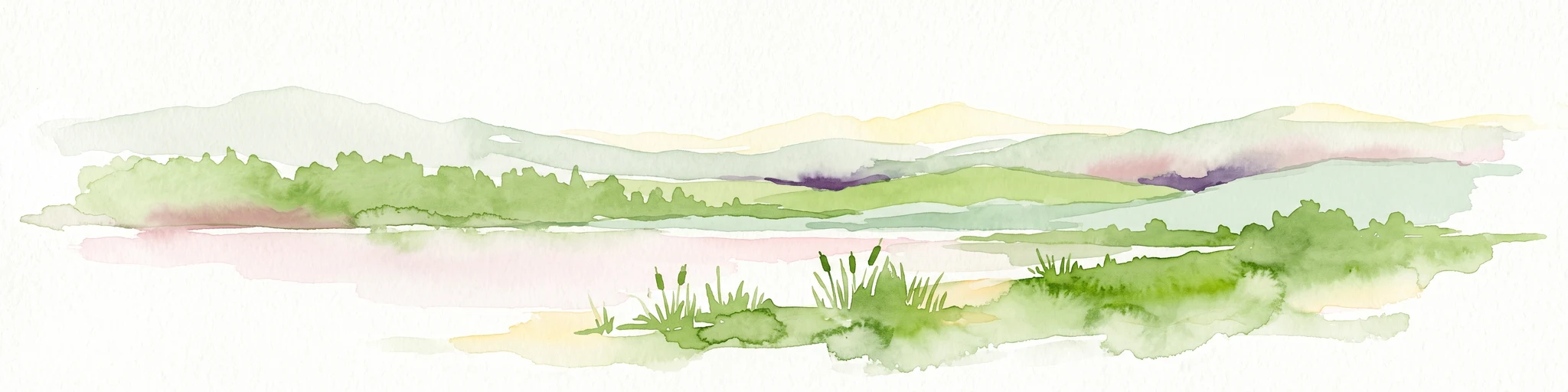
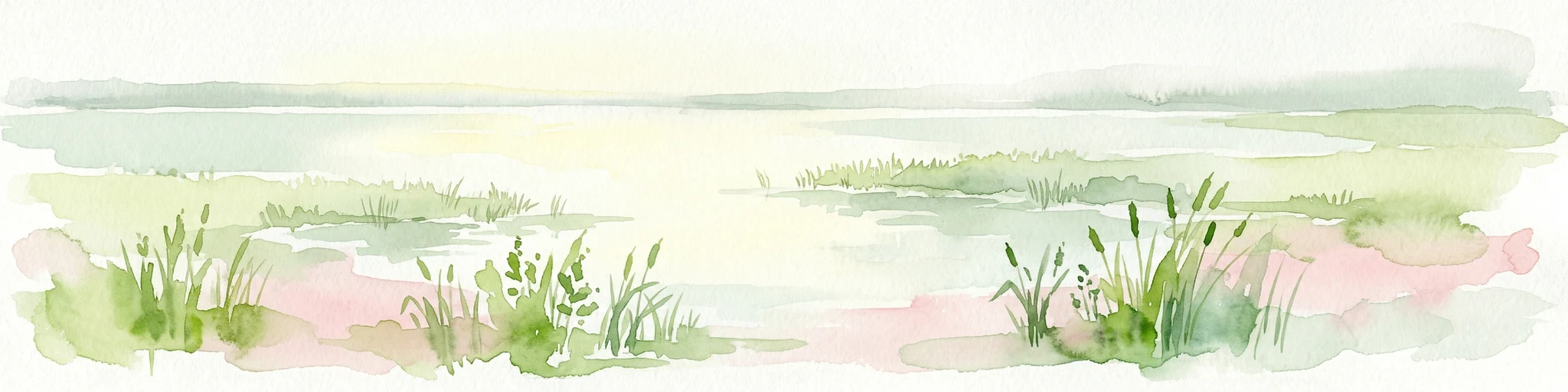
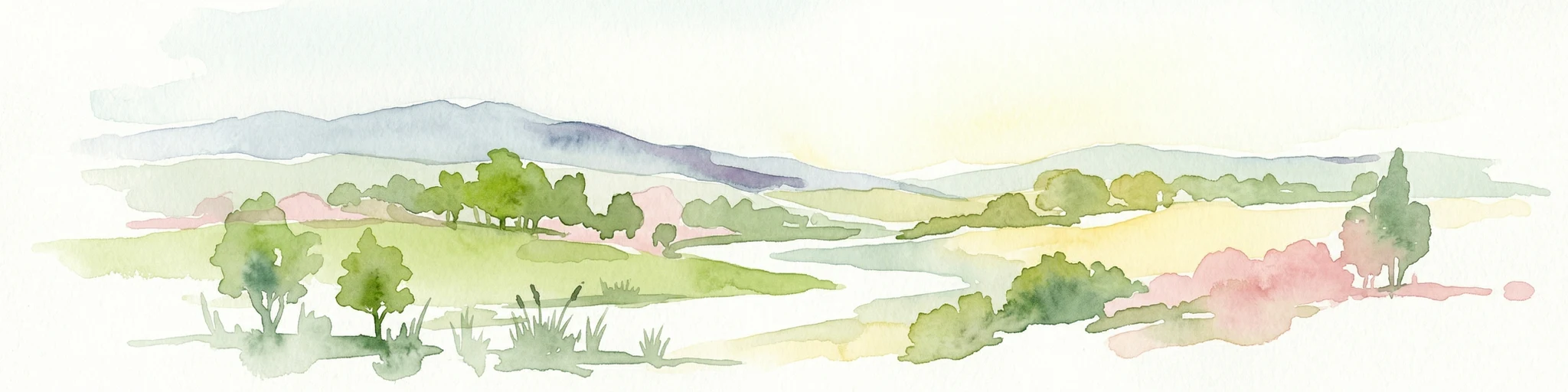
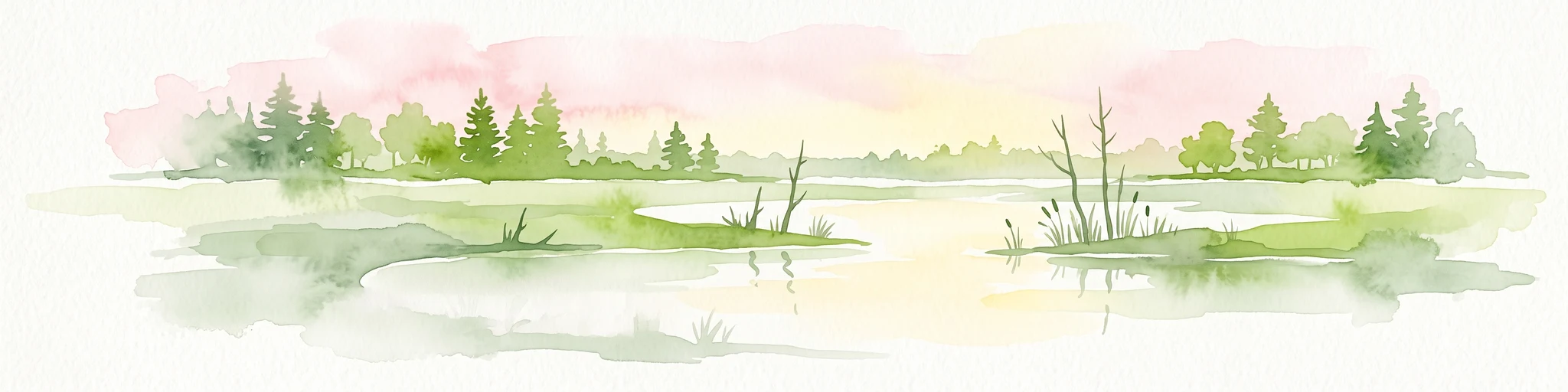
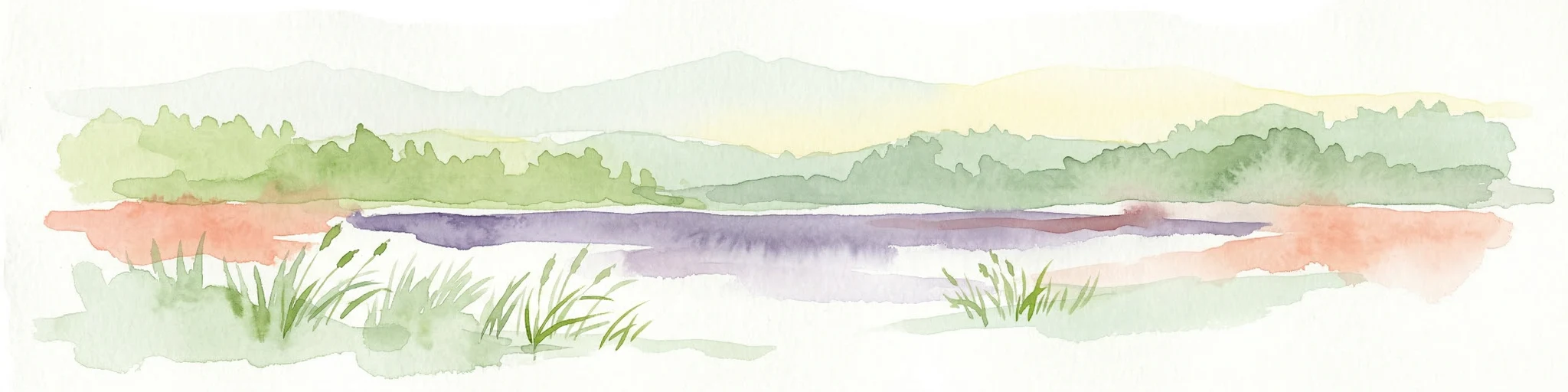
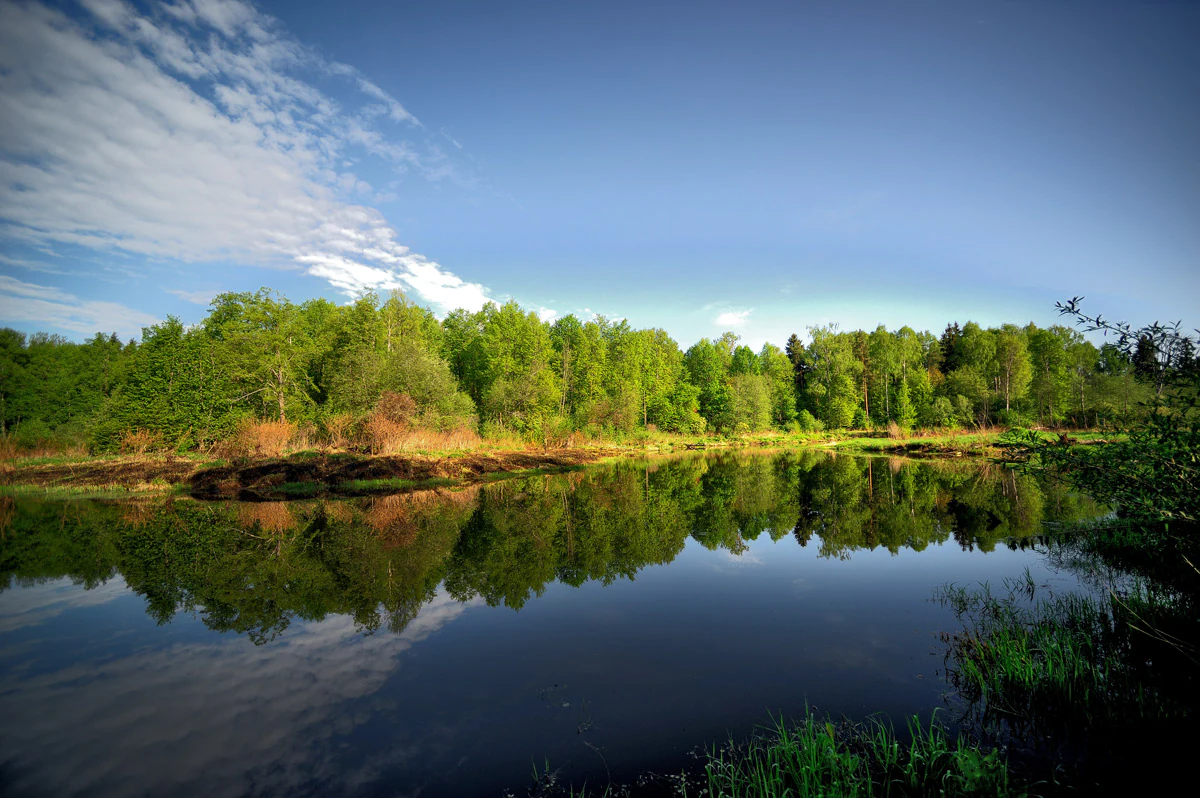
The physical landscape of Zavidovo National Park is characterized by flat to gently rolling moraine terrain typical of the East European Plain. The park lies at low elevations ranging from 119 meters to 183 meters above sea level, with the distance from southeast to northeast corners spanning approximately 60 kilometers. The terrain's glacial origin is evident in the widespread deposits of till and the limited local relief. The Shosha River and Lama River are the park's two principal watercourses, both having excavated valleys that now contain wide floodplain zones. These river corridors, together with numerous smaller streams, drain the landscape and contribute to the extensive wetland systems. Peat bogs and marshes are common in lower-lying areas, while lakes dot the landscape in glacial depressions. The overall topographic homogeneity is softened by the forest cover and the human landscape of villages, agricultural fields, and dacha settlements that punctuate the natural terrain.
Zavidovo National Park ecosystems, habitats, and plant life
Zavidovo National Park lies within the Sarmatic mixed forests ecoregion, a transition zone between boreal coniferous forests to the north and temperate deciduous forests to the south. The forest cover, while extensive at approximately 80% of the park area, is fragmented by meadows, wetlands, and human settlements. Birch dominates the forest character, with extensive young to middle-aged birch stands representing successional stages following disturbance. Scattered among the birch are older remnants of spruce, pine, and aspen that provide ecological continuity and habitat structure. The remaining land use breakdown includes 12% agricultural cropland, 4% water bodies and wetlands, 2% grassland, and 2% built-up settlement area. The climate classification is humid continental with warm summers (Dfb in the Köppen system), featuring large seasonal temperature variations, a growing season of 140 to 150 days from May through September, and average annual precipitation of 577 millimeters.
Zavidovo National Park wildlife and species highlights
The wildlife community of Zavidovo National Park reflects both the park's historic function as a game reserve and its ecological position in the mixed forest zone. Large mammals present include elk (moose), wild boar, roe deer, and moose, representing the park's heritage as a hunting ground. Smaller mammals include hare, wolf, and fox. The bird fauna is particularly diverse, with 196 species recorded within the park. Game birds include black grouse, hazel grouse, and gray partridge, species that have traditionally attracted hunting interest. Beyond game species, the park supports a broader community that includes at least 36 species of mammals and 33 species of fish. The combination of forest, wetland, and agricultural edge habitats creates diverse niches that support this considerable species diversity despite the landscape's long history of human modification and the substantial permanent and seasonal human population.
Zavidovo National Park conservation status and protection priorities
Zavidovo National Park represents an important conservation entity in a region where natural habitats have been heavily modified by centuries of agriculture and settlement. The park's protected status (IUCN Category II) provides formal recognition of its ecological value and establishes a framework for habitat management and species protection. The transition from a purely recreational hunting reserve to a national park with conservation mandates reflects evolving Russian environmental policy. The park conducts research into productive hunting methods, balancing traditional uses with ecological sustainability. Despite the heavy recreational load from Moscow's population and the extensive dacha development within park boundaries, the protected zone system maintains core natural areas. The conservation challenge at Zavidovo lies in balancing accessibility and recreation with ecological integrity, a common tension in peri-urban protected areas.
Zavidovo National Park cultural meaning and human context
The cultural landscape of Zavidovo reflects its dual identity as both a protected natural area and a long-established recreational and hunting ground for elite users. The park's history as a government hunting reserve, with documented use by Vladimir Lenin in the 1920s, gives it a distinctive historical character uncommon among Russian protected areas. The subsequent military hunting reservation period further cemented this tradition of controlled access and recreational use. Today, the park contains numerous settlements with a permanent population of approximately 16,700 residents, a figure that doubles during summer months when dacha owners arrive. Over 14,000 people hold allocated gardening plots and small dacha properties within the park, creating an intimate integration of human settlement and protected landscape. This cultural fabric adds complexity to park management but also represents a model of human-nature coexistence in the Moscow region.
Top sights and standout views in Zavidovo National Park
Zavidovo National Park offers a unique combination of accessibility, history, and ecological diversity in the Moscow region. The park's proximity to Moscow, approximately 100 kilometers by highway or rail, makes it one of the capital's most reachable wilderness areas. The historic hunting heritage, including Lenin's use of the area in the 1920s, provides cultural context uncommon in typical protected areas. The diverse wildlife, particularly populations of elk, wild boar, and game birds like black grouse, supports both conservation and traditional hunting interests. The landscape of mixed forests, wetlands, river floodplains, and peat bogs represents the characteristic ecology of the Upper Volga Lowlands. The park's complex zoning, incorporating protected areas, agricultural land, recreational zones, and permanent settlements, illustrates how human communities can integrate with conservation objectives.
Best time to visit Zavidovo National Park
The optimal time to experience Zavidovo National Park depends on visitor interests and tolerance for crowds. Summer months bring the heaviest recreational load as Muscovites escape to their dachas and the permanent population doubles, but this season offers warm temperatures, full forest foliage, and the longest daylight for exploration. The May-to-September growing season provides the most biologically active period for nature observation. Autumn offers colorful forest displays as birch and aspen foliage turns, and reduced crowds compared to peak summer. Winter provides a quiet, snow-covered landscape but requires preparation for cold conditions. The permit system for non-residents means advance planning is advisable regardless of season. Spring brings waterfowl migration through the wetland areas but may feature muddy conditions.