A forest-steppe mountain sanctuary on the edge of Mongolia's capital, with a thousand-year tradition of protection.
Bogd Khan Uul Biosphere Reserve
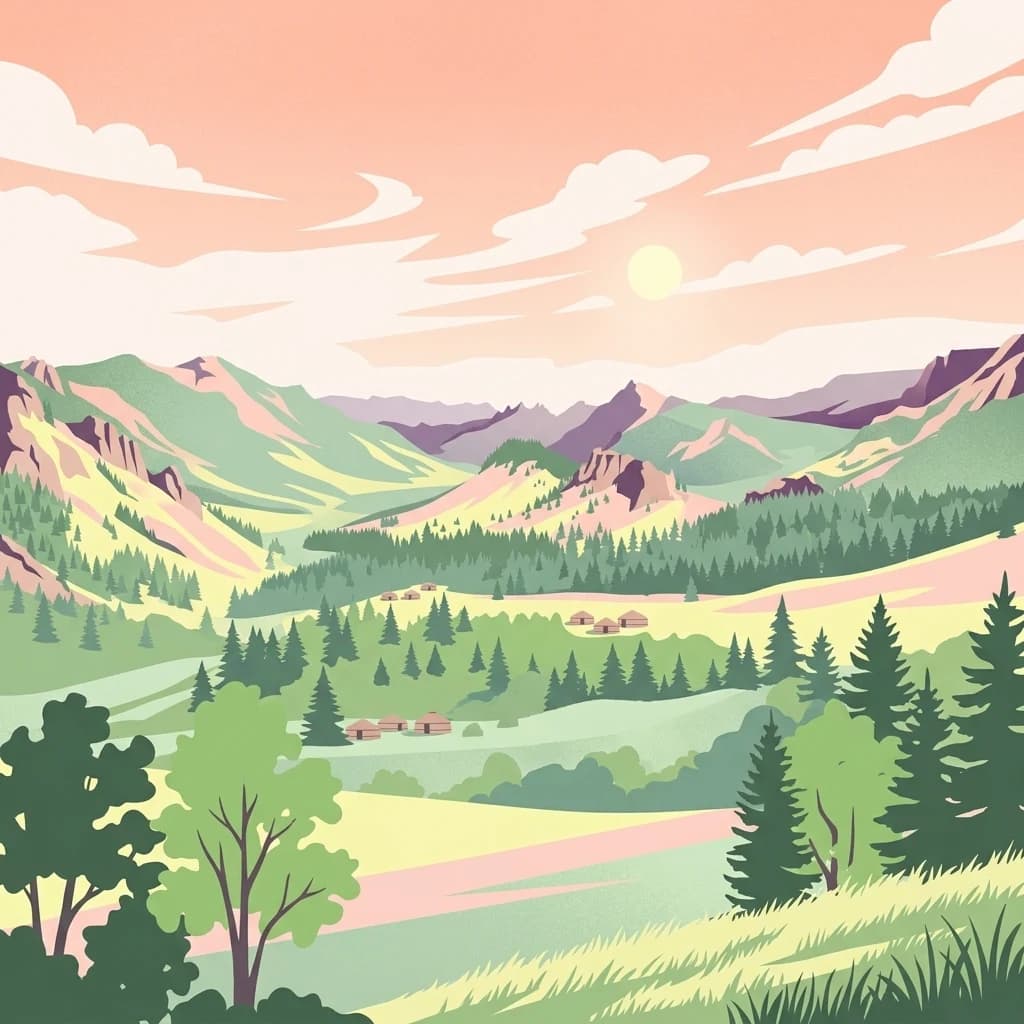
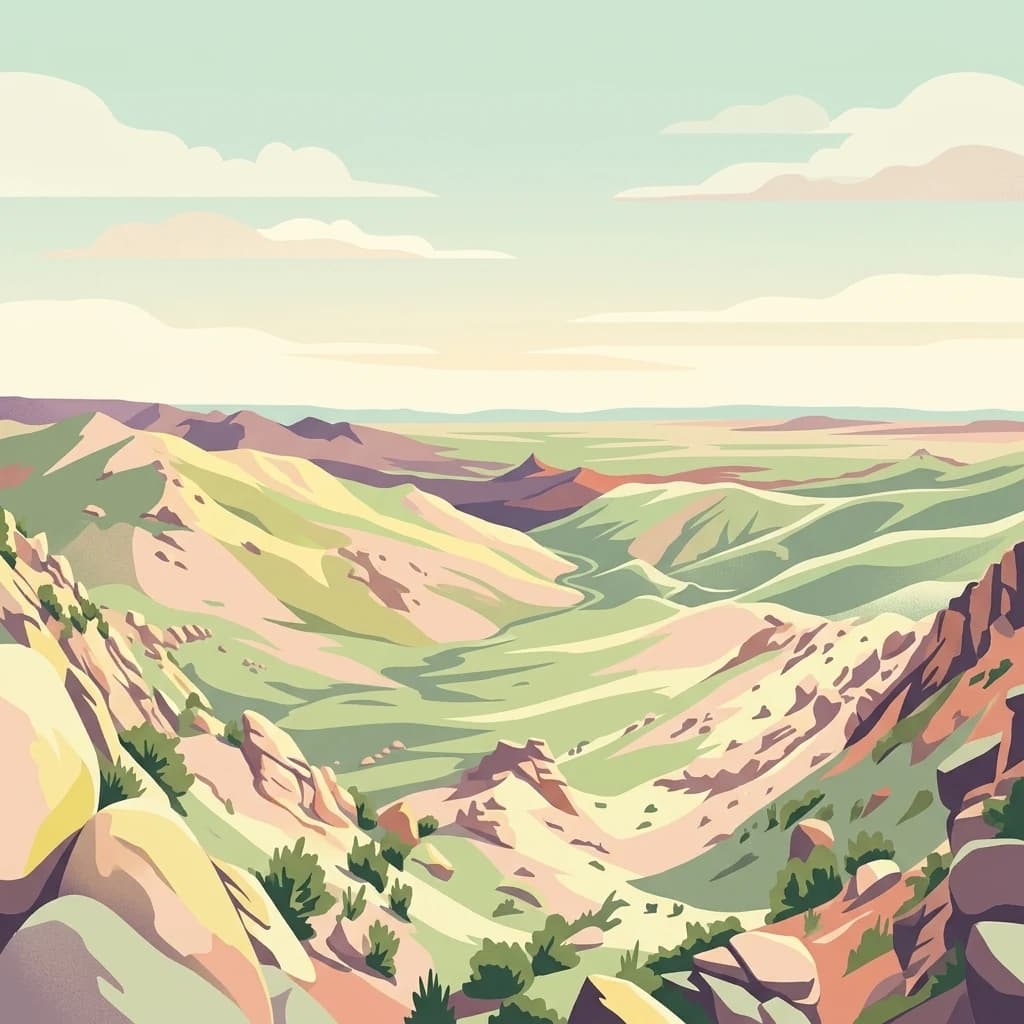
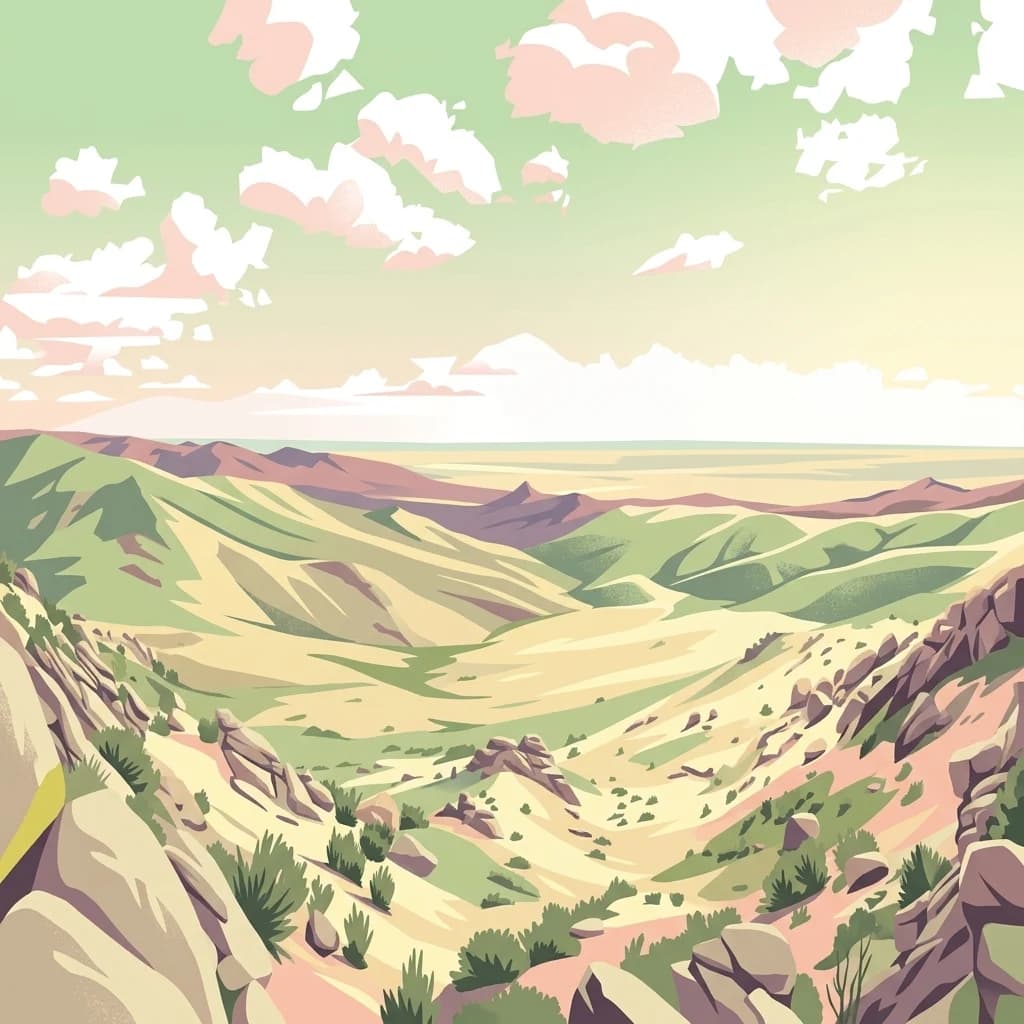
Bogd Khan Uul Biosphere Reserve sits just to the south of Ulaanbaatar, the capital of Mongolia, where the highlands of the Khentii Mountains rise above the city's southern fringe. The reserve encompasses Bogd Khan Mountain, one of the most ecologically and culturally significant peaks in the country, and protects a striking contrast of forested northern slopes and bare rocky southern faces. Designated as a UNESCO Biosphere Reserve in 1996, it combines formal ecological protection with a far older tradition of landscape veneration that stretches back to the era of the Mongol Empire.
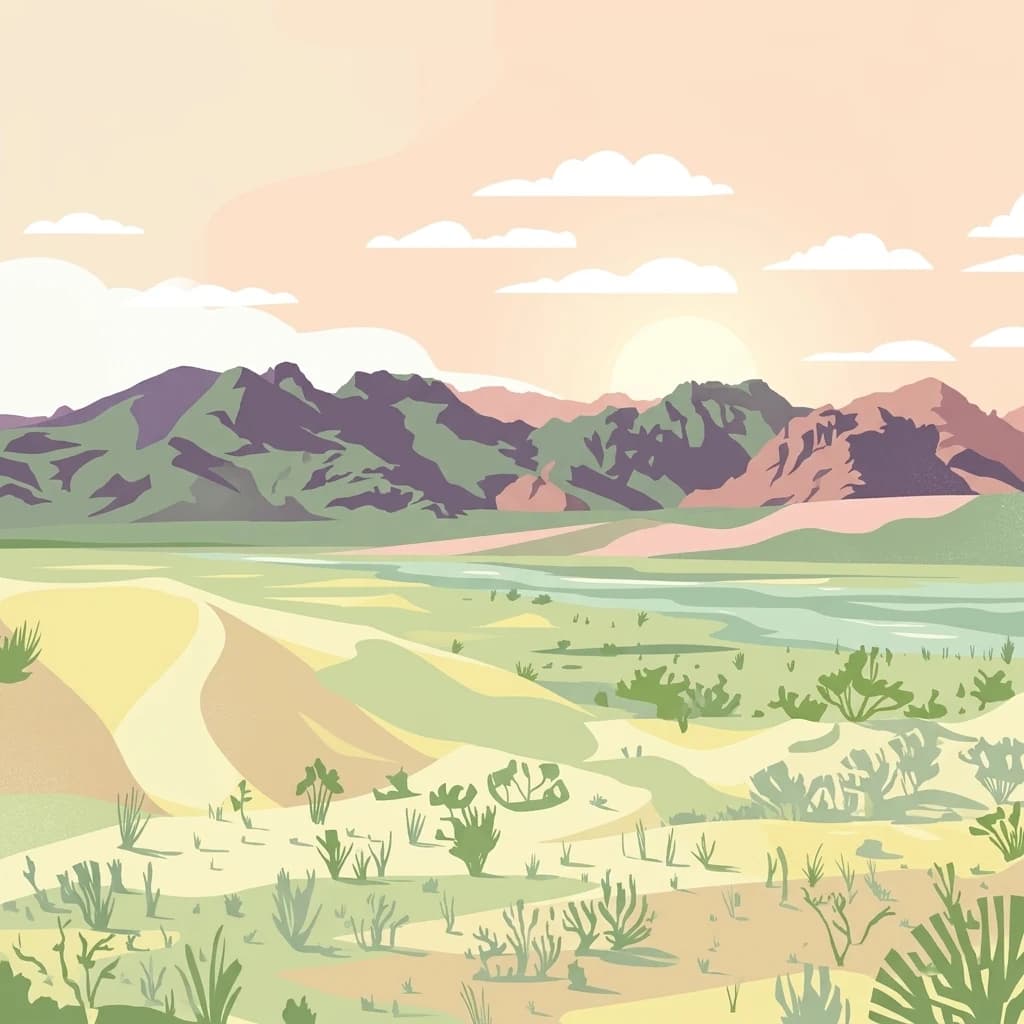
The terrain spans the altitudinal transition from Mongolian forest steppe up into subalpine and alpine zones, producing a layered mosaic of habitats within a relatively compact protected footprint. Coniferous forests, taiga vegetation, Alpine tundra, and exposed rock all occur within the reserve, creating conditions for a distinctive mix of Mongolian and Siberian wildlife. Together with its proximity to Ulaanbaatar, the reserve also functions as a rare example of a large, ecologically complex protected area embedded directly next to a major urban center.
Beyond its ecological value, Bogd Khan Uul carries deep cultural meaning. The mountain has long been regarded as sacred, and local traditions of refraining from logging and hunting have helped maintain its forests and wildlife for centuries. As a biosphere reserve, it represents the contemporary continuation of that relationship, seeking to balance ecological protection, research, and sustainable interaction with the landscape.