Mori Atlas logo
Protection category

Understanding and browsing the distinct ecological, cultural, and scenic value of Israel's Category V protected lands.

Israel Protected Landscape/Seascape: IUCN Category V Protected Areas and Natural Landscapes

Discover Israel's Category V protected areas, designated as Protected Landscapes/Seascapes, where long-term human interaction with nature has forged unique ecological, cultural, and scenic value. This page details how Israel implements this IUCN management category, offering insights into parks and protected lands that embody this dynamic relationship between people and the environment across its diverse geography.

Israel Protected Landscape/Seascape: IUCN Category V Protected Areas and Natural Landscapes
Parks in this category

Discover Israel's distinctive Protected Landscape/Seascape areas, revealing unique human-nature interactions across the country's diverse geography.

Explore Israel's Protected Landscape and Seascape Parks, a Curated IUCN Category V Park List
Browse Israel's Protected Landscape/Seascape parks, an IUCN Category V designation for areas where human interaction has shaped unique ecological, cultural, and scenic value. This curated list offers a distinct geographical perspective to compare diverse Levantine landscapes, from desert canyons to Mediterranean coastlines and ancient historical sites.
National parkIsrael

Masada National Park

Discover mapped boundaries and archaeological significance in the Judean Desert.

Masada National Park preserves a remarkable historical fortress and palace complex set within the dramatic desert terrain of Israel's Judean Desert. This protected area is renowned for its archaeological importance, showcasing sophisticated ancient engineering and its role as the final stronghold of the Jewish revolt. The stark, beautiful landscape surrounding the plateau offers significant geographic context, allowing for an atlas-style exploration of its terrain, mapped boundaries, and the wider Dead Sea region.

VMinor water
National parkGolan Heights

Hermon National Park

Explore its mapped boundaries and regional geographic context.

Hermon National Park is a designated national park contributing to the rich tapestry of protected landscapes within the Golan Heights. This entity offers a focused entry into understanding its specific geographic setting, mapped terrain, and its significance as a protected area. Users can explore the natural features and regional context that define Hermon National Park, enhancing their atlas-based discovery of Israel's conservation lands.

V
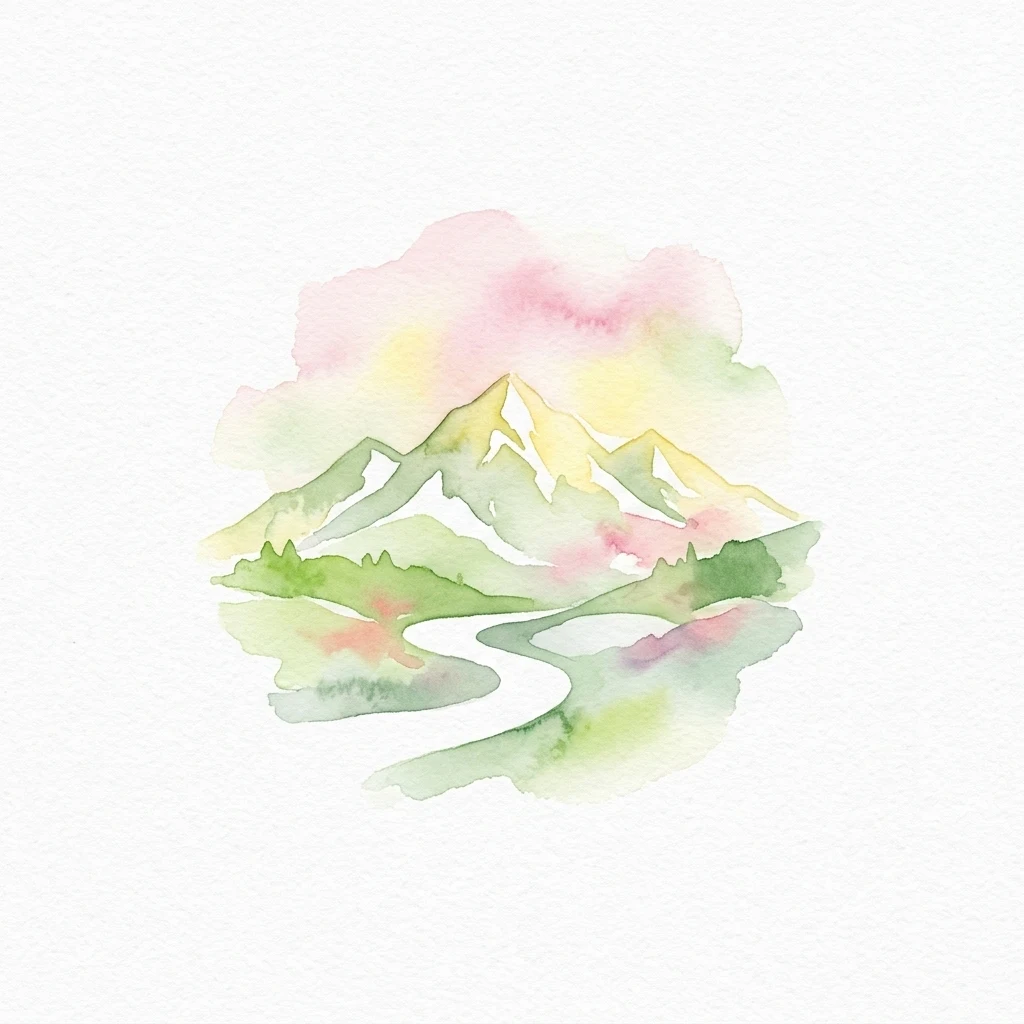
Watercolor painting of a mountain peak with snow, green valleys, a river, and pastel clouds
National parkIsrael

Beit She'arim National Park

Discover the protected geography of ancient burial sites in Israel.

Beit She'arim National Park offers a detailed exploration of a significant ancient Jewish necropolis carved into the soft limestone hills of Israel's Lower Galilee. This protected area preserves remarkable burial caves, catacombs, and sarcophagi adorned with intricate carvings and inscriptions from antiquity. As a UNESCO World Heritage Site, it stands as a landmark of Jewish historical and cultural continuity, providing invaluable insights into the region's past inhabitants and their traditions through its unique archaeological landscape.

MediterraneanModerate accessVNo major water
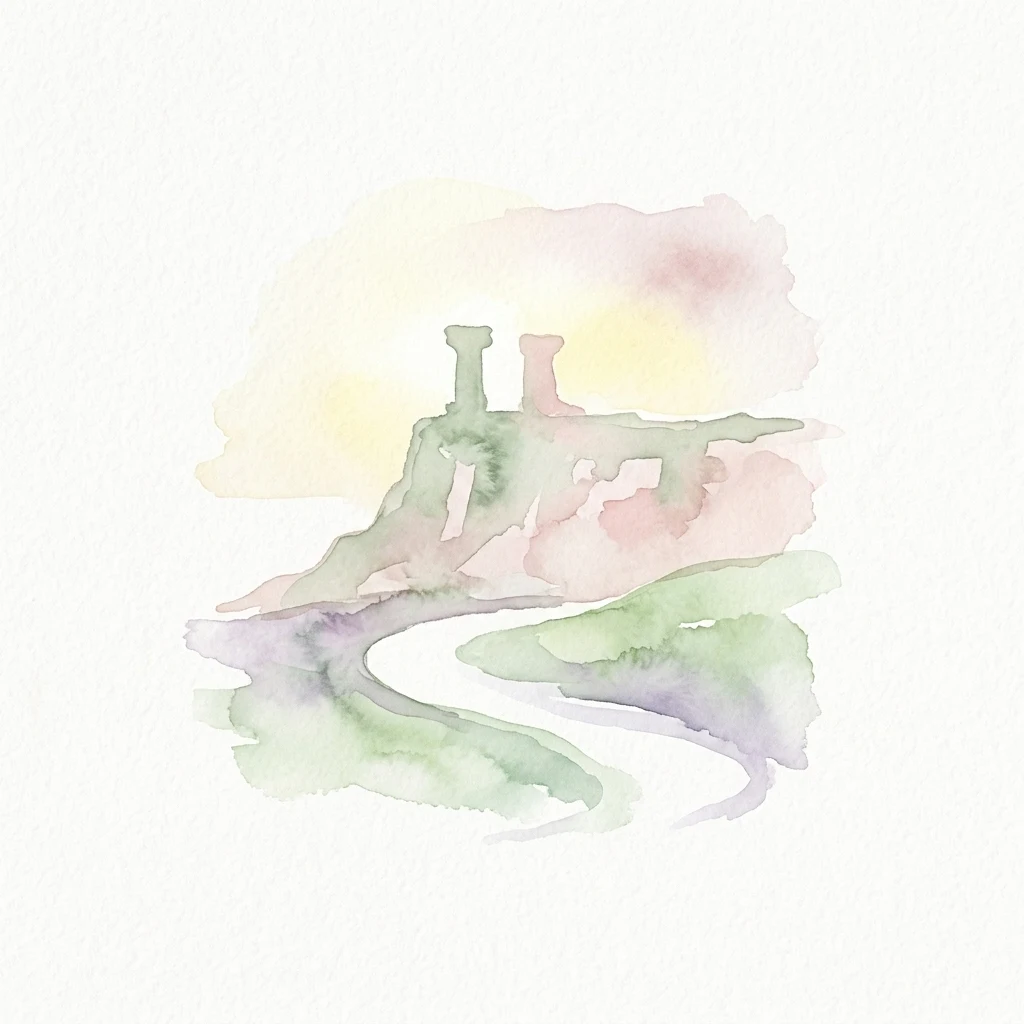
Watercolor illustration of ancient stone ruins with two towers on a cliff overlooking a winding path
National parkIsrael

Ashkelon National Park

Explore mapped ruins, Fatimid walls, and Mediterranean coastal geography.

Ashkelon National Park in Israel offers a unique dive into ancient urban development, preserving layers of history from multiple civilizations along the Mediterranean coast. This protected area features landmark archaeological discoveries, including the Middle Bronze Age gate and extensive Roman ruins, all situated within a distinct coastal landscape. Understanding its mapped boundaries and the progression of its terrain provides critical context for appreciating this significant heritage site's geographic and historical importance.

MediterraneanAccess unknownVMinor water
National parkIsrael

Beit Guvrin-Maresha National Park

Discover unique bell caves and archaeological landscape in the Judean lowlands.

Beit Guvrin-Maresha National Park in Israel presents a unique atlas-style discovery of a landscape defined by ancient human excavation. Explore the vast networks of bell caves, Phoenician necropolises, and Byzantine underground churches carved into the soft limestone hillsides. This protected area offers a compelling journey through millennia of history, revealing the geography and terrain shaped by continuous habitation and burial practices, making it a vital site for understanding regional archaeology and ancient cave systems.

VNo major water
National parkIsrael

Zippori National Park

Mapped geography and protected terrain in the heart of the Levant.

Zippori National Park presents a fascinating protected landscape within Israel, offering insights into its historic terrain and geographic context. As a designated national park, its mapped boundaries delineate an area significant for its archaeological sites, particularly those from the Roman period. This entry provides structured information on the park's protected status and its place within the broader atlas of the Levant, emphasizing discovery through its landscape and historical geography.

V
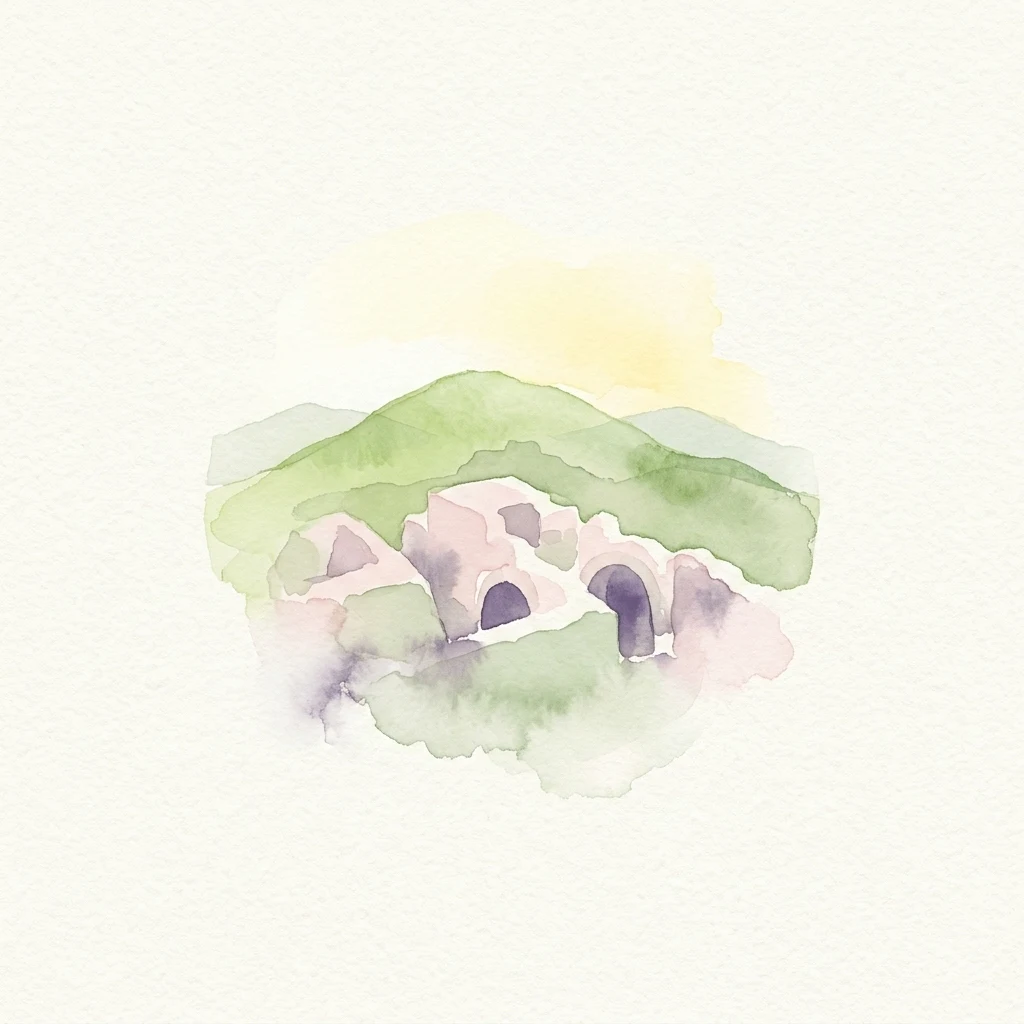
Watercolor illustration of ancient stone structures with arched entrances on a green hillside under a yellow sky
National parkIsrael

Mamshit National Park

Explore exceptionally preserved Nabataean urban architecture and regional geography.

Mamshit National Park offers a rare window into ancient desert urbanism, preserving an exceptionally intact Nabataean caravan city and Byzantine settlement in Israel's Negev Desert. The site showcases unique residential compounds and religious structures, demonstrating sophisticated architectural traditions and water management systems against a backdrop of striking natural terrain. As a vital component of the Incense Road heritage, Mamshit provides rich context for understanding ancient trade, regional geography, and the enduring human adaptation to arid landscapes.

AridVMinor water
National parkIsrael

Gan HaShlosha National Park

Explore natural springs, waterfalls, and ancient ruins within this national park.

Gan HaShlosha National Park presents a remarkable protected landscape in Israel, distinguished by its warm, natural spring-fed pools and picturesque waterfalls. This national park serves as a vital oasis within the Jordan Valley, boasting lush vegetation and a unique microclimate. Visitors can explore the park's archaeological heritage, featuring ruins that speak to its long history of human habitation. Understanding Gan HaShlosha National Park through its mapped geography and protected-area context provides valuable insight into Israel's natural and historical landscapes.

V
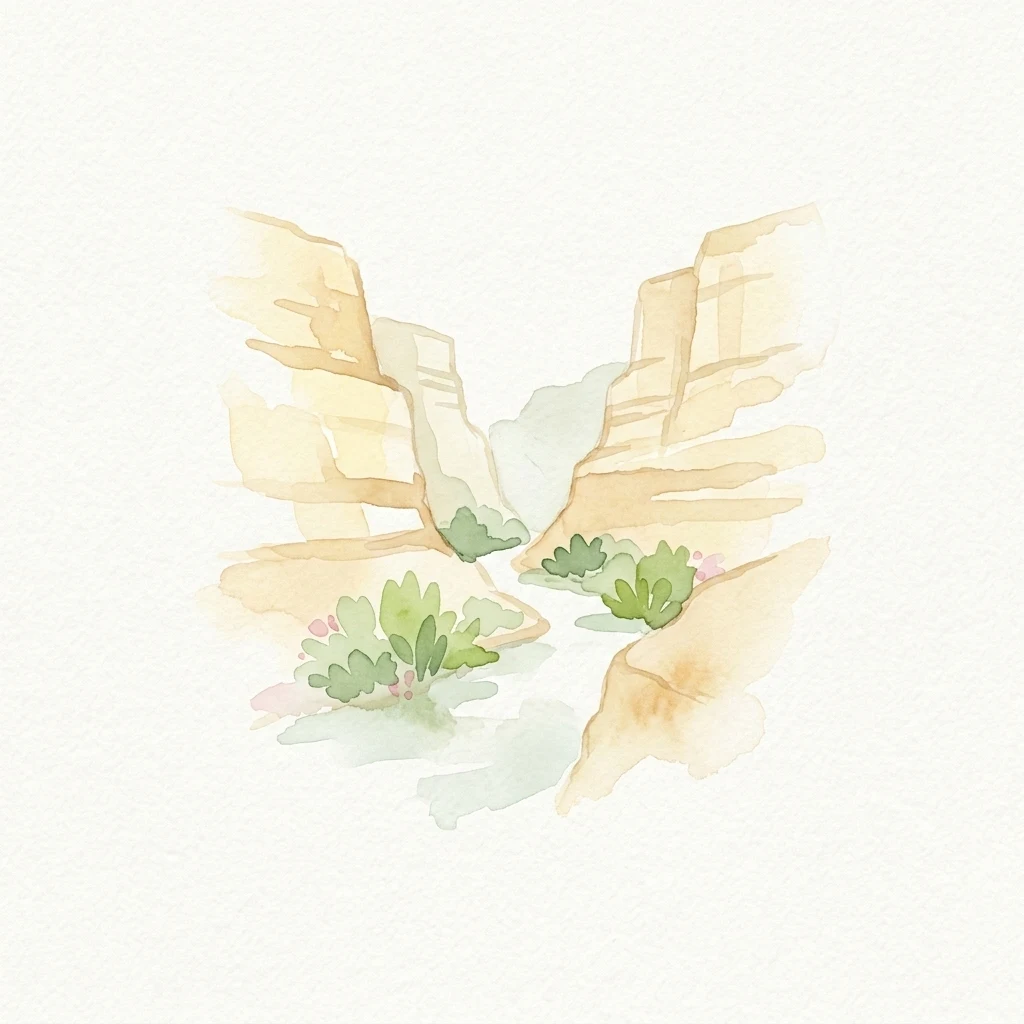
Watercolor illustration of a canyon with rock walls, green vegetation, and a small stream
National parkIsrael

Ein Avdat

Explore its unique springs, waterfalls, and ancient Nabatean and Byzantine history.

Ein Avdat National Park showcases a rare desert oasis environment, a starkly beautiful protected landscape where natural springs emerge from the Negev's arid terrain. This park is celebrated for its dramatic waterfalls, deep pools, and the preserved remnants of ancient human habitation, including a remarkable Byzantine cave monastery carved directly into the canyon walls. Its geography, shaped by the Nahal Zin wadi, provides a vivid study in desert ecosystems and their capacity for supporting life and history over millennia, making it a key site for understanding landscape context in Israel.

4.8 km²AridModerate accessV
Watercolor painting of a winding river through a forested landscape with hills and trees
National parkIsrael

Hurshat Tal National Park

Explore mapped boundaries and geographic context in Israel's Hula Valley.

Hurshat Tal National Park is a protected area in northern Israel’s Hula Valley, distinguished by its extraordinary grove of ancient Valonia oak trees, some dating back 350 to 400 years. This site offers a rare look at a living forest heritage, serving a dual role as a crucial nature conservation zone and a popular family recreational destination with facilities like accommodation and swimming areas, making it a unique feature on any park atlas.

0.765 km²1968VMinor water
Watercolor illustration of a winding river with green trees on both sides and hills in the background
National parkIsrael

Alexander River National Park

Mapped riparian geography and vital protected landscape in Israel.

Alexander River National Park is a significant protected coastal wetland in Israel, focusing on the preservation of the lower Alexander River's unique riparian ecosystem. Renowned for its thriving populations of African softshell turtles and its role as the National Sea Turtle Rescue Center for endangered green sea turtles, the park offers a compelling case study in environmental rehabilitation. Users can explore the park's mapped boundaries, understand its geography as a transition zone between freshwater and marine environments, and appreciate its importance within the broader landscape of Mediterranean protected areas.

MediterraneanVMajor water bodies
Country pattern

Explore Category V protected areas, safeguarding Israel's unique landscapes shaped by human-nature interaction across diverse regions.

Discover Protected Landscape/Seascape National Parks and Conservation Areas in Israel
Protected Landscape/Seascape, an IUCN Category V, identifies areas where a significant interaction between people and nature has forged distinct ecological, cultural, and scenic values over time. Within Israel, these protected areas are crucial for preserving diverse landscapes where historical land use, cultural heritage, and unique biodiversity are deeply integrated, spanning Mediterranean to desert environments.

Matching parks

11

These parks and protected areas currently define how Protected Landscape/Seascape appears across Israel.

Category focus

A protected area where the long-term interaction of people and nature has created a distinct landscape or seascape with significant ecological, cultural, and scenic value.

Representative parks

Masada National ParkHermon National ParkBeit She'arim National ParkAshkelon National ParkBeit Guvrin-Maresha National ParkZippori National ParkGan HaShlosha National ParkMamshit National ParkEin AvdatHurshat Tal National Park
Management profile

People and nature

Protected Landscape/Seascape
IUCN Category V recognizes that some of the world's most valuable conservation landscapes are not places without people, but places shaped by a long and continuing interaction between people and nature. In these areas, biodiversity, cultural identity, local livelihoods, scenic quality, and historical land-use patterns are often deeply intertwined. The category is used where safeguarding the integrity of that interaction is itself essential to conservation. Category V is therefore especially relevant to lived-in landscapes and seascapes whose value depends on continuity, stewardship, and the maintenance of characteristic ecological and cultural patterns over time.

Definition

A Protected Landscape/Seascape is a protected area where the interaction of people and nature over time has produced an area of distinct character with significant ecological, biological, cultural, and scenic value, and where safeguarding the integrity of this interaction is vital to protecting and sustaining the area and its associated nature conservation and other values. The category is not defined by the absence of human presence, but by the quality and significance of a long-evolved relationship between communities, land or sea use, and nature.

Key characteristics

Category V areas are often recognizable as coherent lived-in landscapes or seascapes with strong identity and visible continuity between ecological systems and human practice. They may include traditional agricultural mosaics, terraced valleys, pastoral uplands, island seascapes, cultural coastlines, forest-agriculture patterns, or mixed landscapes where settlement, heritage, biodiversity, and scenic values reinforce one another. The conservation interest often lies not only in habitats or species, but also in the texture of the whole place: its land-use patterns, cultural memory, local management traditions, landscape form, ecological connectivity, and visual character. These areas are frequently more socially inhabited and economically active than stricter categories, but their management seeks to keep use compatible with long-term landscape quality and biodiversity.

Management focus

Management in Category V is usually integrative, collaborative, and place-based. Rather than separating conservation from human life, it aims to guide land and sea use so that ecological, scenic, and cultural values remain mutually supportive. This may involve planning controls, support for traditional management practices, restoration of degraded features, visitor management, heritage protection, sustainable local economies, and governance arrangements that work across public authorities, private owners, communities, and civil society. Because these places are often dynamic rather than static, management is less about freezing a landscape in time and more about steering change in ways that maintain its defining character, ecological function, and social meaning.

Protection purpose

The purpose of Category V is to conserve landscapes and seascapes where nature and people have shaped one another over time in ways that produce high ecological, cultural, and scenic value, and to keep that relationship viable into the future through careful stewardship.

Management objective

Typical objectives include maintaining the characteristic quality and identity of a landscape or seascape, sustaining biodiversity associated with traditional land or sea uses, supporting communities and stewardship practices compatible with conservation, protecting scenic and cultural heritage values, guiding development away from forms that would degrade landscape integrity, encouraging sustainable tourism and local economies, and strengthening long-term resilience of the whole area as a living conservation landscape.

Global context
Wider background behind Protected Landscape/Seascape
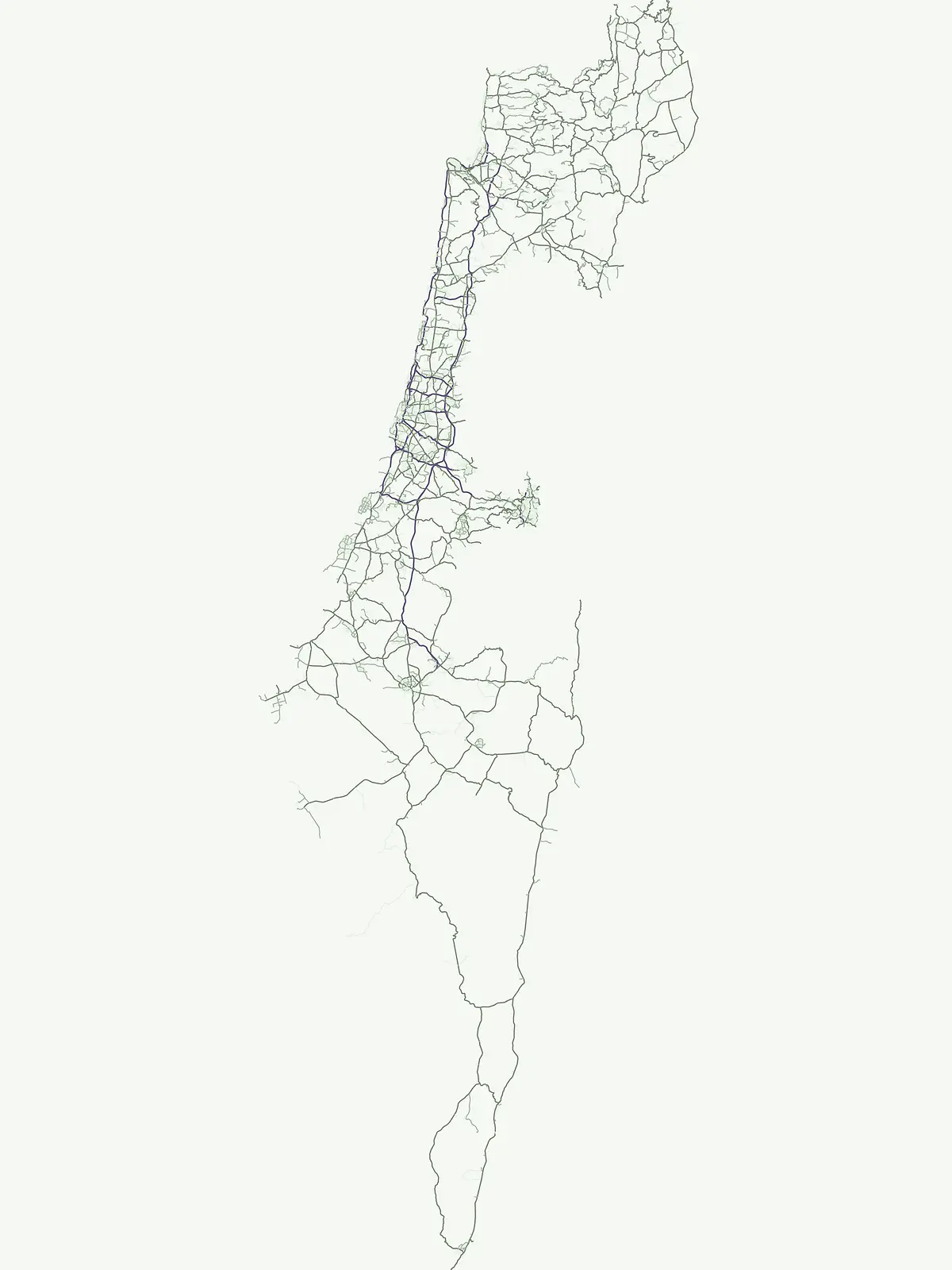
This reference block covers the broader history and global examples that define Protected Landscape/Seascape as an IUCN management category, rather than the country-specific park pattern shown elsewhere on the page.

Category history

Category V grew out of a broadening conservation understanding that not all valuable protected places are 'untouched' nature. In many parts of the world, especially in Europe and other long-settled regions, biodiversity and scenic identity are closely tied to long histories of farming, grazing, fishing, woodland use, settlement, and cultural adaptation. Conservation policy gradually moved toward recognizing that these lived-in landscapes could be worthy of protected status in their own right. The IUCN category system formalized this through Category V, giving international legitimacy to protected areas where the continuity of human-nature interaction is central rather than incidental. The category has become especially important for regional identity, connectivity, buffer functions, and conservation at the scale of working landscapes.

Global examples

Examples commonly linked with Category V include traditional mountain valleys, terraced agricultural regions, coastal cultural landscapes, island seascapes, mixed pastoral-woodland systems, and nationally designated protected landscapes where both biodiversity and long-shaped cultural scenery are central. In Europe in particular, many regional parks, protected landscapes, and protected seascapes align with Category V when their management focuses on maintaining a valued human-shaped landscape with strong ecological and cultural significance.

Understanding the geographic distribution and diverse landscapes within Israel's protected areas

Common Questions on Israel's National Parks, Protected Areas, and Geographic Context
Explore key information on Israel's national parks, protected areas, and diverse geographic landscapes, from Mediterranean coastlines to the Negev desert. These common questions clarify Israel's unique park geography and the distribution of its protected landscapes, aiding comprehensive geographic discovery.
MoriAtlas Explorer

Continue Exploring Protected Landscape/Seascape Parks Across Israel's Geography

Investigate further into the specific protected areas within Israel designated as Protected Landscapes/Seascapes under IUCN Category V. Understanding how these regions balance ecological integrity with cultural heritage offers a deeper appreciation of conservation strategies tailored to human-shaped environments. Examine the distinct natural and cultural values that define these significant lands and their place within the country's broader protected area atlas.