A Ramsar-designated tidal estuary on the Essex coast protecting saltmarsh, mudflats and internationally important wildfowl populations.
Colne Estuary
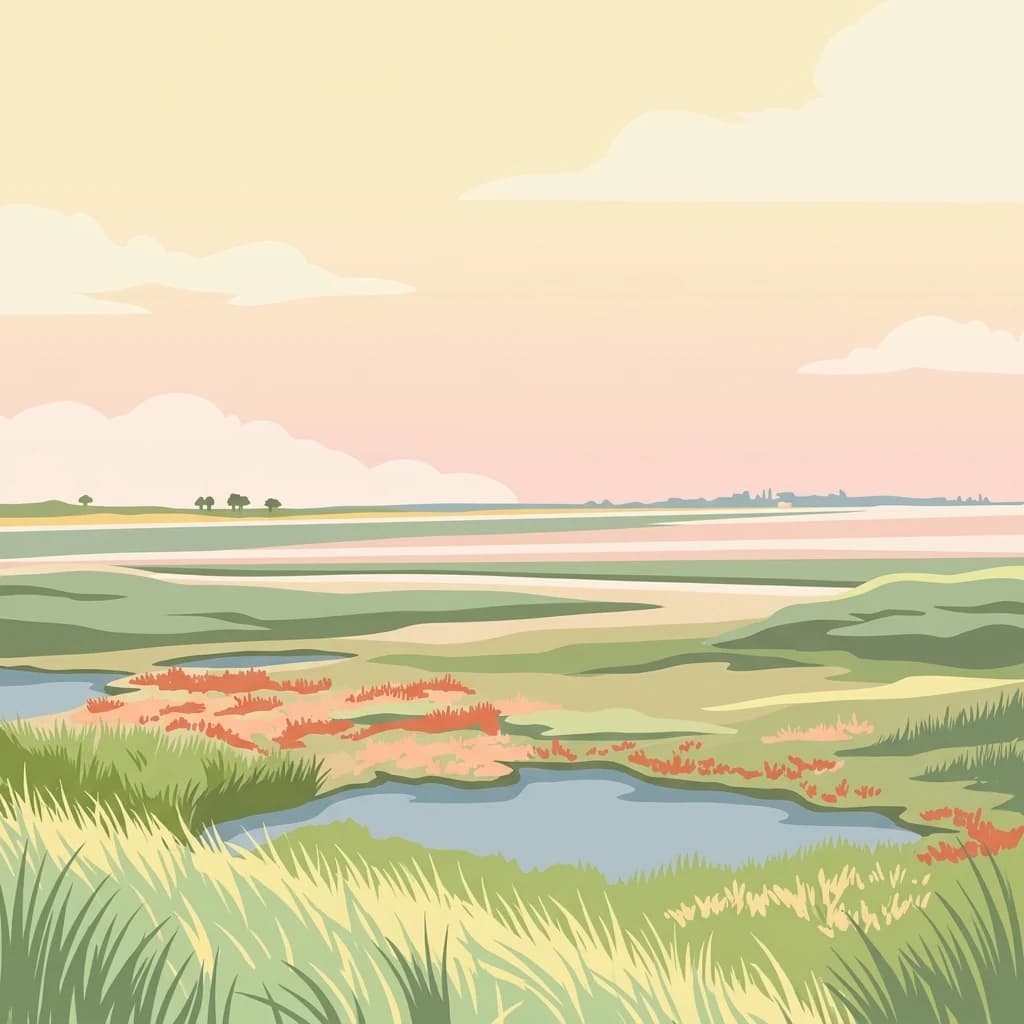
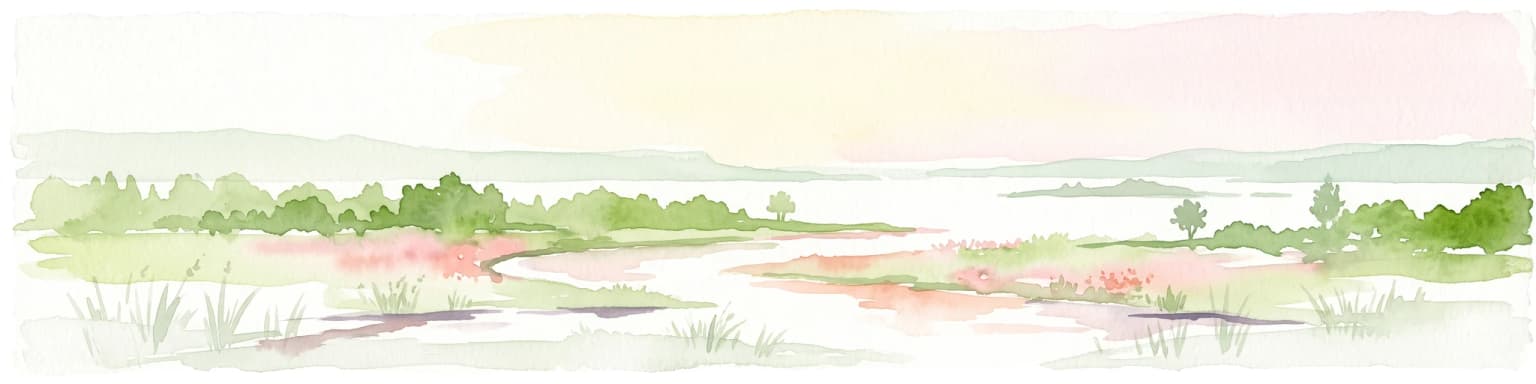
Colne Estuary is a large biological and geological Site of Special Scientific Interest stretching along the Essex coast of eastern England, near the town of Brightlingsea. Covering roughly 2,915 hectares, the site protects a complex mosaic of tidal habitats where the River Colne meets the North Sea, including extensive saltmarsh, intertidal mudflats, shingle spits, and former gravel pits that have transitioned into important wetland habitats.
The estuary sits within one of the most heavily layered protected-area frameworks in Britain, carrying national nature conservation, international wetland, and European wildlife designations alongside its SSSI status. It is most notable for the very large numbers of migratory and wintering waterbirds that rely on its saltmarshes and mudflats, especially dark-bellied brent geese and black-tailed godwits, while also supporting rare plant communities, rich invertebrate assemblages, and Pleistocene geological exposures.
Beyond its ecological importance, Colne Estuary also contributes to scientific research into past interglacial climates through peat and sedimentary deposits along the marsh edge, making it a site of both living biodiversity and significant geological record.