Aruba's largest protected refuge of arid landscapes, endemic wildlife, and ancient cultural heritage.
Arikok National Park
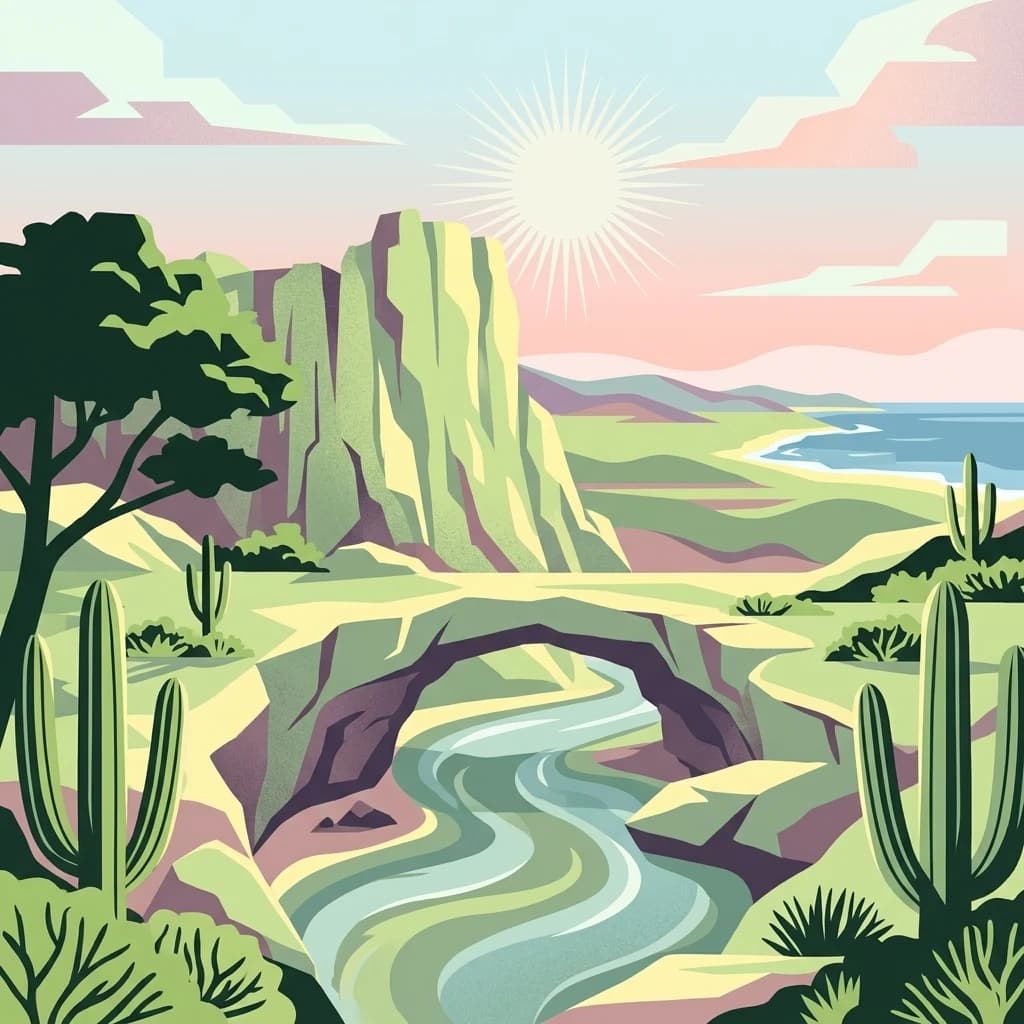
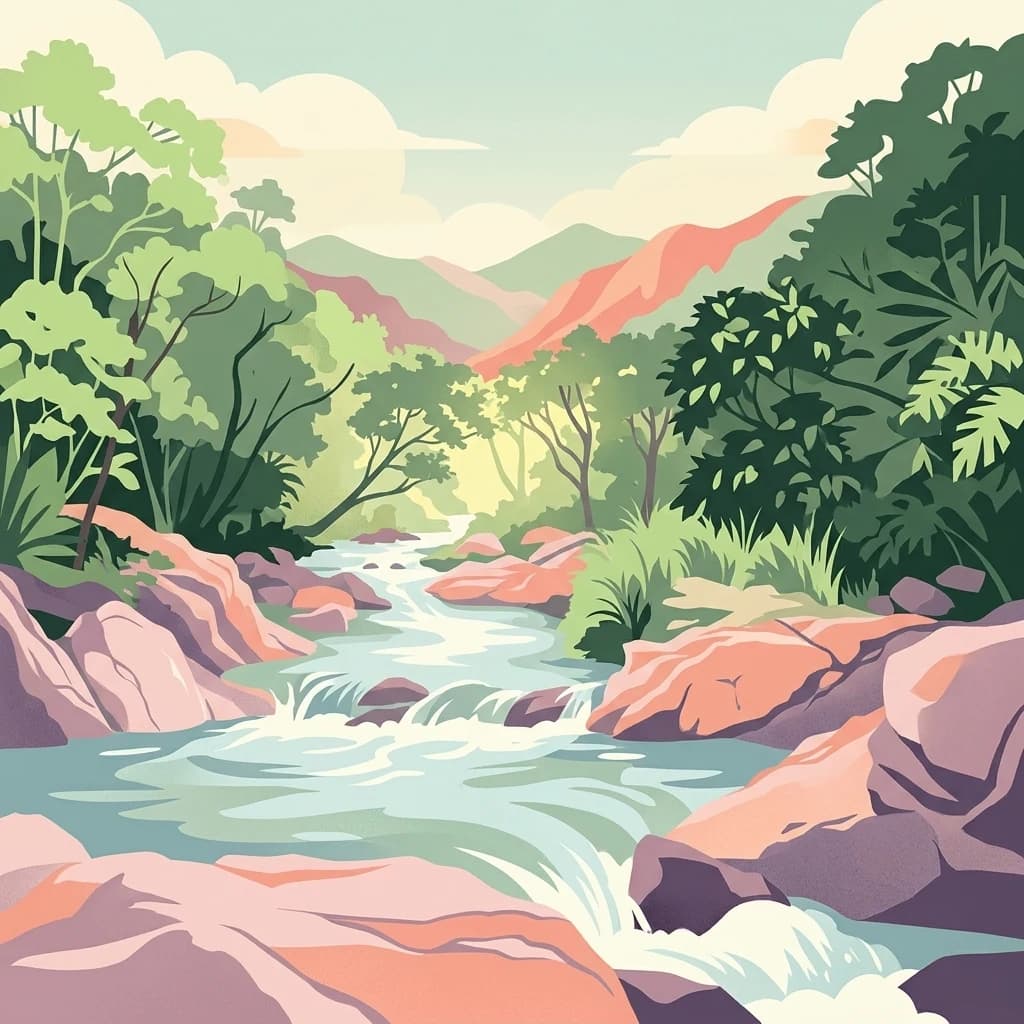
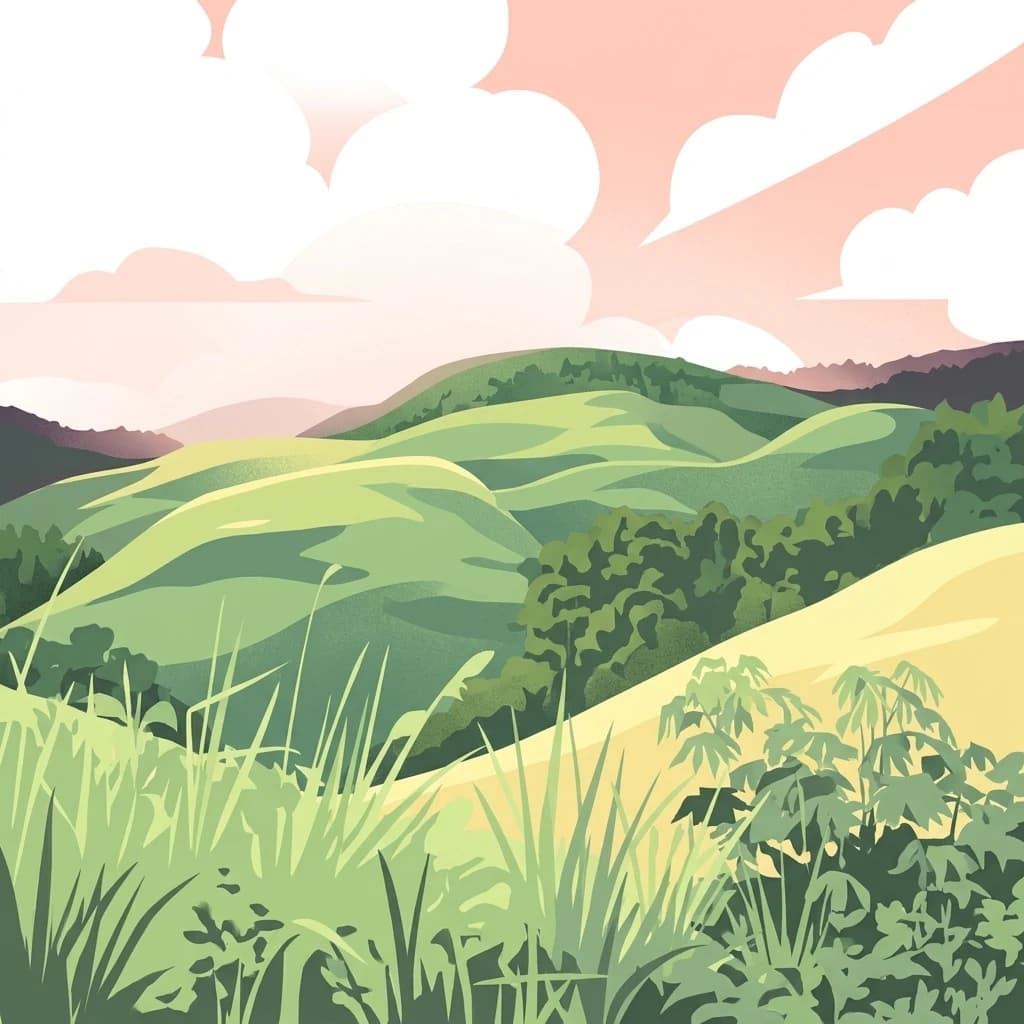
Arikok National Park is the principal protected natural area on the Caribbean island of Aruba, covering roughly 7,907 acres (about 32 km2) in the northeastern interior of the island. Established in 2000 and now managed by the Aruba Conservation Foundation, the park safeguards about 20% of Aruba's total land area, weaving together volcanic landscapes, limestone terraces, dune systems, coastal cliffs, and interior dry forests within a single continuous protected boundary.
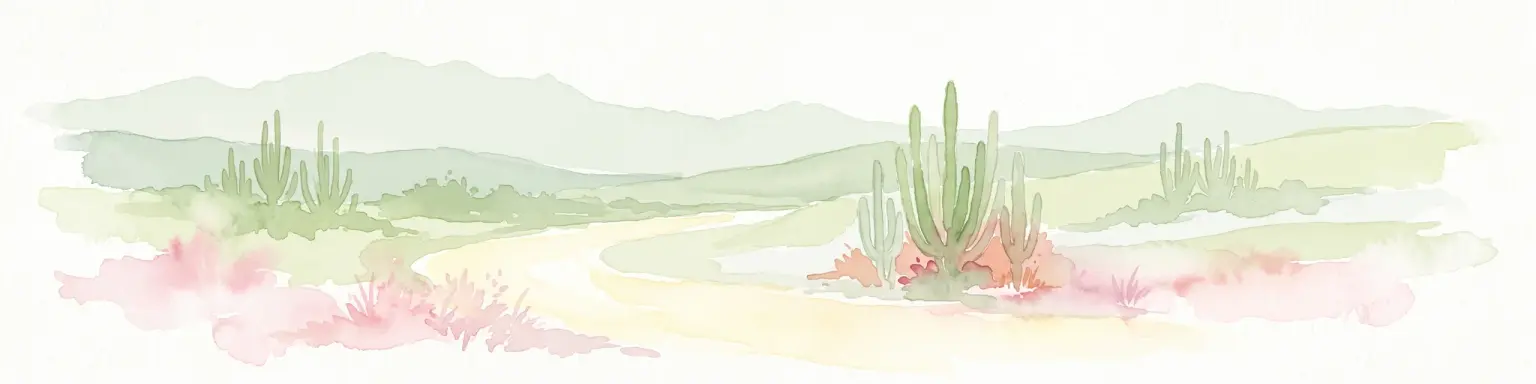
The park's terrain is shaped by three principal geological formations: the ancient Aruba Lava Formation, the underlying Aruba Batholith with its gold-bearing quartz veins, and younger limestone terraces that cap much of the southern plateau. This geological foundation supports seven distinct vegetation types, from coastal Fofoti-Druif dune scrub and cactus-dominated Hubada thickets on the windward hills to the specialized limestone-plateau flora of Beishi di baranca and Cadushi stands.
Arikok is also a stronghold for Aruba's endemic biodiversity, sheltering reptiles such as the Aruban whiptail lizard and the Aruban rattlesnake (cascabel), and birds including the burrowing owl (shoco) and the Aruban parakeet (prikichi). Beyond its natural heritage, the park preserves a layered cultural history, from pre-Columbian Arawak cave drawings and early colonial plantation farms (cunucu) to abandoned gold mines that echo Aruba's short-lived early twentieth-century mining era.