National parkSouth East England
About 0.3 km away#1 closest
West

South Downs National Park: A Distinctive Chalk Landscape in South East England's Atlas
Iconic chalk downland, coastal cliffs, and mapped terrain.
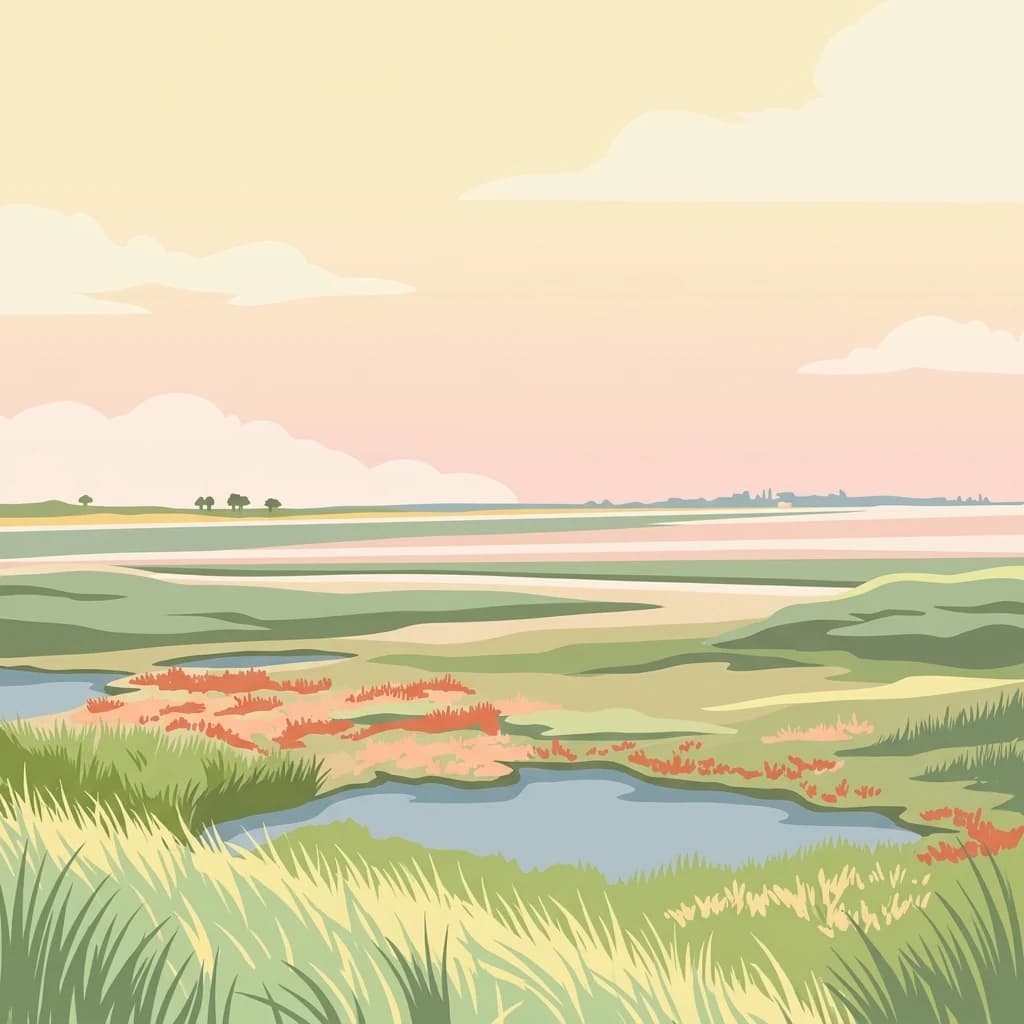
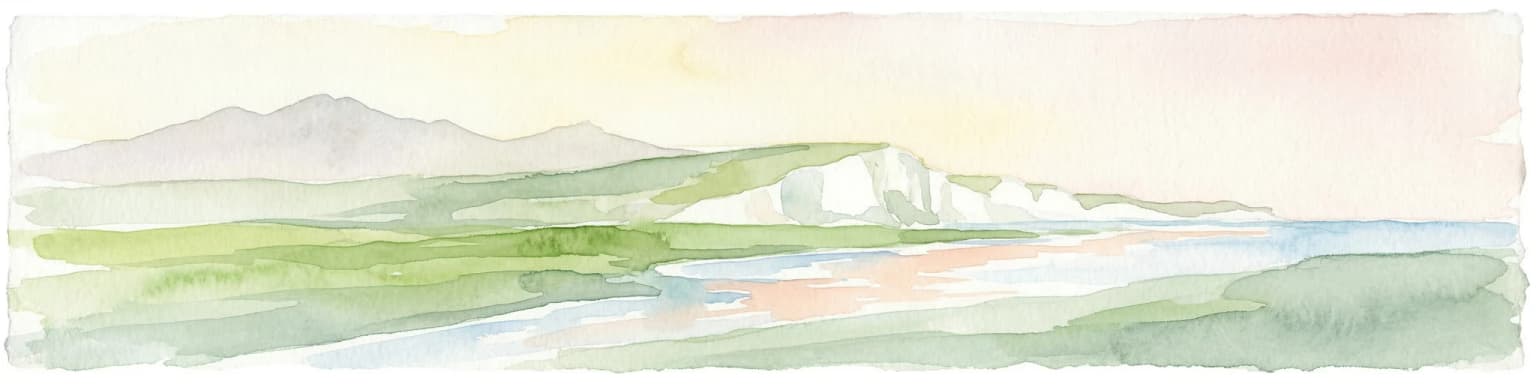
South Downs National Park is a premier protected landscape in South East England, celebrated for its unique chalk downland terrain and dramatic coastal formations. This page provides detailed geographic context for the park, highlighting its rolling hills, dry valleys, and ancient woodlands. Discover the park's mapped boundaries and its significance within England's protected areas, offering a structured atlas view for landscape exploration.
- Area
- 1,627 km²
- Established
- 2010
- IUCN
- V
- Visitors
- 18M annual