A tropical dry-forest biosphere reserve in southern Morelos, bridging the Trans-Mexican Volcanic Belt and the Balsas Basin.
Sierra de Huautla
Sierra de Huautla is a mountain range and biosphere reserve in central Mexico, located in the southern portion of the state of Morelos where the ranges of the Trans-Mexican Volcanic Belt descend toward the Balsas Basin. Declared a protected natural area in 1999, the reserve covers roughly 590 square kilometers across the municipalities of Amacuzac, Puente de Ixtla, Jojutla, Tlaquiltenango, and Tepalcingo, with the central spine of the Sierra forming the core of the protected landscape.
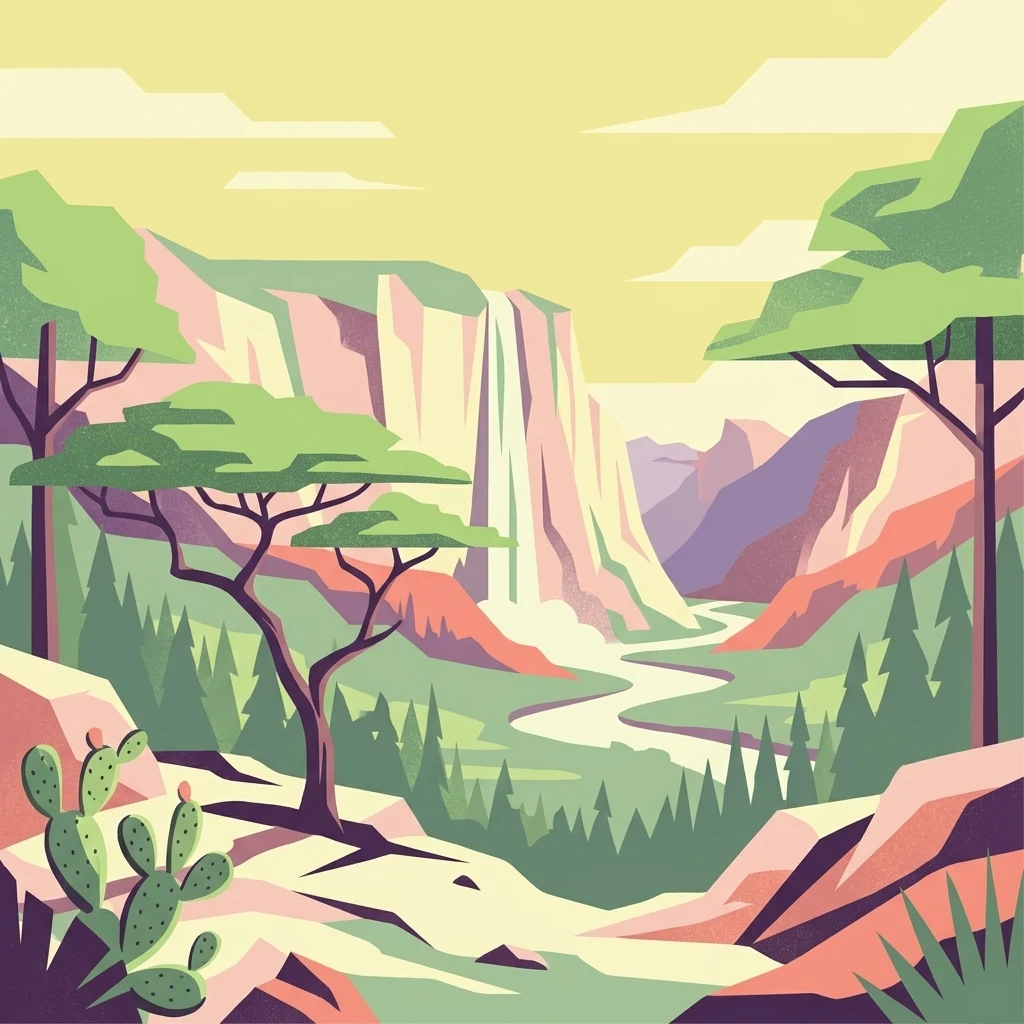
The reserve protects one of the most important fragments of tropical dry forest (selva baja caducifolia) in Mexico, a strikingly seasonal ecosystem where low, open canopies of trees such as Lysiloma, Bursera, Ceiba, and Acacia shed their leaves during the long dry period. Embedded within the broader mosaic are gallery forests along permanent streams and small patches of oak and oak-pine woodland at higher elevations. The combination of geological complexity, watersheds that feed the Balsas system, and a UNESCO-recognized biodiversity profile gives the Sierrab a distinct place in Mexico's protected-area network.
Ecologically, the reserve is home to a rich vertebrate community, including pumas, ocelots, margays, bobcats, and jaguarundis, alongside more than 200 bird species and the endemic Balsas screech owl. Culturally, the reserve overlaps with a long history of Mesoamerican settlement, with Tlaquiltenango historically serving as the head of a confederation of villages scattered across these mountain foothills.