Nature reserveSakha Republic
Lena Pillars
Explore the regional landscape and park boundaries.
Lena Pillars, in Sakha Republic, Russia. Landscapes: rivers and cliffs.
- Area
- 13,870 km²
- IUCN
- II
- Relief
- Lowland
- Climate
- Subpolar

Explore the mapped distribution of protected lands and natural landscapes across Russia's vast geography.
Protected areas around Lake Baikal safeguard a distinctive freshwater environment. Farther east, Kamchatka's volcanoes, glaciers, and salmon rivers support another set of habitats, including those of brown bears and sea eagles.
Related tags
Comparing conservation scale, historical age, designation patterns, and diverse habitats.
Known protected area
Area data available for 68 of 71 parks.
Median park size
Median across 68 parks with known area.
Explore the mapped geography and distribution of Russia's protected landscapes and conservation sites.
Russia is a transcontinental nation spanning eleven time zones, bordered by fourteen countries. It is the world's largest country by area, covering 17,098,246 km². Moscow is the capital and largest city, while Saint Petersburg is the second-largest and a major cultural centre.
Russia is the world's's largest country by land area, spanning Eastern Europe and North Asia. With a population of over 140 million, it is the most populous country in Europe and the ninth-most populous globally. The country is highly urbanised, with sixteen urban areas exceeding one million inhabitants. Russia has a rich history dating back to the East Slavs and Kievan Rus', evolving through the Tsardom, Russian Empire, Soviet Union, and into the current Russian Federation.
Browse Russia's extensive network of protected landscapes and natural reserves on an interactive atlas.
Explore the regional landscape and park boundaries.
Lena Pillars, in Sakha Republic, Russia. Landscapes: rivers and cliffs.
Explore the unique cliff-lined river corridors and boreal wilderness.
Lena Pillars National Park, in Sakha Republic, Russia. Landscapes: mountains, cliffs, and forests.
Coastal mountain terrain and the freshwater ecosystems of Irkutsk Oblast.
Located in Russia, Pribaikalsky National Park represents a primary protected area within the Lake Baikal basin. The region features dramatic topographical transitions from the Primorsky Range to the inland expanse of Olkhon Island. This record provides a detailed look at the park's physical geography, including its forest cover, coastal cliffs, and the significant role of the Angara River outflow in shaping the surrounding Siberian terrain.
Exploring Europe's largest protected taiga and Ural mountain ecosystems.
Yugyd Va National Park offers a comprehensive look at the high-altitude geography of the Ural Mountains and the surrounding boreal taiga. As the largest protected wilderness area in Europe, this site showcases a dramatic transition from ancient lowland forest floors to alpine tundra summits. The park map highlights significant river corridors and granite mountain ranges that define this remote, undisturbed ecological landscape in the Russian north.
A cornerstone of the Western Caucasus mountain range
Sochi National Park represents a significant protected area within Krasnodar Krai, defined by its steep elevation changes and varied mountain ecosystems. The park preserves crucial river corridors and forest terrain, stretching from the Black Sea coast to the high-altitude meadows of the Greater Caucasus. This atlas overview highlights the natural boundaries and geographic character of one of Russia's most significant conservation landscapes.
Explore protected landscapes in Kamchatka Krai.
Commander Islands, in Kamchatka Krai, Russia. Landscapes: islands, cliffs, and volcanoes.
Discover mapped terrain and regional park context in Siberia.
Krasnoyarsk Pillars, in Krasnoyarsk Krai, Russia. Landscapes: cliffs, valleys, and forests.

Old-growth forest wilderness in the Sikhote-Alin range
Bikin National Park, in Primorsky Krai, Russia. Landscapes: forests, rivers, and mountains.
Explore a UNESCO World Heritage sand spit with unique terrain.
Curonian Spit National Park, in Kaliningrad Oblast, Russia. Landscapes: dunes, beaches, and wetlands.
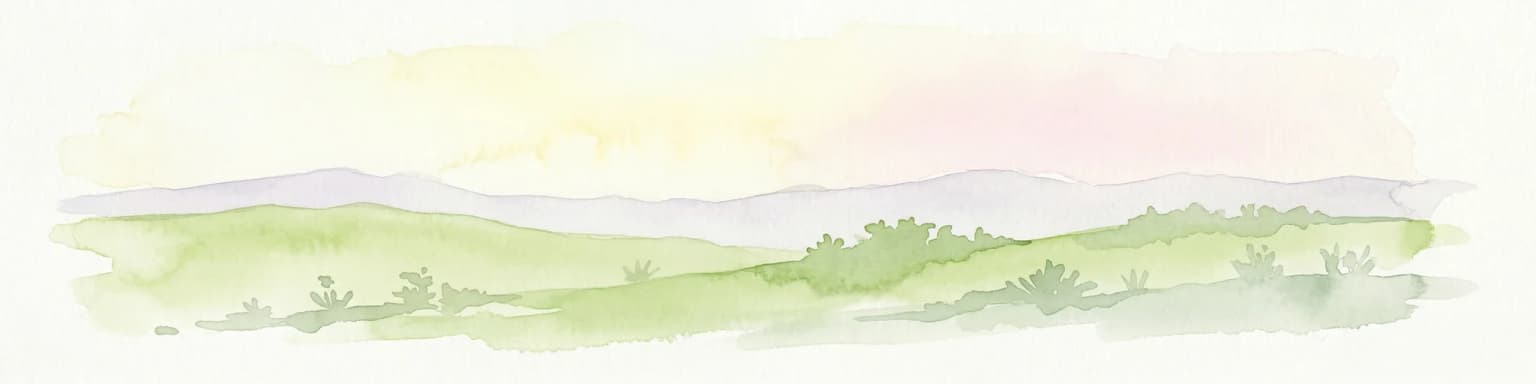
Arctic Islands, Glacial Terrain, and Marine Mammal Habitats
Russian Arctic National Park preserves some of the planet's most remote and pristine Arctic environments across the Novaya Zemlya and Franz Josef Land archipelagos. This protected area offers unparalleled insight into Arctic geography, showcasing dramatic glacial landscapes, extensive seabird colonies, and critical feeding grounds for polar bears and bowhead whales. Explore the park's unique protected landscape and its significance within the broader atlas of global conservation efforts.
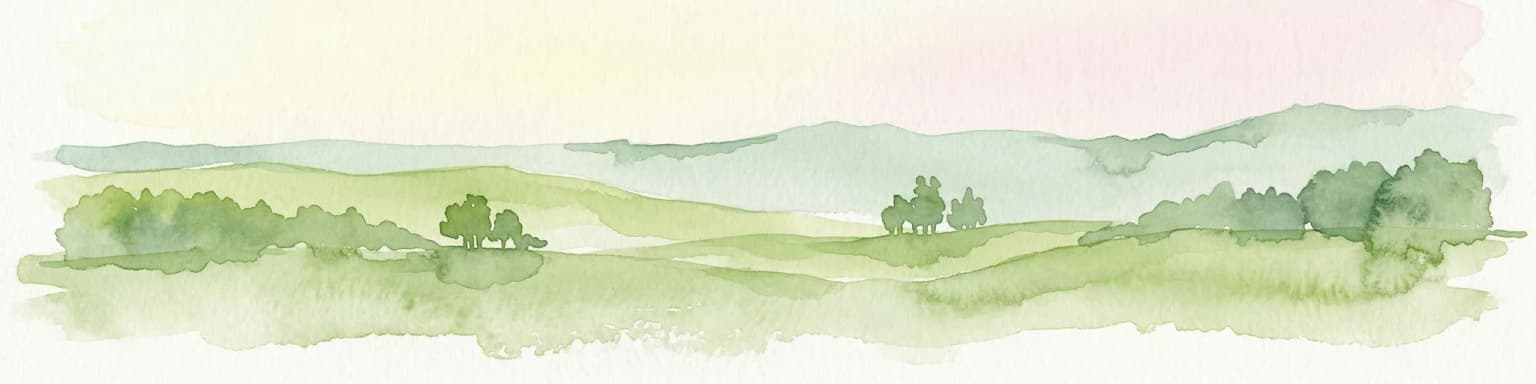
Atlas exploration of Russia's critical Amur leopard habitat.
Land of the Leopard National Park, in Primorsky Krai, Russia. Landscapes: forests, woodlands, and hills.
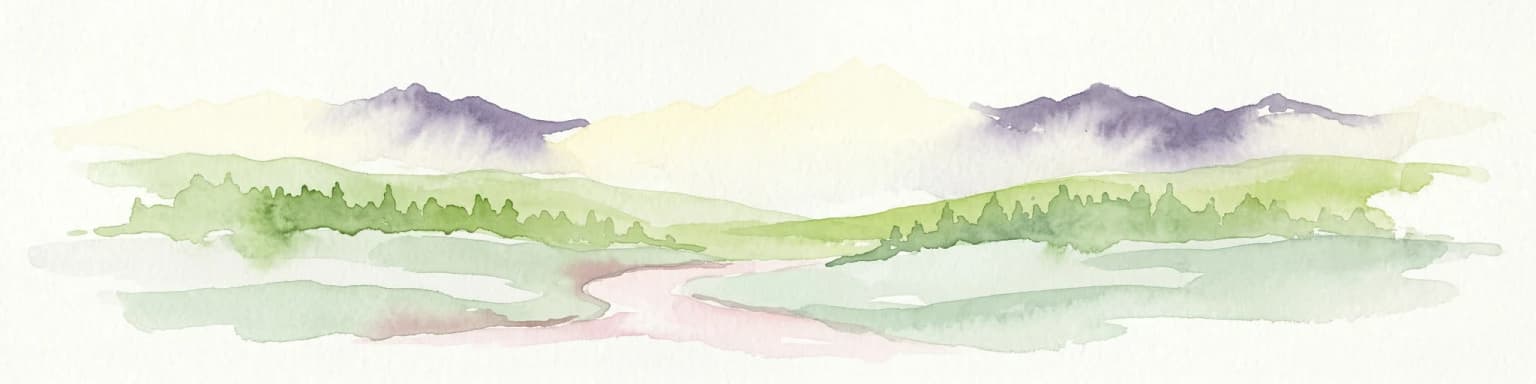
Explore the mapped boundaries and regional geography of this protected landscape.
Teberda Nature Reserve is a significant protected area located in the Karachay-Cherkess Republic, offering rich opportunities for geographic exploration. This page provides detailed atlas-style information, focusing on the reserve's mapped landscape and its protected-area identity. Understand the unique geographic context and contours of Teberda Nature Reserve, contributing to a structured understanding of Russia's natural protected lands.
Understand how Russia is shaped by terrain, ecosystems, and seasonal conditions
Russia spans Eastern Europe and North Asia, covering 17,098,246 km². It shares land borders with fourteen countries—more than any other nation—and spans eleven time zones. The landscape includes vast plains, mountain ranges such as the Urals and Caucasus, and extensive coastlines along the Arctic Ocean, Pacific Ocean, Baltic Sea, Black Sea, and Caspian Sea.
Russia's vast territory encompasses diverse ecosystems including tundra, taiga forests, steppes, and mountainous regions. The country has numerous protected areas, nature reserves, and national parks preserving its biodiversity.
Russia experiences extreme climate diversity due to its vast size, ranging from Arctic conditions in the north to temperate climates in the south. The country spans multiple climate zones.
Related topics and popular queries
Explore the geographic distribution of Russia's national parks, revealing how protected areas are positioned across its transcontinental expanse.
Explore the vast geographic spread and conservation landscapes across Russia's diverse territories.
Compare national park geographies and diverse protected areas across countries bordering Russia.

Parks and protected areas in Finland, including Oulanka and Pallas-Yllästunturi.

Parks and protected areas in Kazakhstan, including Altyn-Emel and Charyn.
Parks and protected areas in Mongolia, including Khövsgöl National Park and Buir Lake.

Parks and protected areas in China, including Jiuzhaigou and Wulingyuan.
Parks and protected areas in Kyrgyzstan, including Ala-Archa and Besh-Tash.
Parks and protected areas in Uzbekistan, including Zaamin and Ugam-Chatkal.
Parks and protected areas in North Korea, including Pujŏn.
Parks and protected areas in Tajikistan, including Periochi Moytti Toy Ziou.
Protected area types
Deepen your understanding of Russia's conservation framework by continuing to browse the specific designation categories. See how each classification is represented geographically, offering a structured path into detailed information about protected landscapes across the world's largest country. This focused exploration reveals the atlas-driven value of understanding park designations.
Find a park and explore its geography, habitats, and monthly climate.