Hungary's riverine wilderness where the Danube and Drava floodplains create Europe's largest transboundary wetland sanctuary
Danube-Drava National Park
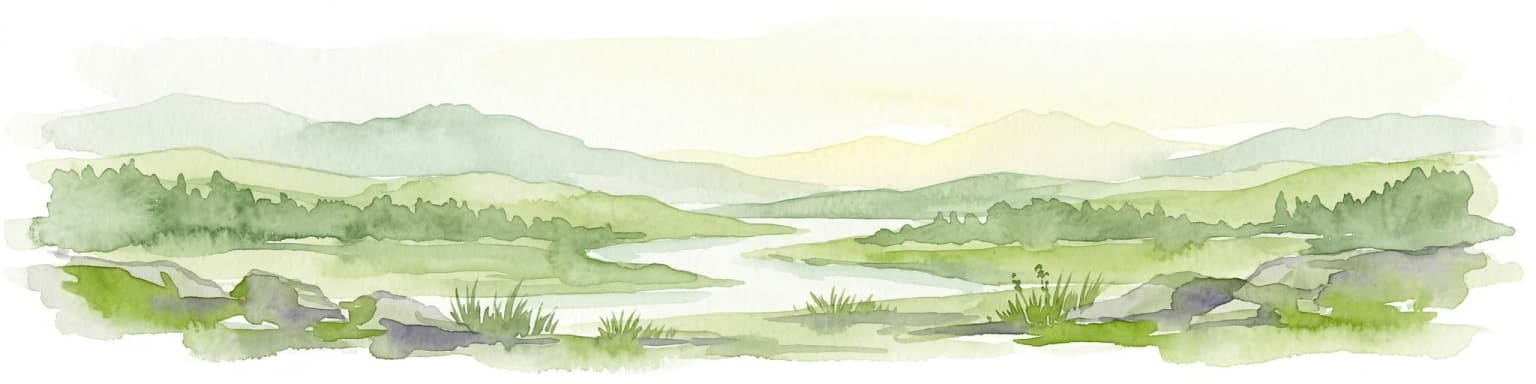
Danube-Drava National Park is Hungary's premier riverine protected area, established in 1996 and spanning approximately 490 square kilometres along the country's southern border. The park encompasses the floodplain ecosystems of both the Danube and Drava rivers, creating a vast mosaic of marshes, oxbow lakes, channels, and riparian woodlands that absorb seasonal floods and maintain water quality across the region. Located in southwest Hungary across Somogy, Tolna, Bács-Kiskun, and Baranya counties, this protected area represents one of the most significant wetland complexes in Central Europe.
The park holds exceptional ecological importance, with nearly 190 square kilometres designated as Ramsar wetlands recognizing its international significance. The floodplain supports extraordinary biodiversity, including populations of black stork and white-tailed eagle that are of European significance. Seven invertebrate species found nowhere else in Hungary inhabit the park, along with more than 400 protected plant and animal species. The riparian corridors serve as critical migration routes and breeding grounds, with over a quarter of a million waterbirds nesting annually within the broader protected network.
In September 2021, Danube-Drava National Park became a core zone of the Transboundary UNESCO Biosphere Reserve "Mura-Drava-Danube," a five-country initiative linking over 700 kilometres of river corridors across Austria, Croatia, Hungary, Serbia, and Slovenia. This designation created Europe's largest riverine protected area, often called the "Amazon of Europe," underscoring the park's continental significance for biodiversity conservation and sustainable river management.