Mori Atlas logo
Countries

Browse the distribution of protected lands across Argentina's diverse natural landscapes.

Argentina National Parks and Protected Areas: A Geographic Atlas Exploration

Argentina, a vast South American nation, offers a rich tapestry of natural landscapes protected within its national parks and conservation areas. This atlas entry point provides a structured way to explore the geographic distribution of these protected lands, enabling discovery of Argentina's diverse terrains, from the iconic Patagonia region to the towering Andes mountains. Understand the scope and placement of protected areas across the country for comprehensive geographic context.

Related tags

south american countryfederal republicsouthern conepampaspatagonia
About

Explore the extensive protected geography of Argentina, revealing the country's national park distribution.

Argentina National Parks Atlas: Mapped Protected Landscapes and Regional Park Geography
Browse a comprehensive atlas of Argentina's national parks and protected areas, covering diverse landscapes from the Andes Mountains to the Patagonian steppes. Gain geographic context for South America's vast southern cone, exploring the regional spread of its conservation landscapes and park geography.

Argentina is a federal republic located in the southern cone of South America, bordering Chile, Bolivia, Paraguay, Brazil, Uruguay, and the Atlantic Ocean. With an area of 2,780,085 km², it is the second-largest country in South America and the eighth-largest globally. The capital and largest city is Buenos Aires, and the official language is Spanish. The country claims sovereignty over the Falkland Islands, South Georgia and the South Sandwich Islands, and a portion of Antarctica.

Argentina is a federal presidential republic subdivided into twenty-three provinces and one autonomous city (Buenos Aires). The country has a population of approximately 46.7 million people (2025 estimate). It features diverse geography including the Andes mountain range to the west, the Pampas fertile plains in the central region, and the Atlantic coastline to the east. Argentina's economy is the third-largest in Latin America, with major sectors including agriculture, industry, and services. The nation has a rich cultural heritage blending indigenous, European, and immigrant influences.

Largest city:Buenos Aires
Currency code:ARS
ISO code:AR
Parks count
22
Capital
Buenos Aires
Area
2,780,080 km²
Population
46,735,004 (2,025)

Coastal
Island
Landlocked
Park atlas22 parks

Explore the diverse protected landscapes of Argentina, mapping locations from Andean peaks to Patagonian steppes and subtropical wetlands.

Discover National Parks in Argentina: A Comprehensive List of Protected Areas
Browse a curated list of national parks and other protected areas across Argentina, showcasing the country's diverse conservation landscapes from subtropical wetlands to Andean peaks. This country-level park atlas view provides essential geographic context, allowing users to map and compare each protected entity within Argentina's vast South American territory.
National parkTierra del Fuego Province

Tierra del Fuego National Park: Argentina's Southernmost Protected Landscape and Geography

Subantarctic terrain, glacial valleys, and coastal Patagonian forest.

Tierra del Fuego National Park is a significant protected area at the southern tip of South America, celebrated for its unique subantarctic landscapes. This national park showcases the dramatic intersection of Patagonian forests and Andean terrain, with its mapped boundaries extending along the rugged coastline of the Beagle Channel. Users can explore the park's geographic features, understanding its role within the broader atlas of protected lands and its distinct natural heritage in Tierra del Fuego Province. Discover the park's terrain, from ancient beech forests to glacial valleys, and its ecological significance.

Area
630 km²
Established
1960
IUCN
II
Relief
Mountain
National parkSanta Cruz Province

Perito Moreno National Park: Mapped Protected Landscape and Geographic Context in Santa Cruz Province

Explore Argentinian Patagonian mountain terrain and its ecological transition.

Perito Moreno National Park is a vast protected area in Argentina's Santa Cruz Province, known for its dramatic Patagonian mountain landscapes and unique ecological transition zone between wet Magellanic forests and dry Andean steppe. Spanning over 126,830 hectares, the park's geography features an amphitheater-like structure with valleys radiating from central highlands, and peaks reaching nearly 2,800 meters. This national park provides critical insight into the regional natural landscapes and mapped protected areas of Patagonia, offering a detailed view of its terrain and hydrographic features.

Area
1,268.3 km²
Established
1937
IUCN
II
National parkLa Rioja Province

Talampaya National Park: Argentinian National Park with Dramatic Desert Canyons

Explore protected landscape and mapped geography in La Rioja Province.

Talampaya National Park, a significant national park in Argentina's La Rioja Province, offers a profound exploration of a dramatic desert canyon environment. This protected area is renowned for its rich paleontological sites, yielding crucial dinosaur fossils, and for its well-preserved indigenous petroglyphs carved into ancient rock formations. Understanding Talampaya National Park provides vital context for the region's geography and its place within Argentinian protected lands and mapped natural landscapes.

Area
2,150 km²
Established
1997
IUCN
II
National parkNeuquén Province

Lanín National Park: Volcanic Landscapes and Ancient Forests in Neuquén Province

Explore the protected area's mapped terrain and glacial lakes.

Lanín National Park offers a deep dive into the dramatic geography of Argentine Patagonia, centered around the prominent Lanín volcano. This national park preserves ancient araucaria forests, diverse ecosystems, and breathtaking glacial lakes like Huechulafquen and Lácar. Its extensive protected landscape provides critical habitat and opportunities to explore unique Andean terrain through map-driven discovery.

Area
3,790 km²
Established
1937
IUCN
II
Relief
Mountain
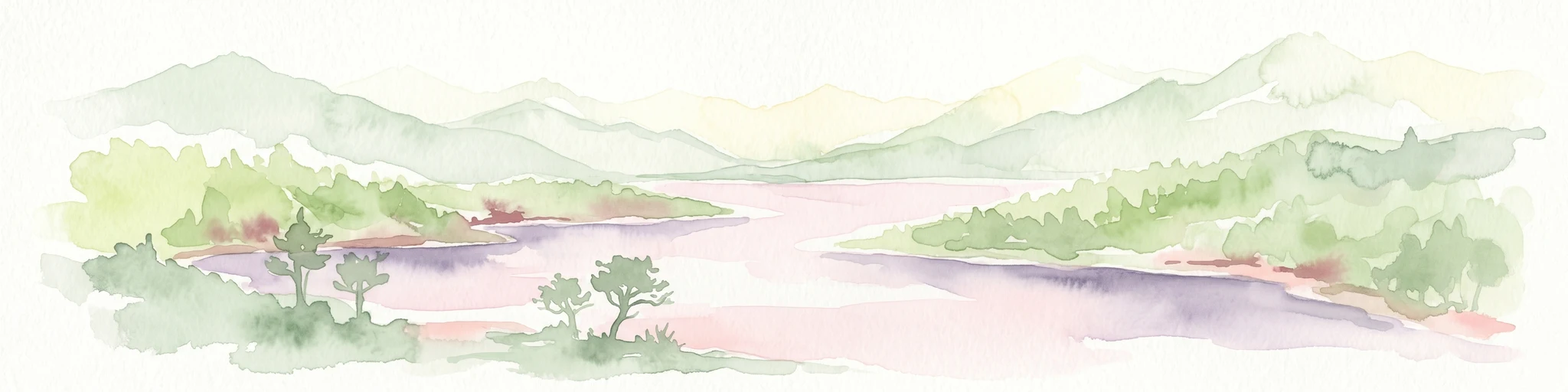
Watercolor painting showing green fields, scattered trees, and distant mountains under a light sky
National parkToledo Province

Cabañeros National Park: Spain's Premier Iberian Oak Woodland Protected Landscape

Mapped Geography of Montes de Toledo Protected Area

Cabañeros National Park is celebrated as the most extensive and well-conserved example of Iberian Mediterranean forest in Spain. Situated within the Montes de Toledo, the park features a remarkable dichotomy between its unique raña flatlands and mountainous sierras, harboring ancient oak woodlands and significant biodiversity. This national park serves as a crucial component of the region's geographic context and a prime destination for atlas-based discovery of protected landscapes.

Area
409 km²
Established
1995
IUCN
II
Visitors
104.6K annual
National parkPedernales Province

Jaragua National Park: Dominican Republic National Park Protected Landscape Atlas

Discover the mapped geography and protected boundaries of Jaragua National Park.

Jaragua National Park stands as a crucial national park within the Dominican Republic, located in Pedernales Province. This entry provides an in-depth, atlas-style examination of the park's protected landscape, focusing on its geographic features and mapped extent. Users can explore the park's position within the regional geography and understand its significance as a conservation area.

Area
1,374 km²
Established
1983
IUCN
II
National parkArgentina

Los Alerces National Park: Ancient Alerce Forests and Glacial Terrain in Argentina

Discover the park's protected landscape and regional geography.

Los Alerces National Park in Argentina is a globally significant protected area, celebrated for its ancient alerce forests, some of the longest-living trees on Earth. This national park showcases a dramatic landscape shaped by glaciers, featuring a series of interconnected lakes and rugged Andean terrain. Explore the unique ecosystem and mapped geography of this UNESCO World Heritage site to understand its profound natural and conservation value.

Area
2,599 km²
Established
1937
IUCN
II
Relief
Mountain
National parkFormosa Province

Río Pilcomayo National Park: Protected Humid Chaco Wetland Landscape & Geography

Explore mapped boundaries and unique floodplain terrain in Formosa Province.

Río Pilcomayo National Park represents a significant protected natural area within Argentina's Formosa Province, characterized by the unique ecosystems of the Humid Chaco. The park's landscape is defined by extensive floodplains, marshes, lakes, and forests, all influenced by the Pilcomayo River's dynamic hydrological cycle. As a Ramsar site, it safeguards crucial habitats, including those for the endangered jaguar, and showcases iconic Caranday palm savannas. This detailed atlas entry provides insights into its mapped geography and the vital protected landscape it preserves.

Area
518.89 km²
Established
1951
IUCN
II
Relief
Lowland
National parkDominican Republic

Los Haitises National Park: Dominican Republic Protected Landscape & Park Geography

Mapped terrain and protected area boundaries in the Dominican Republic.

Los Haitises National Park is a vital protected national park in the Dominican Republic, offering unique insights into the region's geography and natural landscapes. This page delves into its mapped boundaries, regional context, and the importance of its protected status for understanding Dominican Republic's conservation areas. Gain a structured view of this important natural landscape and its place within a broader geographic atlas.

Area
826 km²
Established
1976
IUCN
II
National parkTucumán Province

Aconquija National Park: Southern Andean Yungas Protected Landscape in Tucumán Province

Explore its montane forest and mapped geographic context.

Aconquija National Park is a significant federal protected area located in Tucumán Province, Argentina. This national park is dedicated to conserving the diverse Southern Andean Yungas montane forest ecosystem, characterized by a dramatic elevational gradient. Its landscapes transition from cloud forest to high alpine terrain, offering a unique opportunity to study and appreciate a well-preserved montane environment within a critical geographic region. Discover the mapped extent and ecological importance of this protected area.

Area
499.94 km²
Established
1995
IUCN
II
National parkCórdoba Province

Quebrada del Condorito National Park: Mapped Protected Landscape and Biological Island Ecosystem

Argentina National Park in Córdoba Province

Quebrada del Condorito National Park is a federally protected area in Argentina's Córdoba Province, established to safeguard a significant portion of the Sierras Pampeanas mountain ecosystem. The park's rugged terrain, including deep gorges and high-altitude plateaus, creates a distinct biological island environment supporting a wealth of endemic species. Its geographic isolation and dramatic landscape make it a unique focus for protected-area discovery and understanding Argentina's natural geography.

Area
373.44 km²
Established
1996
IUCN
II
National parkColón Province

Soberanía National Park: Panama National Park Atlas, Geography, and Protected Landscape Details

Explore the mapped boundaries and regional geography of this national park.

Investigate Soberanía National Park, a designated national park situated in Panama's Colón Province. This entry offers detailed geographic context, focusing on its mapped protected area, landscape character, and role within regional conservation. Understand the spatial distribution and atlas significance of this protected land, essential for a structured geographic discovery of Panama's natural heritage.

Area
220 km²
Established
1980
IUCN
II
Landscape and environment

Understand how Argentina is shaped by terrain, ecosystems, and seasonal conditions

Argentina geography, nature, climate, and landscape context for park-focused travel research
Explore the physical geography, natural setting, and climate patterns of Argentina through a location-first overview built for travel research, national park discovery, and broader regional context. This section helps explain how landscapes, habitats, and environmental conditions shape what people search for, where they travel, and how they experience protected areas in Argentina.

Argentina geography and landscape

Argentina occupies the southern portion of South America, sharing the Southern Cone region with Chile to the west. The country borders Bolivia and Paraguay to the north, Brazil to the northeast, Uruguay and the South Atlantic Ocean to the east, and the Drake Passage to the south. The Andes mountain range runs along the western border, while the Pampas plains dominate the central region. Argentina also claims territories in Antarctica.

Argentina nature and environment

Argentina's diverse terrain encompasses multiple ecosystems including the Andes mountains, subtropical forests in the northeast (including Iguazu Falls), Patagonian steppe and glaciers in the south, and coastal wetlands along the Atlantic. The country maintains numerous national parks protecting these varied natural environments.

Argentina climate and seasonal conditions

Argentina experiences diverse climate zones due to its large size, ranging from subtropical in the north to subantarctic in the far south. The central Pampas region has a temperate climate, while Patagonia in the south is cooler and drier.

Explore this place

Related topics and popular queries

Ways to explore Argentina
Useful phrases, related topics, and discovery prompts connected to Argentina.
argentina country informationwhere is argentina locatedargentina geography and climateargentina provinces and capitalargentina population and demographicswhat is argentina known forargentina travel destinationsargentina countryargentine republicbuenos airessouth america geographysouthern coneargentina populationargentina areapatagonia argentinaargentina provinces
Park map

Trace the extensive spread of protected landscapes across Argentina's diverse terrain.

Argentina National Parks Map: Explore Protected Areas and Geographic Distribution
Preview the geographic locations of Argentina's national parks and protected areas, from the Andean peaks to the Patagonian steppe and Atlantic coast. Dive into the detailed Argentina park map to compare park distributions, understand regional protected-area contexts, and plan your geographic discovery across this vast South American country.

Understanding the mapped distribution and geographic context of Argentina's protected natural areas.

Frequently Asked Questions about National Parks and Protected Areas in Argentina
Discover key insights into the national parks and protected natural areas that span Argentina's vast and varied geography, from the Patagonian Andes to the northern wetlands. These common questions offer structured context for understanding the distribution, characteristics, and conservation efforts within Argentina's diverse protected landscapes.
Other countries

Browse the Atlas of South American National Parks and Nearby Protected Landscapes Beyond Argentina

Discover National Parks in Other Countries, Expanding from Argentina's Protected Areas
After exploring Argentina's vast protected areas, continue your geographic discovery by browsing national parks and protected landscapes in neighboring South American countries. Compare diverse park geographies, from the Andes mountains to coastal reserves, and understand regional conservation efforts through an expanded atlas view.

Peru National Parks and Protected Areas: Browse the Geographic Atlas and Mapped Landscapes

Access a structured overview of Peru's national parks and protected areas, designed for geographic exploration and atlas-style discovery. Understand the distribution of conservation landscapes from the coast to the Amazon, examining their mapped boundaries and regional significance. This resource facilitates a deeper appreciation of Peru's natural terrain and its role in preserving biodiversity across diverse ecosystems.

25 parks

Chile National Parks and Protected Areas: Geographic Atlas Explorer

Access a structured atlas view of Chile's national parks and protected natural areas. This geography-centric resource details the distribution and mapped boundaries of conservation landscapes, providing essential context for understanding the country's diverse terrain. Navigate through the protected areas to uncover their geographic significance and regional patterns within South America.

17 parks

Colombia National Parks and Protected Areas: Mapped Landscape Explorer

Navigate the diverse protected areas and national parks within Colombia using a structured geographic atlas. This resource highlights the mapped distribution of conservation lands, offering insights into the natural terrain and regional landscape context across the country. Understand where Colombia's key protected areas are located and their significance within the broader South American geography.

13 parks

Brazil National Parks and Protected Areas: Browse Mapped Geographic Distributions

Navigate the extensive network of national parks and protected areas within Brazil. This section provides a structured overview of their geographic distribution, enabling detailed map-based exploration of natural landscapes and conservation territories across the country. Understand how protected lands are situated within Brazil's diverse geography and regional context.

5 parks

Ecuador's National Parks and Protected Areas: A Geographic Exploration

Navigate Ecuador's protected areas and national parks to understand their geographic context and distribution. This atlas offers a structured view of the country's conservation landscapes, highlighting diverse terrains from Andean paramo to endemic Galápagos ecosystems. Explore the mapped boundaries and regional geography to appreciate the scope of natural preservation efforts.

5 parks

Paraguay National Parks and Protected Areas: An Atlas for Geographic Discovery

Delve into the structured geography of Paraguay's protected areas and national parks. This atlas-style entry point offers a comprehensive overview of natural landscapes, allowing for detailed exploration of park boundaries and their distribution. Understand the unique regional context and mapped terrain across the country, providing a foundation for discovering Paraguay's conservation areas through geographic data.

3 parks

Bolivia National Parks and Protected Areas: Geographic Atlas and Landscape Explorer

Access a structured atlas to explore Bolivia's national parks and protected areas. Understand the geographic distribution and mapped boundaries of conservation landscapes, from the high Andes to the Gran Chaco and Amazonian plains. This resource details Bolivia's regional geography, providing essential context for its natural protected areas.

3 parks

Uruguay National Parks and Protected Areas: Mapped Landscapes and Geographic Overview

Dive into the structured geography of Uruguay's protected areas. This atlas provides a unique lens to view national parks and natural reserves, highlighting their distribution and relationship to the surrounding landscape. Understand the geographic spread and context of conservation efforts across Uruguay, from coastal parks to inland natural reserves, all within a framework designed for deep exploration.

1 park
MoriAtlas Explorer

Continue Your Global Geographic Exploration with MoriAtlas Park Discovery

Dive deeper into the world's protected landscapes and national parks through MoriAtlas's structured atlas interface. Discover how continents and countries are organized, and how individual park geography fits into the broader map. Our platform is built for understanding the distribution and context of protected areas worldwide, facilitating your journey through global natural geography.

Global natural geography