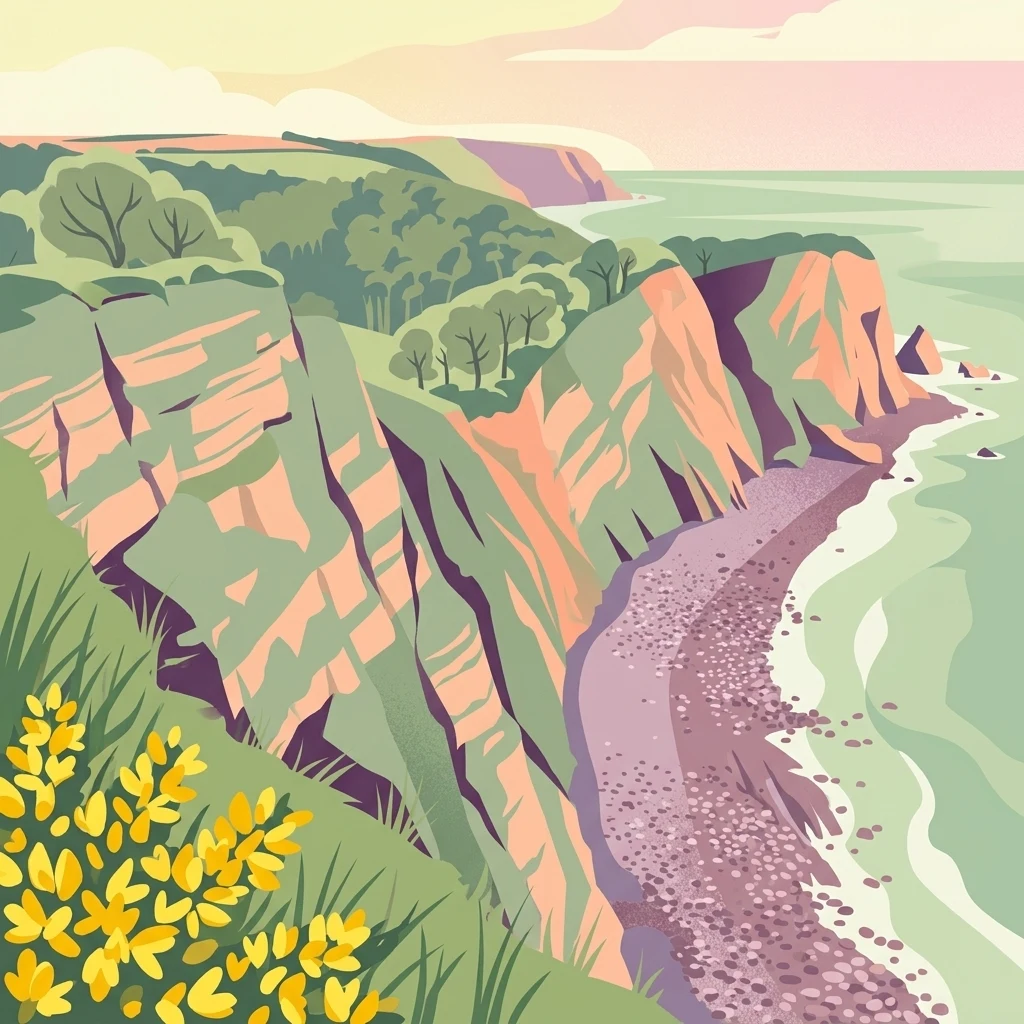
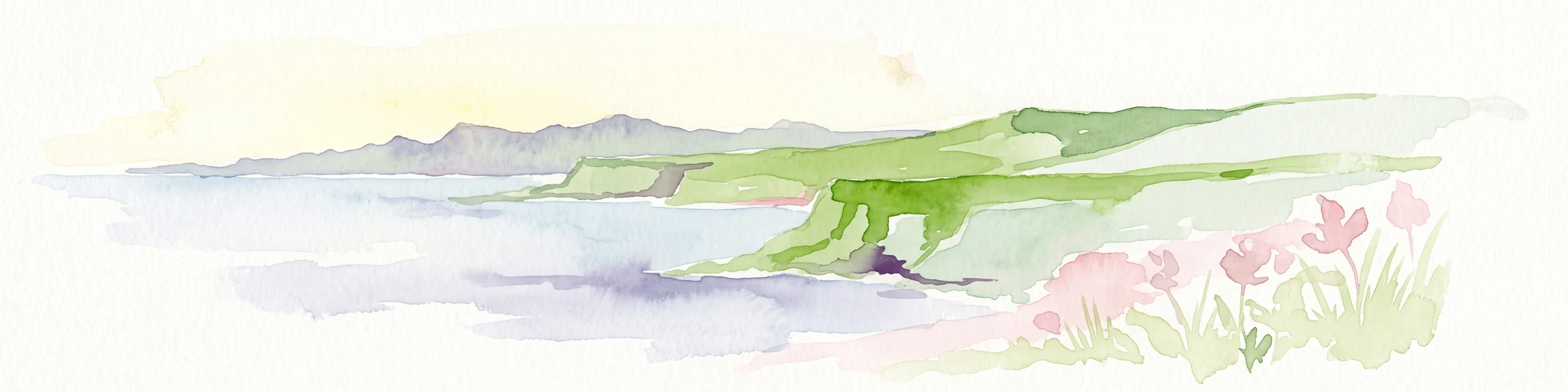
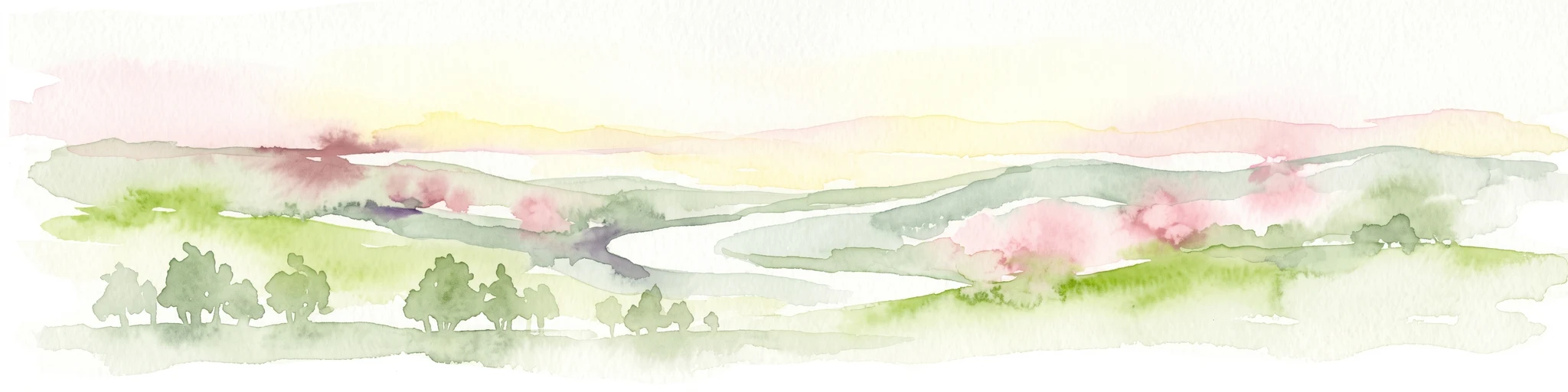
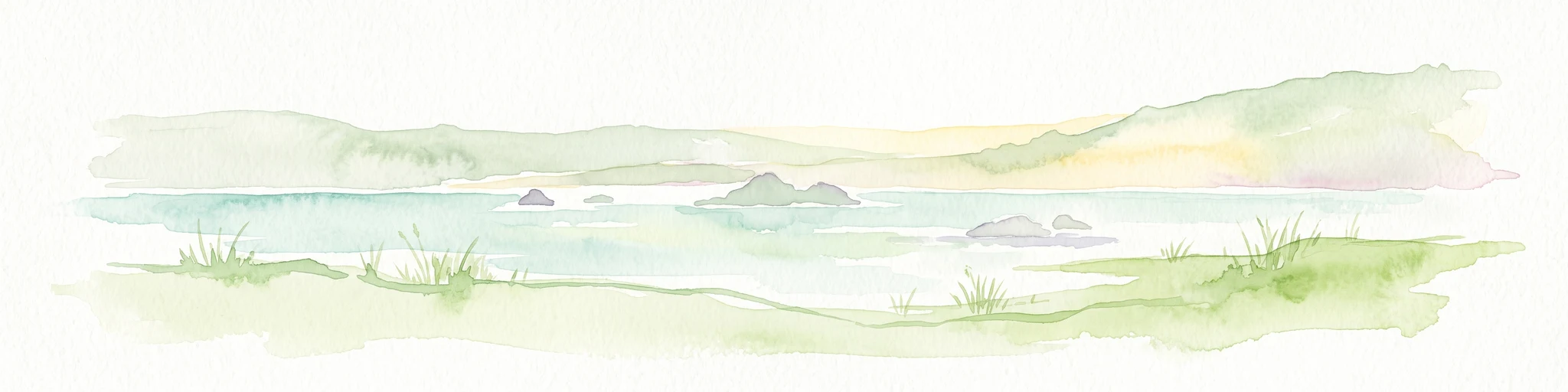
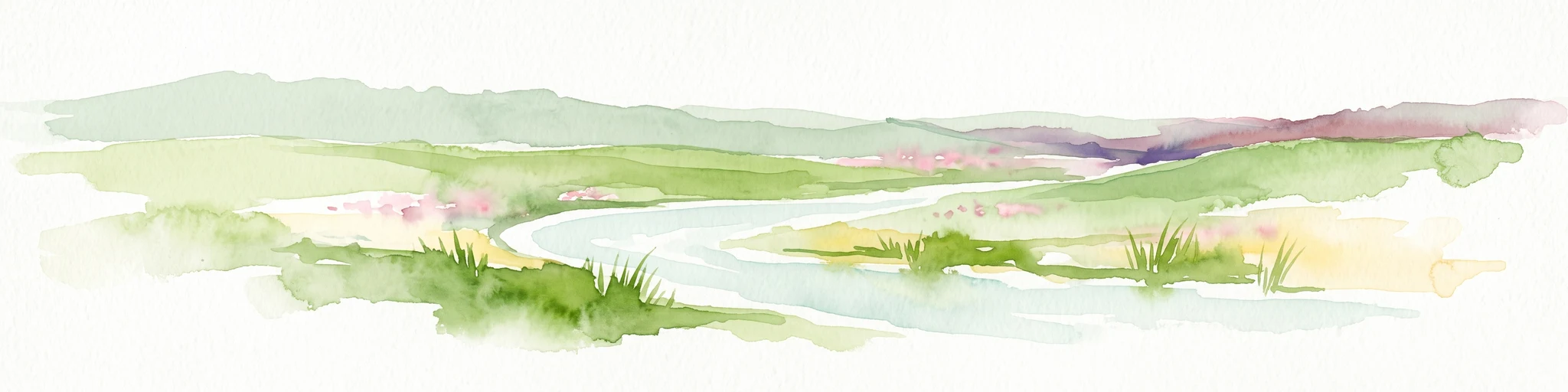
A UNESCO biosphere reserve in northern Devon, where sand dunes, farmland, estuaries, and island seas come together.
North Devon's Biosphere Reserve
North Devon's Biosphere Reserve is a UNESCO-designated area in the northern part of Devon, in South West England, covering a substantial swathe of lowland countryside, coast, and inshore sea. Its boundaries follow the conjoined catchment of the Rivers Taw and Torridge and stretch offshore to include Lundy Island, making it a biosphere reserve defined as much by estuaries and marine waters as by land.
At its heart lies Braunton Burrows, the largest sand dune system in England, paired with culm grassland and a network of protected habitats including 63 Sites of Special Scientific Interest. The reserve is also a living working landscape: most of its area is farmland, and towns such as Barnstaple, Bideford, Ilfracombe, Northam, and Okehampton sit within its buffer. As the first of the new-style UNESCO biosphere reserves in the United Kingdom, it is built around the idea that conservation, learning, and sustainable local development can be pursued together.
What sets the reserve apart is the way it knits together such a varied set of environments: shifting dunes and dune slacks, broadleaved woodlands, culm grasslands, heathlands, saltmarshes, estuaries full of migratory birds, and a cold-water coral reef off Lundy found nowhere else in Britain. It is both a place of significant biodiversity and a region shaped by farming, tourism, and small coastal communities.