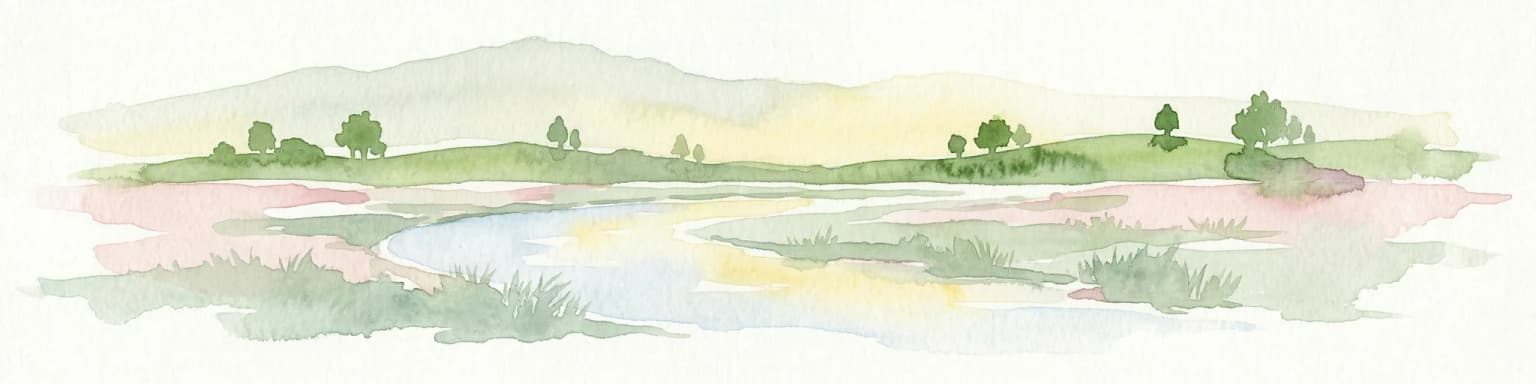
A Dutch wetland reserve on the Markermeer shore, famous for its breeding bird colonies and reclaimed polder marshland.
Lepelaarplassen
The Lepelaarplassen are a roughly 500 hectare nature reserve on the southern shore of the Markermeer, just outside the city of Almere in the Dutch province of Flevoland. Set within the young landscape of the Flevopolder, the area combines open water, reed beds, willow marsh, and wet meadows, and has functioned as a nature reserve since 1971. The reserve is part of an ecologically important chain of wetland areas along the Oostvaardersdijk that together guide migrating birds through the polder.
The site is most notable for its dense breeding bird colonies, including one of the largest cormorant colonies in the Netherlands and a substantial great egret colony. Since 2009 it has been a designated Natura 2000 area, and since 2018 it has formed a core zone of Nationaal Park Nieuw Land. Although the reserve is named after spoonbills, those birds no longer breed here and have largely shifted to the Wadden Islands; the area today is associated with a much broader mix of marsh and waterbirds, otters, and beavers.
Managed by the foundation Het Flevo-landschap, the area is shaped as much by active ecological management as by spontaneous nature development: sand islands have been enlarged for nesting birds, low dikes have raised water levels to expand marsh habitat, and shallow channels and broad reed fringes have been created to benefit bitterns and marsh harriers. A roughly 12 kilometre walking and cycling route circles the reserve and is open year round, while the inner zones are accessible only by guided walks outside the breeding season.