Malawi's largest and oldest wildlife reserve, set in miombo woodland along the Great Rift Valley escarpment above Lake Malawi
Nkhotakota Wildlife Reserve
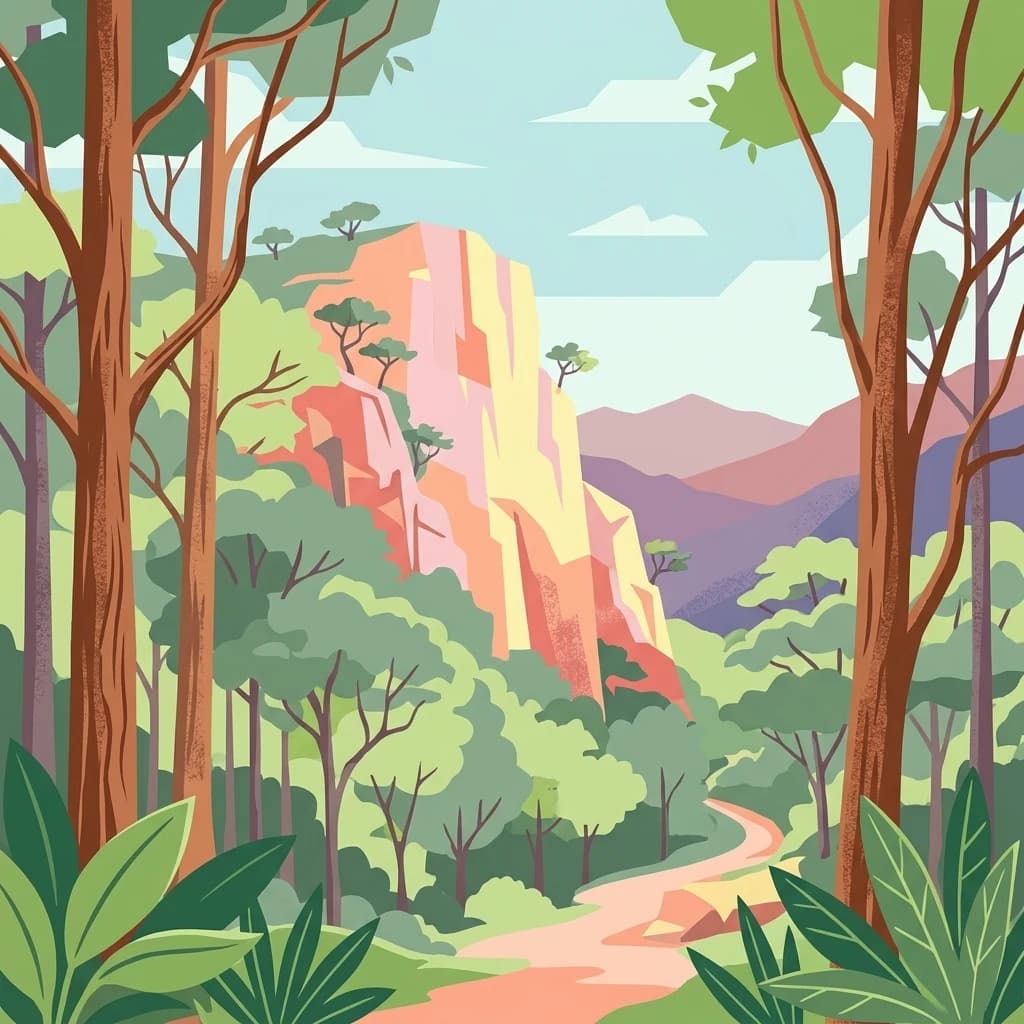
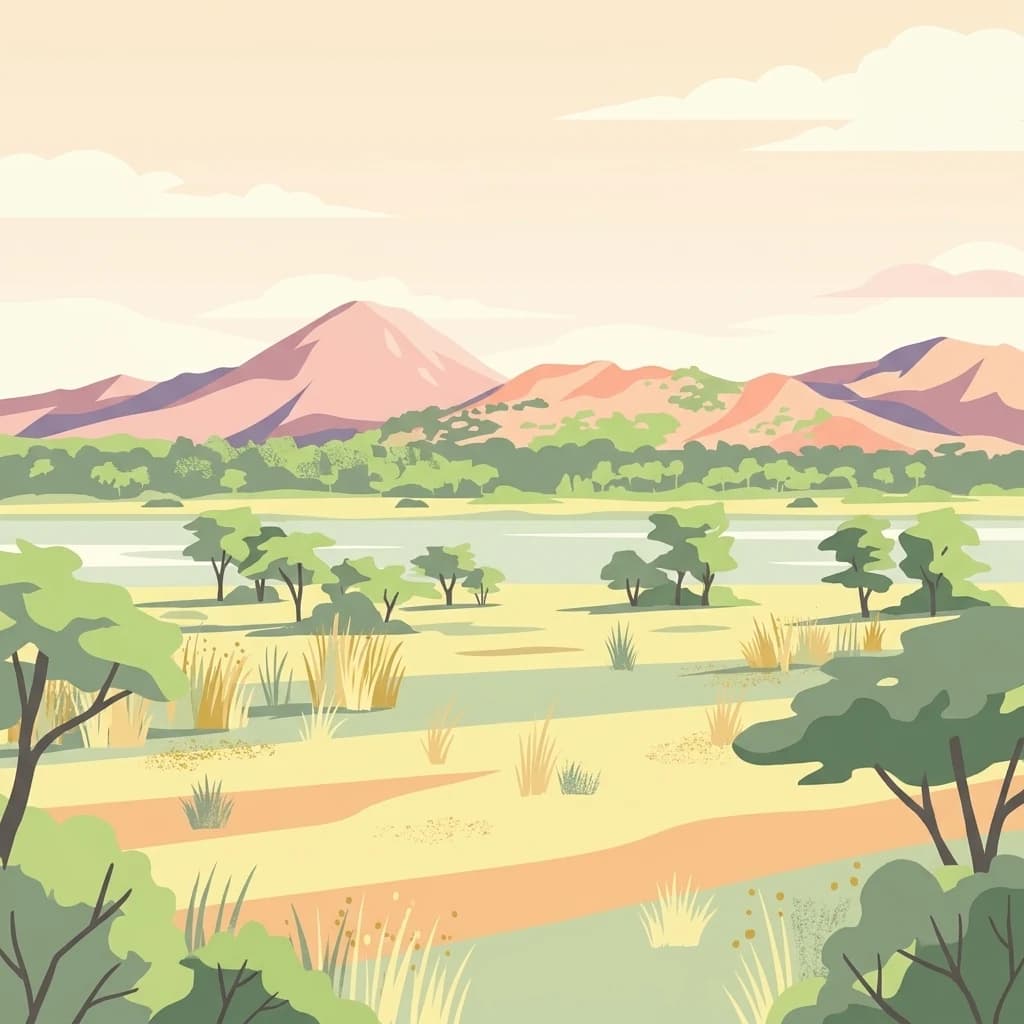
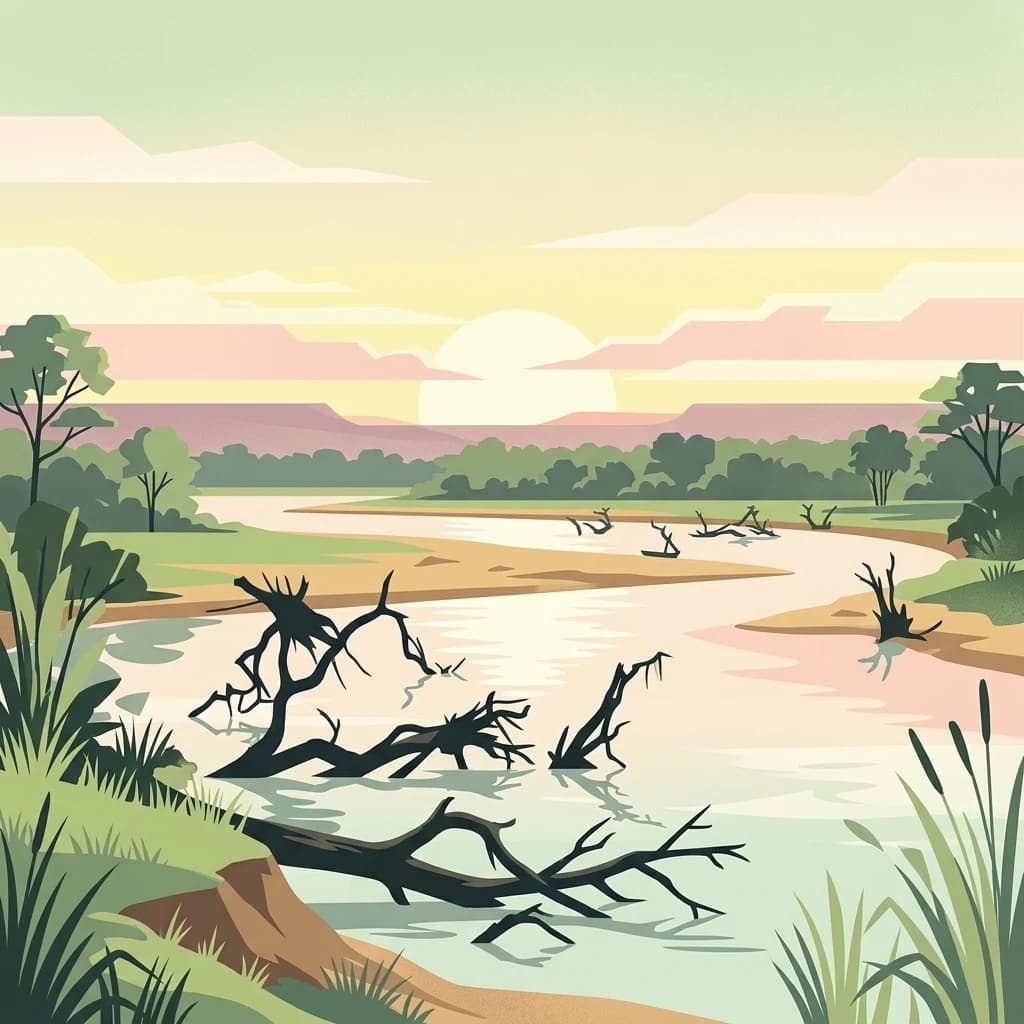
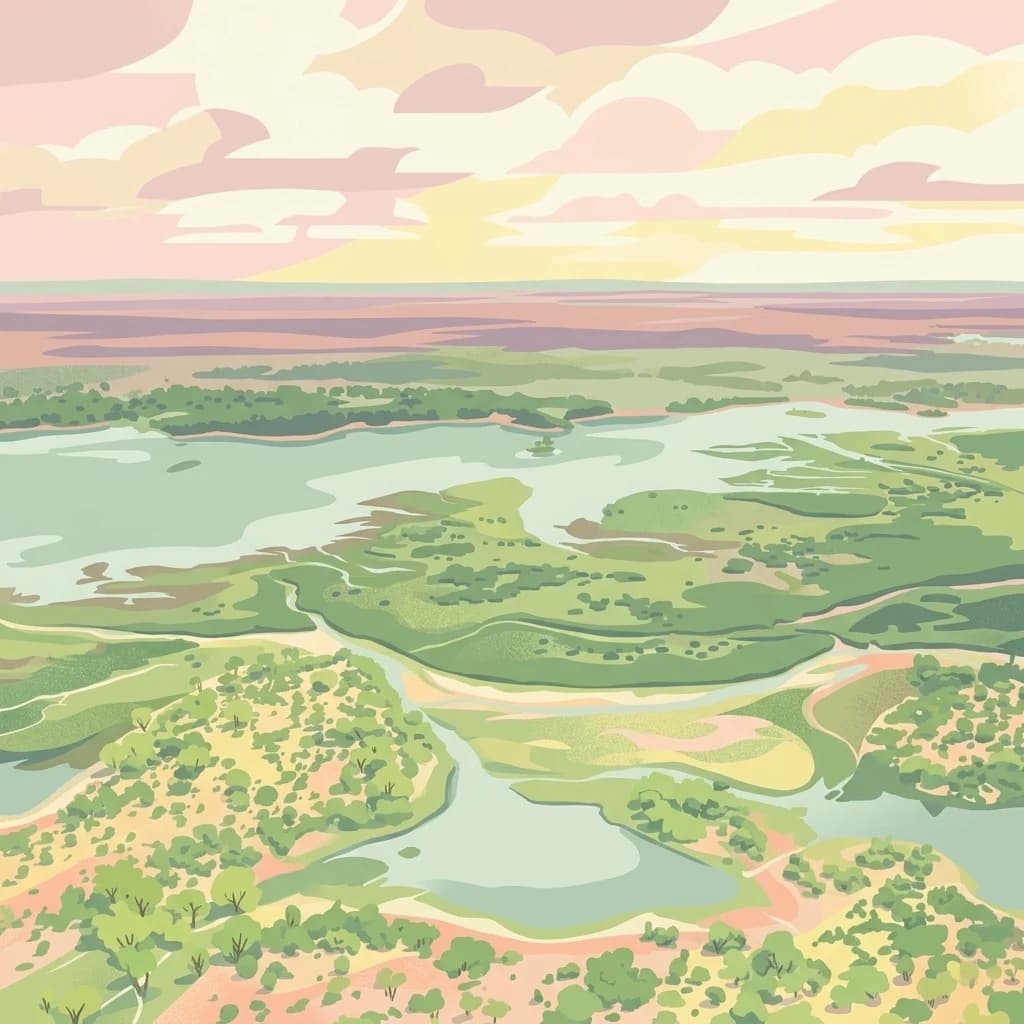
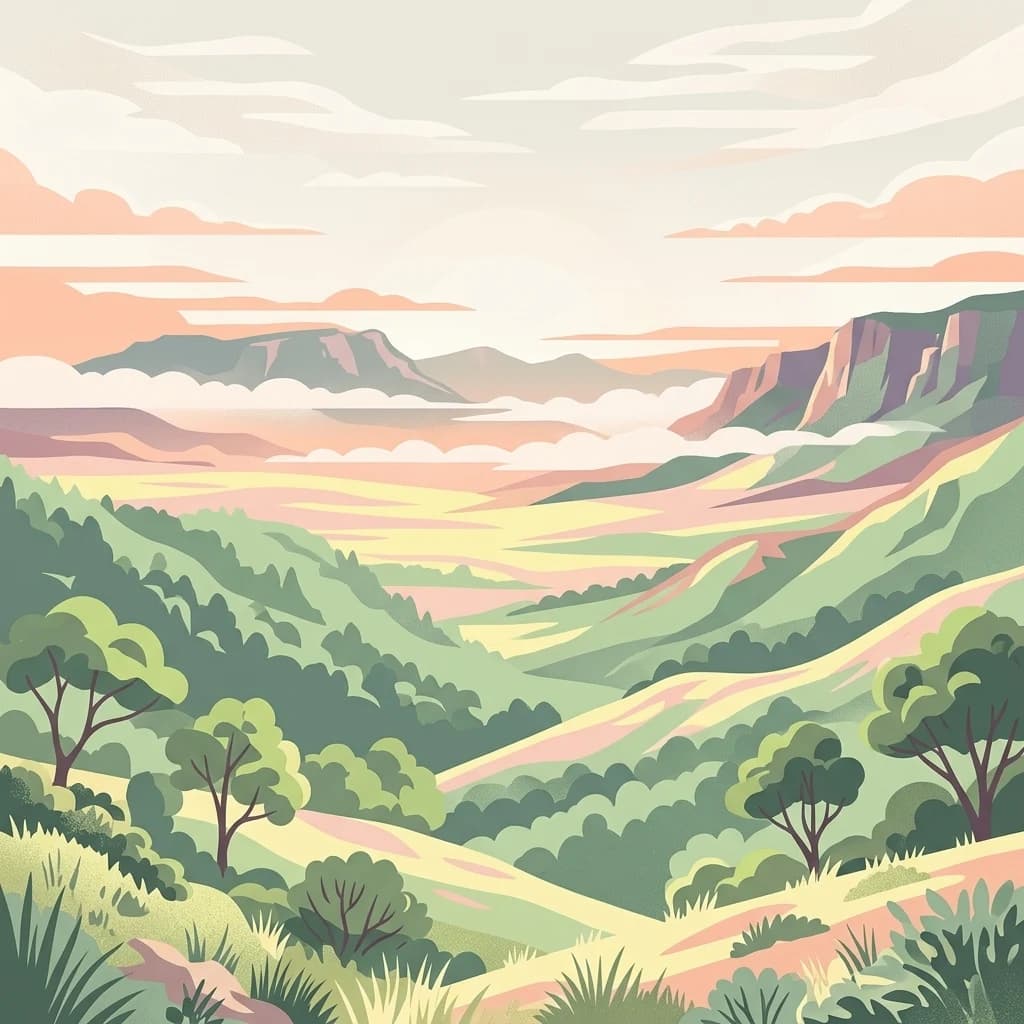
Nkhotakota Wildlife Reserve is the largest and oldest protected wildlife area in Malawi, situated near the town of Nkhotakota along the western edge of the Great Rift Valley above Lake Malawi. The reserve covers roughly 1,800 square kilometres of rugged terrain that descends from the Rift Valley escarpment to a narrow lakeside plain, with miombo woodlands and seasonal dambo wetlands forming the dominant vegetation. It supports a wide variety of mammals and bird species, and has become a flagship site for large-scale wildlife restoration in central Africa.
For decades, charcoal burning, logging, and heavy poaching pushed many animal populations to the brink, reducing the resident elephant herd from around 1,500 to fewer than 100 individuals by 2015. Since 2015, the nonprofit organization African Parks has managed the reserve under a long-term agreement with the Government of Malawi, rebuilding law enforcement, expanding the ranger force, and relocating more than 1,300 large mammals from Liwonde National Park and Majete Wildlife Reserve to rebuild viable breeding populations.
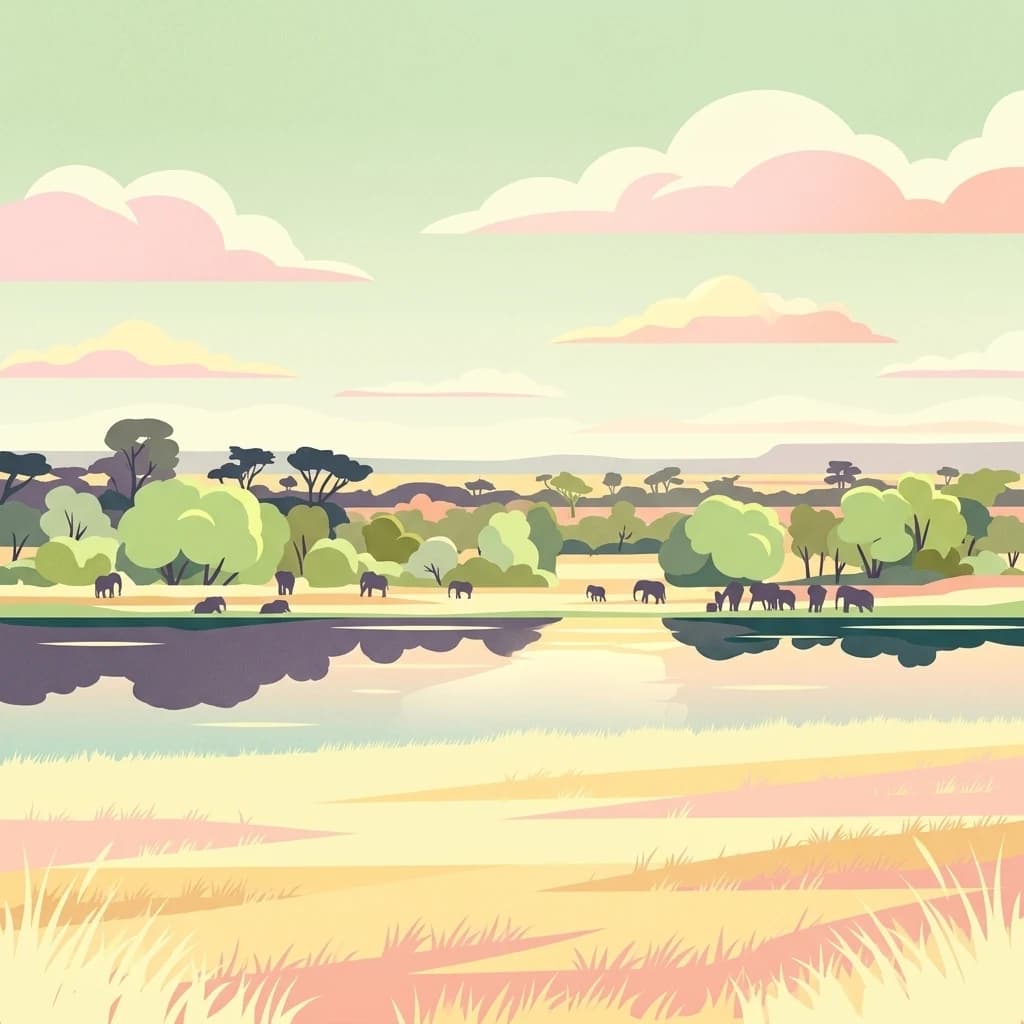
Today, Nkhotakota stands as one of the most important conservation stories in southern Africa: a once-depleted reserve that is being actively rewilded, with recovering populations of elephants, hippos, antelope, and a rich bird community of around 280 recorded species. It is also the only site in Malawi where the rufous trident bat is known to occur.