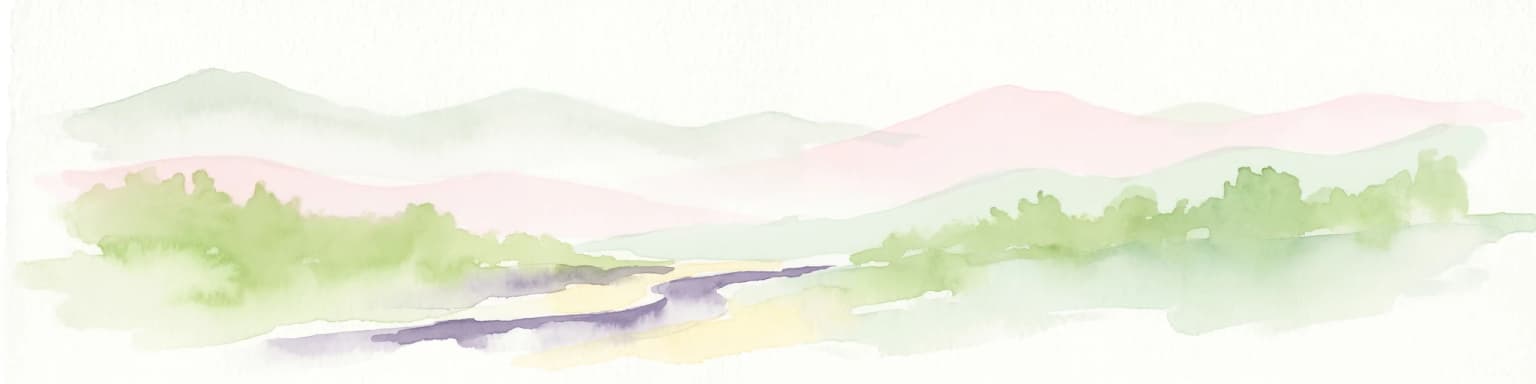
The palm-shaped Ramsar estuary of Kerala, second only to Vembanad and gateway to the state's famous backwaters.
Ashtamudi Lake
Ashtamudi Lake is a large, palm-shaped brackish estuary in the Kollam District of Kerala, India, and the second-largest estuarine system in the state after Vembanad. Its name comes from the Malayalam words for 'eight' and 'peaks' or 'arms', describing its branching topography that opens widely into the Arabian Sea at Neendakara. The lake was recognized as a wetland of international importance under the Ramsar Convention on 19 August 2002, anchoring its identity as one of South India's most significant coastal wetlands.
Ecologically, Ashtamudi is a brackish, tidally driven system fed primarily by the Kallada River and linked to neighbouring water bodies through canals. It supports mangrove forests, mudflats, islands, and a wide variety of resident and migratory birds, making it a key habitat for waterfowl and estuarine life. The lake is also deeply woven into Kerala's cultural and economic life, supporting fisheries, coir retting, inland navigation, and the iconic houseboat-based backwater tourism that defines the region around Kollam.