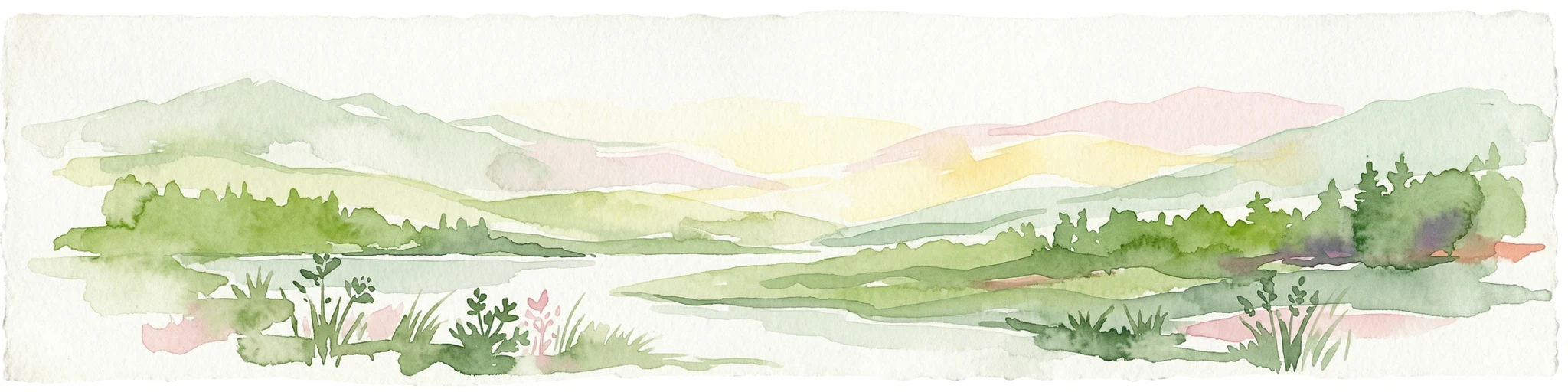
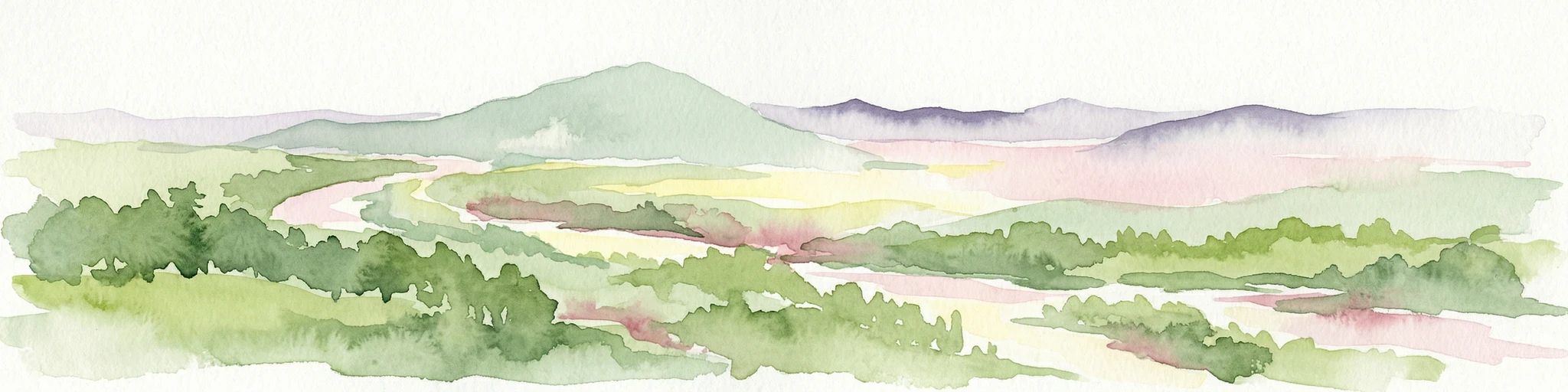
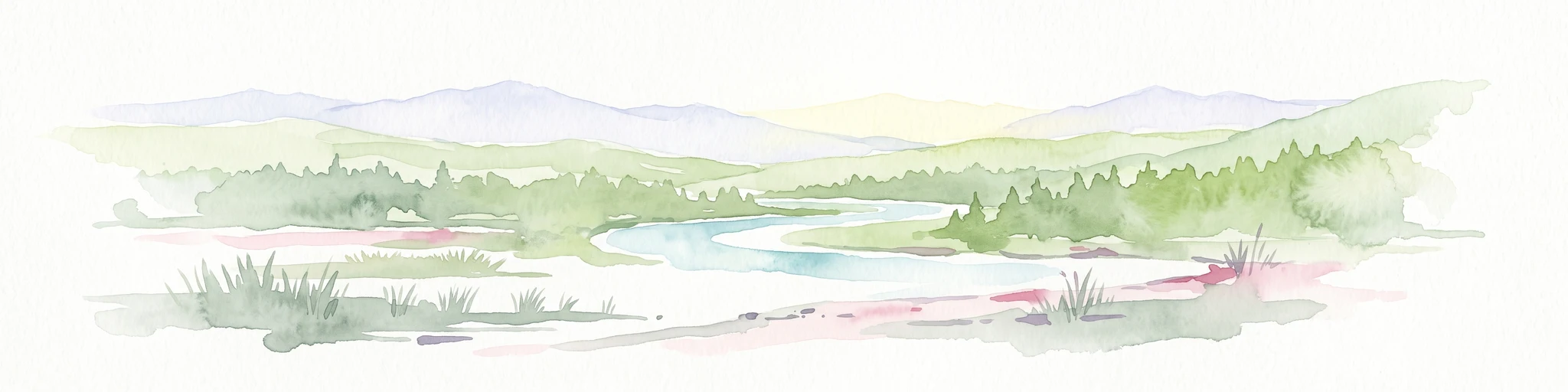
A protected stronghold of the Amur tiger in the Sikhote-Alin mountains of the Russian Far East.
Zov Tigra National Park
Zov Tigra National Park is a large protected area in the southern part of Primorsky Krai in the Russian Far East, straddling the Olginsky, Chuguyevsky, and Lazovsky districts. It protects a significant stretch of the Sikhote-Alin mountain range and the upper basins of the Ussuri, Milogradovka, and Kiyevka rivers, a landscape of forested slopes, alpine summits, and remote river valleys. The park is best known for its role as a refuge for the Amur tiger and for the rich mix of northern and southern plant and animal species typical of the southern Russian Far East.
Established as the first national park in the Russian Far East, Zov Tigra was created to conserve and restore natural complexes, support scientific research and ecological monitoring, and provide conditions for regulated tourism. Much of its territory has never been logged, allowing extensive tracts of cedar-broadleaf, fir-spruce-cedar, stone birch, oak, and mountain tundra vegetation to remain intact. Together with neighboring Lazovsky Nature Reserve, the park forms an important corridor for rare mammals, resident and migratory birds, and relic plant species.
The park's elevation spans from roughly mid-mountain river valleys up to Mount Oblachnaya, the highest peak in Primorsky Krai, giving Zov Tigra a striking vertical range that supports unusually diverse habitats in a relatively compact area. This combination of intact forests, rugged terrain, and strategic location between major tiger habitats makes the park a core component of conservation efforts in southern Sikhote-Alin.