Butrint National Park
Explore its unique geography and protected park boundaries.
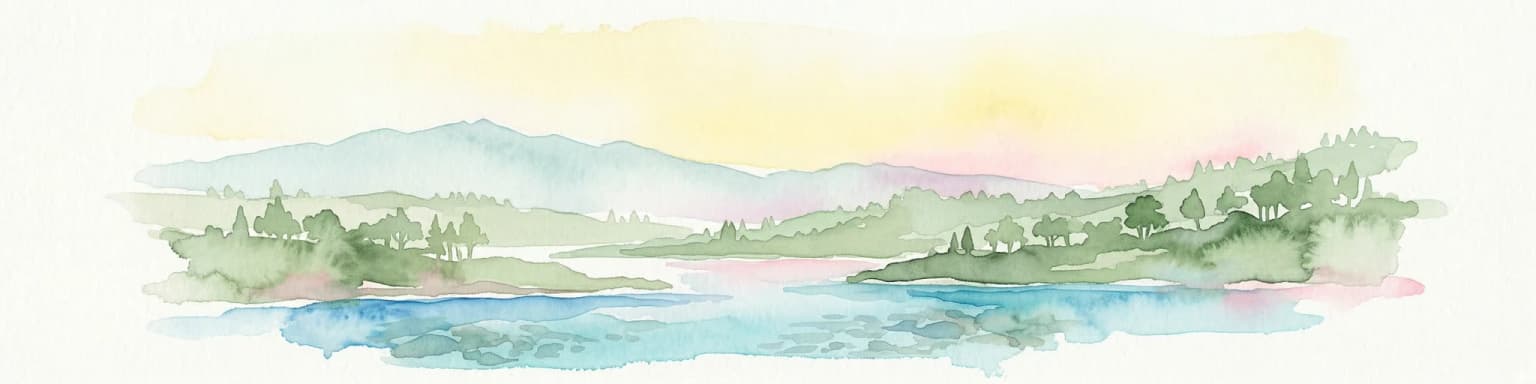
Butrint National Park, in Vlorë County, Albania. Landscapes: lakes, wetlands, and islands.
- Area
- 94.244 km²
- Established
- 2000
- IUCN
- II
- Relief
- Lowland
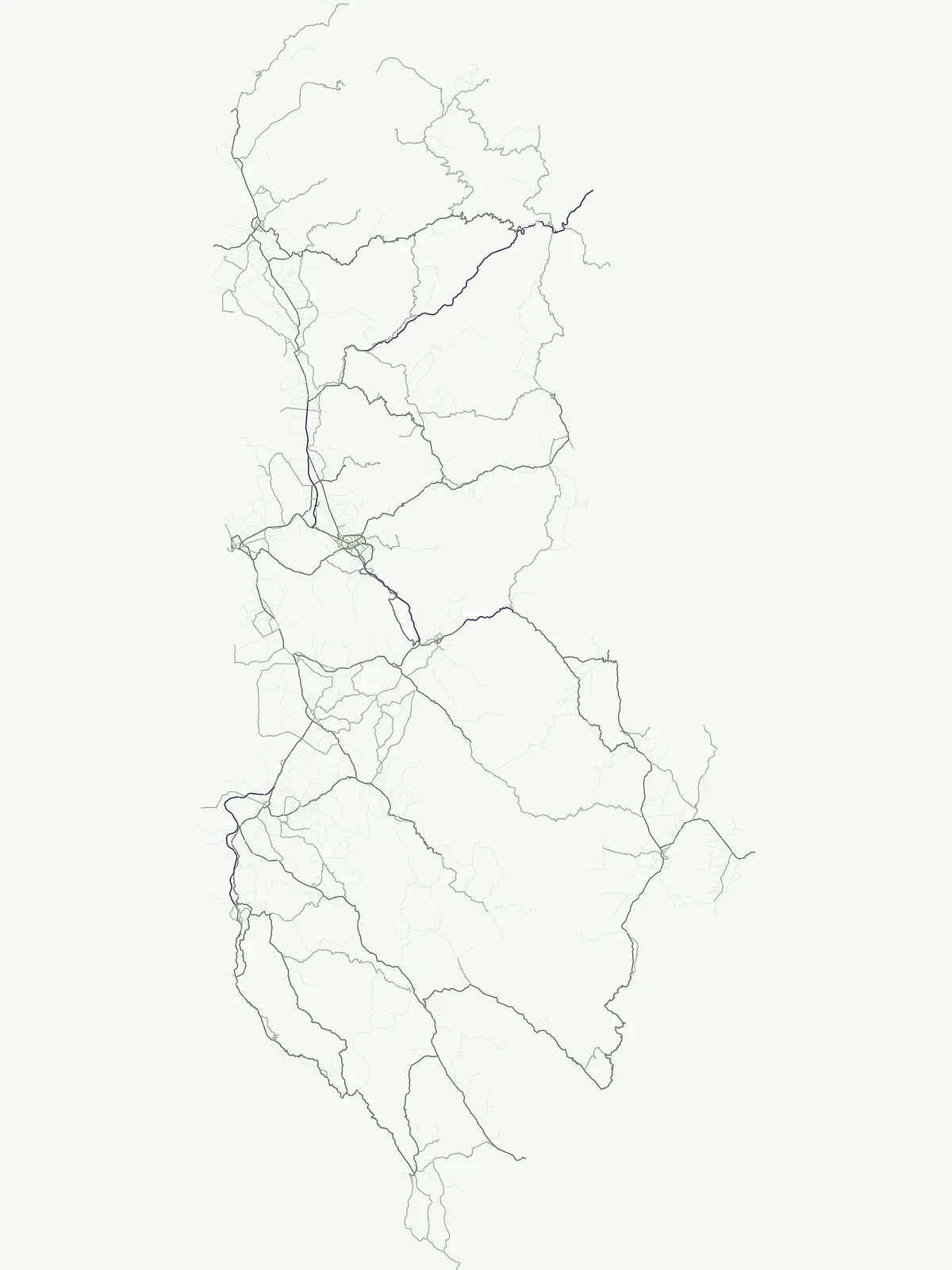
Browse the mapped geographic distribution of protected lands and natural landscapes.
Explore maps and profiles of protected areas in Albania, including Butrint and Primeval Beech Forests of the Carpathians and Other Regions of Europe.

Comparing conservation scale, historic designations, and habitat diversity across Balkan terrain
Known protected area
Area data available for 27 of 29 parks.
Median park size
Median across 27 parks with known area.
Discover the mapped spread of Albania's protected landscapes and conservation territories.
Albania is a unitary parliamentary republic in Southeast Europe, situated on the Balkan Peninsula along the Adriatic and Ionian coastal regions. With a population of approximately 2.4 million people, it borders Montenegro, Kosovo, North Macedonia, and Greece. The country features varied landscapes ranging from the Albanian Alps to fertile coastal plains, with Tirana as its capital and largest city.
Albania, officially the Republic of Albania, is a country in Southeast Europe occupying a strategic position on the Balkan Peninsula. It encompasses a coastline along the Adriatic and Ionian Seas of the Mediterranean Sea, sharing borders with Montenegro to the northwest, Kosovo to the northeast, North Macedonia to the east, and Greece to the south. The nation has a rich historical heritage dating back to Illyrian tribes and Greek colonial settlements, later becoming part of the Roman and Byzantine Empires. Modern Albania is a parliamentary republic with a diverse population predominantly of Albanian ethnicity.
Explore Albania's Diverse Protected Landscapes and Mapped Natural Territories

Explore its unique geography and protected park boundaries.
Butrint National Park, in Vlorë County, Albania. Landscapes: lakes, wetlands, and islands.

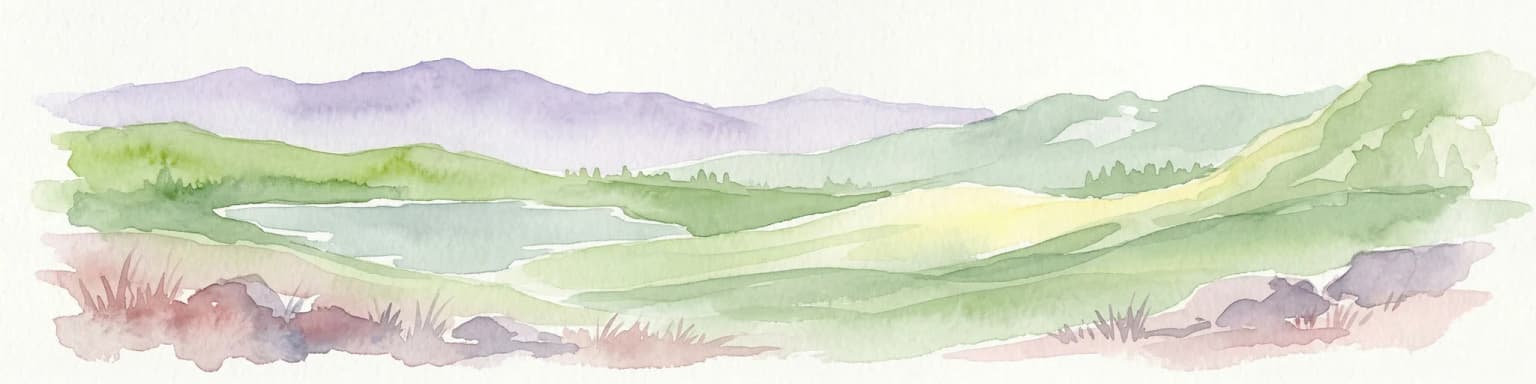
A transnational network of old growth beech forest reserves across Europe.
Examine the geographic distribution and protected boundaries of the Primeval Beech Forests of the Carpathians and Other Regions of Europe. This site highlights the continent's most intact beech forest ecosystems, illustrating essential ecological processes from the Balkans and Carpathians to the Alps and Western Europe.

Mapping dynamic canyons and vital river ecosystems in Gjirokastër County.
Vjosa Wild River National Park is recognized as Europe's first Wild River National Park, a groundbreaking designation protecting an entire river system from source to sea. This protected area in Gjirokastër County preserves remarkable topography, including dramatic canyons, natural rapids, and meandering islands, all shaped by the free flow of the Vjosa River and its tributaries. Explore the mapped boundaries and unique landscape context of this significant biodiversity hotspot, offering a crucial case study for river conservation and atlas discovery.

Mapping Albania's largest Mediterranean lagoon and its vital bird sanctuaries.
Divjakë-Karavasta National Park, in Albania. Landscapes: wetlands, coasts, and beaches.

Explore Albania's rugged national park geography and mapped terrain.
Llogara National Park stands as a vital protected area within Vlorë County, Albania, renowned for its spectacular Ceraunian Mountain topography. This page provides access to detailed geographic information, highlighting the park's unique landscape characteristics, from alpine peaks to coastal vistas. Discover the mapped extent of this national park and its significance within the regional geography, perfect for structured atlas exploration.

Explore the geography and mapped boundaries of this vital national park.
Prespa National Park, located in Korçë County, Albania, is a protected area characterized by its significant high-altitude tectonic lakes, dramatic mountain landscapes, and vital wetland habitats. This entry provides a structured atlas-style overview of the park's geographic identity, its protected landscape features, and its ecological importance, serving as a key point of reference for understanding this unique Balkan region.

Dramatic karst, glacial valleys, and high-altitude ecosystems await.
The Alps of Albania National Park offers an expansive view into one of the Balkans' most significant mountain protected areas. This national park encompasses a spectacular landscape characterized by towering limestone peaks, deep glacial valleys carved over millennia, and intricate karst formations like Grunas Canyon. Its pristine wilderness protects diverse high-altitude ecosystems and unique geological features, serving as a key destination for understanding regional geography and protected landscapes.

Rugged karstic relief and glacial mountain landscapes.
Discover the Accursed Mountains, a formidable high-mountain range in northern Albania known for its sheer limestone cliffs and profound glacial sculpting. This protected area provides a critical habitat for relict flora and fauna while maintaining one of the most intense relief profiles in the Balkans. Examine the mapped canyons, alpine cirques, and jagged ridges that shape this landmark range.

Dibër County's alpine protected area with unique glacial lakes.
Delve into the detailed geographic context and mapped protected area of Lurë-Dejë Mountain National Park, an essential natural landscape in Albania's Dibër County. This park is renowned for its rare chain of twelve glacial lakes, situated at high elevations amidst dramatic alpine terrain. Its protected status ensures the preservation of significant old-growth forest ecosystems, including the critically endangered Balkan pine, contributing to its recognition as an Important Bird and Plant Area. Explore the park's distinctive terrain, from its soaring mountain peaks to its unique alpine meadows, all within a comprehensive geographic atlas framework.

Explore the mapped terrain and diverse ecosystems of this significant national park.
Dajti Mountain National Park is a prime example of a protected mountain landscape central to Albania's geography. Situated near Tirana, its rugged karst topography, steep limestone ridges, and varied elevation create distinct ecological zones. This atlas-focused entry details the park's terrain, notable geological features like Pellumbas Cave, and its role as a significant protected area offering rich mapped landscape context.

Explore Albania's protected coastline and marine geography.
Karaburun-Sazan Marine Park, Albania's sole national park, offers a profound exploration of a unique protected landscape. This marine protected area combines the rugged Karaburun Peninsula, characterized by high limestone cliffs, with Sazan Island, Albania's largest island, known for its distinct geology and subtropical climate. The park's waters are critical habitats for endangered species, making it a significant site for marine biodiversity and regional geographic study. Discover the mapped boundaries and ecological context of this vital protected area.

Explore Elbasan County's significant mountain wilderness and protected natural features.
Shebenik National Park is a protected national park in Elbasan County, Albania, notable for its dramatic glacial terrain and extensive ancient forests. This park offers a deep dive into Albania's natural landscape, featuring 14 glacial lakes and serving as vital habitat. Its position within the Balkan Peninsula's geography makes it a key point of reference for understanding protected areas and mountain wilderness within a structured atlas.
Understand how Albania is shaped by terrain, ecosystems, and seasonal conditions
Albania occupies the western part of the Balkan Peninsula in Southeast Europe. The country features a varied terrain with rugged mountain ranges including the Albanian Alps (Accursed Mountains), Korab, Skanderbeg Mountains, Pindus, and Ceraunian Mountains. Fertile lowland plains extend along the Adriatic and Ionian coastal regions. The country borders Montenegro to the northwest, Kosovo to the northeast, North Macedonia to the east, and Greece to the south.
Albania's diverse landscapes support varied ecosystems across its mountainous and coastal regions. The Albanian Alps contain significant biodiversity, while the coastal areas feature Mediterranean vegetation. The country has several protected areas and national parks preserving its natural heritage.
Albania exhibits varied climatic conditions due to its diverse topography, ranging from Mediterranean conditions along the coast to more continental climates in the mountainous interior regions.
Related topics and popular queries
Visualize the geographic distribution of national parks and protected landscapes across Albania's varied terrain.
Understanding Albania's Diverse Protected Landscapes, from Ionian Coasts to Alpine Peaks
Compare Albania's Protected Landscapes with Neighboring Balkan States in the MoriAtlas Country Index
Parks and protected areas in Italy, including Cinque Terre and Gran Paradiso.
Parks and protected areas in Greece, including Northern Pindus and Vikos-Aoös.
Parks and protected areas in Romania, including Danube Delta and Retezat.
Parks and protected areas in Serbia, including Đerdap and Tara.
Parks and protected areas in Croatia, including Plitvice Lakes and Paklenica.
Parks and protected areas in North Macedonia, including Lake Ohrid and Mavrovo.
Parks and protected areas in Bosnia and Herzegovina, including Sutjeska and Una.
Parks and protected areas in Bulgaria, including Pirin and Central Balkan.
Protected area types
Deepen your understanding of Albania's protected lands by continuing to explore its classification categories. Discover how national parks and other designation types are mapped and organized across the country's varied terrain. This route is designed for focused geographic discovery, offering structured insights into the protected areas that define Albania's natural heritage.
Find a park and explore its geography, habitats, and monthly climate.