Mori Atlas logo
Protection category

Understanding the IUCN National Park definition and its application across Germany's protected landscapes.

Germany National Park Protected Areas: Exploring IUCN Category II in German Geography

Explore the specific meaning of IUCN Category II, known as National Park, and how it applies to Germany's protected lands. This route details the large natural or near-natural areas designated within Germany to safeguard ecological processes, characteristic species, and ecosystems, while supporting education, recreation, and compatible visitor use. Understand the mapped boundaries and geographic context of these significant protected areas across the nation.

Germany National Park Protected Areas: Exploring IUCN Category II in German Geography
Parks in this category

Browse mapped locations, diverse terrain, and conservation landscapes across Germany's designated National Park geography.

Germany's National Park Protected Areas: Explore a Comprehensive List for Atlas Discovery

Explore Germany's designated National Park protected areas, a filtered selection for discovering significant natural and near-natural landscapes across various ecoregions. Delve into the specific characteristics of each listed park, understanding their geographic spread, ecological processes, and conservation efforts within the German atlas.
Watercolor illustration of green rolling hills, pink and purple flowers, and distant mountains with a winding path
National parkSchleswig-HolsteinMarine

Schleswig-Holstein Wadden Sea National Park

Explore the mapped geography of this vital North Sea national park.

Schleswig-Holstein Wadden Sea National Park is a monumental protected area, recognized globally as a UNESCO World Heritage Site for its extraordinary tidal wetland ecosystem. This page offers detailed insights into its geographic scope, from the North Frisian Islands to the Elbe estuary, highlighting the dynamic interplay of mudflats, salt marshes, and coastal terrain. Discover the park's critical role as a migratory bird flyway and marine nursery, providing rich data for geographic and atlas exploration of this unique North Sea protected landscape.

4,410 km²1985TemperateEasy access
Watercolor painting of rolling hills, a forest, and a reflective lake under a soft sky
National parkGermanyMountain

Bavarian Forest National Park

Explore mapped terrain and protected park boundaries in Germany.

Bavarian Forest National Park, in Germany. Landscapes: mountains, forests, and woodlands.

242.45 km²1970BorealModerate access
Watercolor painting showing white chalk cliffs with green trees on the left, blue water below, and stones along the shore
National parkMecklenburg-Vorpommern

Jasmund National Park

Explore the protected geography of Mecklenburg-Vorpommern's Rügen island.

Jasmund National Park, in Mecklenburg-Vorpommern, Germany. Landscapes: cliffs, forests, and coasts.

30 km²1990TemperateEasy access
Watercolor painting of mountains with green trees and soft color gradients
National parkGermanyMountain

Saxon Switzerland National Park

Discover its mapped boundaries and regional landscape context.

Saxon Switzerland National Park, a protected national park in Germany, offers a distinct focus for geographic and atlas-based discovery. This page details the park's specific protected landscape, its mapped boundaries, and its contribution to the regional geography. MoriAtlas allows for in-depth exploration of such natural areas, providing essential context for understanding their place within broader natural systems and mapped terrains.

93.5 km²1990TemperateModerate access
Watercolor painting showing pine trees, winding path, and mountains in background
National parkLower SaxonyMountain

Harz National Park

Explore geographic boundaries and regional terrain.

Harz National Park, in Lower Saxony, Germany. Landscapes: mountains, forests, and woodlands.

247 km²2006TemperateModerate access
Watercolor illustration showing a winding path through a coastal landscape with green hills and colorful layers
National parkLower SaxonyMarine

Lower Saxon Wadden Sea National Park

Explore mapped boundaries, intertidal zones, and Lower Saxony's natural terrain.

Lower Saxon Wadden Sea National Park, in Lower Saxony, Germany. Landscapes: wetlands, beaches, and dunes.

345.8 km²1986TemperateModerate access
Watercolor illustration of mountain peaks, valleys, and a winding river
National parkBavariaMountain

Berchtesgaden National Park

Mapped natural terrain and protected area exploration.

Berchtesgaden National Park, in Bavaria, Germany. Landscapes: mountains, valleys, and lakes.

210 km²1978AlpineModerate access
Watercolor illustration of a small lake surrounded by green hills, trees, and wildflowers
National parkMecklenburg-Vorpommern

Müritz National Park

Germany's largest national park: mapped boundaries and terrain.

Müritz National Park, in Mecklenburg-Vorpommern, Germany. Landscapes: forests, lakes, and wetlands.

318 km²1990TemperateII
Watercolor illustration of a winding river through a forested landscape with green and pink foliage
National parkThuringia

Hainich National Park

Regional geography and primeval forest boundaries

Hainich National Park, in Thuringia, Germany. Landscapes: forests, woodlands, and grasslands.

75 km²1997TemperateEasy access
Watercolor painting of a winding river with green and pink hues flowing through marshy areas
National parkHamburgMarine

Hamburg Wadden Sea National Park

Explore the mapped geography of this unique coastal national park.

Hamburg Wadden Sea National Park, in Hamburg, Germany. Landscapes: coasts, dunes, and islands.

137.5 km²1990Moderate accessII
Watercolor illustration showing green mountains, a purple lake, and a pink and yellow sky
National parkHesseMountain

Kellerwald-Edersee National Park

Mapped boundaries and geographic context for this German national park.

Kellerwald-Edersee National Park, in Hesse, Germany. Landscapes: mountains, hills, and forests.

76.88 km²2004TemperateModerate access
Watercolor illustration of a forested mountain landscape with green trees, a winding path, and pink-tinged sky
National parkBaden-WürttembergMountain

Black Forest National Park

Explore the mapped boundaries and landscape context of this protected area.

Black Forest National Park, in Baden-Württemberg, Germany. Landscapes: mountains, lakes, and rivers.

100.62 km²2014TemperateII
Watercolor painting of a winding road through green mountains and pink yellow wildflowers
National parkNorth Rhine-Westphalia

Eifel National Park

Explore mapped boundaries and regional geography.

Eifel National Park, in North Rhine-Westphalia, Germany. Landscapes: forests, woodlands, and hills.

107 km²2004TemperateModerate access
Watercolor illustration of a winding river through green fields with trees and distant hills under a pale sky
National parkBrandenburg

Lower Oder Valley National Park

Discover protected area maps and regional geography in Brandenburg

Lower Oder Valley National Park, in Brandenburg, Germany. Landscapes: rivers, wetlands, and grasslands.

103.23 km²1995TemperateModerate access
Watercolor painting showing a yellow sun, green trees on a hill, and a winding path with blue water
National parkMecklenburg-VorpommernMarine

Western Pomerania Lagoon Area National Park

Explore its mapped boundaries and unique Baltic Sea coastal geography.

Western Pomerania Lagoon Area National Park is a vital protected landscape in Mecklenburg-Vorpommern, renowned for its complex network of peninsulas, islands, and extremely shallow brackish 'bodden' waters. This page serves as an atlas entry, detailing the park's geographic features, its distinctive wind-driven water level fluctuations, and its ecological importance as a major migratory bird staging area. Users can investigate the mapped extent of this significant German national park and understand its unique place within the regional geography.

805 km²1990TemperateII
Watercolor illustration of a forested mountain with a winding path
National parkSaarlandMountain

Hunsrück-Hochwald National Park

Explore the mapped terrain and protected geography of this German national park.

Delve into the specific geography and protected landscape of Hunsrück-Hochwald National Park in Saarland. This detail page provides an atlas-centric view of the park's mapped boundaries, regional context, and its role as a national park. It serves as a foundational point for understanding the park's landscape features and its placement within the broader geographic atlas.

100 km²2015TemperateModerate access
Country pattern

Explore how Germany's National Park sites safeguard ecological processes and representative species.

Germany's National Park Protected Areas: Exploring IUCN Category II Conservation Landscapes

National Parks in Germany represent large natural or near-natural protected areas established to conserve extensive ecological processes, characteristic species, and ecosystems across various German landscapes. These sites balance strong conservation mandates with opportunities for education, research, and compatible public engagement, reflecting the core principles of IUCN Category II.

Matching parks

16

These parks and protected areas currently define how National Park appears across Germany.

Category focus

A large natural or near-natural protected area managed to safeguard ecological processes, characteristic species, and ecosystems while also supporting education, recreation, and compatible visitor use.

Representative parks

Schleswig-Holstein Wadden Sea National ParkBavarian Forest National ParkJasmund National ParkSaxon Switzerland National ParkHarz National ParkLower Saxon Wadden Sea National ParkBerchtesgaden National ParkMüritz National ParkHainich National ParkHamburg Wadden Sea National Park
Management profile

Ecosystem protection

National Park

IUCN Category II is one of the most widely recognized protected-area categories in the world because it brings together strong ecosystem protection and public-facing values. A National Park is meant to conserve large-scale ecological processes and representative species and ecosystems, but it is also expected to support compatible spiritual, scientific, educational, recreational, and visitor opportunities. This makes Category II especially important for countries that want protected areas to function both as core conservation landscapes and as places where people can meaningfully experience nature without undermining long-term ecological goals.

Definition

A National Park is a large natural or near-natural protected area established to protect large-scale ecological processes, along with the complement of species and ecosystems characteristic of the area, while also providing a foundation for environmentally and culturally compatible spiritual, scientific, educational, recreational, and visitor opportunities. The category is used for places where conservation remains primary, but where public engagement is an accepted and often important secondary function. The defining balance is not unrestricted access, but carefully managed access compatible with ecosystem protection.

Key characteristics

Category II areas are typically large enough to sustain important ecological functions and to protect more than a single feature or species. They often contain broad habitat mosaics, major watersheds, mountain systems, forests, savannas, coastal landscapes, wetlands, marine systems, or other extensive environments where ecological processes operate across scale. Unlike stricter categories, National Parks usually include a visitor dimension, which may involve trails, viewpoints, interpretation, education, and controlled recreation. However, the category is not meant for heavily urbanized tourism landscapes or places managed mainly as leisure destinations. Its defining character lies in ecosystem-scale conservation, representative natural values, and public use that is shaped around ecological limits rather than the other way around.

Management focus

Management in National Parks generally combines ecosystem protection, visitor planning, interpretation, and long-term stewardship. Managers may use zoning, visitor infrastructure, transport controls, habitat restoration, species protection measures, fire or water management, invasive species control, and education programmes to reconcile conservation with public access. Active management may be required where landscapes have been altered or where visitor pressure is high, but the overriding test is whether actions support the park's ecological purpose. Well-managed Category II areas often balance access and restraint, allowing people to learn from and enjoy the protected area while keeping large-scale ecological processes, characteristic species, and natural systems at the center of decision-making.

Protection purpose

The purpose of Category II is to conserve large natural or near-natural areas in a way that secures ecosystem processes and biodiversity over the long term, while also providing people with opportunities for learning, inspiration, recreation, and connection to nature that remain compatible with conservation.

Management objective

Typical objectives include protecting functioning ecosystems at scale, conserving native species and ecological processes, maintaining scenic and natural values, supporting research and environmental education, providing well-managed visitor access and recreation, restoring degraded areas where necessary, and preventing incompatible development or extractive uses that would undermine the park's long-term ecological integrity.

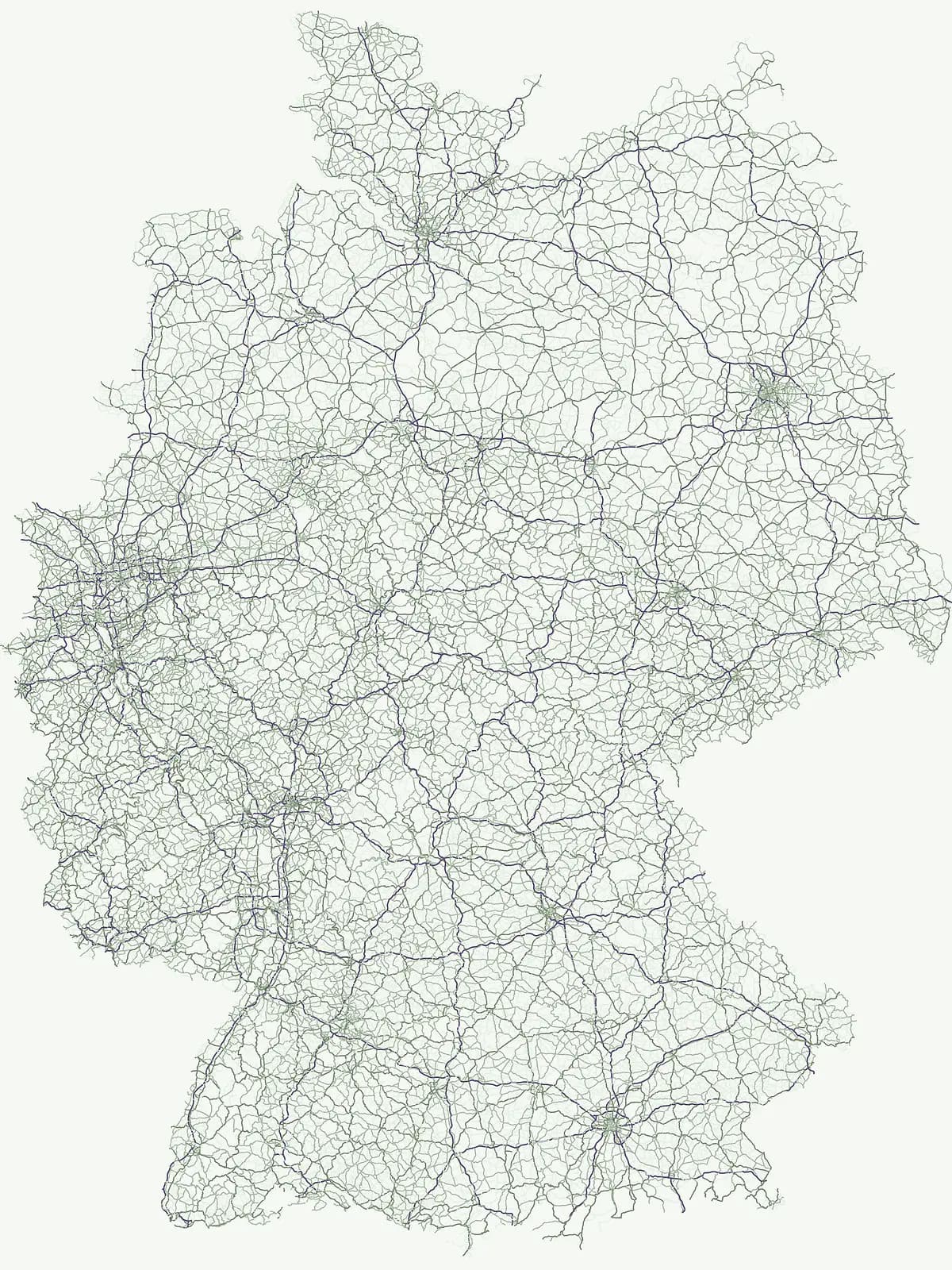
Global context

Wider background behind National Park

This reference block covers the broader history and global examples that define National Park as an IUCN management category, rather than the country-specific park pattern shown elsewhere on the page.

Category history

The National Park idea has deep roots in nineteenth- and twentieth-century conservation, when governments began setting aside large landscapes for protection from settlement, resource extraction, and landscape transformation. Over time, the concept evolved from scenic reservation toward broader ecosystem conservation. Within the IUCN management category system, Category II became the principal international framework for protected areas that are large, ecosystem-focused, and publicly legible as major conservation landscapes. Although national park names and legal traditions differ widely from country to country, the category helps distinguish those areas managed primarily for ecosystem protection and compatible visitation from both stricter reserves and more human-shaped protected landscapes.

Global examples

Representative examples often include world-famous large protected areas such as Yellowstone National Park in the United States, Serengeti National Park in Tanzania, Torres del Paine National Park in Chile, and many other nationally designated parks whose management priority is ecosystem protection combined with compatible public use. Not every site named 'national park' is automatically IUCN Category II, but the category is widely associated with large, iconic protected areas where conservation and carefully managed visitation are both central.

More categories

Compare Germany's diverse conservation landscapes and discover the full range of protected areas mapped nationwide.

Explore Other IUCN Protected Area Categories in Germany Beyond National Parks

Browse Germany's protected areas across diverse IUCN categories, moving beyond National Parks to include key Habitat/Species Management Areas and other specific conservation landscapes. Comparing these distinct classifications reveals Germany's varied environmental protection strategies and the unique management goals applied to each natural region.

IUCN category iv

Habitat/Species Management Area

A protected area managed mainly to protect particular species or habitats, often through targeted, regular, or adaptive conservation interventions.

Example parks

Georgenfelder Hochmoor, Dubringer Moor, Alter Stolberg, Meerfelder Maar, Stoffelskuppe, Naturschutzgebiet Schlangenberg, Werra bis Treffurt mit Zuflüssen, Naturschutzgebiet Perlenbach-Fuhrtsbachtal, Leutratal und Cospoth, Wupper bei Radevormwald

IUCN category v

Protected Landscape/Seascape

A protected area where the long-term interaction of people and nature has created a distinct landscape or seascape with significant ecological, cultural, and scenic value.

Example parks

Naturpark Lüneburger Heide, Bienwald, Sommerschafweide hinter dem Hockenden Stein, Auchtweide, Neuffen auf Gemarkungen Neuffen und Kappishäusern, Oberes Starzeltal und Zollerberg, Wagensteigtal-Höllental, Heckengäu-Weil der Stadt, Plenter- und Femelwälder, Grafenhausener Kirschengau, Groppertal

Common questions about Germany's national park geography and protected area distribution.

Frequently Asked Questions About National Parks in Germany: Understanding Protected Landscapes

Gain answers to common questions regarding Germany's national parks, their geographic distribution, and the broader context of protected natural areas. Discover foundational knowledge about specific park types, conservation efforts, and regional park significance across the diverse German landscape.
MoriAtlas Explorer

Germany: park list

Open the park list for Germany to explore locations and park characteristics.