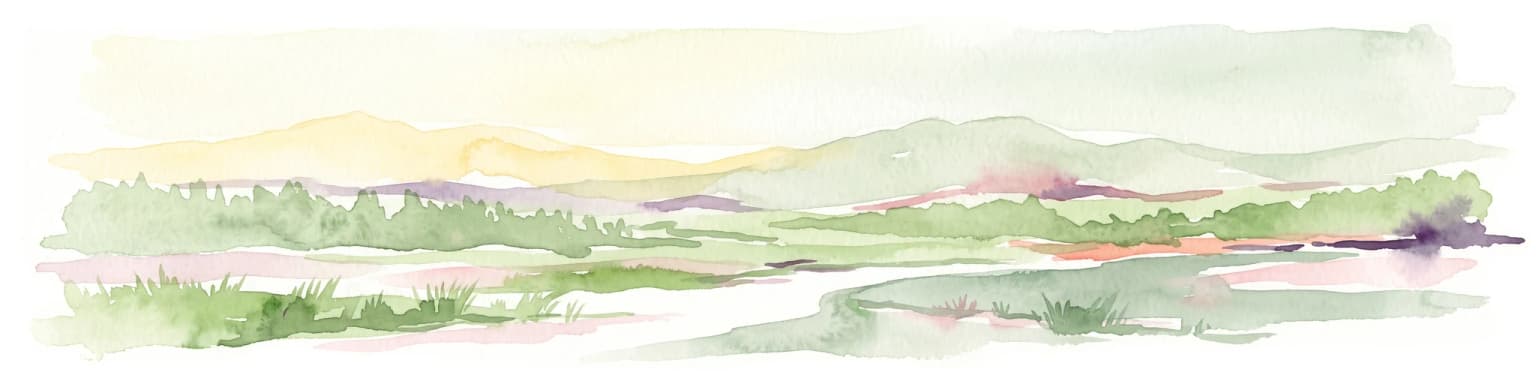
A freshwater wetland in semi-arid Gujarat, renowned for flocks of flamingos and breeding sarus cranes.
Thol Lake Wildlife Sanctuary
Thol Lake Wildlife Sanctuary is a freshwater wetland located in the semi-arid landscape of Mehsana District in the Indian state of Gujarat. Built in 1912 as an irrigation tank under the Gaekwad rulers of Baroda, the lake was later notified as a bird sanctuary in November 1988 under the Wildlife (Protection) Act, 1972, and is now managed under the joint oversight of the Forest and Irrigation departments of the Government of Gujarat.
The sanctuary is defined by an open water habitat surrounded by cropland, fallow land, and dry deciduous scrub, creating a productive environment for resident and migratory waterbirds. It shelters roughly 150 bird species, around 60 percent of which are waterbirds, making it one of the most important inland wetlands in the region. Beyond its birdlife, the area hosts mammals such as blackbuck, bluebull, and golden jackal amid a habitat mosaic of thorny shrubs, marshy vegetation, and cultivated fields.
Thol is regarded as the most popular birding destination near Ahmedabad after Nal Sarovar, drawing naturalists, photographers, and conservation visitors. It has also been proposed as an Eco-Sensitive Zone under the Environment (Protection) Act, 1986, reflecting its ecological importance in a state where freshwater wetlands are scarce.