Mori Atlas logo
Protection category

Explore localized conservation sites established to preserve distinct geological formations, unique landforms, and significant natural features.

Natural Monument or Feature Protected Areas and Geographical Landmarks across Czechia

The Natural Monument or Feature category focuses on the preservation of specific, identifiable natural elements that carry high scientific, ecological, or scenic importance. Throughout the diverse landscape of Czechia, these protected areas safeguard singular landmarks such as geological outcrops, caves, and ancient tree stands. This geographic dataset allows for the structured exploration of these designated sites, providing insight into their role within the broader Czech protected-area network and their immediate environmental context.

Natural Monument or Feature Protected Areas and Geographical Landmarks across Czechia
Parks in this category

Explore 67 protected natural monuments and geological formations across Czechia.

Czechia Natural Monument or Feature Parks and Protected Areas

Browse sixty-seven protected natural monuments, geological structures, and distinct landscape features across Czechia. Filtered park lists help researchers and conservationists examine specific landforms, wetlands, and botanical reserves in regional detail.
Natural monumentMoravskoslezský krajMountain

Uhlířský vrch

A preserved volcanic cone featuring historic pilgrimage architecture.

Located in the Nízký Jeseník highlands, Uhlířský vrch represents one of the youngest extinct volcanoes in the Czech Republic. The protected area centers on a former tuff quarry revealing basaltic history, while the summit preserves a significant Baroque pilgrimage landscape, including a historic linden avenue and views extending toward the Hrubý Jeseník.

0.035 km²1966TemperateEasy access
Natural monumentKarlovarský krajMountain

Vlčí jámy

Ore Mountains mining collapse and relict microclimate landscape

Vlčí jámy protects a rare intersection of medieval mining history and environmental significance in the Karlovarský kraj. The site is defined by two deep collapse features, Ledová jáma and Vlčí jáma, which function as persistent cold traps. These geological anomalies support critically endangered mosses and bat colonies, illustrating how abandoned industrial landscapes in the Ore Mountains evolve into essential, small-scale protected habitats.

0.014 km²1975AlpineModerate access
Nature reservePraha 5

Prokopské údolí

A limestone karst landscape situated within the Praha 5 district

Prokopské údolí is an essential protected nature reserve in Praha 5, featuring a deep limestone valley that serves as a globally significant site for Paleozoic fossils and karst geography. This protected landscape encompasses a range of habitats including rock steppes, thermophilic woodlands, and volcanic outcrops, providing a unique look at urban-adjacent nature conservation and historical limestone quarrying within the Czech Republic.

1.71 km²1978TemperateEasy access
Natural monumentJihočeský kraj

Slepičí vršek

Protected psammophilous landscape in Jihočeský kraj

Slepičí vršek represents a distinct eolian feature within the broader Třeboňsko landscape, characterized by its dry, undulating sandy soil and rare vegetation. This protected monument offers a clear case study for understanding inland dune development and the specialized biodiversity of relict habitats within the South Bohemian Region.

0.019 km²1955TemperateEasy access
Nature reserveStředočeský kraj

Vlčí rokle

Mapping protected natural monument boundaries and ancient woodland remnants

Explore the geological and botanical features of Vlčí rokle, an exceptional nature reserve set within the Středočeský kraj. This protected area safeguards a fragment of ancient beech forest and a granite-boulder-strewn ravine, representing a classic example of central Bohemian geological and ecological heritage.

0.085 km²1990TemperateEasy access
Natural monumentStředočeský kraj

Vrškámen

Geological preservation in the Středočeský kraj region

Vrškámen is a significant natural monument defined by its massive porphyritic syenite boulder. This compact protected site highlights the erosion history of the Central Bohemian Pluton. It functions as an essential reference for geologists interested in the residual rock forms of the Vlašimská pahorkatina hill country and the broader Sedlčansko geological landscape.

1977TemperateIIINo major water
Natural monumentStředočeský kraj

Veltrusy

English-style designed landscapes and floodplain ecological habitats.

Veltrusy Natural Monument is a protected area located on the right bank of the Vltava River, defined by its horseshoe-shaped layout and mosaic of oak-beech woodlands. The site represents a rare intersection of cultural heritage and nature conservation, preserving veteran trees that support significant invertebrate populations. Its geography consists of gently undulating floodplain terrain shaped by the Mlýnský potok, historic avenues, and managed meadows.

2.555 km²2013TemperateEasy access
Natural monumentOlomouc RegionMountain

Vodopády Stříbrného potoka

Geomorphological landmark within the Rychlebské hory mountain range

Vodopády Stříbrného potoka is a protected natural monument in the Czech Republic, encompassing a narrow, steep-sided valley defined by bedrock cascades. This compact site highlights mountain stream geomorphology and serves as a significant feature in the Rychlebské hory, offering insight into the distinctive eroded terrain of the Jeseník District.

0.017 km²1965TemperateEasy access
Natural monumentPrague

Radotínské skály

Geological profiles and steppe biodiversity near the capital.

Radotínské skály stands as a key protected area in Prague, showcasing an internationally significant stratigraphic record of the Prague Basin. From exposed rock walls to warm-loving forest-steppe communities, the site offers a detailed look at how geological heritage persists alongside urban development, making it an essential destination for those exploring the regional geography of the Czech Republic.

0.277 km²1988TemperateEasy access
Natural monumentLiberec Region

Martinské stěny

Geomorphology and sandstone terrain in the Liberec Region

Martinské stěny features a prominent quartz sandstone cliff wall shaped by geological forces in the Bohemian Cretaceous Basin. This natural monument serves as a key protected area for heath and lichen communities, representing the unique cliff-side geography found throughout the Liberec Region in the northern Czech Republic.

0.032 km²2002TemperateEasy access
Natural monumentPlzeňský kraj

Malesická skála

Protecting rare sedimentary rock formations and oak-pine forest habitats

Malesická skála serves as a significant geological reserve, protecting a unique elliptical rock pillar that reveals the history of Carboniferous stream currents. Visitors can study the complex surface textures formed by iron-bearing cementation, including dramatic rock caps and weathered ledge systems. The surrounding woodland, characterized by an oak-pine bilberry forest, provides an essential natural context for this rare Bohemian landmark.

1974TemperateEasy accessIII
Natural monumentMoravskoslezský kraj

Váňův kámen

Geological outcrops and forest terrain in the Sub-Beskydy Hills

Váňův kámen presents a sharp, pyramid-shaped Jurassic limestone formation that breaks the rolling topography of the Sub-Beskydy Hills. This 0.78-hectare protected site preserves vital evidence of prehistoric coral reefs alongside significant archaeological layers and historical markers. Its unique position as a natural, historical, and geological feature makes it a focal point for understanding the diverse landscape composition of the Czech Moravian-Silesian Region.

0.008 km²1993TemperateEasy access
Natural monumentStředočeský kraj

Vinařická hora

Key protected area and geological landmark in the Středočeský kraj region.

Vinařická hora is a compact, asymmetric hill serving as a vital natural monument for the study of Tertiary volcanic processes and dry-slope plant communities. Its abandoned quarries provide a clear stratigraphic record of ash and lava, while its summit offers panoramic views across the central Bohemian plateau. This site represents a convergence of deep geological history and specialized modern habitat preservation.

0.684 km²1985TemperateEasy access
Natural monumentPrague

Rohožník – lom v Dubči

Analyzing the Ordovician quartzite and tectonic rock exposures of the Prague Plateau

Rohožník, lom v Dubči serves as a crucial natural monument in the Prague region, protecting abandoned quarries that showcase clear M-shaped tectonic folds and thick quartzite deposits. This site acts as a living laboratory for geological history, connecting archaeological finds with dry grassland communities in an otherwise suburban-agricultural landscape on the edge of the capital.

0.034 km²1988TemperateEasy access
Natural monumentÚstecký kraj

Sluňáky

A preserved quartzite boulder field in the Ústecký kraj

Sluňáky represents a vital geological record within the Czech Republic, encompassing a distinctive group of silicified sandstone boulders. This natural monument serves as an important protected territory that illustrates the intersection of Tertiary geology and historical industrial extraction. The surrounding terrain reflects the complex volcanic and sedimentary history of the Doupovské hory foothills.

0.032 km²1966SubtropicalEasy access
Natural monumentMoravskoslezský kraj

Meandry Lučiny

Natural river meanders in the Moravian-Silesian landscape

This protected natural monument preserves a vital lowland river corridor where the Lučina River flows in an unregulated course. Through its shifting meanders and diverse floodplain habitats, the area highlights the ecological importance of maintaining natural hydrological processes in a heavily urbanized region of the Czech Republic.

0.406 km²1992TemperateEasy access
Nature reserveJihomoravský kraj

Rybičková skála

A preserved Permian fossil site in the Boskovice Furrow

Rybičková skála acts as a vital reference point for Permian sedimentary studies in central Europe. The site features a 40 meter cliff exposing mudstones and siltstones rich in fish fossils. Framed by mixed oak-hornbeam forests and rural Moravian farmland, this compact reserve represents a convergence of deep geological time and traditional landscape character.

0.001 km²1980TemperateEasy access
Natural monumentMoravskoslezský kraj

Věřňovice

Geographic overview of the Olše river terrace habitat.

Located near the Czech-Polish border, Věřňovice serves as a vital protected natural monument featuring well-preserved floodplain forest communities. This compact site offers deep insights into river terrace geomorphology and local woodland distribution, characterized by a diverse mosaic of elm and oak-hornbeam stands that support distinct ecological communities.

0.046 km²1989IIIMajor water bodies
Natural monumentKraj Vysočina

Rozštípená skála

Protected rocky terrain in the Bohemian-Moravian Highlands

Rozštípená skála features a striking gneiss cliff formation split by long weathered fissures. Located in the Vysočina Region, this natural monument provides a focal point for understanding the geological patterns and river valley landscapes that define the mid-altitude terrain of the Czech Republic.

0.008 km²1974IIIMinor water
Natural monumentPrague

Velká skála

A landmark siliceous rock outcrop in the Troja district

Velká skála offers a concentrated look at the geological heritage of central Bohemia. As a designated natural monument, the site protects a rare siliceous rock outcrop that contrasts with the rolling terrain of the surrounding Prague Plateau, serving as a vital reference for regional geomorphology.

0.018 km²1968III
Natural monumentCentral Bohemia Region

Slaná louka u Újezdce

A rare Natura 2000 lowland grassland in the Central Bohemia Region

Slaná louka u Újezdce preserves a compact lowland landscape defined by saline influences and calcareous soil substrates. This natural monument serves as an important ecological island, maintaining the steppe-like vegetation and halophytic flora that mark this specific Czech locality as a priority for habitat protection.

0.014 km²2013IIIMinor water
Natural monumentKraj Vysočina

Vávrova skála

Metamorphic rock outcrops and highland protected habitats

Vávrova skála stands as a protected natural monument near Pohledec, showcasing a distinct orthogneiss formation shaped by Quaternary weathering. This site serves as a vital reference for the geological diversity of the Bohemian-Moravian highlands, protecting rare summit heath and dry grassland within the larger Žďárské vrchy protected landscape.

0.001 km²1983TemperateAccess unknown
Natural monumentMoravskoslezský kraj

Václavovice – pískovna

Amphibian habitat and industrial site reclamation in Moravskoslezský kraj

Václavovice, pískovna represents a carefully managed natural monument where former quarrying activities have evolved into a rich mosaic of ponds, reeds, and damp woodland. Situated in the Moravian-Silesian Region, this compact site provides essential shelter for multiple amphibian species and underscores the importance of secondary natural habitats within broader regional geography.

0.069 km²2013IIIMinor water
Natural monumentOlomouc Region

Vlkoš - statek

Small-scale conservation in the Morava river floodplain

Vlkoš - statek is a significant natural monument comprising a single farmhouse attic that serves as a vital summer refuge for protected bat species. Situated within the flat alluvial terrain of the Olomouc Region, this site highlights the role of anthropogenic structures as key ecological components of the surrounding lowland landscape.

2013TemperateIIINo major water
Natural monumentStředočeský kraj

Vehlovické opuky

Protected paleontological and mining heritage in the Czech Republic

Vehlovické opuky stands as a compact but rich natural monument in the Středočeský kraj region. This protected area showcases the geological legacy of the Bohemian Cretaceous Basin, preserving fossilized remains within yellowish opuka beds and demonstrating historical underground extraction techniques that now support local bat populations.

0.009 km²2002TemperateHighly restricted
Natural monumentMoravskoslezský kraj

Vrásový soubor v Klokočůvku

Regional rock exposures in the Moravian-Silesian landscape.

Vrásový soubor v Klokočůvku features an exceptional exposure of folded Culm sedimentary strata known as Dračí skála. This protected monument offers a clear view of complex fold geometries and tectonic deformation, serving as a primary site for understanding the geological history of the eastern Bohemian Massif landscape.

0.013 km²1998IIINo major water
Natural monumentMoravskoslezský kraj

Velký kámen

Sandstone cliffs and slope deformation in the western Carpathians.

Velký kámen offers a precise window into the flysch geology of the western Carpathians. The site features a defined sandstone cliff and extensive boulder debris, integrated with a natural forest fragment that showcases the biodiversity and terrain evolution characteristic of the Radhošťská hornatina highlands.

0.036 km²1999IIIMinor water
Natural monumentCentral Bohemian Region

Smečenská rokle

Geological cross section in the Central Bohemian Region

Smečenská rokle is a compact natural monument featuring a deep erosional canyon cut into the marlstone plateau. The site offers a detailed stratigraphic view of Bohemian Cretaceous Basin sediments while preserving rare patches of scree and ravine forest within the broader agricultural environment of Central Bohemia.

0.062 km²1987TemperateEasy access
Nature reserveJihočeský kraj

Vltava u Blanského lesa

Mapping the riparian landscape and conservation corridors in Jihočeský kraj

Situated in the Jihočeský kraj, Vltava u Blanského lesa is a designated nature reserve encompassing a unique river valley corridor. This area bridges the transition between aquatic river habitats and surrounding terrestrial meadows, protecting a structural mosaic essential for threatened plant and animal populations across several kilometers of the upper Vltava.

4.78 km²2014TemperateAccess unknown
Natural monumentJihočeský kraj

Vlašimská Blanice

A vital riverine habitat in the South Bohemian Region

Vlašimská Blanice forms a protected natural monument around an unregulated, meandering section of the Blanice River. This landscape is defined by its continuous riparian woodland, gravel-rich riverbed structures, and a surrounding mosaic of floodplains and meadows, providing essential habitat continuity within the Jihočeský kraj terrain.

0.304 km²2014TemperateEasy access
Natural monumentCentral Bohemian Region

Valachov

Mineralogical type locality and industrial-archaeological protected area.

Valachov is a small yet significant natural monument located in the Central Bohemian Region, serving as the primary type locality for the mineral slavíkit. Beyond its mineralogical importance, the hill preserves physical evidence of medieval lead and nineteenth-century pyrite mining, including shafts and adits embedded within a diverse forested ecosystem of the Křivoklátsko protected landscape area.

0.03 km²1977TemperateEasy access
Natural monumentStředočeský kraj

Vápenické jezero

Mapping the ecological features of the Sedlčany Basin.

Located in the Sedlčany Basin, Vápenické jezero is a protected pond system serving as a vital sanctuary for the fire-bellied toad and diverse wetland bird species. This entry provides a detailed look at its spring-fed water body, bulrush-covered surface, and long-standing ecological role in the broader landscape of central Bohemia.

0.084 km²2013TemperateAccess unknown
Natural monumentPrague

Meandry Botiče

Analyzing the ecological boundaries and riparian terrain of the Botič stream corridor

Meandry Botiče represents a significant natural monument in Prague, distinguished by its pronounced stream meanders and dense bankside vegetation. This site offers deep insights into urban conservation, documenting the delicate balance between native riparian flora and the pressures of encroaching residential districts within a managed protected environment.

0.067 km²1968TemperateEasy access
Natural monumentPrague

Vidoule

A table mountain remnant with exposed Cretaceous sandstone formations.

Vidoule stands as a significant natural monument in western Prague, defined by its flat-topped table mountain geometry and horizontal Cretaceous strata. The site offers a unique perspective on the regional geology of the Prague Plateau, where protected slopes guard rare dry grassland habitats and fossil-rich layers against a backdrop of dense urban development.

0.087 km²1988TemperateEasy access
Natural monumentKrálovéhradecký kraj

Veselský háj

Lowland forest and wetland mosaic in the Czech Republic

Veselský háj stands as a key natural monument in the Královéhradecký kraj region; characterized by its well-preserved oak-hornbeam woodland and diverse botanical assemblages. The site offers a window into the structure of Bohemian lowland ecosystems, where rare species like the Siberian iris and violet helleborine thrive within a matrix of ancient forest and open water. Explore the boundaries and topographic features of this significant protected terrain.

442.71 km²1998IIIMinor water
Natural monumentStředočeský kraj

Valcha

A rare mosaic of forest ponds and mire habitats

Situated in the Středočeský kraj region, Valcha Natural Monument protects a distinctive silting pond and marshland ecosystem. This site demonstrates the ecological significance of small, hydrologically active ravine landscapes nestled within the broader Jizerská tabule plateau terrain, providing critical refuge for rare wetland species.

0.024 km²2013TemperateIII
Natural monumentKrálovéhradecký krajMountain

Sklenářovické údolí

Meadow-rich valley ecosystems in the Krkonoše foothills

Sklenářovické údolí stands as a significant protected natural monument in the Královéhradecký kraj region. Its geography consists of a deeply carved stream valley that shelters an unusually high concentration of rare orchid species and sensitive wetland habitats. The area provides a clear look at historical land-use restoration, where meadow and forest boundaries are maintained to protect diverse raptor nesting grounds and fragile montane flora within the broader Czech landscape network.

1.806 km²2009TemperateIII
Nature reserveJihočeský kraj

Rybník Motovidlo

A critical aquatic landscape within the Jihočeský kraj region

Rybník Motovidlo is a specialized nature reserve in the Czech Republic, recognized for its role in conserving endangered aquatic vegetation and providing a refuge for diverse amphibian fauna. Its geographic position within the České Budějovice Basin links it to the broader network of South Bohemian ponds. The site serves as a vital case study for the integration of traditional pond management with modern biodiversity protection in a wetland-focused environmental context.

0.116 km²2022TemperateAccess unknown
Natural monumentMoravskoslezský krajMountain

Vodopády Satiny

Regional geomorphology in the Moravskoslezský kraj

The Vodopády Satiny natural monument protects one of the most clearly exposed rock channels in the Czech Carpathians. Located in the Moravskoslezský kraj, the site demonstrates the impact of flysch geology on stream formation, where cascading waters have carved a distinct, long-exposure path through local mountain forests.

0.09 km²2006TemperateEasy access
Natural monumentStředočeský kraj

V Dubech

A compact wetland mosaic in the Středočeský kraj region

V Dubech is a protected natural monument situated at the base of the Příhrazské skály sandstone formations in the Czech Republic. This site preserves a valuable wetland mosaic, including base-rich peat meadows and alder woodlands that support rare species. The park provides an essential look at the localized, water-dominated geography within the broader context of the Bohemian Paradise protected landscape.

0.047 km²1998IIIMajor water bodies
Natural monumentStředočeský kraj

Milčice

Rare calcareous spring systems and lowland fen ecology

Milčice serves as a regionally important natural monument in the Středočeský kraj, protecting a distinct set of tufa-forming springs. This site offers a rare glimpse into the specialized ecology of mineralized lowland wetlands, providing a stark contrast to the surrounding agricultural terrain of the Middle Elbe Table.

0.041 km²2017TemperateAccess unknown
Natural monumentÚstecký kraj

V hlubokém

A study of rare sesleria grasslands and opuka slope geography

V hlubokém serves as a significant protected site in the Czech Republic, encompassing twenty hectares of hillside defined by soft calcareous opuka rock. This natural monument is recognized for its rare sesleria grasslands and thermophilic plant assemblages that contrast with the surrounding woodland. The protected area forms a critical link in the broader geography of the Débeř valley, offering a clear example of localized botanical diversity supported by unique alkaline substrate conditions.

0.202 km²1947IIIMinor water
Natural monumentKarlovarský kraj

Na Vážkách

A rare oligotrophic pond and wetland habitat in Western Bohemia.

Na Vážkách provides a unique example of small-scale landscape protection, featuring clear, sandy-bottomed waters within the broader forest mosaic of Karlovarský kraj. Designated in 2017, this natural monument is recognized for its significant dragonfly populations and its role in preserving historical aquatic water systems.

0.026 km²2017TemperateEasy access
Natural monumentKarlovy Vary DistrictMountain

Valečské sklepy

Volcanic terrain and critical wildlife infrastructure in western Bohemia

Valečské sklepy represents a unique form of protected landscape in the Karlovy Vary District, where historical underground cellars function as a specialized natural monument. The site maintains a crucial role as a winter hibernation refuge for the critically endangered western barbastelle, embedded within the volcanic geomorphology of the Doupovské hory region.

2016TemperateHighly restrictedIII
Natural monumentJihočeský kraj

Ve Farářském

Detailed protected wetland terrain in the Tábo district

Ve Farářském preserves a distinctive gradient of waterlogged meadow and marsh habitats along the Farářský pond in the Czech Republic. This natural monument illustrates the ecological transition from mesotrophic grassland to willow-lined littoral zones, offering a clear view of specialized wetland plant communities within the broader South Bohemian landscape context.

0.038 km²1988TemperateAccess unknown
Natural monumentStředočeský kraj

Na Novém rybníce

A diverse protected mosaic of meadows and pond basins

Examine the detailed landscape of Na Novém rybníce, an ecologically rich natural monument in the Středočeský kraj. This protected area showcases a compact assemblage of pond, reed marsh, and rare fen meadow vegetation that illustrates the unique character of lowland Bohemian wetlands.

0.054 km²1990IIIMajor water bodies
Natural monumentJihočeský kraj

Vrbenská tůň

A significant oxbow wetland fragment in the South Bohemian region.

Vrbenská tůň functions as a protected natural monument focused on the conservation of lowland pond ecosystems. Located within the Jihočeský kraj, this area offers a window into the hydrology of the České Budějovice Basin, supporting specialized amphibian populations and aquatic flora within its restored basin and surrounding buffer zones.

0.009 km²1974TemperateIII
Natural monumentKarlovarský kraj

Viklan

Exploring the historic balancing granite boulder and surrounding pastoral terrain

Viklan functions as a compact yet iconic natural monument, shielding a prominent 3.5 meter granite boulder from modern disturbance. Set amidst the rolling, short-grass pastures of the Karlovarský kraj, the site serves as a vital point for geological mapping and historical study, documenting both natural weathering processes and long-standing regional folklore tied to this unusual stone formation.

1979Easy accessIIINo major water
Natural monumentCentral Bohemian Region

Vrch Káčov

Volcanic rock formations and regional terrain context

Vrch Káčov is a designated natural monument preserving a unique volcanic hill and rock suk in the Central Bohemian Region. Its landscape is defined by contact metamorphism and porcelanite formations, offering a concentrated look at the geological evolution of the Jičínská pahorkatina hill country. The site provides a valuable reference for analyzing protected Bohemian terrain and its surrounding geographic characteristics.

0.019 km²1953IIINo major water
Natural monumentKarlovarský kraj

Milhostovské mofety

Cold mofette gas vents and wetland floodplain habitat.

Milhostovské mofety is a specialized natural monument protecting a cluster of carbon dioxide mofettes in the Cheb District. This site offers insight into regional post-volcanic phenomena, featuring shallow craters, alder carr landscapes, and amphibolite bedrock structures that illustrate the unique geological character of the Slavkov Forest territory.

0.002 km²1993TemperateIII
Natural monumentJihočeský kraj

Veveřský potok

Protected freshwater corridors in the Jihočeský kraj foothills

Spanning five kilometers of forested stream valley, Veveřský potok protects a critical mountain catchment area near the Czech-Austrian border. This natural monument is recognized for preserving the ecological integrity of freshwater habitats and the surrounding transition between diverse elevational zones in the South Bohemian Region.

0.345 km²2013TemperateModerate access
Natural monumentÚstecký kraj

Meandry Chřibské Kamenice

Protected river meanders and sandstone valley terrain in northern Bohemia

Meandry Chřibské Kamenice serves as a vital protected area in the Czech Republic, specifically preserving the natural river dynamics of the Chřibská Kamenice stream. Its narrow floodplain, characterized by evolving meanders, riparian woodland, and marshy habitats, offers a focused look at how watercourses shape the sandstone landscapes of the Ústecký kraj region.

0.085 km²1996TemperateIII
Natural monumentKrálovéhradecký kraj

Víno

Protected oak and hornbeam forest in eastern Bohemia

Víno Natural Monument is a significant protected area within the Královéhradecký kraj region, focused on the conservation of century-old broadleaf woodland. This location preserves essential deadwood microhabitats and diverse plant species, offering a clear example of lowland forest ecology integrated into the cultivated landscape of eastern Bohemia.

0.725 km²2013IIINo major water
Natural monumentOlomouc Region

Veselíčko

Concentrated conservation and habitat mapping in the Olomouc Region

Located in the Olomouc District, Veselíčko is a compact natural monument dedicated to specialized habitat protection. This site acts as a key component of the regional conservation network, offering insight into the intersection of cultural heritage and wildlife refuge management in the Czech Republic.

0.001 km²2013IIIMinor water
Natural monumentOlomouc Region

Sobotín – domov důchodců

A specialized Olomouc Region conservation site and habitat refuge

Examine the geographic and ecological boundaries of Sobotín, domov důchodců, a protected natural monument situated in the Olomouc Region. Learn how this site provides essential environmental stability within its broader regional setting, serving as a critical example of small scale habitat conservation in northern Moravia.

0.001 km²2013Access unknownIII
Natural monumentCentral Bohemian Region

Skalní sruby Jizery

Protected riparian sandstone terrain in the Central Bohemian Region

This natural monument protects a rare geological formation along the Jizera River, where lateral erosion has created an extensive sandstone rock shelter. The site showcases advanced pseudokarst weathering and supports a dense concentration of botanical and avian diversity within its two-hectare boundary in the Central Bohemian Region.

0.02 km²1979IIIMajor water bodies
Natural monumentJihočeský kraj

Smutný

A naturally meandering lowland stream corridor in the Czech Republic

The Smutný Natural Monument protects a significant 2.5 kilometer reach of the Smutná River, characterized by its remarkably intact fluvial morphology. Unlike typical agricultural watercourses in the region, this corridor features natural riffle-pool sequences and sediment deposition patterns along a gentle Bohemian valley. The protected site serves as a vital ecological anchor for riparian vegetation and wetland flora, demonstrating how undisturbed stream dynamics shape local terrain and provide persistent freshwater habitats.

0.044 km²1985IIIMajor water bodies
Natural monumentStředočeský kraj

Markův mlýn

A rare botanical reserve featuring unique rock-steppe plant communities

Markův mlýn is a protected natural monument situated in the Středočeský kraj region, characterized by its rare combination of dry, thin-soil hillside meadows and stream-influenced valley terrain. The area serves as a critical habitat for specialized steppe flora, including the protected Bohemian pasqueflower. This record offers a detailed look at the site's compact geography and the specific environmental conditions that sustain its unusual plant communities.

0.001 km²1987IIIMinor water
Natural monumentKarlovarský kraj

Vernéřovské doly

Rare pegmatite mineralogy and historic mining terrain in western Czechia.

Located in the Cheb District, Vernéřovské doly functions as a specialized natural monument dedicated to preserving a quartz-amblygonite-microcline vein system. This protected area provides a window into hydrothermal ore formation, featuring geological structures comparable only to sites in Portugal and the Ural Mountains.

0.003 km²1999III
Natural monumentZlínský kraj

Medlovický lom

Protected geological profile and amphibian habitat in eastern Moravia

Explore the geological heritage of Medlovický lom, a protected site defined by its extensive exposure of fired clay known as porcelanite. This former quarry offers a window into the geomorphological history of the Vážanská vrchovina, contrasting its artificial rock faces with the surrounding agricultural terrain and hills of the Moravian region. The site acts as both an educational geological record and a small-scale sanctuary for aquatic wildlife, maintaining its status as a landmark of local earth science.

0.011 km²1997IIIMinor water
Natural monumentJihomoravský kraj

Rudice – Seč

Protected mineral landscapes and pioneer ecosystems in the Moravian Karst

Rudice, Seč provides a concentrated view into the geological history of the Drahanská vrchovina. The site is a former quarry that now protects unique sedimentary layers, abundant geodes, and secondary pond habitats. This protected monument offers a clear case study of how karstic depressions are filled by Cretaceous materials and how human-modified terrain can recover to host specialized biodiversity.

0.07 km²2022IIIMinor water
Natural monumentPrague

Milíčovský les a rybníky

Natural monument geography and forest-wetland habitat atlas

Milíčovský les a rybníky represents a core natural monument in southern Prague, featuring a mature deciduous forest integrated with a managed system of ponds. This protected area serves as a critical refuge for rare wetland and woodland species. Use the mapping tools to trace the terrain, from the dense oak-hornbeam canopy to the extensive reedbeds and aquatic environments that define this unique urban-edge landscape.

1.047 km²1991TemperateEasy access
Natural monumentStředočeský krajMountain

Slánská hora

Detailed geological mapping of a Tertiary volcanic outlier and historic monument

Slánská hora functions as a significant geological landmark where basaltic vent remnants meet centuries of human history. This natural monument offers a window into the volcanic processes of the region through exposed columnar basalt and rock fissures. The site serves as a vital protected area, balancing remnants of warm-loving steppe vegetation and deciduous forest with the legacy of former quarries and ancient archaeological strata atop the Slaný ridge.

0.022 km²1998TemperateEasy access
Natural monumentJihočeský kraj

Vosecký rybník

Rare drawdown-bottom flora and aquatic ecosystems

Located in the Javořická vrchovina highlands, Vosecký rybník is a protected natural monument known for its specialized pond-bottom vegetation. The site serves as a vital ecological corridor for threatened species within the broader mosaic of historic Bohemian fishpond landscapes.

0.071 km²2022TemperateAccess unknown
Nature reserveJihočeský kraj

Velký Hodonický rybník

Mapped aquatic habitats in the South Bohemian foothills

Situated in the Novohradské podhůří, Velký Hodonický rybník is a protected nature reserve defined by its shallow fishpond basin and specialized wetland flora. This site acts as a key element of the Natura 2000 network, preserving rare aquatic vegetation and amphibian populations within a characteristic South Bohemian landscape. The area offers a detailed view into the intersection of historical agricultural land use and contemporary environmental preservation.

0.027 km²2023III
Natural monumentJihočeský kraj

Slavonické rybníky

Analysis of pond-margin ecosystems and regional borderland terrain

Located near the historic town of Slavonice, Slavonické rybníky encompasses two interconnected fishpond systems that support fragile shoreline vegetation. This nature monument highlights the conservation of traditional Bohemian aquatic habitats and their importance for localized invertebrate populations within the larger mosaic of the Česká Kanada landscape.

0.1 km²1995IIIMajor water bodies
Natural monumentKrálovéhradecký kraj

Vražba

A rare habitat for critically endangered Central European flora.

Vražba is a specialized protected area located in the Královéhradecký region, designated primarily to stabilize populations of the critically endangered ladybells. Its landscape consists of managed woodland edges and semi-open grassland patches, creating a highly specific environment for rare botanical communities. This site stands as a prime example of targeted habitat management within the broader Czech protected-area network.

0.078 km²2011III
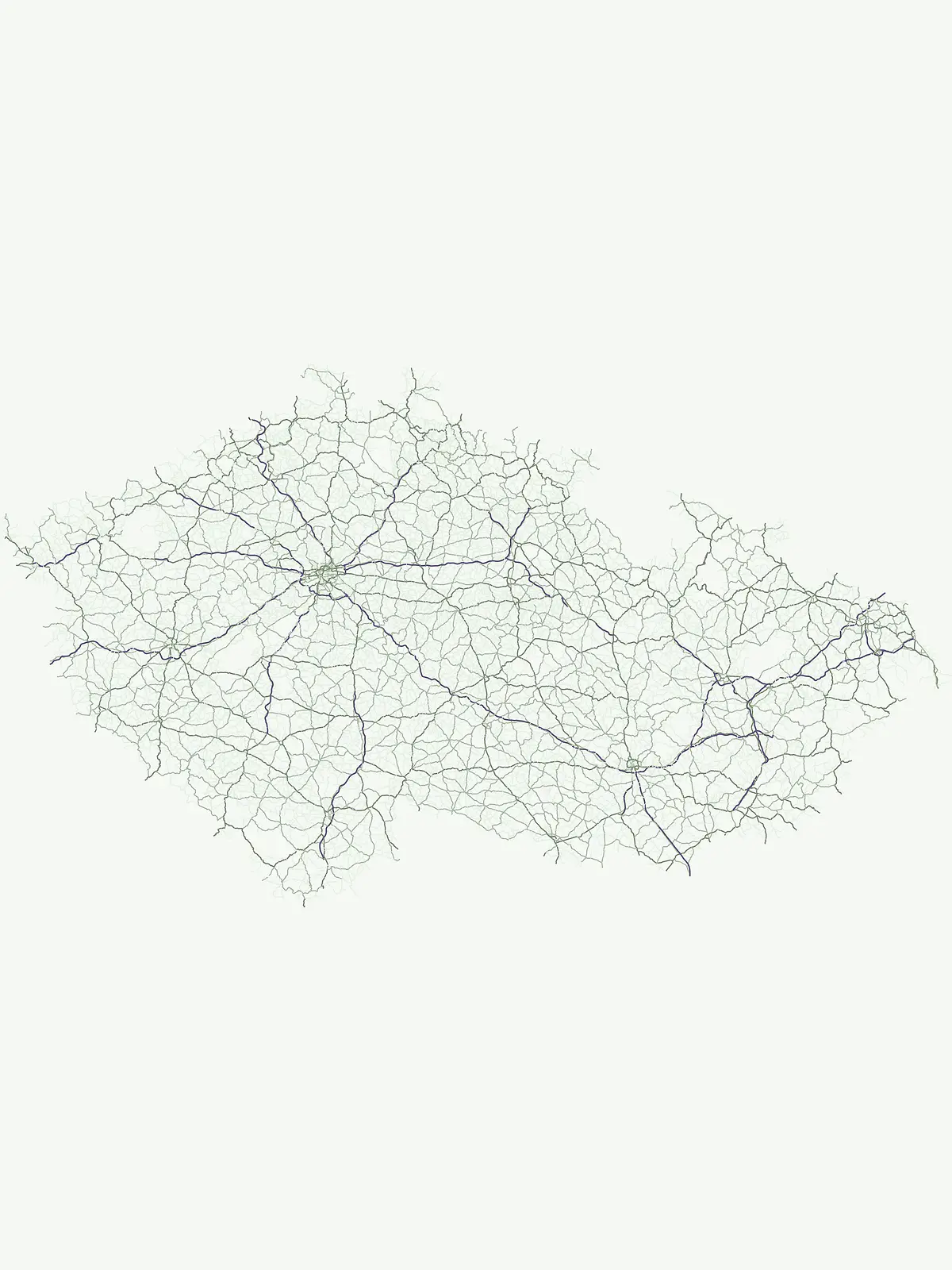
Country pattern

Explore localized conservation sites safeguarding specific geological formations and ancient groves across national terrain.

Czechia Natural Monument or Feature Protected Areas and Geological Reserves

Natural Monument or Feature protected areas focus on conserving distinct geological structures, caves, and rare botanical habitats rather than broad wilderness landscapes. Examining these specialized sites across Czechia reveals how targeted legal frameworks preserve singular natural landmarks and localized ecological zones.

Matching parks

67

These parks and protected areas currently define how Natural Monument or Feature appears across Czechia.

Category focus

A protected area established to conserve a specific natural feature such as a landform, geological structure, cave, seamount, waterfall, grove, or other distinct natural monument.

Representative parks

Uhlířský vrchVlčí jámyProkopské údolíSlepičí vršekVlčí rokleVrškámenVeltrusyVodopády Stříbrného potokaMartinské stěnyRadotínské skály
Management profile

Specific natural feature

Natural Monument or Feature

IUCN Category III is designed for places where protection centers on a particular natural feature rather than on a very large ecosystem or wilderness landscape. The protected feature may be geological, geomorphological, marine, biological, or a striking living element of nature such as an ancient grove or monumental tree stand. The category is especially useful when a specific natural landmark carries exceptional ecological, scientific, cultural, educational, or scenic importance and needs focused legal and management protection.

Definition

A Natural Monument or Feature is a protected area set aside to protect a specific natural monument, which may be a landform, sea mount, submarine cavern, geological feature such as a cave, or a living feature such as an ancient grove. The defining quality of the category is that protection is organized around the conservation of an identifiable natural feature and its immediate supporting environment. The site may be small or relatively modest in area compared with ecosystem-scale categories, but it must have a clearly recognized natural focus whose conservation is the primary reason for designation.

Key characteristics

Category III areas often stand out because they are highly legible, distinctive, and easy for people to recognize as singular natural places. They may protect waterfalls, gorges, cliffs, caves, fossil sites, volcanic cones, rock arches, coral features, giant trees, ancient woodland patches, springs, seamounts, or other natural landmarks. Some are small and tightly bounded around the feature itself; others include a surrounding buffer needed to protect ecological setting, visual integrity, or hydrological function. The category is not simply about scenic beauty. A site may also qualify because a feature has unusual scientific value, rarity, cultural significance linked to nature, or importance for species dependent on that particular natural structure.

Management focus

Management in Category III areas is generally concentrated, site-specific, and feature-led. Protecting the monument or feature often means controlling visitor pressure, erosion, vandalism, pollution, incompatible development, quarrying, collecting, or other impacts that could degrade the protected element or its setting. Because many such sites are highly visible and attractive to visitors, management may involve trails, barriers, interpretation panels, viewing areas, guided access, seasonal restrictions, and close maintenance of visitor circulation. Ecological management may also be needed if the feature depends on surrounding habitat, groundwater, coastal processes, or a protected visual or landscape context. The key management test is whether the feature and its supporting conditions remain intact and legible over time.

Protection purpose

The purpose of Category III is to ensure durable protection for specific natural features of exceptional importance, distinctiveness, or vulnerability, especially where focused protection of that feature is more appropriate than broader ecosystem-scale designation.

Management objective

Typical objectives include conserving an outstanding natural monument or feature, protecting its scientific, educational, ecological, cultural, or scenic value, safeguarding the immediate surroundings required for its persistence and integrity, managing access and interpretation where appropriate, preventing physical degradation or incompatible development, and maintaining the feature as a recognizable natural landmark within a wider landscape or seascape.

Global context

Wider background behind Natural Monument or Feature

This reference block covers the broader history and global examples that define Natural Monument or Feature as an IUCN management category, rather than the country-specific park pattern shown elsewhere on the page.

Category history

The protection of natural monuments has long been part of conservation practice, especially in legal systems that first recognized remarkable waterfalls, rock formations, caves, groves, and geological sites as worthy of public protection. As protected-area systems developed, it became clear that not every important natural place fit the large-area model of a national park or the stricter logic of a scientific reserve. Category III provided an international management category for those cases where one feature, or a small group of closely related features, forms the core conservation rationale. It remains especially useful in countries with strong geodiversity, spectacular landforms, sacred natural sites, or highly recognizable natural landmarks.

Global examples

Examples commonly associated with Category III include protected caves, geyser systems, waterfalls, fossil localities, volcanic plugs, sea stacks, giant trees, karst formations, and other distinct natural landmarks. In different countries, well-known waterfalls, cave parks, monumental tree reserves, and protected geological landmarks may be reported in this category where the management focus is clearly centered on the specific feature and its immediate setting.

More categories

Compare conservation designations across the national park and reserve system

Explore Other IUCN Protected Area Categories in Czechia

Browse additional IUCN categories represented across Czechia to evaluate broader park classifications and habitat management areas. Transitioning between conservation models reveals the complete distribution of protected landscapes throughout the country.

IUCN category iv

Habitat/Species Management Area

A protected area managed mainly to protect particular species or habitats, often through targeted, regular, or adaptive conservation interventions.

Example parks

Prachovské skály, Radobýl, Ptačí kupy, Račí údolí, Ronov, Medlánecké kopce, Vranovské skály, Na Stráži, Prales Jizera, Ratajské rybníky

IUCN category ii

National Park

A large natural or near-natural protected area managed to safeguard ecological processes, characteristic species, and ecosystems while also supporting education, recreation, and compatible visitor use.

Example parks

Šumava National Park, Krkonoše National Park, Bohemian Switzerland National Park, Podyjí National Park

IUCN category v

Protected Landscape/Seascape

A protected area where the long-term interaction of people and nature has created a distinct landscape or seascape with significant ecological, cultural, and scenic value.

Example parks

Bohemian Paradise, Moravian Karst, Rukávečská obora

Explore Czechia's Protected Landscapes, Geographic Park Distribution, and Central European Context

National Parks in Czechia: Frequently Asked Questions About Protected Areas and Their Geography

This section provides essential geographic context and common insights into Czechia's national parks and other notable protected areas. Explore key details about their mapped locations, varied natural features, and broader significance across the Central European landscape to enhance your understanding of Czechia's conservation geography.
MoriAtlas Explorer

Continue Exploring Czechia's Protected Landscapes and National Parks

Deepen your understanding of Czechia's natural geography by continuing to browse its national parks and protected areas. Use this atlas-style approach to compare the mapped distribution and unique characteristics of conservation lands across the country, uncovering detailed geographic insights beyond a simple overview.