Zambezi riverfront protection surrounding one of the world's most iconic waterfalls
Victoria Falls National Park
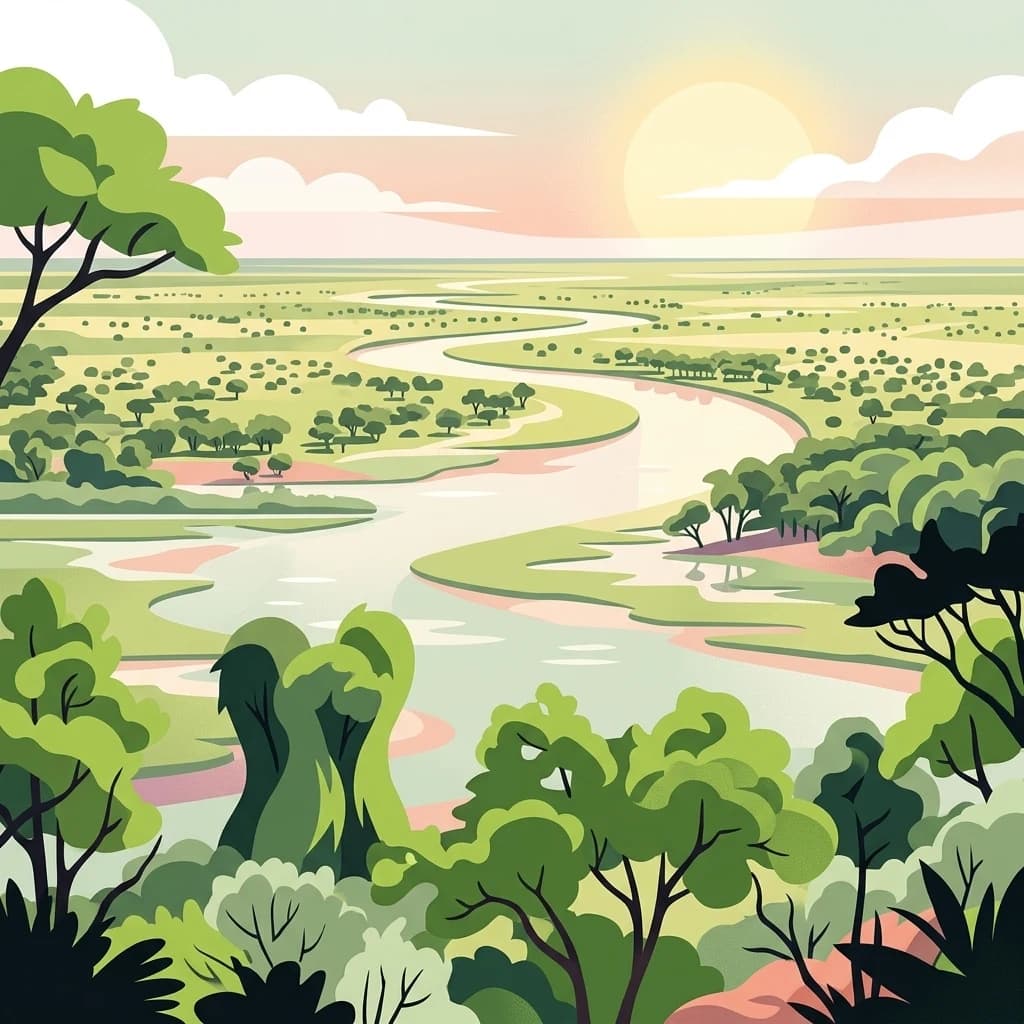
Victoria Falls National Park is a protected area in northwestern Zimbabwe that safeguards the southern and eastern banks of the Zambezi River in the immediate vicinity of Victoria Falls, one of the largest and most famous waterfalls on Earth. The park covers approximately 23.4 square kilometers and extends along the river from roughly six kilometers above the falls to about twelve kilometers downstream, creating a corridor of protection that encompasses both the dramatic waterfall zone and the riverine environments downstream. The park is managed by the Zimbabwe Parks and Wildlife Management Authority and was designated as a Ramsar Wetland in 2013, recognizing its international significance as a unique wetland ecosystem.
The park's defining characteristic is the presence of a remarkable rainforest ecosystem that thrives in the constant spray emitted by the falls. This mist-created environment supports vegetation types found nowhere else in the region, including ferns, palms, lianas, and mahogany trees that create an unexpectedly lush tropical atmosphere amid the otherwise semi-arid landscape. The park sits within the Zambezian and mopane woodlands ecoregion, representing a transition zone where the riverine environments create ecological conditions distinct from the surrounding woodland habitats.
Victoria Falls National Park serves as a critical component of the broader Kavango-Zambezi Transfrontier Conservation Area, a multinational initiative to protect wildlife corridors across five southern African nations. While the park is compact compared to larger Zimbabwean protected areas, it provides essential habitat for elephant, Cape buffalo, southern white rhinoceros, hippos, giraffes, eland, and various antelope species, while the river itself supports populations of Nile crocodiles.