Mori Atlas logo
Protection category

Understand the definition of National Park and its presence across the geography of the Netherlands.

Netherlands National Parks: Exploring IUCN Category II Protected Areas and Natural Landscapes

Discover the specific implementation of IUCN Category II National Park protected areas across the Netherlands. This route focuses on the geographic scope and atlas interpretation of these vital conservation landscapes, detailing what the National Park designation means within the Dutch context. Explore the distribution and ecological significance of these protected areas, moving from a country-wide perspective on this category to understanding individual park boundaries and their place in the nation's natural terrain.

Netherlands National Parks: Exploring IUCN Category II Protected Areas and Natural Landscapes
Parks in this category

Mapped geography of National Park sites, showcasing conservation across diverse Dutch landscapes.

Netherlands National Park Protected Areas: Browse the Country's Dedicated Conservation Landscapes
Browse the comprehensive list of National Park protected areas in the Netherlands, encompassing diverse landscapes such as wetlands, heathlands, and coastal zones. This filtered overview provides essential geographic context and aids in comparing conservation efforts across these significant Dutch natural spaces.
National parkOtagoMountain

Mount Aspiring National Park

Explore the U-shaped valleys and mapped boundaries of this iconic national park.

Mount Aspiring National Park showcases a breathtaking glacial landscape defined by steep-sided U-shaped valleys, active glaciers, and soaring alpine summits. As a designated national park within New Zealand's South Island, its protected status preserves a vast area of wilderness crucial for understanding regional geography and alpine terrain. This page provides an atlas-style exploration of its mapped boundaries and the stark, natural beauty that characterizes this significant conservation landscape in the Otago region.

3,562 km²1964TemperateModerate access
National parkAndalusiaMountain

Sierra Nevada National Park

Explore Spain's highest mountain range mapped across Andalusia's atlas.

Sierra Nevada National Park offers a profound exploration of Spain's highest alpine environments and a significant entry in the regional geography atlas. This protected area showcases classic glacial landforms, U-shaped valleys, and numerous high-mountain lakes, alongside a remarkable abundance of endemic plant species thriving in its unique microclimates. Understanding its mapped boundaries reveals a landscape vital for both biodiversity and watershed, situated prominently within the broader geographic context of Andalusia.

858.83 km²1999MediterraneanModerate access
National parkIndonesia

Mount Rinjani National Park

Mapped geography and ecological transitions of a prominent Indonesian national park.

Mount Rinjani National Park is a key protected area in Indonesia, distinguished by its active stratovolcano and the striking Segara Anak crater lake. The park's landscape features steep volcanic slopes and diverse vegetation zones, from tropical rainforest to subalpine terrain. This detailed entry provides essential atlas context, focusing on the park's geographic boundaries, its unique volcanic geology, and its significance as a protected natural landscape within Indonesia's archipelagic geography.

413 km²1999II
Watercolor illustration of a winding path through rolling green hills with a single tree and forest in the background
National parkGelderland

De Hoge Veluwe National Park

Explore Gelderland's unique heathland, sand dune, and woodland terrain.

De Hoge Veluwe National Park represents a distinctive protected area within the Gelderland region of the Netherlands. Its landscape is characterized by a unique mosaic of heathlands, sand dunes, and woodlands, shaped by ice age processes and historical land use. This page offers an atlas-focused exploration of its geographic setting, mapped boundaries, and the specific terrain that defines this significant natural and cultural heritage site.

55 km²1935TemperateEasy access
Watercolor painting showing a river bend, trees, and a sunset over a wetland landscape
National park

De Biesbosch National Park

Explore mapped waterways and diverse protected landscapes.

Delve into the geography of De Biesbosch National Park, a remarkable protected area in the Netherlands renowned for its extensive freshwater tidal wetlands. This national park showcases a unique landscape defined by intricate river systems, dominant willow flood forests, and vital reed beds, serving as a critical habitat for migratory birds and a prime example of wetland restoration. Understand its place within the regional geography through our atlas-driven approach to protected land discovery.

90 km²1994TemperateAccess unknown
Watercolor painting of a winding river flowing through green hills under a yellow sun
National parkZeelandMarine

Oosterschelde National Park

Explore the geography of Netherlands' largest protected tidal landscape.

Oosterschelde National Park represents a unique intersection of natural dynamism and human engineering within the Zeeland province. As the Netherlands' largest national park, it safeguards a vast tidal lagoon system characterized by its profound tidal flats and sandbanks that transform landscape twice daily. This protected area offers a remarkable case study in coastal geography and marine conservation, with its rich ecosystems supporting diverse wildlife and providing excellent opportunities for sport diving and birdwatching. Delve into the mapped context of this significant Dutch protected landscape.

370 km²2002TemperateModerate access
National parkLimburg

Hoge Kempen National Park

Explore mapped boundaries within the Limburg region.

Gain a comprehensive understanding of Hoge Kempen National Park as a distinct protected national park. This resource provides critical insights into its geographic setting within the Limburg region, detailing its mapped boundaries and overall landscape context. It serves as an essential point for atlas exploration, allowing users to appreciate the park's role as a protected natural area and its place within the regional geography of Belgium.

127 km²2006TemperateEasy access
Watercolor illustration of rolling green hills, a winding pinkish stream, and small vegetation patches
National parkFriesland

Schiermonnikoog National Park

Explore its unique dune systems, salt marshes, and Wadden Sea context.

Schiermonnikoog National Park in Friesland is a testament to actively evolving coastal geography, showcasing dynamic dune formations, extensive salt marshes, and diverse natural habitats. As a protected landscape within the UNESCO Wadden Sea, it offers a unique focus for understanding regional protected areas and the intricate interplay of wind, water, and sediment shaping the North Sea coastline. Discover the park's ecological significance and its mapped terrain through MoriAtlas's structured geographic exploration.

54 km²1989TemperateModerate access
National parkNorth Holland

Duinen van Texel National Park

Explore the mapped geography and protected landscape of North Holland.

The Duinen van Texel National Park offers a rich exploration of protected coastal dunes and dynamic wetland environments on Texel Island. This atlas-focused page details the park's unique landscape features, including active dune formation at De Hors and the tidal Slufter valley. Understanding its geographic context within North Holland provides a crucial aspect of its protected area status and ecological significance for regional mapped terrain.

43 km²2002TemperateEasy access
Watercolor illustration showing a winding path through a wetland with reeds, trees, and a soft yellow sky
National parkOverijssel

Weerribben-Wieden National Park

Explore mapped protected wetlands and unique hydrological landscapes.

Weerribben-Wieden National Park stands as a remarkable example of a large-scale lowland peat bog ecosystem, recognized as the most extensive and well-preserved in Northwestern Europe. Located in the Overijssel province, this protected area showcases a complex mosaic of interconnected waterways, expansive reed beds, and marshy woodlands. Our platform provides structured geographic context, enabling detailed map-based discovery of the park's unique terrain and ecological significance as a vital conservation landscape.

105 km²1992TemperateEasy access
Watercolor painting showing a landscape with green trees, light blue water, and soft pastel hills
National parkNorth Holland

Zuid-Kennemerland National Park

Explore its unique mapped terrain and protected area geography.

Zuid-Kennemerland National Park showcases a remarkable coastal dune ecosystem situated in the North Holland province. This national park entry provides detailed insight into its protected landscape, from calcium-rich dune soils supporting rare flora to ancient woodlands and extensive walking trails. Users can explore the park's mapped boundaries, understand its geographic setting within the Netherlands, and appreciate its significance as a conservation area. Discover the natural terrain and ecological richness that characterize this important Dutch protected land.

38 km²1995TemperateModerate access
Watercolor painting depicting green hills, a winding river, and pastel-colored mountain ranges in the background
National parkGelderland

Veluwezoom National Park

Explore oldest Dutch national park, heathlands, and glacial terrain.

Veluwezoom National Park is the Netherlands' inaugural national park, located in Gelderland. This page provides an atlas-driven exploration of its protected landscape, characterized by rolling heathlands, ancient forests, and dramatic glacial push moraines. Users can discover the park's geographical features, mapped boundaries, and its significance as a conserved natural area within the Veluwe region.

50 km²1930II
Watercolor illustration showing three stylized trees with pink, yellow, and light green foliage, two hills, and a winding path on a white background
National parkUtrecht Province

Utrechtse Heuvelrug National Park

Discover Utrecht Province's glacial ridge and diverse natural terrain.

Utrechtse Heuvelrug National Park is a significant protected natural area located in Utrecht Province, renowned for its unique glacial ridge topography. This entry provides detailed information about its mapped boundaries, diverse landscapes including heathlands and forests, and its importance as an ecological corridor within the Netherlands. Explore the park's distinct geography and its role in regional conservation through our structured atlas view.

100 km²2003TemperateEasy access
Watercolor illustration of green hills, a winding path, and pink and green mountains under a yellow sky
National park

Lauwersmeer National Park

Explore protected Dutch Wadden Sea geography and terrain.

Discover Lauwersmeer National Park, a protected wetland in the Netherlands shaped by its post-enclosure transformation. This national park offers a unique glimpse into evolving ecosystems, serving as a vital corridor for migratory birds and showcasing a distinctive flat, open landscape with extensive water and reed environments. Its position within the Wadden Sea UNESCO World Heritage Site highlights its broader ecological importance. Explore the mapped geography, land-use patterns, and characteristic terrain of this dynamic protected area, known for its natural darkness and diverse avian populations.

60 km²2003TemperateEasy access
Watercolor illustration of a winding path through a forested area with green trees, pink shrubs, and a setting sun in the background
National parkOverijssel

Sallandse Heuvelrug National Park

Explore its heathland geography and mapped park boundaries.

Sallandse Heuvelrug National Park represents a significant protected landscape within Overijssel, Netherlands, notable for its distinctive glacial ridges and extensive heathland ecosystems. As one of the country's most important conservation areas, it offers a unique opportunity to study the mapped topography and the geography of Dutch heathlands. Discover the protected area's contours and its place within the broader regional atlas context, appreciating its geological formations and ecological importance.

35 km²2004II
Watercolor painting of a mountain landscape with green hills and pink and blue sky
National park

De Loonse en Drunense Duinen National Park

National Park with unique living sand drift and dune terrain.

Navigate the geographic contours and protected land boundaries of De Loonse en Drunense Duinen National Park, a premier Dutch natural area. This national park is celebrated for its extensive living sand drift, one of the largest in Northern Europe, alongside significant heathlands and coniferous forests. Gain a structured understanding of its landscape character and its role within regional geography through detailed map context and atlas exploration tools.

35 km²2002TemperateEasy access
Watercolor painting of a forested landscape with green trees on a yellow hillside and soft pink and green sky background
National parkDrenthe

Drents-Friese Wold National Park

Explore unique heathlands, drift-sands, and regional natural geography.

This entry details Drents-Friese Wold National Park, a crucial protected landscape in the Drenthe province. Understand its mapped boundaries, distinctive heath and drift-sand terrain, and its significance as a natural area. Discover the park's regional geographic setting and its role in the broader Dutch landscape atlas, providing context for its unique ecological and historical character.

61 km²2000TemperateEasy access
Watercolor painting of green trees, a blue water body, and light-colored ground with soft color gradients
National parkNorth Brabant

Van Gogh National Park

Explore mapped protected areas and regional geography.

Van Gogh National Park is a significant protected landscape in North Brabant, Netherlands, covering approximately 1,200 square kilometers. This national park is distinguished by its extensive drift sand dune systems, notable heathlands, and wooded valleys, offering a diverse terrain within the Dutch context. Named in tribute to Vincent van Gogh, it merges rich natural landscapes with cultural heritage, serving as a model for collaborative conservation and regional development, all mapped for detailed atlas exploration.

1,200 km²2024TemperateAccess unknown
National parkFlevoland

Nieuw Land National Park

Protected area geography and ecological discovery in the Netherlands

Nieuw Land National Park offers a distinctive protected landscape forged on land recently reclaimed from the sea in the Dutch province of Flevoland. This national park is characterized by its vast expanse of wetlands, artificial islands like the Marker Wadden, and critical importance for migratory bird populations. Delve into the park's geographic context and mapped features to understand its unique conservation value and role within the wider European atlas of protected areas.

289 km²2018TemperateEasy access
National parkLimburg

De Maasduinen National Park

Protected Landscape and Dune Terrain in Limburg

Delve into the geographic identity of De Maasduinen National Park, a vital protected area in Limburg. This page offers detailed insights into its remarkable dune landscape, heathlands, and forests, emphasizing its role within the Dutch natural atlas and its connections to surrounding conservation areas.

45 km²1996II
National park

De Zoom–Kalmthoutse Heide Cross-Border Park

Explore mapped protected boundaries and regional geography.

This page details the De Zoom, Kalmthoutse Heide Cross-Border Park, a significant national park that merges Belgian and Dutch protected territories. It is recognized for its expansive heathland, a crucial ecosystem in the Benelux region, offering a rich visual and ecological study. The park's mapped landscape context reveals its unique geography, from dry heathlands to Ramsar-designated wetlands, providing valuable insight for atlas-based exploration of protected areas. Understand the park's protected area identity and its role within the regional landscape.

37.5 km²2001II
National parkDrenthe

Dwingelderveld National Park

Explore a protected landscape of heath, bogs, and ancient geography.

Dwingelderveld National Park represents a significant protected landscape in the Drenthe region of the Netherlands, celebrated as the largest wet heathland in Western Europe. This 37-square-kilometer area provides exceptional opportunities for atlas exploration, revealing a terrain composed of sandy ridges interspersed with waterlogged depressions. The park's defining features include more than forty natural pools, known as vennen, many of which are geologically important pingo-ruins. Discover the rich archaeological heritage, including ancient Celtic fields and burial mounds, all situated within this unique natural setting. MoriAtlas offers a structured view of Dwingelderveld National Park's distinct geography and protected ecological value.

37 km²1991TemperateModerate access
National parkDrenthe

Drentsche Aa National Park

Explore Drenthe's unique protected lands and mapped terrain.

Drentsche Aa National Park stands as a testament to a landscape preserved from the mid-19th century, offering a rare glimpse into traditional Dutch rural life. Situated in the province of Drenthe, this protected area features one of the last relatively untouched river systems in the Netherlands, characterized by meandering brooks, ancient hedgerows, and distinctive esdorp villages. The park's geography is influenced by the Saalien ice age Hondsrug ridge, creating a unique terrain of heathlands, sand dunes, and rolling landscapes ideal for atlas-based discovery.

100 km²2002TemperateII
Watercolor illustration showing a single tree on a small hill with a body of water below
National parkLimburg

De Meinweg National Park

National Park with exceptional reptile and amphibian biodiversity.

De Meinweg National Park is a remarkable protected landscape located in the Dutch province of Limburg, distinguished by its rare terraced topography unlike any other in the Netherlands. This national park, covering 1,800 hectares, is a key component of the transboundary Grenspark Maas-Swalm-Nette, bordering Germany. Its ecological significance is underscored by its status as a Natura 2000 site, with notable biodiversity, particularly among reptiles and amphibians, and regenerating raised bogs. MoriAtlas offers a map-centric view of this unique protected area, detailing its geographic context and landscape features for structured discovery.

18 km²1995TemperateEasy access
National parkFriesland

De Alde Feanen National Park

Protected wetland terrain and abundant birdlife in the Netherlands.

Delve into the intricate mapped geography of De Alde Feanen National Park, a national park renowned for its exceptional lowland peat bog ecosystem. This protected area in Friesland showcases a unique terrain comprising shallow lakes, reed beds, and historic peat extraction pools, offering significant ecological and cultural value. The park's landscape provides vital habitats and serves as a testament to the region's long history of human engagement with wetland environments, making it a key destination for atlas-driven geographic discovery.

25 km²2006TemperateModerate access
Watercolor illustration of three trees on a green hill with a circular background in yellow, pink, and purple
National park

De Groote Peel National Park

Protected area with exceptional birdlife and peat landscape.

De Groote Peel National Park represents a crucial protected landscape in the Netherlands, renowned as one of the last substantial raised bogs in Western Europe. Its terrain is characterized by a distinct blend of open lakes formed by historical peat extraction, heathland expanses, and sensitive peat swamps. This Ramsar-designated wetland is a vital habitat for numerous bird species, offering unique opportunities for landscape context and atlas exploration of its ecological significance and mapped geographic features.

13.4 km²1993TemperateModerate access
National parkSud

Grand Bois National Park

Discover Haiti's vital primary rainforest and endemic species refuge.

Grand Bois National Park is a critical conservation area in Haiti's Sud region, established to protect the rare primary rainforest ecosystem found on the isolated Morne Grand Bois peak. This national park safeguards approximately 3.7 square kilometers of mountainous terrain above 900 meters, featuring a unique cloud forest environment. It is a vital refuge for endemic species, including rediscovered amphibians and rare flora, making it a significant site for Caribbean biodiversity and landscape conservation. The park's importance lies in preserving one of Haiti's last intact forest ecosystems.

3.7 km²2015II
Country pattern

Understand how Category II principles shape Dutch conservation efforts and public access.

Exploring National Park Protected Areas in the Netherlands: An IUCN Category II Atlas
Browse the definition of National Park, an IUCN Category II protected area, and understand its specific application across the natural and near-natural landscapes of the Netherlands. These Dutch protected areas are managed to safeguard vital ecological processes, characteristic species, and ecosystems, while supporting education, recreation, and compatible visitor use across diverse terrains.

Matching parks

27

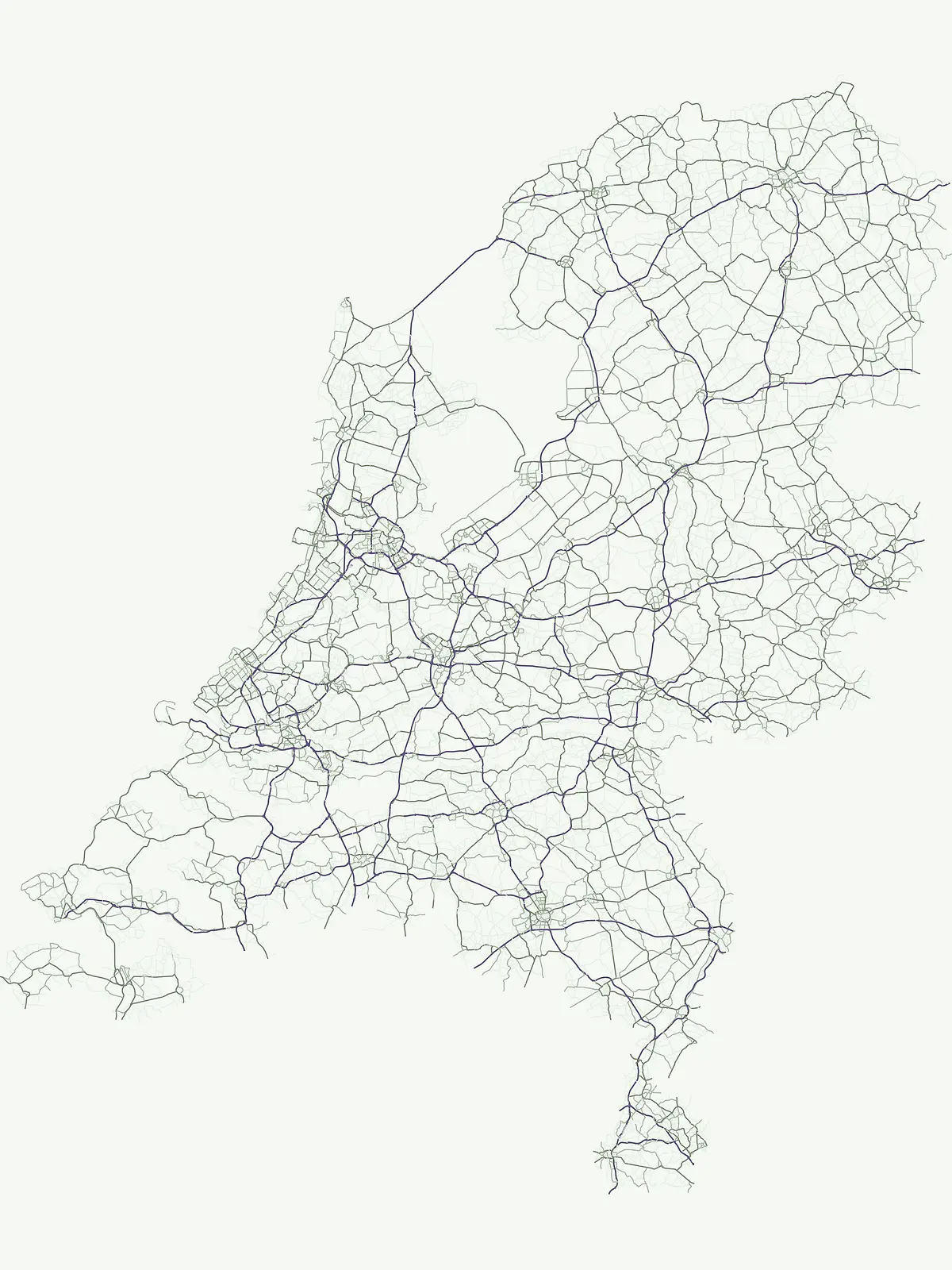
These parks and protected areas currently define how National Park appears across Netherlands.

Category focus

A large natural or near-natural protected area managed to safeguard ecological processes, characteristic species, and ecosystems while also supporting education, recreation, and compatible visitor use.

Representative parks

Mount Aspiring National ParkSierra Nevada National ParkMount Rinjani National ParkDe Hoge Veluwe National ParkDe Biesbosch National ParkHoge Kempen National ParkOosterschelde National ParkSchiermonnikoog National ParkDuinen van Texel National ParkWeerribben-Wieden National Park
Management profile

Ecosystem protection

National Park
IUCN Category II is one of the most widely recognized protected-area categories in the world because it brings together strong ecosystem protection and public-facing values. A National Park is meant to conserve large-scale ecological processes and representative species and ecosystems, but it is also expected to support compatible spiritual, scientific, educational, recreational, and visitor opportunities. This makes Category II especially important for countries that want protected areas to function both as core conservation landscapes and as places where people can meaningfully experience nature without undermining long-term ecological goals.

Definition

A National Park is a large natural or near-natural protected area established to protect large-scale ecological processes, along with the complement of species and ecosystems characteristic of the area, while also providing a foundation for environmentally and culturally compatible spiritual, scientific, educational, recreational, and visitor opportunities. The category is used for places where conservation remains primary, but where public engagement is an accepted and often important secondary function. The defining balance is not unrestricted access, but carefully managed access compatible with ecosystem protection.

Key characteristics

Category II areas are typically large enough to sustain important ecological functions and to protect more than a single feature or species. They often contain broad habitat mosaics, major watersheds, mountain systems, forests, savannas, coastal landscapes, wetlands, marine systems, or other extensive environments where ecological processes operate across scale. Unlike stricter categories, National Parks usually include a visitor dimension, which may involve trails, viewpoints, interpretation, education, and controlled recreation. However, the category is not meant for heavily urbanized tourism landscapes or places managed mainly as leisure destinations. Its defining character lies in ecosystem-scale conservation, representative natural values, and public use that is shaped around ecological limits rather than the other way around.

Management focus

Management in National Parks generally combines ecosystem protection, visitor planning, interpretation, and long-term stewardship. Managers may use zoning, visitor infrastructure, transport controls, habitat restoration, species protection measures, fire or water management, invasive species control, and education programmes to reconcile conservation with public access. Active management may be required where landscapes have been altered or where visitor pressure is high, but the overriding test is whether actions support the park's ecological purpose. Well-managed Category II areas often balance access and restraint, allowing people to learn from and enjoy the protected area while keeping large-scale ecological processes, characteristic species, and natural systems at the center of decision-making.

Protection purpose

The purpose of Category II is to conserve large natural or near-natural areas in a way that secures ecosystem processes and biodiversity over the long term, while also providing people with opportunities for learning, inspiration, recreation, and connection to nature that remain compatible with conservation.

Management objective

Typical objectives include protecting functioning ecosystems at scale, conserving native species and ecological processes, maintaining scenic and natural values, supporting research and environmental education, providing well-managed visitor access and recreation, restoring degraded areas where necessary, and preventing incompatible development or extractive uses that would undermine the park's long-term ecological integrity.

Global context
Wider background behind National Park
This reference block covers the broader history and global examples that define National Park as an IUCN management category, rather than the country-specific park pattern shown elsewhere on the page.

Category history

The National Park idea has deep roots in nineteenth- and twentieth-century conservation, when governments began setting aside large landscapes for protection from settlement, resource extraction, and landscape transformation. Over time, the concept evolved from scenic reservation toward broader ecosystem conservation. Within the IUCN management category system, Category II became the principal international framework for protected areas that are large, ecosystem-focused, and publicly legible as major conservation landscapes. Although national park names and legal traditions differ widely from country to country, the category helps distinguish those areas managed primarily for ecosystem protection and compatible visitation from both stricter reserves and more human-shaped protected landscapes.

Global examples

Representative examples often include world-famous large protected areas such as Yellowstone National Park in the United States, Serengeti National Park in Tanzania, Torres del Paine National Park in Chile, and many other nationally designated parks whose management priority is ecosystem protection combined with compatible public use. Not every site named 'national park' is automatically IUCN Category II, but the category is widely associated with large, iconic protected areas where conservation and carefully managed visitation are both central.

More categories

Beyond National Parks: explore the full scope of Netherlands' diverse IUCN conservation categories.

Compare Netherlands' Diverse Protected Area Categories Beyond National Parks
Discover the complete atlas of protected areas in the Netherlands by navigating its full spectrum of IUCN conservation categories, extending beyond National Parks. Exploring these different classifications reveals the country's diverse approaches to ecological preservation, showcasing specific habitat management zones and other distinct protected landscapes.

IUCN category iv

Habitat/Species Management Area

A protected area managed mainly to protect particular species or habitats, often through targeted, regular, or adaptive conservation interventions.

Example parks

Zwin

Discover essential geographic context, park distribution, and key details for understanding Dutch protected landscapes.

Frequently Asked Questions About National Parks and Protected Areas in the Netherlands
Explore common questions about the national parks and protected areas within the Netherlands, covering their unique geography and conservation status. These FAQs provide foundational insights into the mapped terrain and diverse natural reserves across this low-lying coastal country, helping users understand their distribution and characteristics.
MoriAtlas Explorer

Continue Exploring Netherlands National Park Protected Areas and Landscape Geography

Deepen your understanding of the National Park category's role in the Netherlands by browsing specific protected areas and their mapped boundaries. Continue this atlas exploration to appreciate how these IUCN Category II sites contribute to the country's protected landscape and regional geography, offering insights into conservation management and natural terrain across the nation.

Global natural geography