Mori Atlas logo
Protection category

Understanding Category II National Parks within Poland's Protected Area Geography

Poland National Park Protected Areas: IUCN Category II Parks and Natural Landscapes

Poland's protected landscape system includes significant areas designated as National Parks under IUCN Category II. These large natural or near-natural protected zones are managed to safeguard vital ecological processes, characteristic species, and entire ecosystems. Within Poland, this category represents a commitment to conserving significant natural heritage while enabling compatible visitor use, education, and scientific research, offering a distinct lens on the country's diverse natural terrain and conservation efforts.

Poland National Park Protected Areas: IUCN Category II Parks and Natural Landscapes
Parks in this category

Browse Poland's National Park List, Tracing Diverse Ecosystems from Lowland Forests to Carpathian Peaks

National Park Protected Areas in Poland: Discover the Country's Mapped Conservation Landscapes
Discover Poland's National Park protected areas, a filtered list showcasing key conservation landscapes from wetlands and ancient old-growth forests to rugged mountain terrains. This country-specific view allows users to trace the geographic distribution and ecological importance of Poland's major protected zones across its diverse natural regions.
Watercolor painting of a moss-covered fallen tree trunk, a tree stump, and forest trees with hills in the background
National parkPodlaskie Voivodeship

Białowieża National Park

Mapped protected landscape and regional geography in Podlaskie Voivodeship.

As Poland's most vital natural heritage site, Białowieża National Park protects an exceptionally rare example of an ancient temperate primeval forest. This national park, located within the Podlaskie Voivodeship, serves as a living ecological laboratory, showcasing natural processes in unmodified woodland habitats. Its significance extends to being a critical sanctuary for the European bison, housing the world's largest free-ranging population. MoriAtlas provides detailed map context and geographic insights into this globally important protected area and its unique landscape.

105.17 km²1932BorealModerate access
Watercolor painting of mountain peaks with green meadows and pink flowers under a pastel sky
National parkLesser Poland VoivodeshipMountain

Tatra National Park

Explore dramatic glacial terrain, mountain lakes, and regional geography.

Tatra National Park is the definitive Alpine protected area in Poland, located in Lesser Poland Voivodeship. It showcases unique glacial landforms, including over 30 mountain lakes and dramatic peaks like Rysy. This national park serves as a crucial habitat for endemic species and offers unparalleled opportunities for atlas exploration of its rugged, mapped terrain. Understand its geographic significance as part of the Carpathian Mountains and its role as a protected landscape.

211.64 km²1954AlpineModerate access
Watercolor illustration showing three trees on a hill with a body of water and vegetation below
National parkPodlaskie Voivodeship

Biebrza National Park

Explore the mapped geography of its vast protected fenlands.

Biebrza National Park represents a critical protected landscape in northeastern Poland, famed for its vast, intact Biebrza Marshes, the largest lowland peat bog complex in Europe. This national park page offers detailed geographic context, highlighting the unique fenland terrain, marshland ecosystems, and protected area boundaries. Discover why this region is internationally recognized for its biodiversity and its significance within the broader atlas of European protected lands.

592.23 km²1993TemperateII
National parkMountain

Karkonosze National Park

Discover alpine terrain and unique glacial landscapes.

Karkonosze National Park is a significant protected area in Poland, renowned for its dramatic alpine topography carved by ancient glaciers. As the highest range in the Polish Sudetes, it features striking U-shaped valleys, U-shaped glacial cirques, and diverse subalpine to alpine ecosystems. This national park provides a rich context for understanding Central European mountain geography and exploring its mapped protected boundaries.

II
National parkSubcarpathian VoivodeshipMountain

Bieszczady National Park

Explore mapped terrain, alpine meadows, and old-growth forests.

Discover Bieszczady National Park, a significant national park located in the Subcarpathian Voivodeship of Poland, within the Eastern Carpathian mountain range. This protected area is renowned for its vast expanses of old-growth beech forests, the characteristic połoniny alpine meadows, and its status as a UNESCO World Heritage Site, underscoring its global conservation importance. The park's wild character and dramatic mountain geography make it a key destination for atlas-driven exploration of protected landscapes.

292.02 km²1973TemperateModerate access
National parkMasovian Voivodeship

Kampinos National Park

Discover Masovian Voivodeship's unique geography and park boundaries.

Kampinos National Park is a nationally significant protected area within the Masovian Voivodeship, celebrated for its extensive and well-preserved inland sand dune formations, a rarity in European geography. This park offers a distinct mapped landscape where pine-covered dunes intermingle with wetland ecosystems, supporting a unique biodiversity that includes a notable moose population. Explore the park's protected boundaries and understand its position as a vital natural and historical asset with detailed geographic context.

385.44 km²1959TemperateII
National parkLesser Poland Voivodeship

Ojców National Park

Explore the mapped terrain and unique geology of this national park.

Ojców National Park, situated in Lesser Poland Voivodeship, offers a concentrated display of dramatic karst topography. This protected national park is renowned for its towering limestone cliffs, intricate ravines, and over 400 caves, showcasing a unique Jurassic geology. As a vital protected area, its mapped boundaries encompass distinctive rock formations like Hercules' Club and the historic Trail of the Eagles' Nests, providing rich context for landscape discovery and atlas exploration.

21.46 km²1956TemperateII
National parkLesser Poland VoivodeshipMountain

Pieniny National Park

23.46 km²1932TemperateModerate access
National parkLovech ProvinceMountain

Central Balkan National Park

Explore mapped alpine terrain and ancient forests in Lovech Province.

Central Balkan National Park is a significant protected area in Bulgaria, renowned for its stunning mountain geography and exceptionally well-preserved ancient beech forests. Located within Lovech Province, the park's landscape is defined by dramatic peaks, including Botev Peak, deep canyons, and alpine meadows, offering a rich context for geographical exploration and understanding its protected status. Its ecosystem health and ecological value are underscored by multiple nature reserves and its recognition as part of a UNESCO World Heritage Site.

716.69 km²1991TemperateModerate access
Watercolor painting showing gray sandstone rock formations with green hills and small flowers in the foreground
National parkLower Silesian VoivodeshipMountain

Stołowe Mountains National Park

National Park in Lower Silesian Voivodeship: Geological Wonders.

Stołowe Mountains National Park is a protected national park in Poland celebrated for its unparalleled sandstone geological features. Within the Lower Silesian Voivodeship, the park showcases a dramatic landscape dominated by flat-topped rock plateaus, natural labyrinths, and vertical sandstone formations that create a visually stunning and geologically significant environment. Its protected status ensures the preservation of these unique landforms and the rare ecosystems, such as raised peat bogs, offering extensive opportunities for atlas exploration and understanding the region's distinct natural context.

63.39 km²1993TemperateModerate access
Watercolor painting showing a small island with green trees and pink plants reflected in calm blue water under a soft sky.
National parkWest Pomeranian VoivodeshipMarine

Wolin National Park

Explore Poland's first marine national park and its dynamic geography.

Wolin National Park offers a profound look into Poland's protected coastal geography. This national park in the West Pomeranian Voivodeship is distinguished by its high sea cliffs, inclusion of Baltic Sea and Szczecin Lagoon waters as Poland's first marine protected area, and a landscape sculpted by glacial moraines. Discover the park's complex delta systems, ancient forests, and the mapped terrain that supports significant bird migration, providing a rich focus for atlas exploration.

109.37 km²1960TemperateEasy access
Watercolor illustration of a mountain range with green and pink tones, featuring forested slopes and a light background.
National parkLesser Poland VoivodeshipMountain

Babia Góra National Park

Explore protected landscapes and regional geography in Lesser Poland Voivodeship.

Babia Góra National Park, a significant protected area in Poland's Carpathian Mountains, offers a distinct atlas exploration experience. Its landscape is defined by the prominent Babia Góra massif, featuring complete altitudinal vegetation zones, rare endemic plant species, and notable terrain characteristics. As a UNESCO biosphere reserve, it provides valuable insights into Carpathian ecosystems and regional geographic context, making it a key destination for structured discovery of protected lands and natural landscapes.

33.92 km²1954TemperateModerate access
Watercolor painting of three pine trees on a hill under a sun in a circular frame
National parkŚwiętokrzyskie VoivodeshipMountain

Świętokrzyski National Park

Discover the unique gołoborze and ancient forests of this national park.

Świętokrzyski National Park in Poland's Świętokrzyskie Voivodeship offers a unique geographic discovery experience. Explore the park's mapped boundaries, characterized by its distinctive gołoborze rock rubble fields, ancient silver fir trees, and endemic Polish larch forests. This protected area within the Holy Cross Mountains provides a prime example of ancient landscape evolution and protected forest ecosystems, ideal for atlas-based exploration and understanding regional geography.

76.26 km²1950IIMinor water
National parkPomeranian Voivodeship

Slovincian National Park

Discover its unique geography and mapped terrain.

Slovincian National Park is a protected area in Pomeranian Voivodeship, Poland, celebrated for its impressive moving sand dunes and coastal wetland ecosystems. These dynamic dunes, some reaching 30 meters high, migrate inland, creating an ever-changing landscape. The park also features large shallow lakes like Łebsko and Gardno, vital for migratory birds. Explore the mapped boundaries and geographic context of this significant protected area, a Ramsar site and UNESCO biosphere reserve.

186.18 km²1967TemperateEasy access
Watercolor illustration of mountains, lake, and clouds
National parkPodlaskie Voivodeship

Wigry National Park

Explore mapped landscapes and wetland ecosystems in Podlaskie Voivodeship

Delve into the geography of Wigry National Park, a national park situated in the Podlaskie Voivodeship of northeastern Poland. This protected area is defined by its glacial landscape, featuring 42 lakes including the expansive Lake Wigry, alongside critical wetland habitats and significant peat bogs. Discover the mapped boundaries and ecological importance of Wigry National Park, renowned as a prime location for beaver populations and a vital component of Poland's protected lands atlas.

150.86 km²1989BorealModerate access
National park

Wielkopolska National Park

Explore the mapped terrain and protected landscape.

Wielkopolska National Park is a vital protected landscape in western Poland, notable for its characteristic post-glacial terrain. Featuring a landscape defined by numerous kettle lakes nestled within mixed forests and gently rolling hills, this national park offers a representative sample of the Greater Poland lake district's natural heritage. Its mapped boundaries delineate an area of ecological importance, providing valuable context for understanding regional geography and protected area distribution through structured atlas exploration.

II
Watercolor illustration showing a forest landscape with pine trees, a small hill, and flowering plants in the foreground.
National parkPomeranian Voivodeship

Tuchola Forest National Park

Detailed maps and geographic context of unique forest ecosystems and terrain.

MoriAtlas offers a comprehensive geographic overview of Tuchola Forest National Park, a vital protected area in Pomeranian Voivodeship, Poland. This page delves into the park's identity as Poland's largest contiguous forest, distinguished by its post-glacial landscape. Users can explore the mapped boundaries of its extensive coniferous forests, numerous interconnected glacial lakes, dynamic dunes, and ecologically rich peatlands. It serves as a key entry point for understanding the park's unique terrain and its significant place within the broader regional geography and protected lands atlas.

46.13 km²1996IIMinor water
Watercolor illustration of green mountains, pine trees, and yellow terrain under a pink sky
National parkLesser Poland VoivodeshipMountain

Gorce National Park

Protected landscape discovery within the Western Beskids.

Delve into the protected landscape of Gorce National Park, a key national park situated in Poland's Lesser Poland Voivodeship. This atlas entry focuses on its mapped geography, highlighting the characteristic Carpathian mountain terrain, extensive old-growth forests, and unique alpine meadows. Understand the park's protected boundaries and its significance within the regional landscape context of the Western Beskids, providing a foundation for structured geographic exploration.

70.3 km²1981TemperateII
National parkLublin VoivodeshipMountain

Roztocze National Park

Discover its role in Lublin Voivodeship's natural atlas.

Roztocze National Park stands as a remarkable example of a heavily forested protected area, showcasing some of Poland's largest fir trees and ancient forest ecosystems. Located in Lublin Voivodeship, this national park offers a distinct upland landscape characterized by rolling hills and river valleys. Explore its mapped boundaries, ecological significance, and geographic context as a key component of the regional natural atlas, providing deep insights into its protected terrain.

84.83 km²1974TemperateModerate access
Watercolor illustration showing a winding river through green fields with flowers and trees
National parkPodlaskie Voivodeship

Narew National Park

Explore its mapped boundaries and rich protected landscape.

Narew National Park represents a significant protected area within the Podlaskie Voivodeship, distinguished by its one-of-a-kind anastomosing river system where the Narew River splits into numerous interconnected channels. This dynamic wetland environment provides critical habitat and showcases a complex interplay of water, land, and diverse ecosystems. Users can explore the park's geographic features, understand its protected landscape status, and appreciate its vital role within the regional atlas through detailed mapping and factual context.

73.5 km²1996TemperateII
Watercolor illustration showing a curved path through grassy terrain with a leafless tree and reeds
National parkLubusz Voivodeship

Warta Mouth National Park

Explore mapped protected areas and bird habitats in Lubusz Voivodeship.

Warta Mouth National Park, located in Poland's Lubusz Voivodeship, is a significant protected landscape safeguarding the ecologically rich confluence of the Warta and Oder rivers. As the nation's most recently established national park, it provides critical habitat for a vast array of migratory and breeding bird species within its extensive marshlands and floodplains. This park offers a unique opportunity for atlas-driven exploration of Central European wetland geography and the mapped boundaries of a vital conservation area.

80.38 km²2001TemperateII
Watercolor illustration showing a winding river flowing through a forested area with green and pinkish hues
National parkWest Pomeranian Voivodeship

Drawa National Park

Explore Poland's unique lowland river and ancient forest protected area.

Drawa National Park stands as a vital protected area within West Pomeranian Voivodeship, Poland, celebrated for its exceptional natural geography. The park's core feature is the Drawa River, which carves a distinctive path with fast-flowing currents and deep valleys, presenting a landscape more akin to mountain streams than typical lowland waterways. This area protects one of Poland's most valuable lowland river corridors, featuring ancient beech and oak forests, the rare meromictic Lake Czarne, and diverse wetland habitats. MoriAtlas facilitates structured exploration of Drawa National Park's mapped terrain and protected landscape identity.

115.36 km²1990TemperateEasy access
National park

Polesie National Park

Explore its mapped wetland geography and unique glacial terrain.

Polesie National Park represents a key protected landscape within eastern Poland, notable for its vast wetland complexes, including extensive peat bogs and marshes interspersed with pine forests on sandy dunes. This national park showcases a distinct geography shaped by glacial processes, offering a unique perspective on lowland ecosystems and their conservation. MoriAtlas allows for a structured discovery of its protected boundaries and the surrounding regional context, providing an atlas-driven understanding of this vital natural territory.

97.52 km²1979II
Watercolor illustration of rolling green hills with a winding path leading to a forest of pine trees under a pastel sky
National parkSubcarpathian VoivodeshipMountain

Magura National Park

Explore unique sandstone formations and mapped natural terrain.

Magura National Park, located in the Subcarpathian Voivodeship of Poland, offers a rich focus for protected-area exploration and geographic discovery. This national park is distinguished by its dramatic sandstone rock formations, forested Carpathian ridges, and its ecological importance as a transitional zone. Users engaging with Magura National Park can examine its mapped boundaries, understand its specific landscape context, and appreciate its role within the broader regional geography.

194.39 km²1995TemperateModerate access
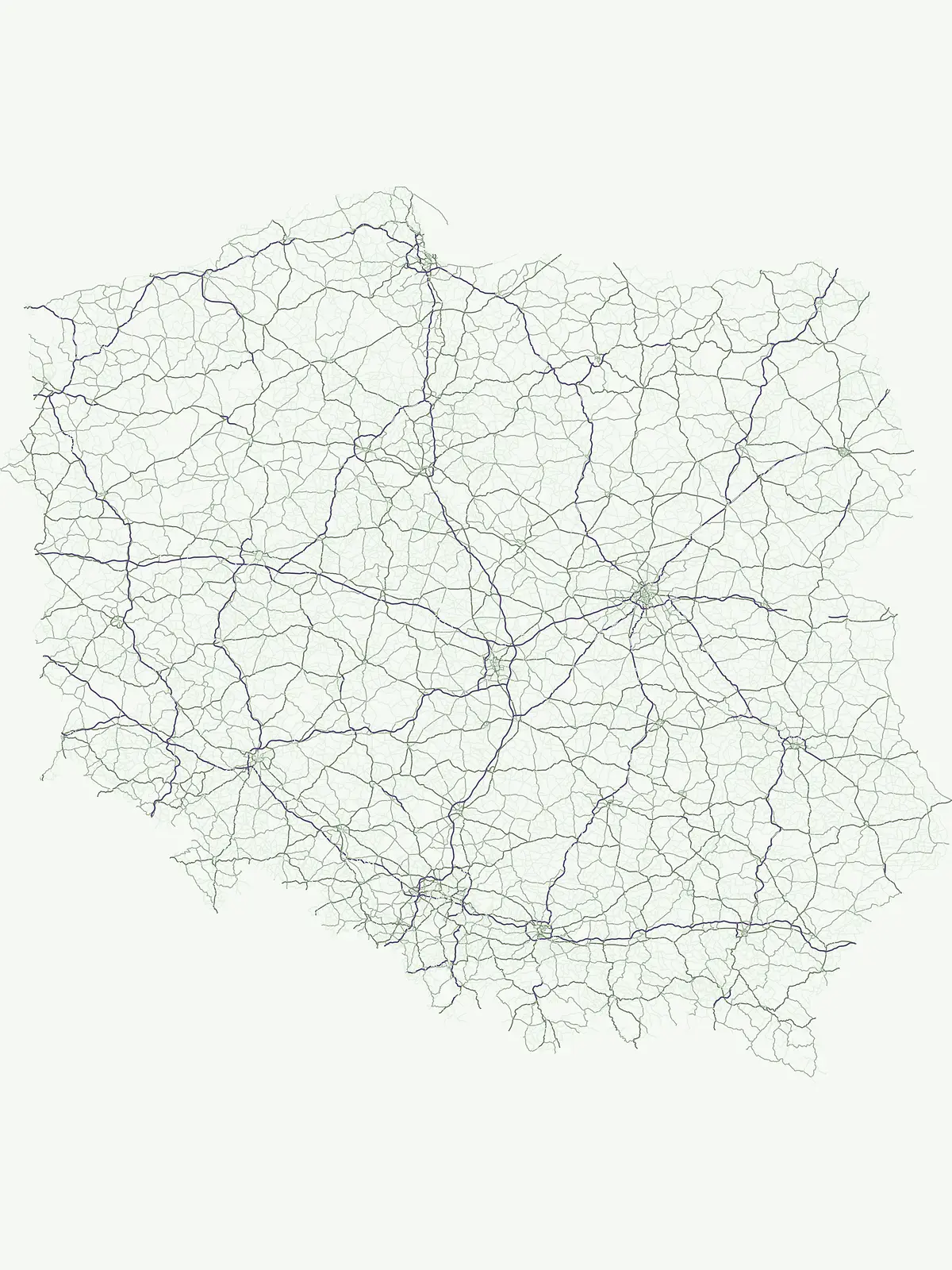
Country pattern

Delve into the core ecological processes and compatible visitor use defining Poland's National Park category, covering varied protected landscapes.

Poland's National Parks: Tracing IUCN Category II Protected Areas Across Diverse Central European Landscapes
Explore Poland's National Park protected areas, which are IUCN Category II sites managed to safeguard large-scale ecological processes, characteristic species, and diverse ecosystems. These protected landscapes across Poland balance strong conservation goals with compatible public access, shaping a unique atlas of Central European natural heritage.

Matching parks

24

These parks and protected areas currently define how National Park appears across Poland.

Category focus

A large natural or near-natural protected area managed to safeguard ecological processes, characteristic species, and ecosystems while also supporting education, recreation, and compatible visitor use.

Representative parks

Białowieża National ParkTatra National ParkBiebrza National ParkKarkonosze National ParkBieszczady National ParkKampinos National ParkOjców National ParkCentral Balkan National ParkPieniny National ParkStołowe Mountains National Park
Management profile

Ecosystem protection

National Park
IUCN Category II is one of the most widely recognized protected-area categories in the world because it brings together strong ecosystem protection and public-facing values. A National Park is meant to conserve large-scale ecological processes and representative species and ecosystems, but it is also expected to support compatible spiritual, scientific, educational, recreational, and visitor opportunities. This makes Category II especially important for countries that want protected areas to function both as core conservation landscapes and as places where people can meaningfully experience nature without undermining long-term ecological goals.

Definition

A National Park is a large natural or near-natural protected area established to protect large-scale ecological processes, along with the complement of species and ecosystems characteristic of the area, while also providing a foundation for environmentally and culturally compatible spiritual, scientific, educational, recreational, and visitor opportunities. The category is used for places where conservation remains primary, but where public engagement is an accepted and often important secondary function. The defining balance is not unrestricted access, but carefully managed access compatible with ecosystem protection.

Key characteristics

Category II areas are typically large enough to sustain important ecological functions and to protect more than a single feature or species. They often contain broad habitat mosaics, major watersheds, mountain systems, forests, savannas, coastal landscapes, wetlands, marine systems, or other extensive environments where ecological processes operate across scale. Unlike stricter categories, National Parks usually include a visitor dimension, which may involve trails, viewpoints, interpretation, education, and controlled recreation. However, the category is not meant for heavily urbanized tourism landscapes or places managed mainly as leisure destinations. Its defining character lies in ecosystem-scale conservation, representative natural values, and public use that is shaped around ecological limits rather than the other way around.

Management focus

Management in National Parks generally combines ecosystem protection, visitor planning, interpretation, and long-term stewardship. Managers may use zoning, visitor infrastructure, transport controls, habitat restoration, species protection measures, fire or water management, invasive species control, and education programmes to reconcile conservation with public access. Active management may be required where landscapes have been altered or where visitor pressure is high, but the overriding test is whether actions support the park's ecological purpose. Well-managed Category II areas often balance access and restraint, allowing people to learn from and enjoy the protected area while keeping large-scale ecological processes, characteristic species, and natural systems at the center of decision-making.

Protection purpose

The purpose of Category II is to conserve large natural or near-natural areas in a way that secures ecosystem processes and biodiversity over the long term, while also providing people with opportunities for learning, inspiration, recreation, and connection to nature that remain compatible with conservation.

Management objective

Typical objectives include protecting functioning ecosystems at scale, conserving native species and ecological processes, maintaining scenic and natural values, supporting research and environmental education, providing well-managed visitor access and recreation, restoring degraded areas where necessary, and preventing incompatible development or extractive uses that would undermine the park's long-term ecological integrity.

Global context
Wider background behind National Park
This reference block covers the broader history and global examples that define National Park as an IUCN management category, rather than the country-specific park pattern shown elsewhere on the page.

Category history

The National Park idea has deep roots in nineteenth- and twentieth-century conservation, when governments began setting aside large landscapes for protection from settlement, resource extraction, and landscape transformation. Over time, the concept evolved from scenic reservation toward broader ecosystem conservation. Within the IUCN management category system, Category II became the principal international framework for protected areas that are large, ecosystem-focused, and publicly legible as major conservation landscapes. Although national park names and legal traditions differ widely from country to country, the category helps distinguish those areas managed primarily for ecosystem protection and compatible visitation from both stricter reserves and more human-shaped protected landscapes.

Global examples

Representative examples often include world-famous large protected areas such as Yellowstone National Park in the United States, Serengeti National Park in Tanzania, Torres del Paine National Park in Chile, and many other nationally designated parks whose management priority is ecosystem protection combined with compatible public use. Not every site named 'national park' is automatically IUCN Category II, but the category is widely associated with large, iconic protected areas where conservation and carefully managed visitation are both central.

More categories

Trace the Full Range of Conservation Landscapes and Classification Systems in Poland

Compare Poland's IUCN Protected Area Categories Beyond National Parks
Explore Poland's diverse protected area classifications, moving beyond National Parks to examine other critical IUCN categories. Understanding the full spectrum of these designations helps to compare conservation goals, management approaches, and the varied geography encompassed by Poland's natural landscapes.

IUCN category v

Protected Landscape/Seascape

A protected area where the long-term interaction of people and nature has created a distinct landscape or seascape with significant ecological, cultural, and scenic value.

Example parks

Kosmaj

Gain insights into Poland's diverse park geography, from its Baltic Sea coastline to the Carpathian Mountains.

Common Questions on Poland's National Parks, Geography, and Protected Landscapes
Delve into common questions about the national parks and protected areas across Poland, covering their locations, types, and defining geographic features. This resource provides essential context for understanding the country's diverse conservation landscapes and their regional spread, from its northern coast to southern mountains.
MoriAtlas Explorer

Continue Exploring National Park Protected Areas Across Poland's Geography

For a deeper understanding of conservation strategies, continue browsing the National Park protected areas within Poland. Each designated park offers specific insights into Category II management objectives, from safeguarding large-scale ecological processes to facilitating compatible visitor engagement. Examining these sites individually reveals the nuanced application of IUCN Category II across Poland's varied natural landscapes and park geography, providing context for broader protected-area exploration.

Global natural geography